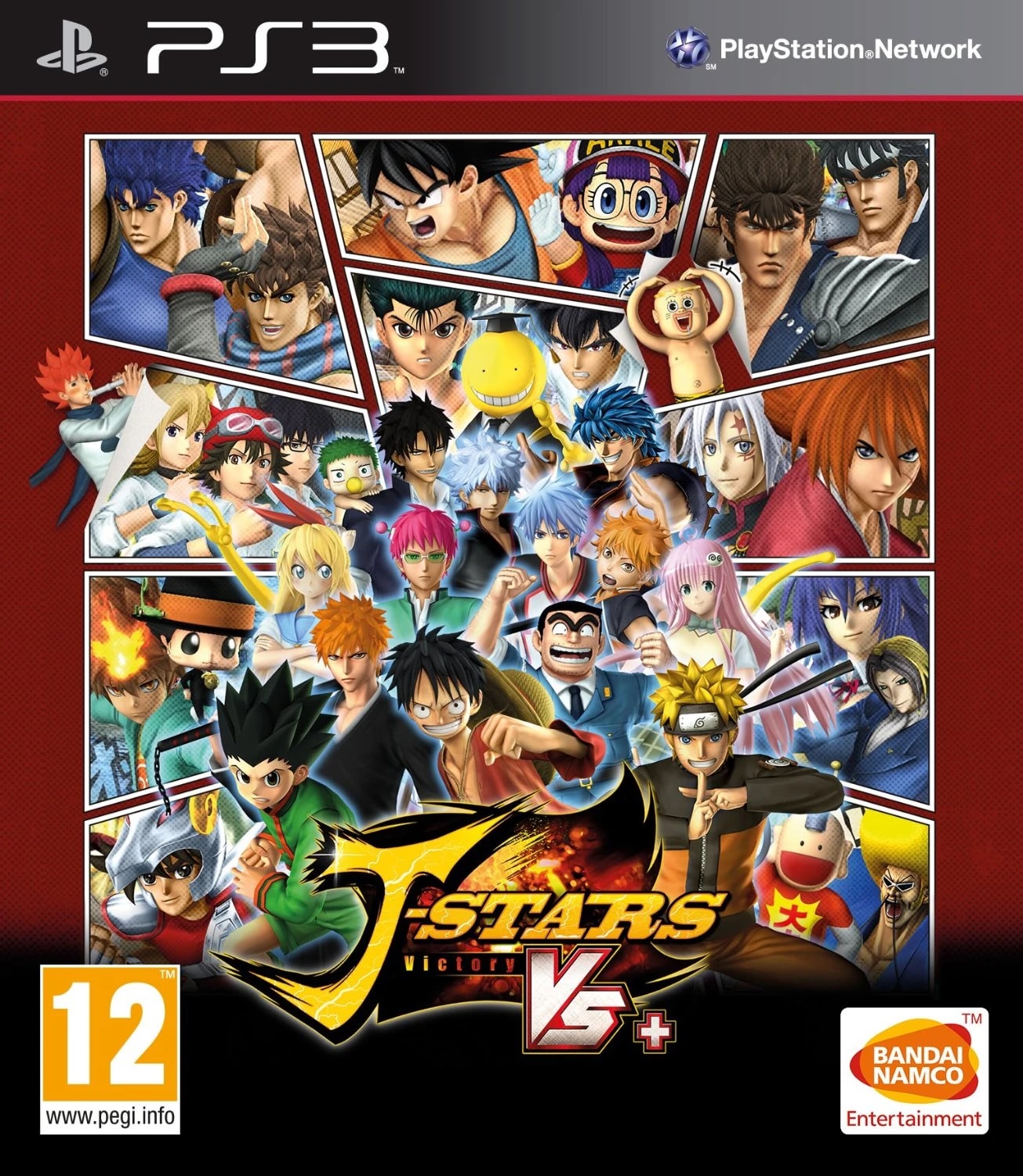
J-Stars Victory Vs
GameJ-Stars Victory Vs is a team battle action video game released by Bandai Namco for PlayStation 3 and PlayStation Vita on March 19, 2014. The game combines the universes of several Shonen Jump series. During Jump Festa, a new trailer was released under the name "J-Stars Victory Vs+", announcing its release in North America on June 30, 2015, for PlayStation Vita, PlayStation 3, and PlayStation 4.
Gameplay
J-Stars Victory Vs is a team-based 3D action fighting game developed by Spike Chunsoft and published by Bandai Namco for PlayStation 3 and PlayStation Vita, released in Japan on March 19, 2014. An enhanced version titled J-Stars Victory Vs+ arrived in North America on June 30, 2015, adding PlayStation 4 support. The game features 52 playable characters from 32 different Weekly Shonen Jump manga series, including Goku and Vegeta from Dragon Ball Z.
Battles take place on partially destructible 3D arenas where up to four players can compete in two-versus-two matches. Each team consists of two main fighters and one support character. Players fill a WIN gauge by defeating opponents, with three filled sections needed to win. Characters have distinct playstyles that reflect their source material: Goku and Ichigo Kurosaki favor aerial combat, while characters like Luffy and Toriko prefer rushing tactics. Combat uses normal attacks, power attacks that can break guards, ranged attacks, and Special Moves activated when the Voltage Gauge fills. Life and stamina meters govern how long a fighter can sustain action before needing to recover.
The J Adventure story mode presents a four-arc campaign set aboard the 45th Shonen Jump anniversary ship, the Memorial Jump, which travels between themed lands based on different manga settings including Alabasta from One Piece and Konoha from Naruto. Players collect items and J Stars Cards during battles to customize the ship and strengthen characters. A Free Battle mode allows versus matches with CPU or human opponents. An augmented-reality app for PS Vita lets players view Jump characters overlaid on real-world environments through the device's camera.


Story
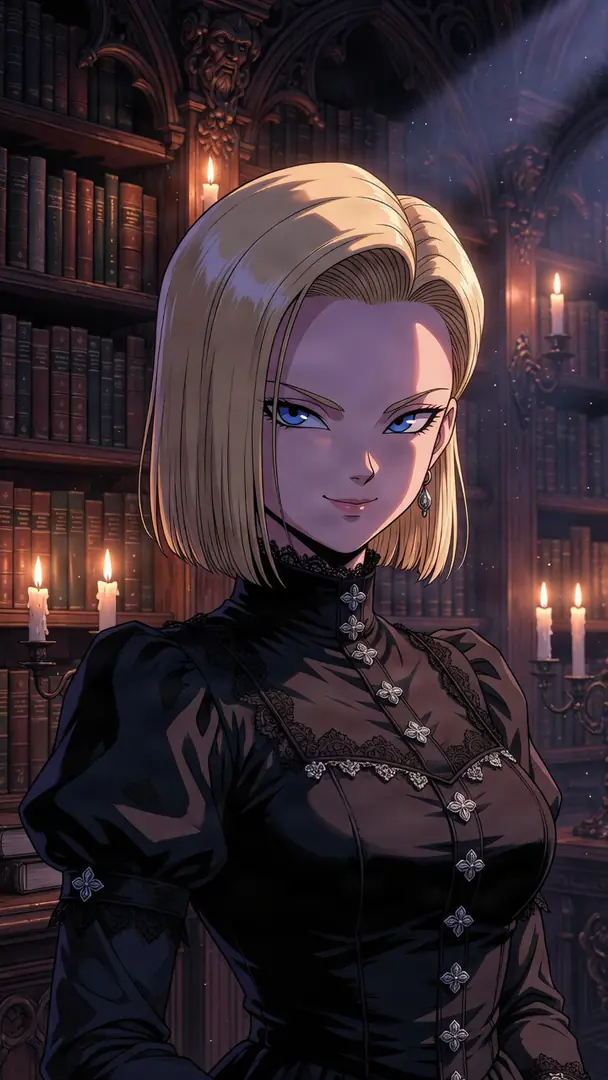
The J Adventure mode centers on an in-universe event called the J-Battle Festival, which draws heroes from across the Jump multiverse together aboard the Memorial Jump, a ship designed to celebrate the magazine's 45th anniversary. The narrative unfolds across four story arcs: the Dynamic Arc, Hope Arc, Investigation Arc, and Pursuit Arc in J-Battle Coliseum. Each arc follows the assembled heroes as they navigate conflicts specific to their home settings while contributing to the larger festival narrative.
The antagonist of the story mode is an entity called Dark Phantom, who takes the form of whichever Jump hero the player is currently using. As a shadow version of the playable character, Dark Phantom wields the same abilities but serves as a corrupted mirror of the original. This structure makes each player's experience of the boss encounter unique based on their chosen roster. The crossover framing avoids a single overarching villain in favor of this reflective antagonist concept, keeping the focus on the celebration of Jump heroes.
Legacy
J-Stars Victory Vs was developed specifically to mark the 45th anniversary of Weekly Shonen Jump and was presented by Bandai Namco as the definitive Jump crossover game of its era. The game's scope, drawing from 32 different manga series, set a new standard for the breadth of Jump crossover titles. Its success in Japan established the foundation for the later and more globally distributed Jump Force, which revisited the multi-franchise fighting game concept with a different visual approach in 2019.
The title's debut trailer, released under the working name Project Versus J, generated significant fan attention during its announcement at Jump Festa in December 2012. The involvement of Goku alongside Monkey D. Luffy and Toriko as the three lead promotional characters mirrored the trio's appearance in the Dream 9 crossover special that aired on Fuji TV in April 2013. The game's Anison Sound Edition, which included 21 anime theme tracks, demonstrated the depth of commitment to the source material across the Jump catalog.
Related Reading
See all
Chiaotzu is Chi-Chi's Boo: Why the Guy Who Never Wins Finally Wins
The least likely man in Dragon Ball just took the biggest win in our catalog. The story behind our R&B record about Chiaotzu, Chi-Chi, and a house Goku is never in....

Krillin's on the Tinder: How the Ultimate Short King Survived the Height Filter
Tinder built a height filter. Dragon Ball built a five foot legend. What happened when we sent the ultimate short king into the modern dating hellscape....
Frequently Asked Questions
What is J-Stars Victory VS?
J-Stars Victory Vs is a team battle action video game released by Bandai Namco for PlayStation 3 and PlayStation Vita on March 19, 2014. The game combines the universes of several Shonen Jump series. During Jump Festa, a new trailer was released under the name "J-Stars Victory Vs+", announcing its release in North America on June 30, 2015, for PlayStation Vita, PlayStation 3, and PlayStation 4.
What's unique about J-Stars Victory vs?
J-Stars Victory Vs is a team-based 3D action fighting game developed by Spike Chunsoft and published by Bandai Namco for PlayStation 3 and PlayStation Vita, released in Japan on March 19, 2014. An enhanced version titled J-Stars Victory Vs+ arrived in North America on June 30, 2015, adding PlayStation 4 support. The game features 52 playable characters from 32 different Weekly Shonen Jump manga series, including Goku and Vegeta from Dragon Ball Z.
Which characters appear in J-Stars Victory Vs?
The game features 52 playable characters from 32 different Weekly Shonen Jump manga series, including Goku and Vegeta from Dragon Ball Z. Each team consists of two main fighters and one support character. Characters have distinct playstyles that reflect their source material: Goku and Ichigo Kurosaki favor aerial combat, while characters like Luffy and Toriko prefer rushing tactics.
What game modes does J-Stars Victory Vs have?
The J Adventure story mode presents a four-arc campaign set aboard the 45th Shonen Jump anniversary ship, the Memorial Jump, which travels between themed lands based on different manga settings including Alabasta from One Piece and Konoha from Naruto. A Free Battle mode allows versus matches with CPU or human opponents.
When was J-Stars Victory Vs released?
J-Stars Victory Vs was released in 2014. Bandai Namco published the game.
Sources & Information
Looking for more on J-Stars Victory Vs? The Dragon Ball Wiki on Fandom has a dedicated page with community notes.
View on FandomThis content is original writing by Daddy Jim Headquarters based on the Dragon Ball anime series, manga, and official materials. Episode and chapter references are cited where applicable.
Character and scene imagery on this site is original artwork by Daddy Jim Headquarters, not screenshots or licensed imagery. Official cover art is used on three types of pages for editorial commentary:
- Movie pages: theatrical posters and key visuals, credited to Toei Animation and Shueisha.
- Game pages: official box art, credited to Bandai Namco, Atari, and other publishers.
- Manga chapter pages: Jump Comics volume covers, credited to Shueisha and Akira Toriyama.
Browse our episode guides:
Official resources:
Help Us Keep This Wiki Accurate
Daddy Jim Headquarters maintains this encyclopedia. If you spot an error, a translation issue, or something that doesn't look right, let us know.