Gameplay
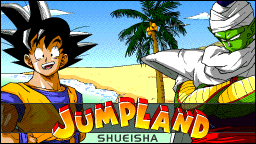
JUMPLAND is a Japan-exclusive online game created and operated by Shueisha that centered on three of the publisher's most popular manga properties: Dragon Ball, One Piece, and Naruto. Players selected a character from one of the three franchises and used that avatar to explore virtual environments, interact with characters from all three series, and participate in mini-games tied to specific locations. The playable roster included Son Goku, Monkey D. Luffy, and Naruto Uzumaki as the primary player characters, alongside additional characters from each franchise.
The game world featured themed settings drawn directly from the source material, including the World Martial Arts Tournament Arena from Dragon Ball. Each area contained its own set of mini-games appropriate to its franchise setting, giving players varied short-form challenges as they moved between the different zones. The social and exploratory nature of JUMPLAND placed it closer to a virtual world experience than a traditional action or fighting game, emphasizing movement through space and encounter over direct combat mechanics.
JUMPLAND was accessible through the Shonen Jump website, which hosted a hotel-themed hub containing portals to different areas of the game alongside additional standalone games. The service was conducted entirely in Japanese and was not officially localized for international audiences. JUMPLAND operated for several years before shutting down in 2009, ending its run as an early example of a web-based licensed virtual world experience.


Content
The three franchises at the center of JUMPLAND each contributed characters and settings to a shared virtual space, creating an environment where fans of any of the three series could encounter familiar faces from the others. The World Martial Arts Tournament Arena from Dragon Ball served as one of the primary recognizable Dragon Ball spaces within the game, hosting activities tied to the franchise's tournament structure. One Piece and Naruto contributed comparable settings appropriate to their respective narratives.
Beyond the main playable characters, secondary characters from all three series populated the environments as NPCs, providing dialogue and interaction opportunities for players exploring the world. Mini-games provided structured gameplay activity within each themed area, giving the broader exploratory experience moments of focused engagement. The combination of social exploration, character interaction, and mini-game variety made JUMPLAND a broad-audience product designed to appeal to fans of each individual franchise as well as players familiar with all three.

Context
JUMPLAND operated during a period when publisher-run online virtual worlds were being explored as a fan engagement tool across the entertainment industry. Its positioning within the Shonen Jump web ecosystem gave it a built-in audience of readers already visiting the magazine's digital presence. The decision to focus exclusively on Dragon Ball, One Piece, and Naruto reflects the commercial priority of Shueisha's three highest-profile ongoing properties at the time of the service's operation.
The game's 2009 shutdown places it within the broader pattern of early browser-based online games that could not sustain operation as the web shifted toward more technically demanding platforms. Despite its limited scope and Japan-only availability, JUMPLAND represents an early experiment in using interactive digital space as a complement to print manga readership, predating the more elaborate cross-media strategies that Shueisha and its licensees would develop in subsequent years.
Sparking Zero May 26 Update Adds Demon World Stage and Reworks Transformation Healing
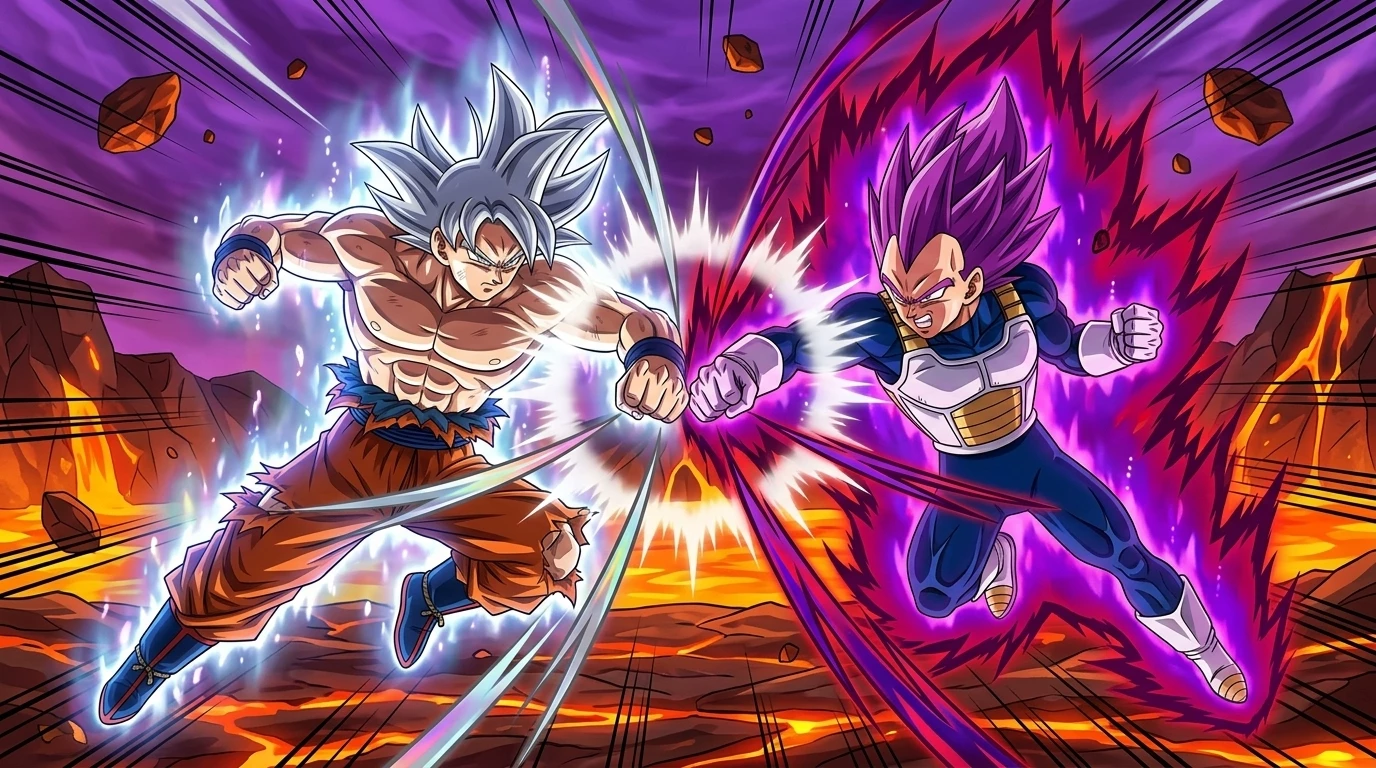
May 27, 2026Bandai Namco shipped a free Dragon Ball: Sparking Zero update on May 26, 2026 that introduces a new Demon World stage, overhauls transformation healing, and confirms the Daima Character Pack and Shallot DLC for release on June 27, 2026....
Dragon Ball FighterZ Adds Super Saiyan 4 Goku From Daima
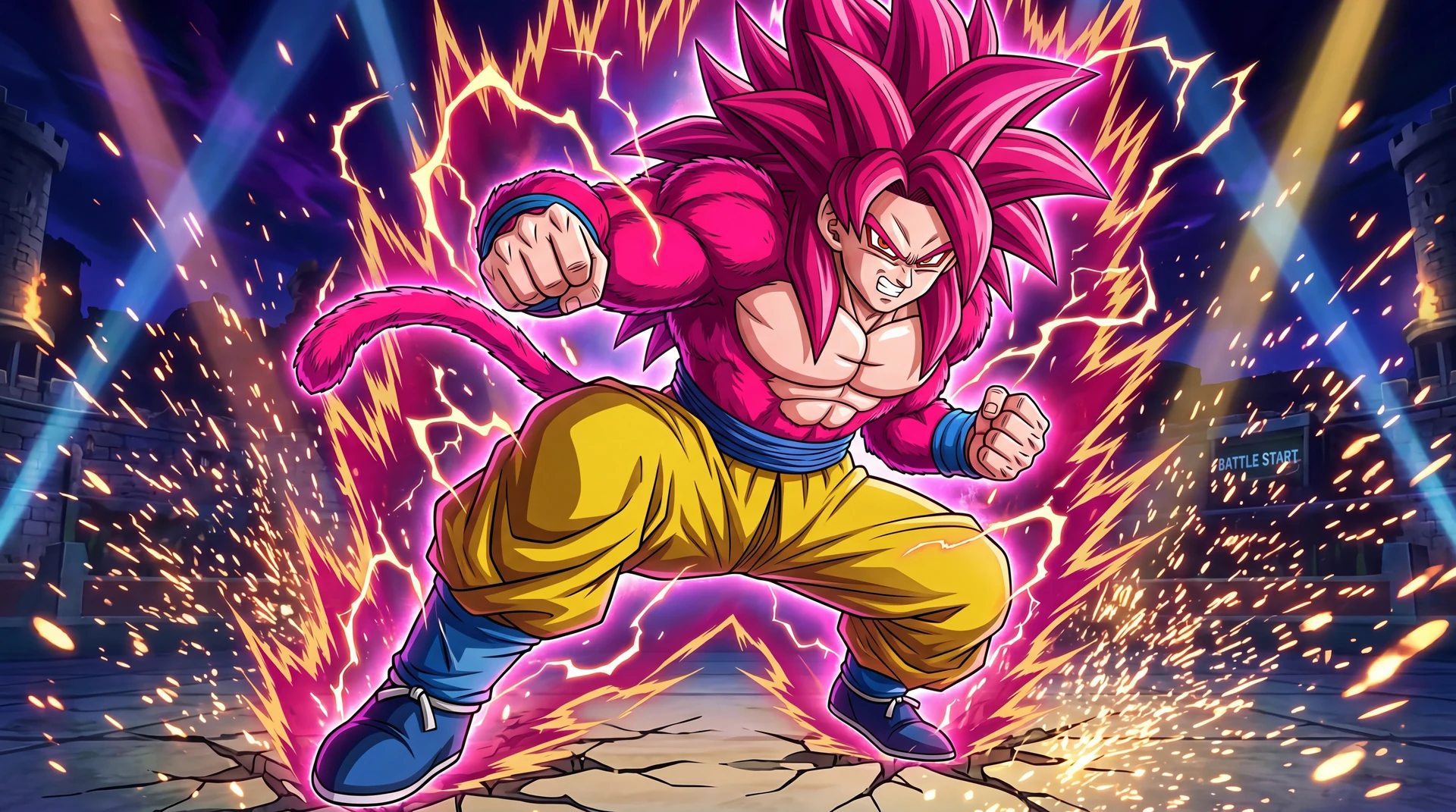
May 25, 2026Dragon Ball FighterZ added Super Saiyan 4 Goku, the form featured in the Daima anime, as DLC on April 22, 2026. The 2018 fighting game is still getting new content nearly eight years on....
Dragon Ball Sparking Zero Super Limit-Breaking NEO DLC Adds 30 Plus Fighters for Summer 2026
Apr 20, 2026Bandai Namco and Spike Chunsoft unveiled the Super Limit-Breaking NEO expansion for Dragon Ball Sparking Zero at Battle Hour 2026. Summer 2026 release, 30 plus characters, four new stages, and a new solo mode....
Sources & Information
Looking for more on Jumpland? The Dragon Ball Wiki on Fandom has a dedicated page with community notes.
View on FandomThis content is original writing by Daddy Jim Headquarters based on the Dragon Ball anime series, manga, and official materials. Episode and chapter references are cited where applicable.
Character and scene imagery on this site is original artwork by Daddy Jim Headquarters, not screenshots or licensed imagery. Official cover art is used on three types of pages for editorial commentary:
- Movie pages: theatrical posters and key visuals, credited to Toei Animation and Shueisha.
- Game pages: official box art, credited to Bandai Namco, Atari, and other publishers.
- Manga chapter pages: Jump Comics volume covers, credited to Shueisha and Akira Toriyama.
Browse our episode guides:
Official resources:
Dragon Ball Music by Daddy Jim Headquarters
Come listen to some Dragon Ball R&B.
Help Us Keep This Wiki Accurate
Daddy Jim Headquarters maintains this encyclopedia across 13 languages. If you spot an error, a translation issue, or something that doesn't look right, let us know.