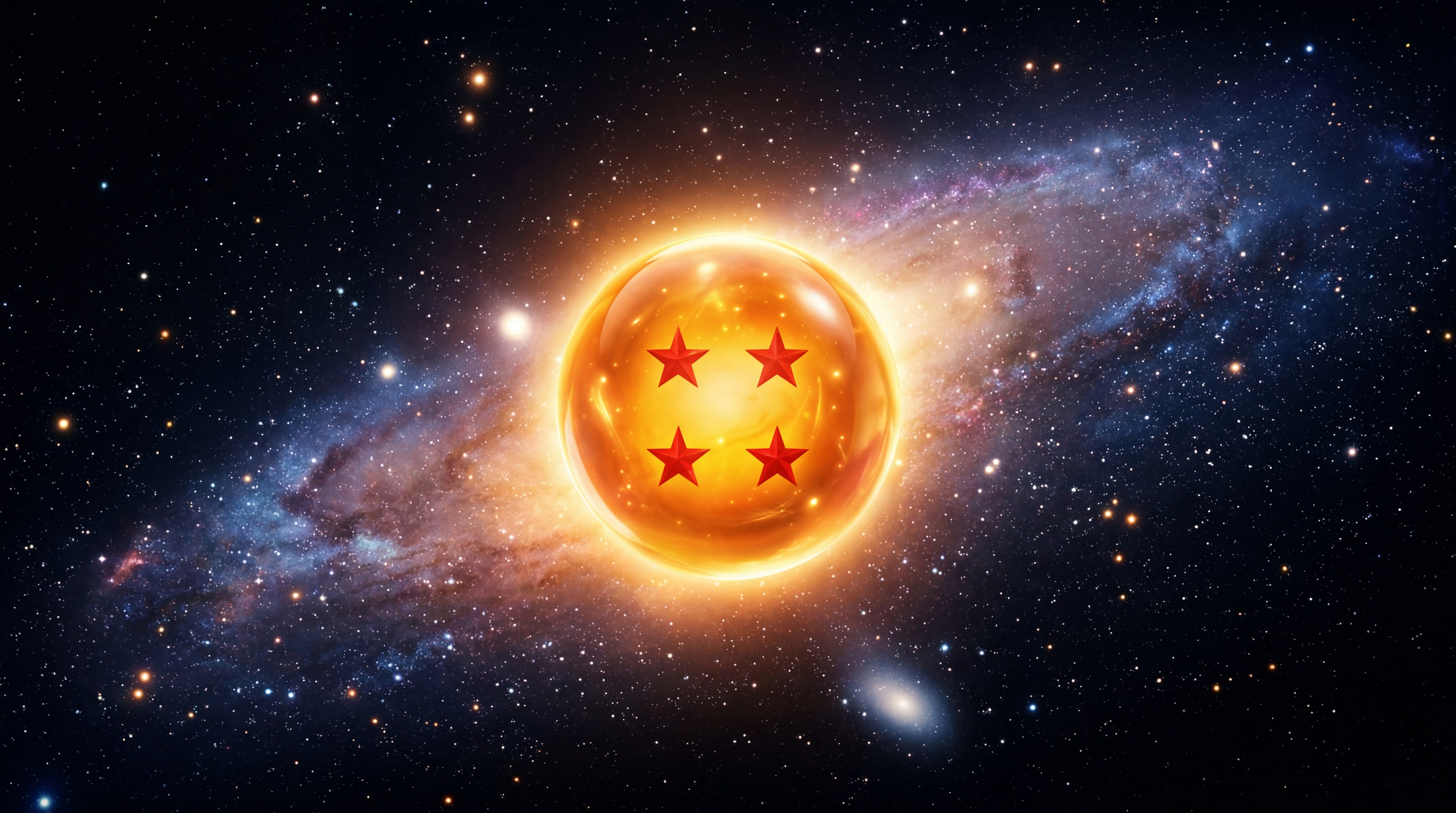
Dragon Ball
ItemMystical orange orbs containing red stars that, when all seven are gathered, summon an eternal dragon capable of granting wishes. They are the central artifacts of the entire franchise.
Origin and Creation
Dragon Balls are mystical crystalline spheres created by Namekians, each set containing seven orbs marked with a number of stars ranging from one to seven. When all seven balls of a set are gathered together, they allow the summoner to call forth an eternal dragon who will grant wishes before scattering the balls across the planet (or universe, depending on the set) once more.
The concept of Dragon Balls originates with the Namekian race, whose most gifted members possess the ability to create both the orbs and the dragons that inhabit them. Each set of Dragon Balls is linked to a specific Namekian creator; if that creator dies, the Dragon Balls permanently turn to stone and become inert. The power of any given set is directly proportional to the strength and skill of its creator.
Known Sets
Several distinct sets of Dragon Balls exist across the multiverse. The Earth Dragon Balls were originally created by Kami and later recreated by Dende, summoning Shenron. The Namekian Dragon Balls, crafted by Grand Elder Guru, summon the larger dragon Porunga and grant three wishes instead of one. The Super Dragon Balls, created by the dragon god Zalama, are planet-sized spheres scattered across Universes 6 and 7 that summon Super Shenron, who can grant any wish without limitation.
Additional sets include the Black Star Dragon Balls (created by the Nameless Namekian), the Cerealian Dragon Balls (a unique two-ball set on Planet Cereal), the Dark Dragon Balls (corrupted orbs from the Dark Empire), and the Demon Realm Dragon Balls. Each set has its own rules, limitations, and consequences for use.
Rules and Limitations
While the wish-granting power of Dragon Balls appears limitless on the surface, each set operates under specific constraints tied to the power of its creator.
Earth Dragon Balls
Under Kami's original creation, Shenron could grant a single wish and could not revive someone who had already been brought back once. After Dende recreated the Dragon Balls, Shenron gained the ability to grant two wishes (later upgraded to three) and the restriction on repeat revivals was loosened. However, Shenron cannot grant wishes that exceed the power of his creator, meaning he cannot kill or permanently alter beings significantly stronger than Dende.
Namekian Dragon Balls
Porunga grants three wishes per summoning and has fewer restrictions on revival, able to bring back individuals multiple times. The Namekian Dragon Balls are physically larger than Earth's set and require wishes to be spoken in the Namekian language.
Super Dragon Balls
The Super Dragon Balls have no known limitations whatsoever. Super Shenron can grant any wish, including those involving the erasure or restoration of entire universes. They are scattered across both Universe 6 and Universe 7, requiring travel between universes to collect them all. Their immense size, each ball being as large as a planet, makes gathering them an extraordinary undertaking.
After a wish is granted, all sets of Dragon Balls (except the Black Star and Cerealian sets) turn to stone for a period, typically one year for Earth's set and 130 days for the Namekian set. The Super Dragon Balls' dormancy period has not been specified.
Frequently Asked Questions
What is a Dragon Ball in Dragon Ball?
Mystical orange orbs containing red stars that, when all seven are gathered, summon an eternal dragon capable of granting wishes. They are the central artifacts of the entire franchise.
What is the Dragon Ball in Dragon Ball?
When all seven balls of a set are gathered together, they allow the summoner to call forth an eternal dragon who will grant wishes before scattering the balls across the planet (or universe, depending on the set) once more. The concept of Dragon Balls originates with the Namekian race, whose most gifted members possess the ability to create both the orbs and the dragons that inhabit them. Each set of Dragon Balls is linked to a specific Namekian creator; if that creator dies, the Dragon Balls permanently turn to stone and become inert.
What does the Dragon Ball do in Dragon Ball?
The concept of Dragon Balls originates with the Namekian race, whose most gifted members possess the ability to create both the orbs and the dragons that inhabit them. Each set of Dragon Balls is linked to a specific Namekian creator; if that creator dies, the Dragon Balls permanently turn to stone and become inert. The power of any given set is directly proportional to the strength and skill of its creator.
Who created the Dragon Ball?
The Dragon Ball was created by Various Namekians; Zalama (Super Dragon Balls). Mystical orange orbs containing red stars that, when all seven are gathered, summon an eternal dragon capable of granting wishes.
Who uses the Dragon Ball in Dragon Ball?
The Earth Dragon Balls were originally created by Kami and later recreated by Dende, summoning Shenron. Under Kami's original creation, Shenron could grant a single wish and could not revive someone who had already been brought back once.
Related Reading
See all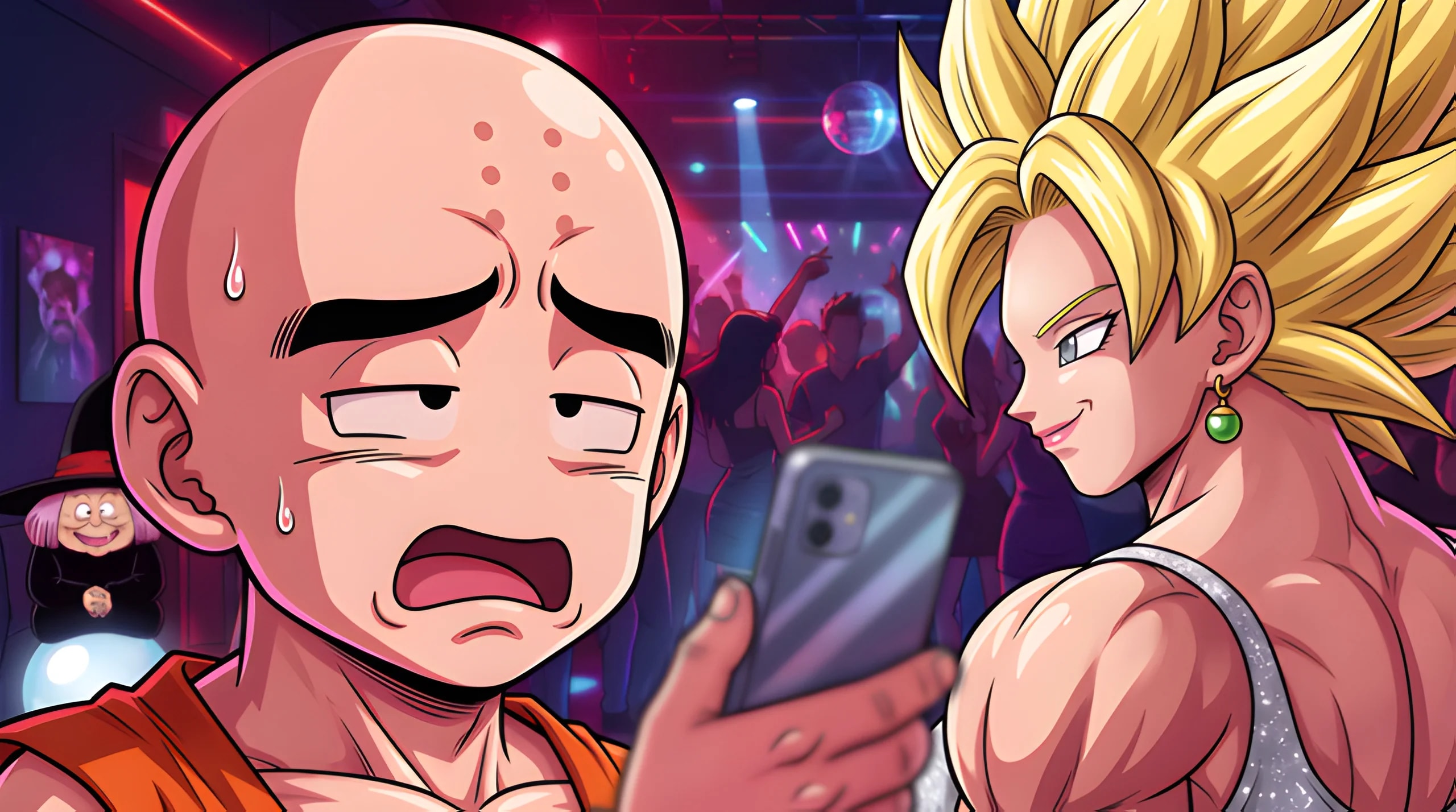
Krillin's on the Tinder: How the Ultimate Short King Survived the Height Filter
Tinder built a height filter. Dragon Ball built a five foot legend. What happened when we sent the ultimate short king into the modern dating hellscape....
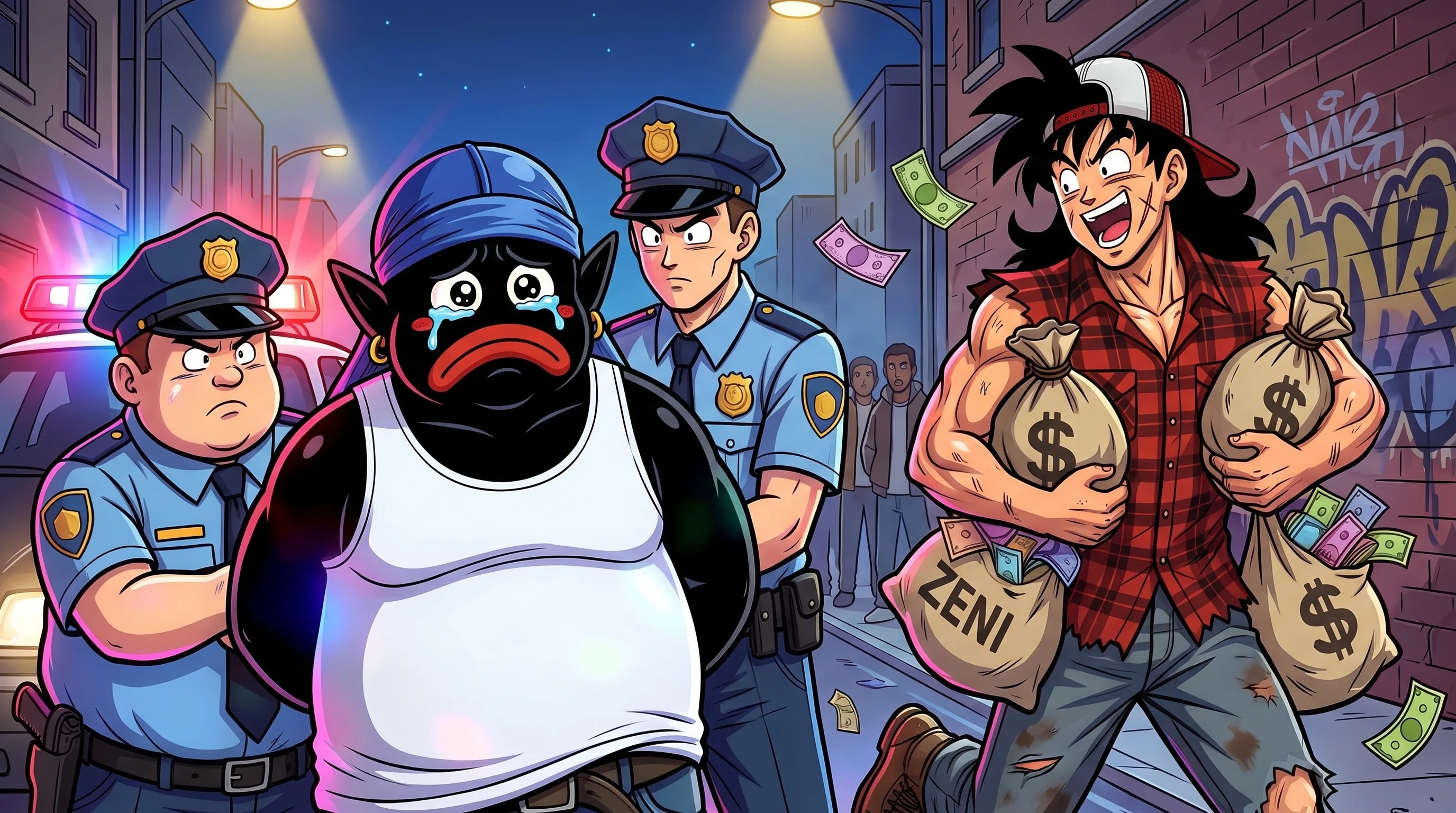
Infinite Zeni Glitch: When Yamcha Never Pays and Mr. Popo Always Does
The internet found an infinite money glitch. So did Yamcha. A smooth R&B track about the easiest money in the Dragon Ball world and the one man who keeps paying for it....
Sources & Information
Looking for more on Dragon Ball? The Dragon Ball Wiki on Fandom has a dedicated page with community notes.
View on FandomThis content is original writing by Daddy Jim Headquarters based on the Dragon Ball anime series, manga, and official materials. Episode and chapter references are cited where applicable.
Character and scene imagery on this site is original artwork by Daddy Jim Headquarters, not screenshots or licensed imagery. Official cover art is used on three types of pages for editorial commentary:
- Movie pages: theatrical posters and key visuals, credited to Toei Animation and Shueisha.
- Game pages: official box art, credited to Bandai Namco, Atari, and other publishers.
- Manga chapter pages: Jump Comics volume covers, credited to Shueisha and Akira Toriyama.
Browse our episode guides:
Official resources:
Help Us Keep This Wiki Accurate
Daddy Jim Headquarters maintains this encyclopedia. If you spot an error, a translation issue, or something that doesn't look right, let us know.