Weighted Clothing
ItemGarments fitted with built-in weights used by warriors to train under increased physical strain. Removing them in battle provides an immediate boost in speed and agility.
Training Method and Impact
Weighted clothing operates on the same principle as gravity training but on a smaller, more portable scale. By wearing heavy garments during everyday activity and combat training, warriors build strength and endurance through constant exertion. When the weights are removed, the body's sudden freedom from the extra burden translates into dramatic improvements in speed, agility, and striking power.
Kami introduced weighted training to Goku as part of his preparation at the Lookout before the 23rd World Martial Arts Tournament. Goku's outfit included a weighted undershirt, wristbands, and boots that Tien estimated totaled at least 250 pounds (113 kg). The reveal of weighted clothing in Goku's match against Tien was a memorable moment, as shedding the weights allowed Goku to demonstrate a stunning burst of speed that thrilled the crowd.
Piccolo adopted the same training method, wearing a weighted turban and cape that became part of his signature look. His removal of the cape and turban before serious fights became an iconic visual cue that he was about to fight at full power. During the battle against Raditz, both Goku and Piccolo's weighted clothing suppressed roughly 20% of their maximum power. Pikkon also used weighted clothing, dramatically shedding his hat, cloak, and boots during the Other World Tournament to reveal his true speed against Goku.
As the series progressed and fighters reached higher power levels, the impact of weighted clothing diminished relative to other training methods like gravity chambers and divine training. Goku eventually stopped wearing weighted clothes entirely after King Kai modified his uniform.

Frequently Asked Questions
How heavy was Goku's weighted clothing?
Garments fitted with built-in weights used by warriors to train under increased physical strain. Removing them in battle provides an immediate boost in speed and agility.
Who created the Weighted Clothing?
The Weighted Clothing was created by Kami. Weighted clothing operates on the same principle as gravity training but on a smaller, more portable scale.
When did the Weighted Clothing first appear?
The Weighted Clothing first appeared in the Dragon Ball anime episode "Changes." In the manga, it debuted in the chapter "The Reunion." Garments fitted with built-in weights used by warriors to train under increased physical strain. Weighted clothing operates on the same principle as gravity training but on a smaller, more portable scale.
Who uses the Weighted Clothing?
Pikkon also used weighted clothing, dramatically shedding his hat, cloak, and boots during the Other World Tournament to reveal his true speed against Goku. Garments fitted with built-in weights used by warriors to train under increased physical strain.
What are some notable moments involving the Weighted Clothing?
Kami introduced weighted training to Goku as part of his preparation at the Lookout before the 23rd World Martial Arts Tournament. The reveal of weighted clothing in Goku's match against Tien was a memorable moment, as shedding the weights allowed Goku to demonstrate a stunning burst of speed that thrilled the crowd. His removal of the cape and turban before serious fights became an iconic visual cue that he was about to fight at full power.
Related Reading
See all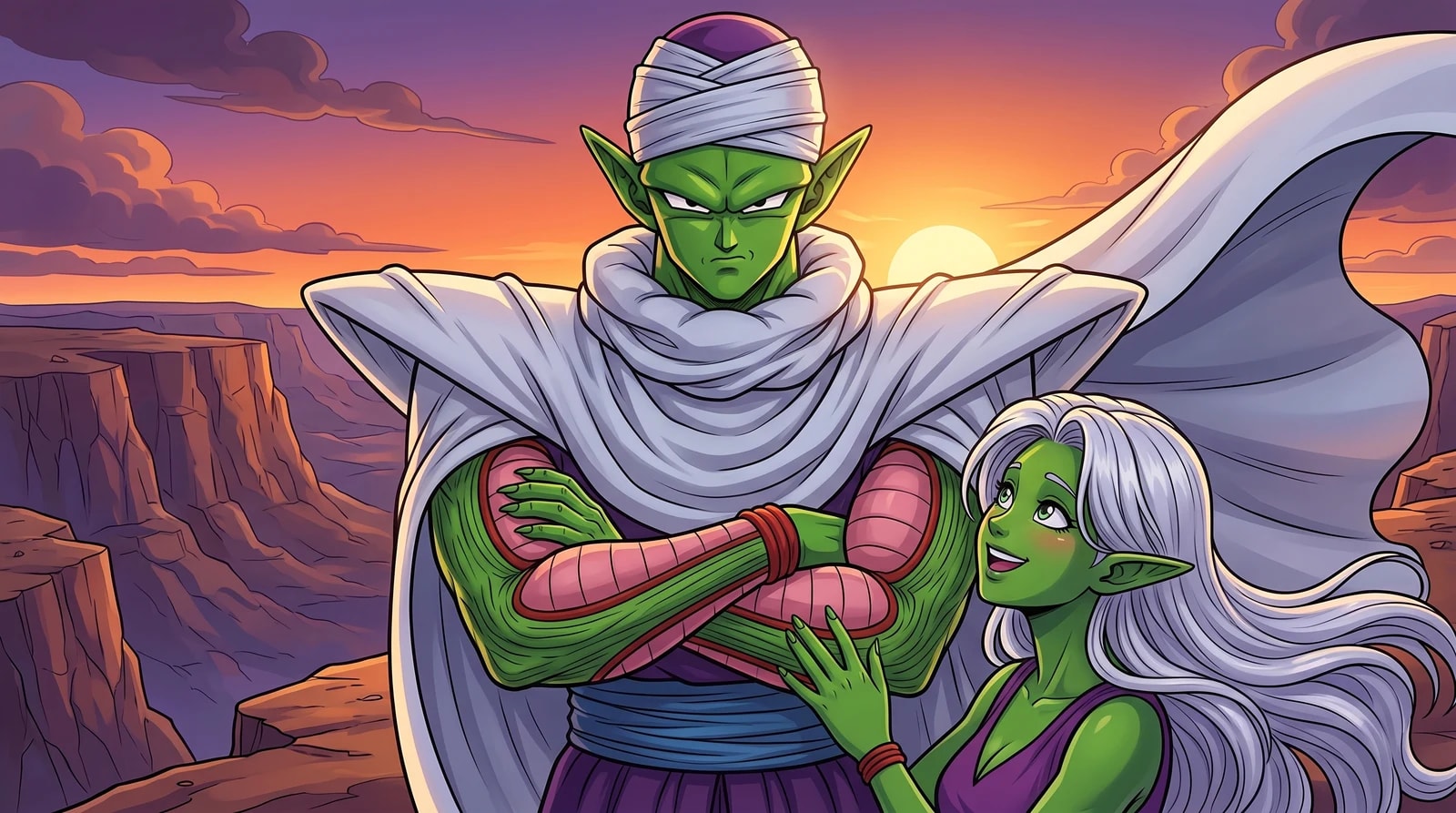
Namek Has No Women, and Piccolo Pulls Anyway
There are no women on Namek. That isn't an oversight, it's the biology. Why we handed Piccolo the one thing his own species rules out, and why it had to be trap soul....

1000 Times Over: Who Is John Dragon Ball Singing To?
Dragon Ball handed us a protagonist with no history and the internet named him John Dragon Ball. So we built him somebody to talk to....


Sources & Information
Looking for more on Weighted Clothing? The Dragon Ball Wiki on Fandom has a dedicated page with community notes.
View on FandomThis content is original writing by Daddy Jim Headquarters based on the Dragon Ball anime series, manga, and official materials. Episode and chapter references are cited where applicable.
Rights holders
- Created byAkira Toriyama
- Published byShueisha
- Animated byToei Animation
All rights belong to their respective owners.
Character and scene imagery on this site is original artwork by Daddy Jim Headquarters, not screenshots or licensed imagery. Official cover art is used on three types of pages for editorial commentary:
- Movie pages: theatrical posters and key visuals, credited to Toei Animation and Shueisha.
- Game pages: official box art, credited to Bandai Namco, Atari, and other publishers.
- Manga chapter pages: Jump Comics volume covers, credited to Shueisha and Akira Toriyama.
Browse our episode guides:
Official resources:
Help Us Keep This Wiki Accurate
Daddy Jim Headquarters maintains this encyclopedia. If you spot an error, a translation issue, or something that doesn't look right, let us know.