Daisuke Nishio
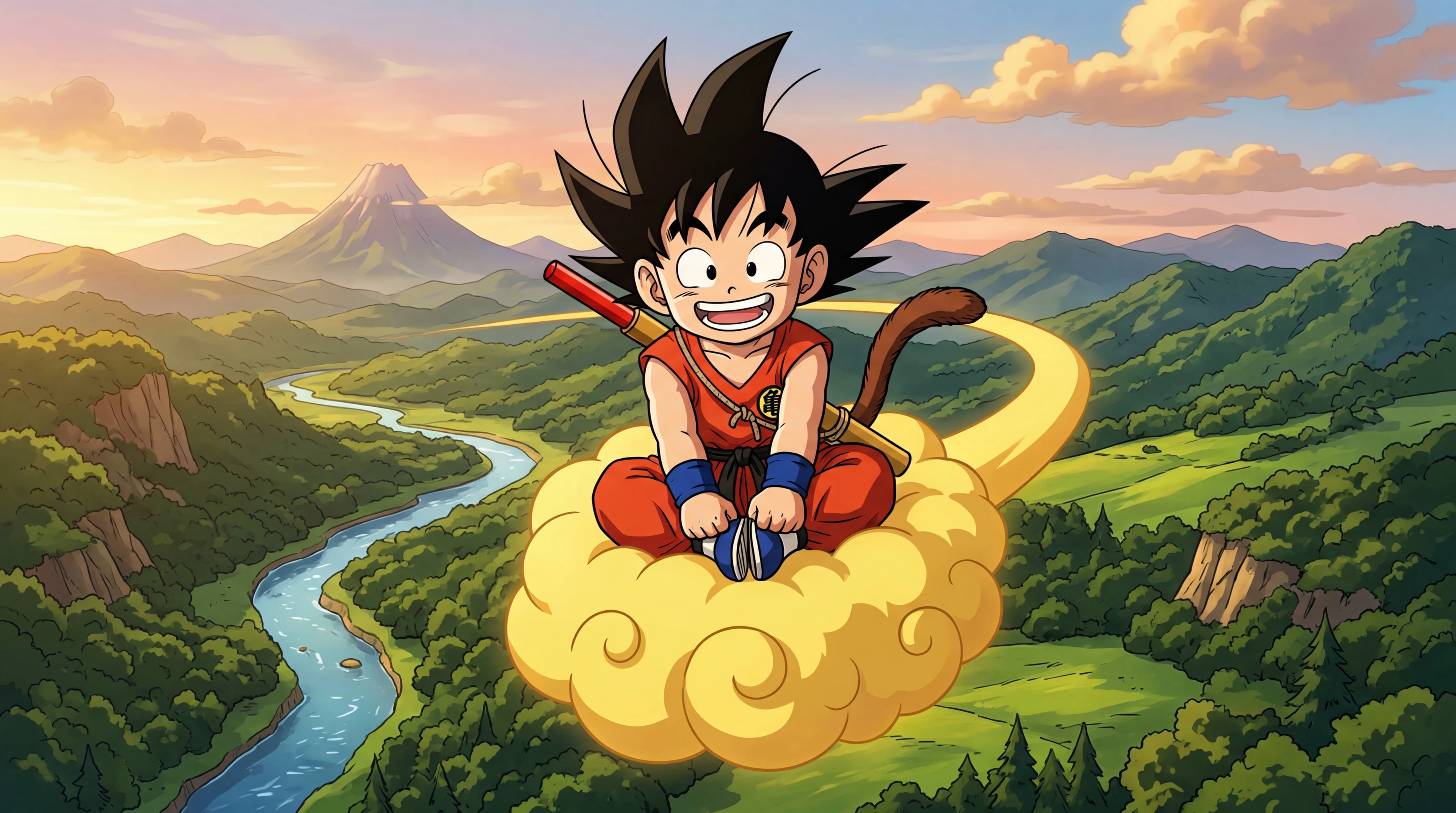
DirectorThe Toei Animation director who shepherded the original Dragon Ball anime and the early years of Dragon Ball Z. Daisuke Nishio set the pacing, framing, and feel of the TV series that introduced most of the world to Goku.
Directing Early Dragon Ball
Daisuke Nishio was the series director who steered the original Dragon Ball television anime and carried that same steady hand into the first stretch of Dragon Ball Z. Born in Miyoshi, Hiroshima, he studied at Ritsumeikan University and joined Toei Animation in 1981, cutting his teeth on a handful of TV projects before becoming an assistant director on Dr. Slump in 1982. When Toriyama's next hit needed an anime, Nishio was already part of the team and moved with it.
Under his direction, the 1986 Dragon Ball anime developed its relaxed, playful rhythm, the one that let a gag about Bulma's capsules breathe as easily as a Kamehameha. When the series shifted to the Saiyan arc and became Dragon Ball Z in 1989, he carried the tone through Raditz, Vegeta, Namek, and the early Frieza episodes, setting the template other directors would later build on. His last Dragon Ball Z credit is the Other World Tournament filler episode Goku vs. Pikkon, which first aired on September 1, 1993.


The Film Director
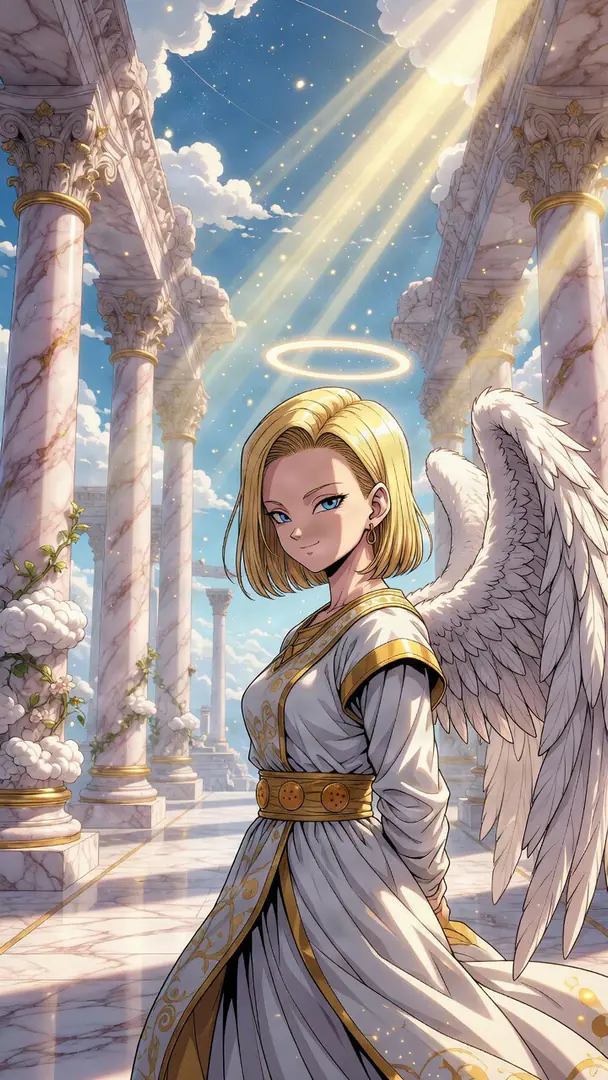
Nishio made his debut as a film director on Dragon Ball: Curse of the Blood Rubies, the very first theatrical Dragon Ball movie, and he ended up helming more of the franchise's early features than any other director. His Dragon Ball film credits include Sleeping Princess in Devil's Castle, plus the key early Z entries Dead Zone, The World's Strongest, The Tree of Might, and The Return of Cooler. He also supervised Mitsuo Hashimoto's Cooler's Revenge, keeping an eye on the tone as the series moved into its villain per film formula.
That run essentially defined the Dragon Ball Z film language: a standalone threat drops in, the team splits up and trades blows, and a big Goku finisher closes the book in under an hour. The propulsive action, the lush Namek forests in Tree of Might, the sheer menace of Dr. Wheelo and Turles, and the first taste of Cooler all carry Nishio's pacing fingerprints, and they remain some of the most rewatched Dragon Ball films in the catalog.
Later Career at Toei
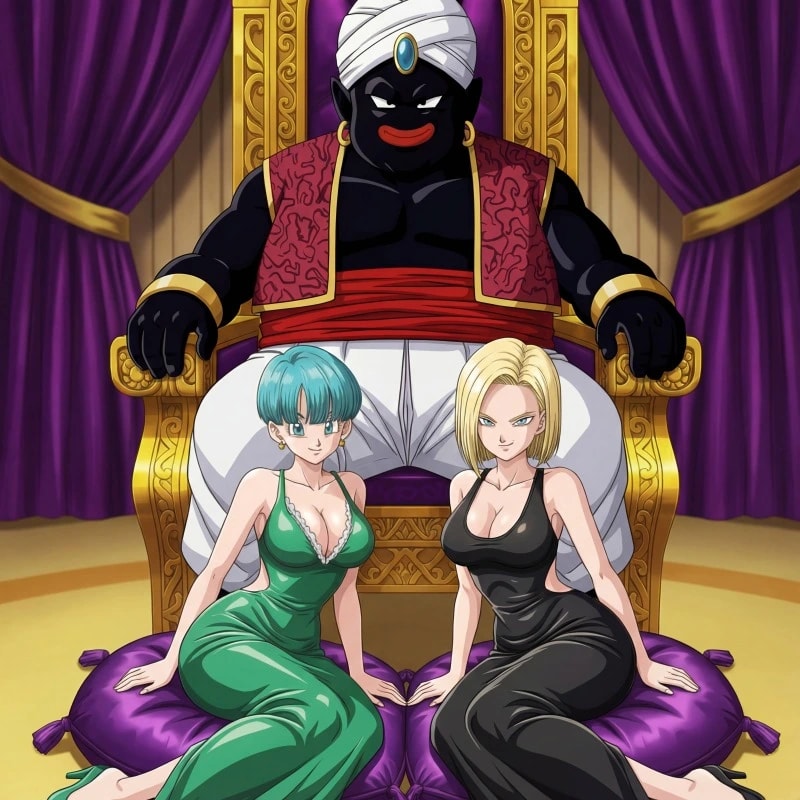
After stepping away from Dragon Ball, Nishio stayed deeply embedded at Toei Animation and continued working on many of the studio's biggest TV properties. He returned to Toriyama's world for the 1997 Dr. Slump remake and contributed to Go Go Ackman, another Toriyama adaptation. His later resume runs through One Piece, Futari wa Pretty Cure, Gegege no Kitaro, Kindaichi Shounen no Jikenbo, Patalliro, Crying Freeman, and the anthology project Halo Legends, among others.
For Dragon Ball fans, though, his legacy is locked in the early episodes and the early films. If you remember how Goku moved on the Nimbus as a kid, or how the camera held on Vegeta's first sneer, you are remembering Daisuke Nishio's direction.
Related Reading
See all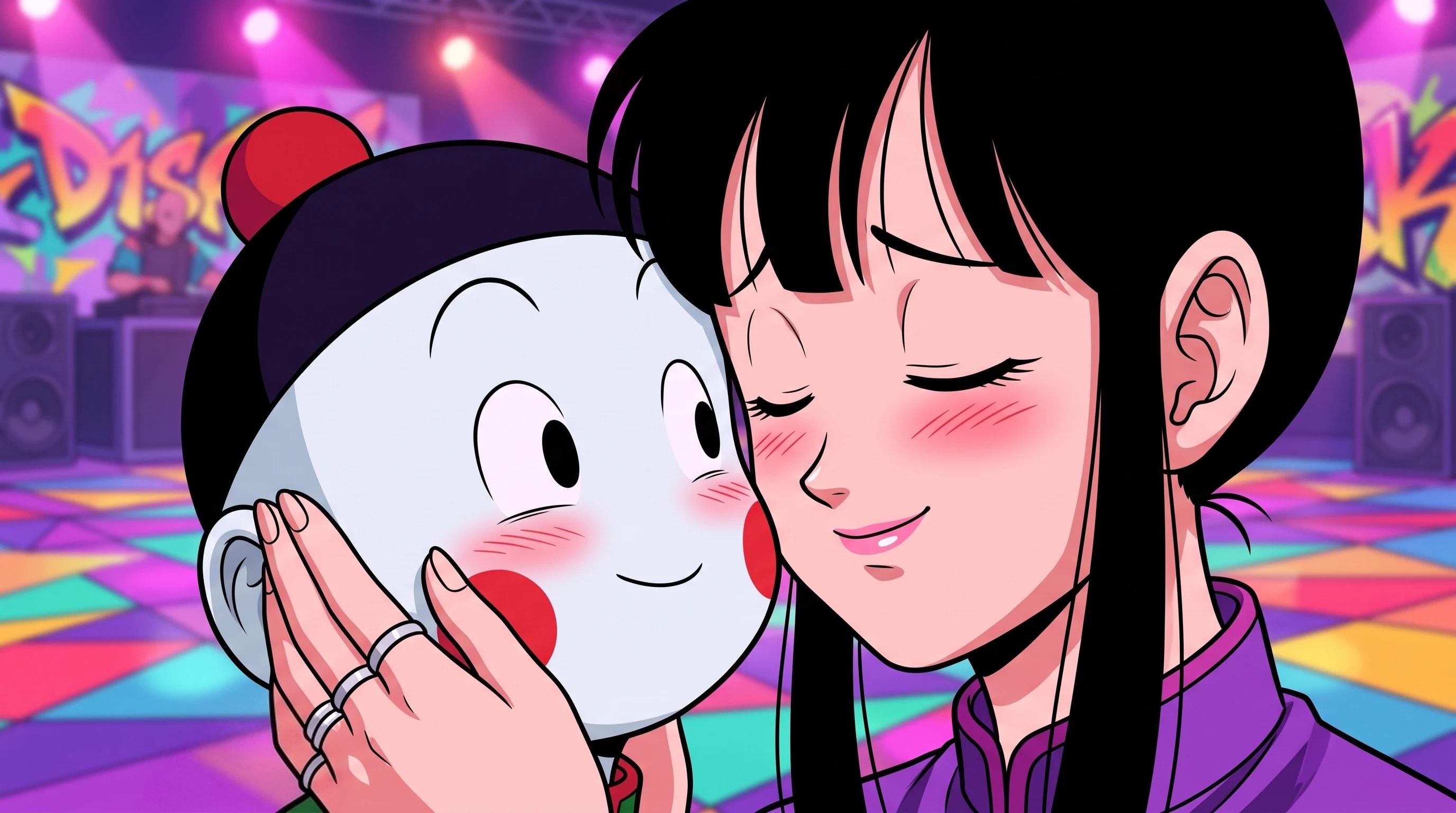
Chiaotzu is Chi-Chi's Boo: Why the Guy Who Never Wins Finally Wins
The least likely man in Dragon Ball just took the biggest win in our catalog. The story behind our R&B record about Chiaotzu, Chi-Chi, and a house Goku is never in....
Krillin's on the Tinder: How the Ultimate Short King Survived the Height Filter
Tinder built a height filter. Dragon Ball built a five foot legend. What happened when we sent the ultimate short king into the modern dating hellscape....
Frequently Asked Questions
When did Daisuke Nishio direct Dragon Ball?
Daisuke Nishio is the dragon Ball / DBZ series director. Daisuke Nishio was the series director who steered the original Dragon Ball television anime and carried that same steady hand into the first stretch of Dragon Ball Z .
Who is Daisuke Nishio?
The Toei Animation director who shepherded the original Dragon Ball anime and the early years of Dragon Ball Z. Daisuke Nishio set the pacing, framing, and feel of the TV series that introduced most of the world to Goku.
What other anime work has Daisuke Nishio done?
Nishio made his debut as a film director on Dragon Ball: Curse of the Blood Rubies , the very first theatrical Dragon Ball movie, and he ended up helming more of the franchise's early features than any other director. His Dragon Ball film credits include Sleeping Princess in Devil's Castle , plus the key early Z entries Dead Zone , The World's Strongest , The Tree of Might , and The Return of Cooler . He also supervised Mitsuo Hashimoto's Cooler's Revenge , keeping an eye on the tone as the series moved into its villain per film formula.
What is Daisuke Nishio known for in the anime industry?
Daisuke Nishio is a Japanese director active since 1981-present. The Toei Animation director who shepherded the original Dragon Ball anime and the early years of Dragon Ball Z.
What was Daisuke Nishio's contribution to Dragon Ball?
When the series shifted to the Saiyan arc and became Dragon Ball Z in 1989, he carried the tone through Raditz, Vegeta, Namek, and the early Frieza episodes, setting the template other directors would later build on. His last Dragon Ball Z credit is the Other World Tournament filler episode Goku vs. Pikkon , which first aired on September 1, 1993.
Sources & Information
Looking for more on Daisuke Nishio? The Dragon Ball Wiki on Fandom has a dedicated page with community notes.
View on FandomThis content is original writing by Daddy Jim Headquarters based on the Dragon Ball anime series, manga, and official materials. Episode and chapter references are cited where applicable.
Character and scene imagery on this site is original artwork by Daddy Jim Headquarters, not screenshots or licensed imagery. Official cover art is used on three types of pages for editorial commentary:
- Movie pages: theatrical posters and key visuals, credited to Toei Animation and Shueisha.
- Game pages: official box art, credited to Bandai Namco, Atari, and other publishers.
- Manga chapter pages: Jump Comics volume covers, credited to Shueisha and Akira Toriyama.
Browse our episode guides:
Official resources:
Help Us Keep This Wiki Accurate
Daddy Jim Headquarters maintains this encyclopedia. If you spot an error, a translation issue, or something that doesn't look right, let us know.