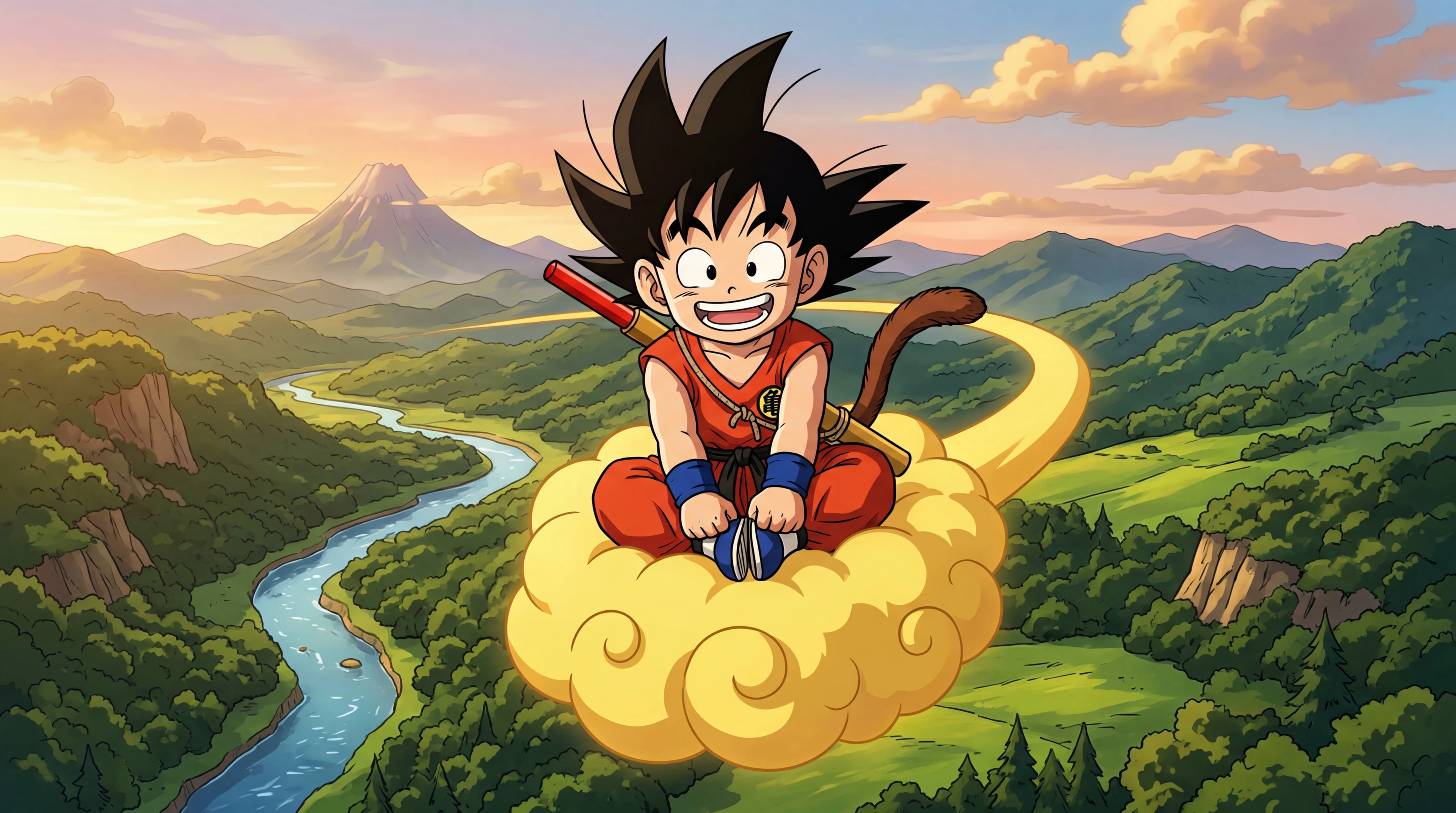
Ghost
RaceGhosts are supernatural undead entities that appear throughout the Dragon Ball series. They haunt various locations on Earth, from Fortuneteller Baba's palace to the afterlife itself. While most are relatively harmless, some possess enough power and cunning to serve as fighters in martial arts competitions.
Spirits That Refuse to Leave
Ghosts in the Dragon Ball universe are the spiritual remnants of deceased beings who, for one reason or another, have not fully passed on to the afterlife's standard processing system. They appear as translucent or semi-transparent figures, often retaining the appearance they had in life but with an ethereal, spectral quality. Some can interact with the physical world while others are intangible, and their abilities vary widely depending on the individual ghost and the circumstances of their existence.
The Dragon Ball world treats ghosts as a natural, if uncommon, part of its supernatural ecosystem. In a universe where the afterlife is a documented, physically accessible place with bureaucratic structures run by King Yemma and his Ogre staff, the existence of ghosts represents an anomaly: spirits that have slipped through the cracks of the otherworldly system or been deliberately kept from moving on.

Haunting the Tournament
The most prominent ghost encounter in the series occurs during the Fortuneteller Baba Saga, where ghostly entities serve as part of Baba's roster of fighters. Her palace and the surrounding area are populated by supernatural beings of all types, and ghosts fit naturally into this collection of occult warriors. The See-Through the Invisible Man fight against Yamcha is one of the most memorable ghost-adjacent encounters, though See-Through technically belongs to a different category of invisible being.
Ghosts also play a role in the afterlife segments of the series. When characters travel to Other World, they encounter spirits in various states, from the organized processions of souls waiting to be judged by King Yemma to the more chaotic inhabitants of Hell. The blurring of lines between ghosts and the standard dead in Dragon Ball's cosmology reflects the series' relaxed approach to afterlife rules, where death is more of an inconvenience than a permanent state.
Between Worlds
Ghosts occupy a unique position in Dragon Ball's supernatural hierarchy. They exist below the Ogres and other afterlife administrators in terms of power and status, but above ordinary deceased souls who have been properly processed and assigned their afterlife destinations. Some ghosts retain enough autonomy and power to interact meaningfully with the living world, making them occasional threats or allies depending on the situation.
The presence of ghosts in Dragon Ball connects to the series' broader theme that death is never truly final. In a universe where Dragon Balls can resurrect the dead, where training can continue in the afterlife, and where souls can be reincarnated, ghosts are simply one more way the boundary between life and death remains permeable. They serve as atmospheric elements in the series' more mystical episodes and as reminders that the Dragon Ball world's relationship with mortality is far more complicated than a simple binary of alive and dead.
Related Reading
See all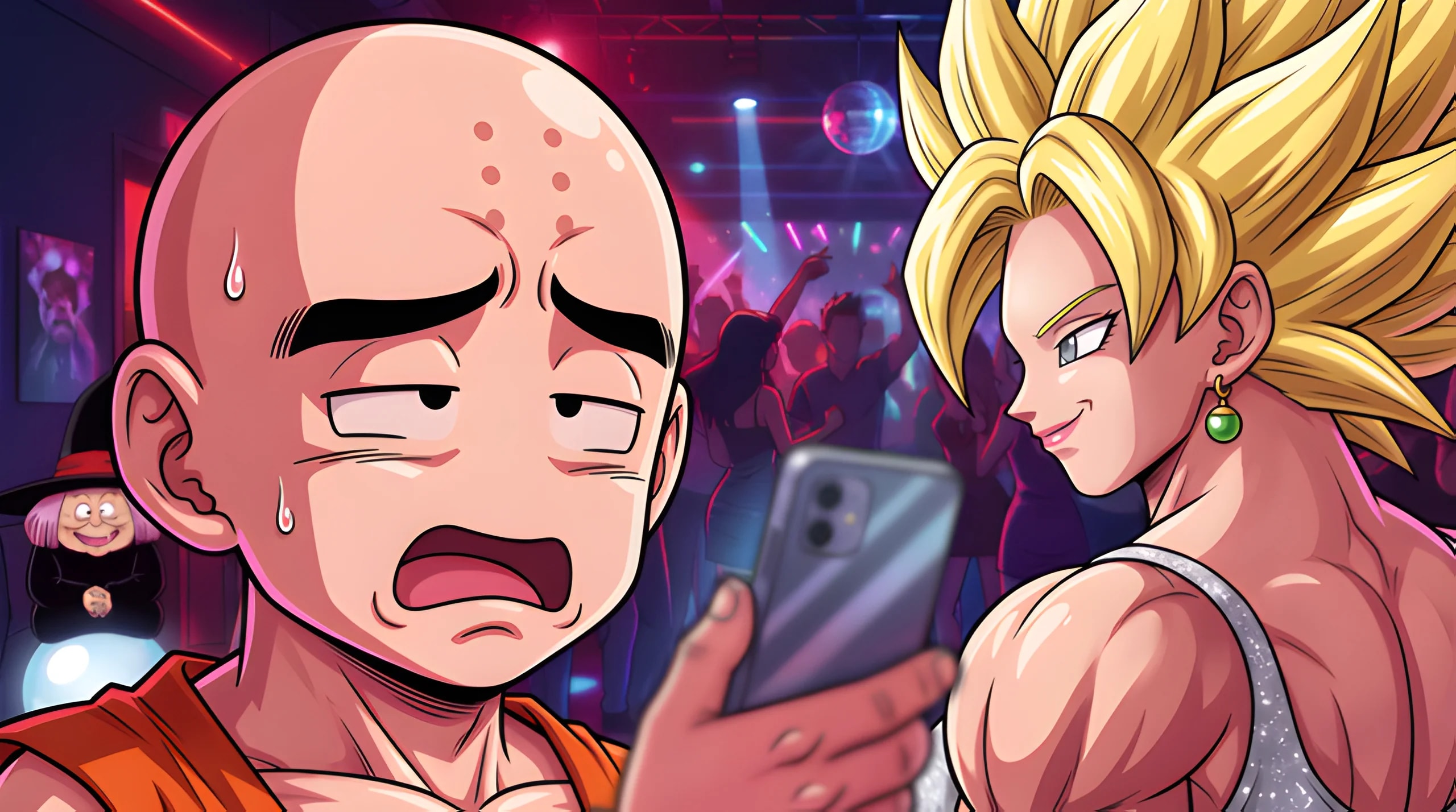
Krillin's on the Tinder: How the Ultimate Short King Survived the Height Filter
Tinder built a height filter. Dragon Ball built a five foot legend. What happened when we sent the ultimate short king into the modern dating hellscape....
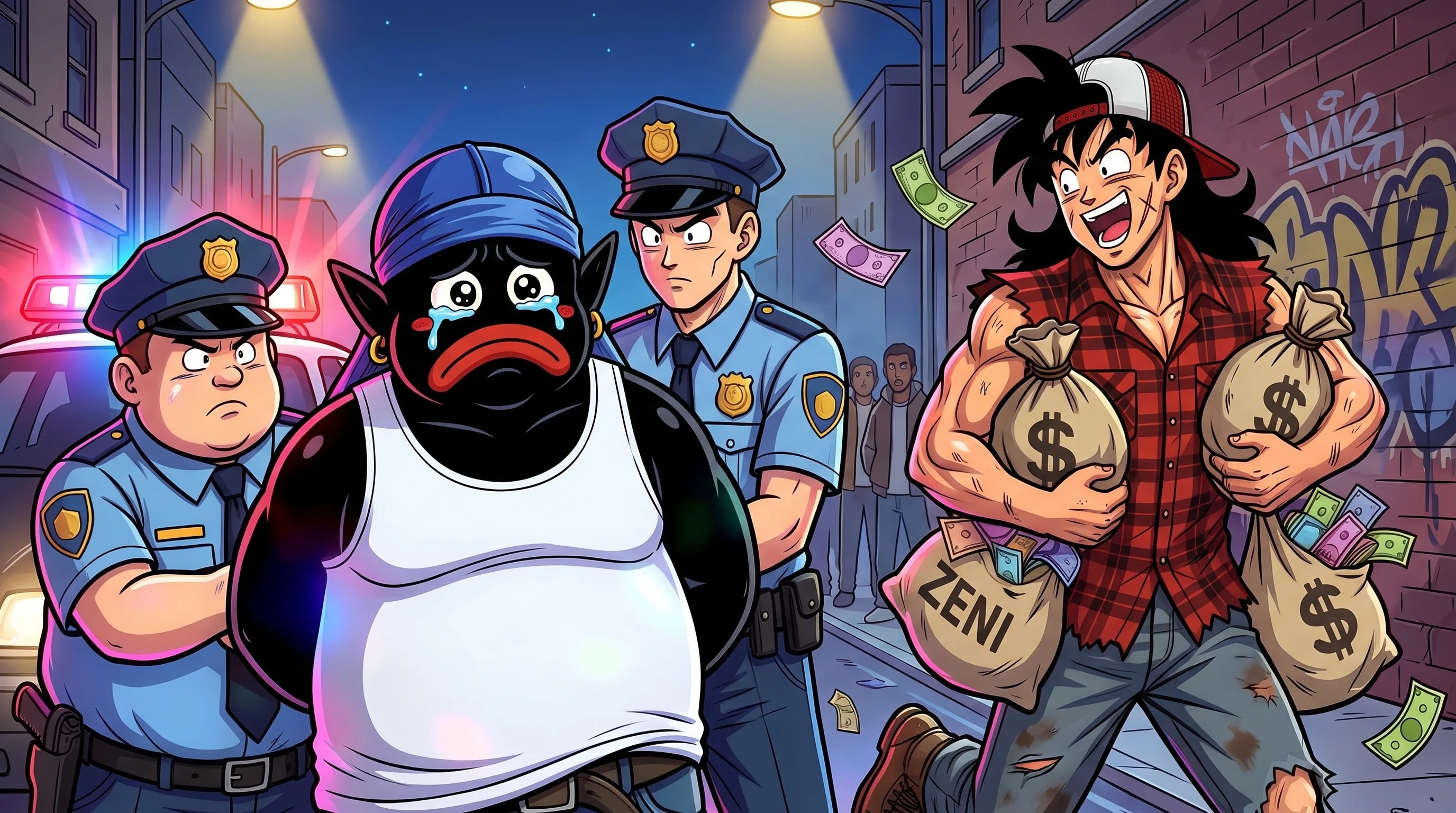
Infinite Zeni Glitch: When Yamcha Never Pays and Mr. Popo Always Does
The internet found an infinite money glitch. So did Yamcha. A smooth R&B track about the easiest money in the Dragon Ball world and the one man who keeps paying for it....
Frequently Asked Questions
Can Goku defeat Ghost?
Ghosts appear throughout Dragon Ball media. In Fusion Reborn, when the barrier between the living and dead worlds broke down, ghosts along with other undead flooded the Earth.
What is Ghost Super Power?
Various supernatural powers including possession, phasing through solid objects, and spiritual attacks. Small, translucent, typically 3 to 4 feet tall.
What is the Ghost in Dragon Ball?
Ghosts are supernatural undead entities that appear throughout the Dragon Ball series. They haunt various locations on Earth, from Fortuneteller Baba's palace to the afterlife itself. While most are relatively harmless, some possess enough power and cunning to serve as fighters in martial arts competitions.
What is the homeworld of the Ghost?
The Ghost originate from Other World. Ghosts appear throughout Dragon Ball media. In Fusion Reborn, when the barrier between the living and dead worlds broke down, ghosts along with other undead flooded the Earth.
What do the Ghost look like?
Small, translucent, typically 3 to 4 feet tall. They come in various forms depending on the type.
Sources & Information
Looking for more on Ghost? The Dragon Ball Wiki on Fandom has a dedicated page with community notes.
View on FandomThis content is original writing by Daddy Jim Headquarters based on the Dragon Ball anime series, manga, and official materials. Episode and chapter references are cited where applicable.
Character and scene imagery on this site is original artwork by Daddy Jim Headquarters, not screenshots or licensed imagery. Official cover art is used on three types of pages for editorial commentary:
- Movie pages: theatrical posters and key visuals, credited to Toei Animation and Shueisha.
- Game pages: official box art, credited to Bandai Namco, Atari, and other publishers.
- Manga chapter pages: Jump Comics volume covers, credited to Shueisha and Akira Toriyama.
Browse our episode guides:
Official resources:
Help Us Keep This Wiki Accurate
Daddy Jim Headquarters maintains this encyclopedia. If you spot an error, a translation issue, or something that doesn't look right, let us know.