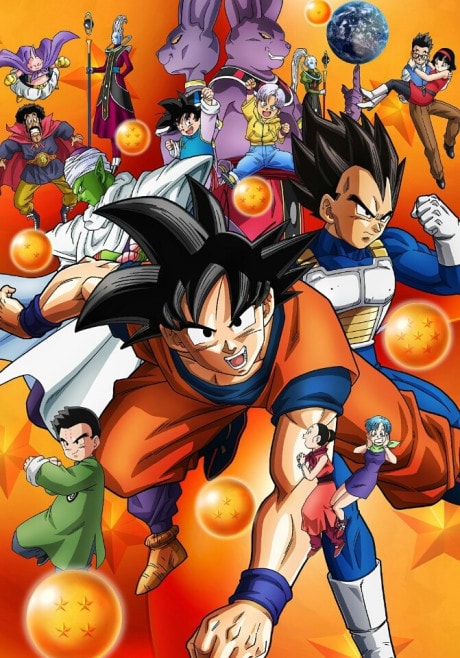
Golden Frieza Saga
SagaFrieza is resurrected by his loyal soldiers and achieves a stunning new transformation through four months of training. His Golden Frieza form poses a deadly challenge to Goku and Vegeta, who must rely on their new Super Saiyan Blue power to stop the tyrant's revenge against Earth.
The Emperor Returns
In the aftermath of Beerus's visit, peace has settled over Earth while Goku and Vegeta train under Whis on Beerus's planet. But across the galaxy, two of Frieza's most loyal soldiers, Sorbet and Tagoma, have been quietly gathering the Dragon Balls. Their wish is simple and devastating: bring Frieza back to life. The tyrant returns in pieces, literally, his body still carved up from Future Trunks's sword. Medical technology restores his form, and Frieza is reborn with a singular obsession: revenge on the Saiyans who destroyed him.
Four Months That Changed Everything
What follows is one of Dragon Ball's most fascinating revelations about natural talent. Frieza, who had never trained a single day in his life before his resurrection, dedicates four months to intense preparation. The results are staggering. He achieves a new transformation, Golden Frieza, a form that surpasses even the godly power of Super Saiyan Blue. The implication is humbling for the Saiyans: a prodigy like Frieza, who was born with a power level of 120 million, needed only a fraction of the time and effort that Goku and Vegeta spent over decades to reach competitive levels.
Frieza's decision to train is itself a character moment. The emperor had always relied on his natural gifts, considering effort beneath him. His time in Earth's Hell, trapped in a cocoon and forced to endure an eternity of cheerful angels and stuffed animals, has changed his perspective. He is willing to do whatever it takes to reclaim his throne, even the indignity of physical labor. This development adds depth to a villain who had previously been defined purely by aristocratic cruelty.



Invasion Day
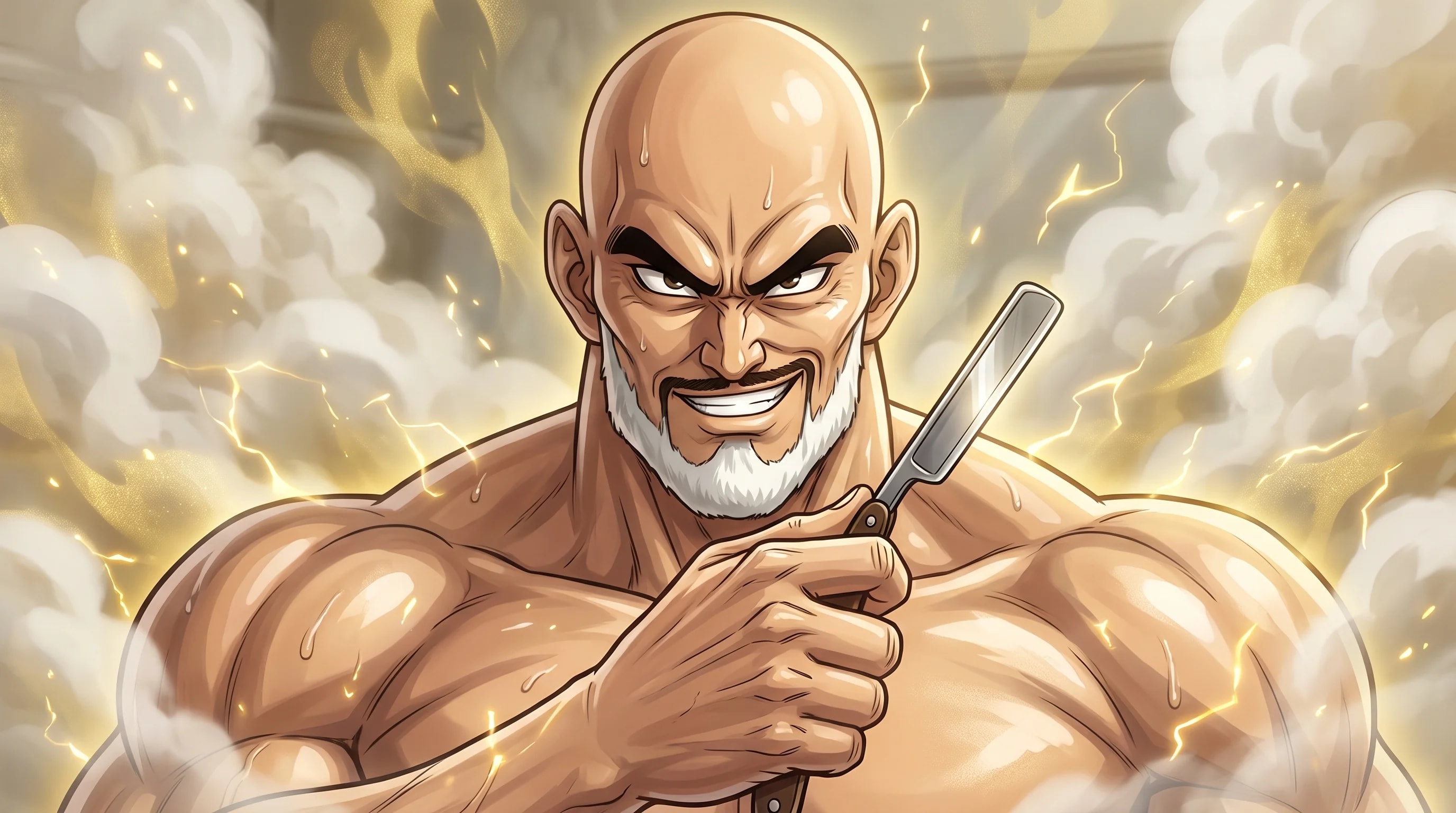
Frieza arrives on Earth with a thousand soldiers, and the initial defense falls to an unlikely coalition. Gohan, Piccolo, Krillin, Tien, Master Roshi, and Jaco the Galactic Patrolman form the front line against Frieza's army. Master Roshi's performance is a particular highlight; the old master fights with a ferocity and skill that surprises everyone, proving that experience and technique can still matter in a world of escalating power levels.
Blue Versus Gold
When Goku and Vegeta finally arrive, the main event begins. Super Saiyan Blue Goku versus Golden Frieza is a visually spectacular clash, with divine blue ki colliding against golden aura in bursts that shake the landscape. Initially, Frieza dominates. His golden form is faster, stronger, and more refined than anything Goku has faced since Beerus. The tyrant savors every moment, punishing Goku for the humiliations he suffered on Namek.
But Golden Frieza carries a fatal flaw. Because Frieza rushed into battle without testing his new form's endurance, his stamina drains at an alarming rate. The golden sheen begins to dull, his movements slow, and the power advantage slips away. Goku recognizes the opening and presses his advantage, but Frieza's pride prevents him from retreating. It is a tragedy of impatience: had Frieza spent even a few more months mastering the form's energy consumption, the outcome could have been very different.
The Prince Takes His Turn
In a satisfying narrative choice, Vegeta gets to deliver the decisive beating. After Goku is caught off guard by a cheap shot from Sorbet's ring laser, Vegeta steps forward in his own Super Saiyan Blue form. The prince dismantles the weakened Frieza with cold efficiency, repaying the tyrant for years of servitude and humiliation. When Frieza destroys the Earth in a final act of spite, Whis rewinds time three minutes, giving Goku the chance to finish Frieza with a point-blank Kamehameha before the planet's destruction can occur.
The Tyrant's Shadow Grows Longer
The Golden Frieza Saga accomplishes something remarkable: it makes Frieza relevant again. After being the franchise's most iconic villain during the Namek arc, Frieza had been relegated to a punchline, easily dispatched by Future Trunks and appearing only in filler or non-canon material. This saga restores his threat level while adding new dimensions to his character. The idea that Frieza's talent is so immense that minimal effort yields godly results reframes him as a permanent fixture in Dragon Ball's power hierarchy.
Super Saiyan Blue's Debut
This saga also serves as the formal introduction of Super Saiyan Blue, the transformation that combines Super Saiyan power with godly ki. While the God of Destruction Beerus Saga introduced divine energy, this is where it becomes a usable combat form for both Goku and Vegeta. The visual design, with its cool blue aura contrasting against Frieza's gold, creates one of the franchise's most striking color rivalries and establishes the aesthetic language of Dragon Ball Super's power system.
The decision to have Whis rewind time to save the Earth is controversial but significant. It establishes that the angels possess abilities far beyond simple combat power, and it introduces consequences for carelessness. Goku's failure to finish Frieza when he had the chance directly leads to the Earth's destruction, and only divine intervention saves the day. The lesson is clear: mercy without vigilance can be catastrophic. It is a theme that Dragon Ball Super would continue to explore as Goku's compassion for his enemies creates both opportunities and disasters.
Related Reading
See all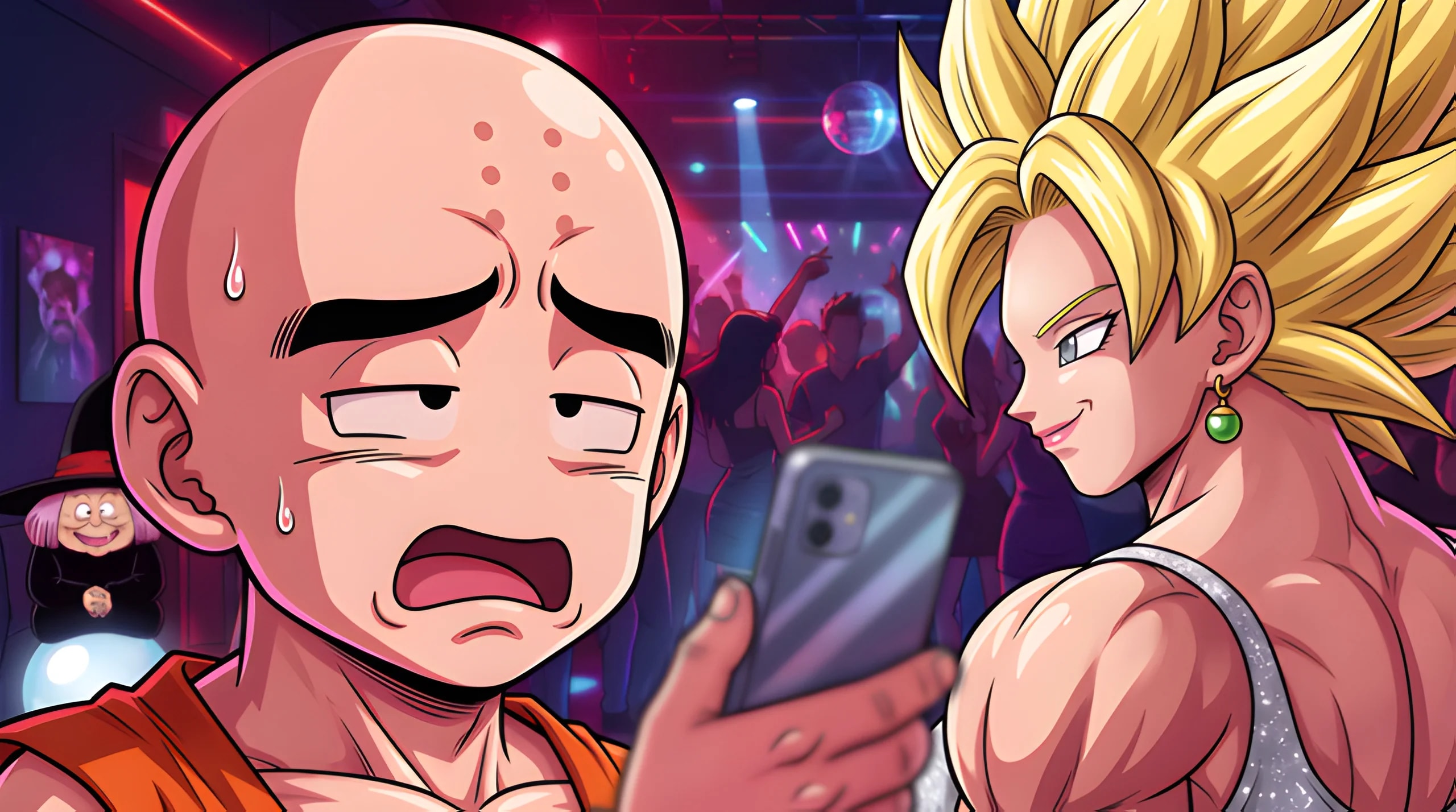
Krillin's on the Tinder: How the Ultimate Short King Survived the Height Filter
Tinder built a height filter. Dragon Ball built a five foot legend. What happened when we sent the ultimate short king into the modern dating hellscape....
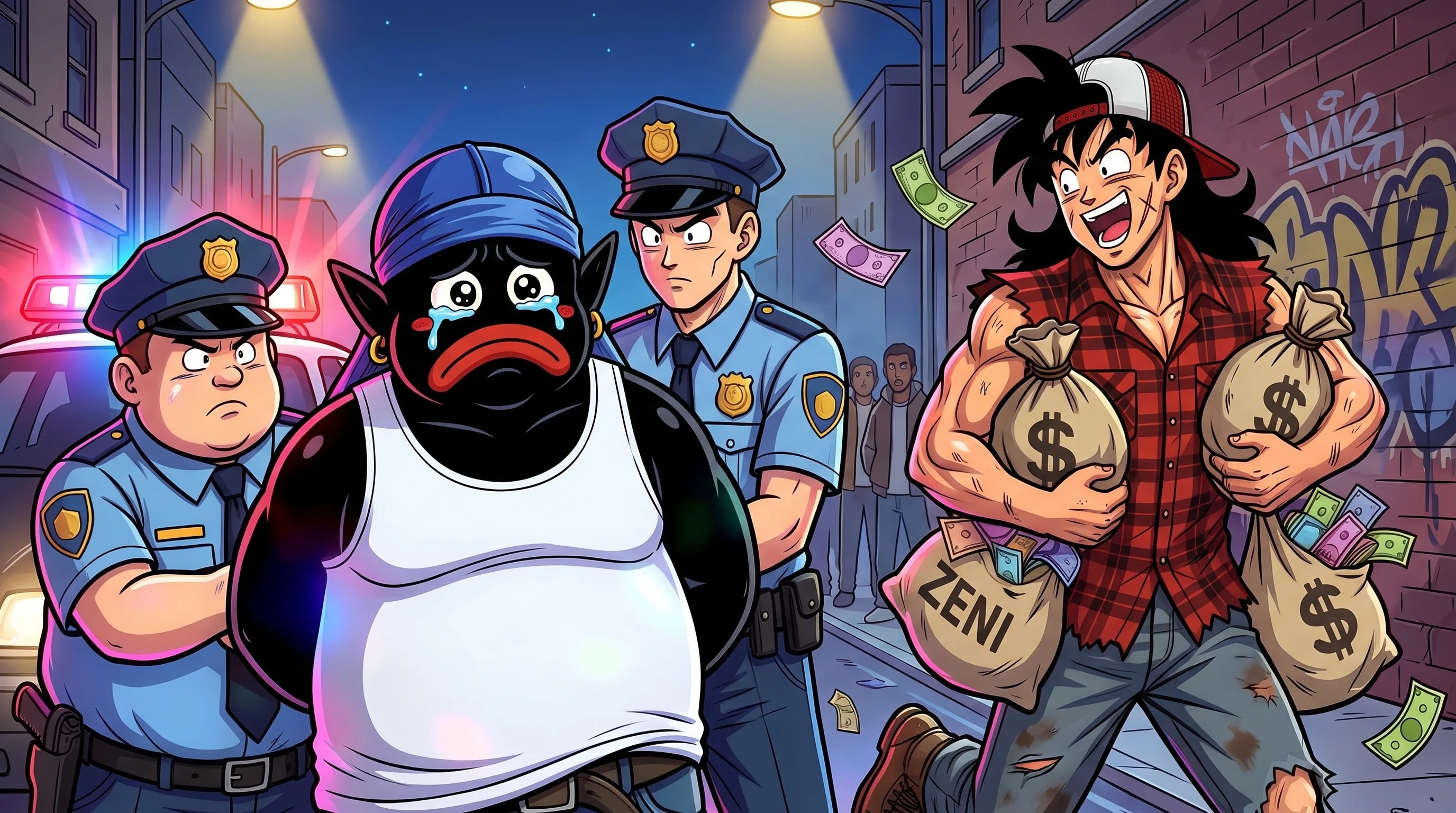
Infinite Zeni Glitch: When Yamcha Never Pays and Mr. Popo Always Does
The internet found an infinite money glitch. So did Yamcha. A smooth R&B track about the easiest money in the Dragon Ball world and the one man who keeps paying for it....
Frequently Asked Questions
What is the name of the golden Frieza Saga?
Frieza is resurrected by his loyal soldiers and achieves a stunning new transformation through four months of training. His Golden Frieza form poses a deadly challenge to Goku and Vegeta, who must rely on their new Super Saiyan Blue power to stop the tyrant's revenge against Earth.
What episodes cover the Golden Frieza Saga?
The Golden Frieza Saga spans episodes 16-27. Frieza is resurrected by his loyal soldiers and achieves a stunning new transformation through four months of training.
What happens in the Golden Frieza Saga?
Frieza's remaining soldiers gather the Dragon Balls and wish him back to life. For the first time in his existence, Frieza actually trains, knowing he needs to surpass the Super Saiyans. In just four months, he achieves a new transformation: Golden Frieza, which puts him on par with Goku's Super Saiyan Blue (a form combining Super Saiyan with divine ki).
Who is the main villain of the Golden Frieza Saga?
The main villain of the Golden Frieza Saga is Golden Frieza. Frieza is resurrected by his loyal soldiers and achieves a stunning new transformation through four months of training.
What series is the Golden Frieza Saga from?
The Golden Frieza Saga appears in Dragon Ball Super. Frieza is resurrected by his loyal soldiers and achieves a stunning new transformation through four months of training.
Sources & Information
Looking for more on Golden Frieza Saga? The Dragon Ball Wiki on Fandom has a dedicated page with community notes.
View on FandomThis content is original writing by Daddy Jim Headquarters based on the Dragon Ball anime series, manga, and official materials. Episode and chapter references are cited where applicable.
Character and scene imagery on this site is original artwork by Daddy Jim Headquarters, not screenshots or licensed imagery. Official cover art is used on three types of pages for editorial commentary:
- Movie pages: theatrical posters and key visuals, credited to Toei Animation and Shueisha.
- Game pages: official box art, credited to Bandai Namco, Atari, and other publishers.
- Manga chapter pages: Jump Comics volume covers, credited to Shueisha and Akira Toriyama.
Browse our episode guides:
Official resources:
Help Us Keep This Wiki Accurate
Daddy Jim Headquarters maintains this encyclopedia. If you spot an error, a translation issue, or something that doesn't look right, let us know.