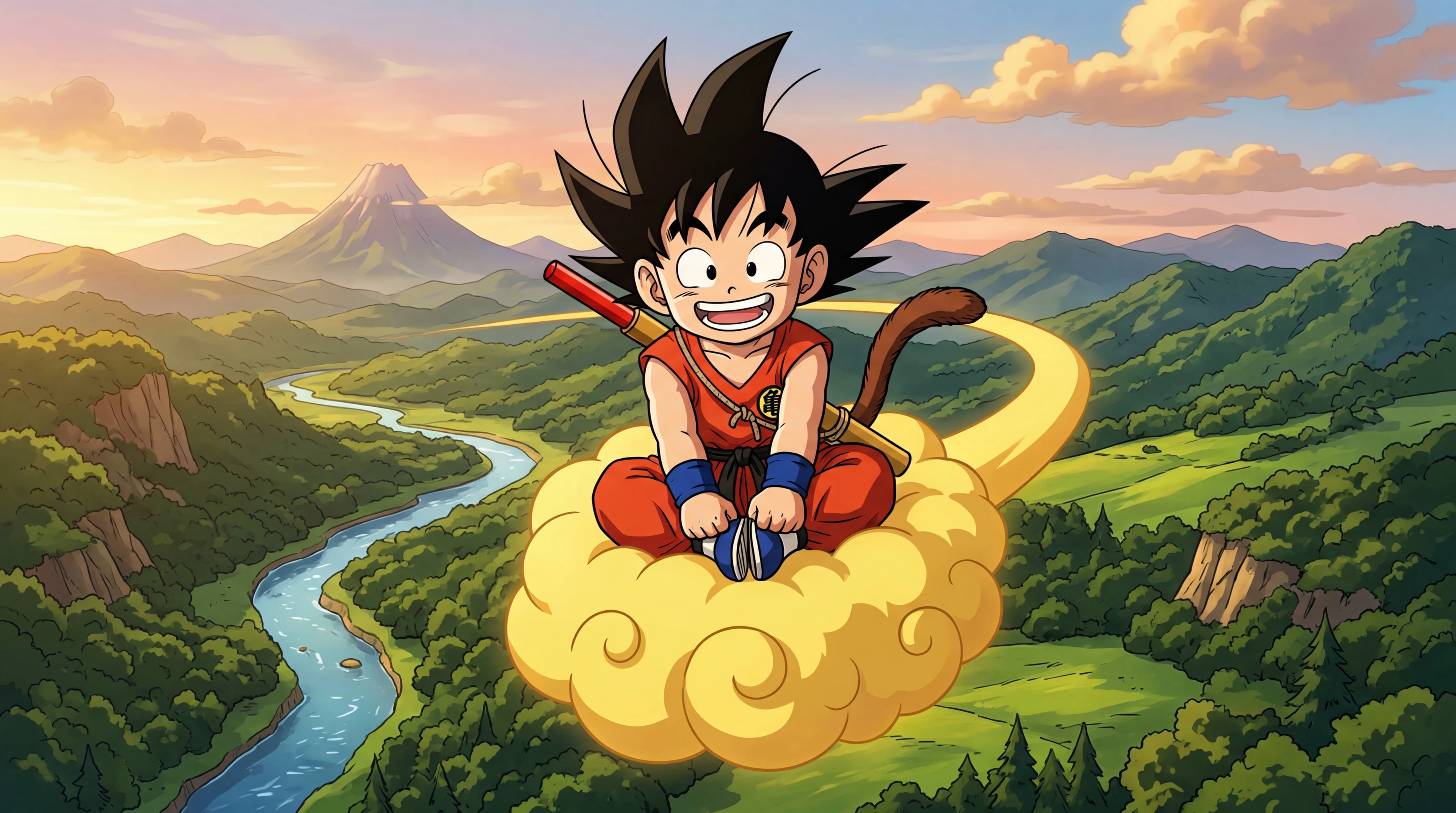
Strongest Form 1
TransformationThe first major powered-up state achieved by Baby after taking full control of Vegeta's body in Dragon Ball GT. Strongest Form 1, also known as Super Baby Vegeta, represents Baby's initial mastery over his Saiyan host, combining Tuffle technology and parasitic ability with Vegeta's enormous Saiyan potential.
Baby's First Ascension
After successfully infiltrating and taking permanent control of Vegeta's body through Tuffleization, Baby possessed one of the most powerful Saiyan bodies in existence. However, simply inhabiting Vegeta was only the beginning. To fully weaponize his host against Goku and the other remaining free fighters, Baby needed to push Vegeta's body beyond its normal limits using his own unique Tuffle abilities.
Strongest Form 1, commonly called Super Baby Vegeta, was the result. By combining the energy Baby had gathered from possessing and draining numerous other fighters on Earth with the Saiyan potential inherent in Vegeta's body, Baby achieved a transformation that exceeded anything Vegeta had demonstrated on his own up to that point in GT. The visual changes were striking: Vegeta's hair turned white rather than the golden blonde of a standard Super Saiyan, and distinctive red facial markings appeared as a signature of Tuffle parasitic influence.
This form served as Baby's primary combat state during the middle portion of the Baby Saga, proving powerful enough to challenge Goku but ultimately insufficient against Goku's own escalating transformations. The realization that Strongest Form 1 was not enough to guarantee victory pushed Baby to seek even greater power, leading to the development of Strongest Form 2.


Frequently Asked Questions
What is Strongest Form 1?
Strongest Form 1 is the first major bulked-up state used by Cell during his Imperfect form arc, achieved through absorbing additional human victims. The form expands his body and raises his output above his initial Imperfect baseline while keeping him short of the Semi-Perfect tier.
How does Strongest Form 1 change Cell?
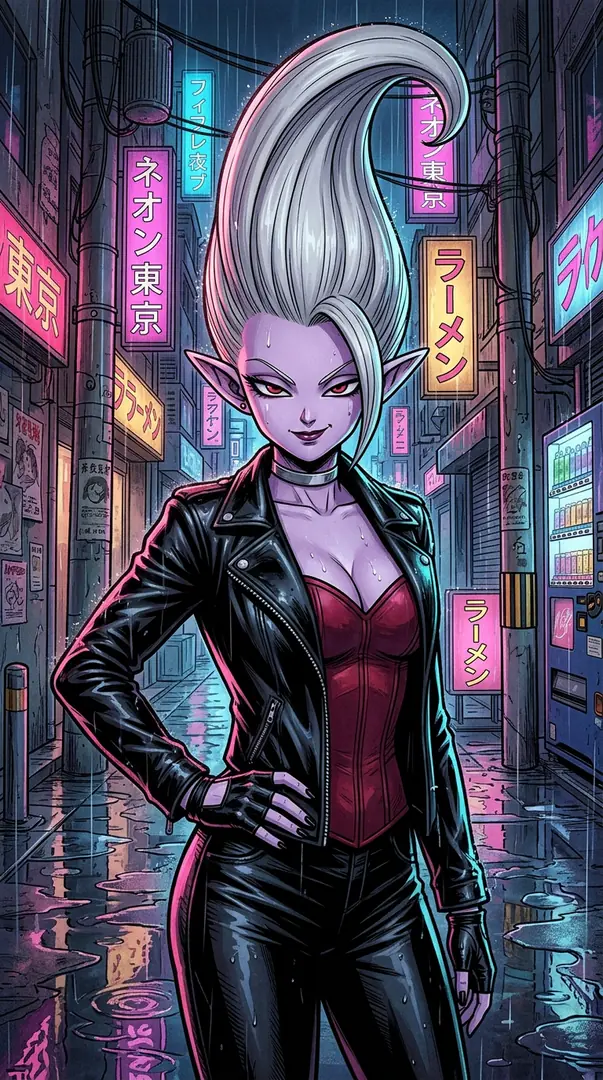
Baby Vegeta's hair turns white and lengthens. Red lines appear on his face as a mark of the Tuffle influence. His eyes take on a more sinister appearance with altered irises. The overall aura becomes more intense with golden-white energy.
What are the requirements for Strongest Form 1?
Baby must have successfully possessed Vegeta's body through Tuffleization and gathered sufficient Blutz Waves or energy from other hosts to trigger the transformation. The form is unique to Baby's Tuffle lineage and cannot be replicated through ordinary Saiyan training.
How strong is Strongest Form 1 compared to Imperfect Cell?
Strongest Form 1 places Baby Vegeta significantly beyond his base possessed state, granting him a clear power jump within his Tuffle line. The form serves as the stepping stone into the stronger Strongest Form 2 and the eventual Golden Great Ape ascension.
What comes after Strongest Form 1?
Strongest Form 1 leads directly into Strongest Form 2, also known as Super Baby 2. From there Baby can ascend further into the Golden Great Ape state once exposed to Blutz Waves, completing his Tuffle transformation chain.
Sources & Information
Looking for more on Strongest Form 1? The Dragon Ball Wiki on Fandom has a dedicated page with community notes.
View on FandomThis content is original writing by Daddy Jim Headquarters based on the Dragon Ball anime series, manga, and official materials. Episode and chapter references are cited where applicable.
Character and scene imagery on this site is original artwork by Daddy Jim Headquarters, not screenshots or licensed imagery. Official cover art is used on three types of pages for editorial commentary:
- Movie pages: theatrical posters and key visuals, credited to Toei Animation and Shueisha.
- Game pages: official box art, credited to Bandai Namco, Atari, and other publishers.
- Manga chapter pages: Jump Comics volume covers, credited to Shueisha and Akira Toriyama.
Browse our episode guides:
Official resources:
Help Us Keep This Wiki Accurate
Daddy Jim Headquarters maintains this encyclopedia. If you spot an error, a translation issue, or something that doesn't look right, let us know.