Haruka Tenou / Sailor Uranus
CharacterIn the 90s anime, Haruka Tenou is a tall, charismatic racer and pianist who transforms into Sailor Uranus, an Outer Guardian whose fierce loyalty to Usagi and Michiru shapes almost every choice she makes.
Occupations
Appearance
Standing taller than any other guardian, Haruka is an older teenager whose short pale hair and dark blue eyes are frequently paired with menswear or unisex outfits, and she rarely bothers to correct anyone who mistakes her for a boy. Her introduction has her in the Mugen boys' winter uniform: a red blazer stamped with the school emblem, a white shirt knotted with a green tie, checkered green trousers, brown loafers, and white socks. A summer variant swaps in a short-sleeved shirt. Her go-to casual look for most of the run is a pale yellow jacket over a green tee, white trousers with a brown belt, leather shoes, and a black cord holding a small gold cross; the palette shifts to gold during Sailor Stars.
Her sailor uniform centers on a chest-armored white leotard trimmed in navy, with a stripeless collar, a puffy-belted skirt, a yellow front bow, loose laced boots, three-layered shoulder pieces, and a gold tiara set with a navy oval gem. The Super upgrade is subtle: a longer back bow, a navy heart on the front, one white stripe added to the collar, a star on the choker, and a wing-like translucent shoulder edge.

Personality
Though committed to Michiru, Haruka teases and flirts with other women almost as sport, something her partner seems content to allow. She can be hotheaded, stubborn, and rigidly certain that the outers' methods are the only ones that work, a stance most visible during the Super arc. She guards the people she cares about fiercely, throwing herself into danger for Michiru, Usagi, or Chibiusa, whose futures as queen and princess she treats as sacred, yet she stays wary of newcomers and hides her real agenda even from allies, at one point seizing Usagi's brooch to keep her out of a fight.
For all that intensity, she usually carries a loose, unbothered air and is often the calmest head in the room, rarely rattled unless provoked or thwarted. She sometimes turns battle into a kind of race, taunting Daimons and Phages as if they were rivals on a track. Her hunger for speed runs deep and traces back to a younger self trying to outrun her own destiny as a guardian, feeding her love of racing, motorcycles, and sprinting.
Related Reading
See all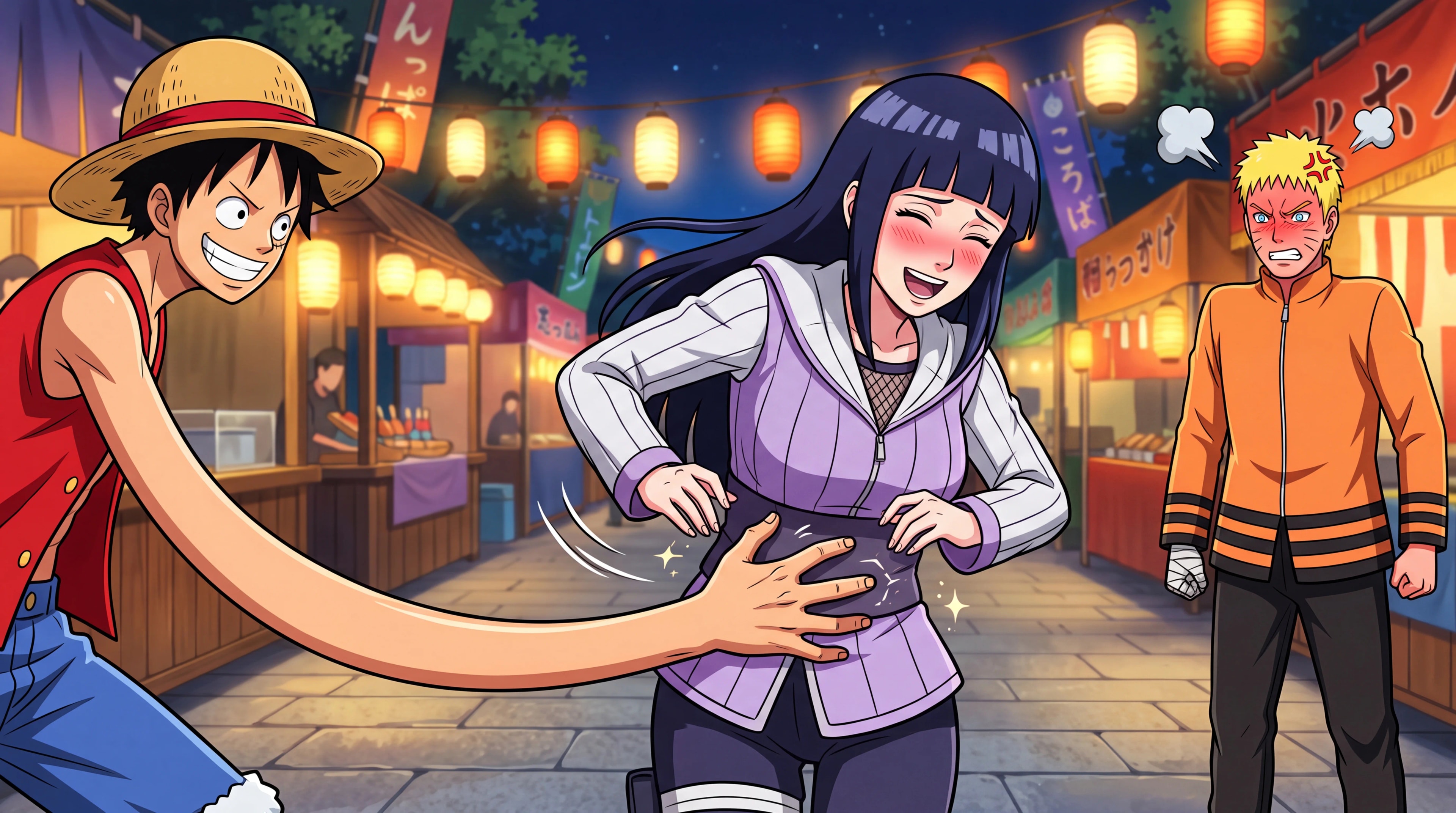
Naruto vs Luffy: Does the Fight Change if Luffy Tickles Hinata?
Naruto vs Luffy with the twist nobody asked for: Luffy tickled Hinata on date night, and she kind of liked it. We break down the whole fight and commit to a winner....
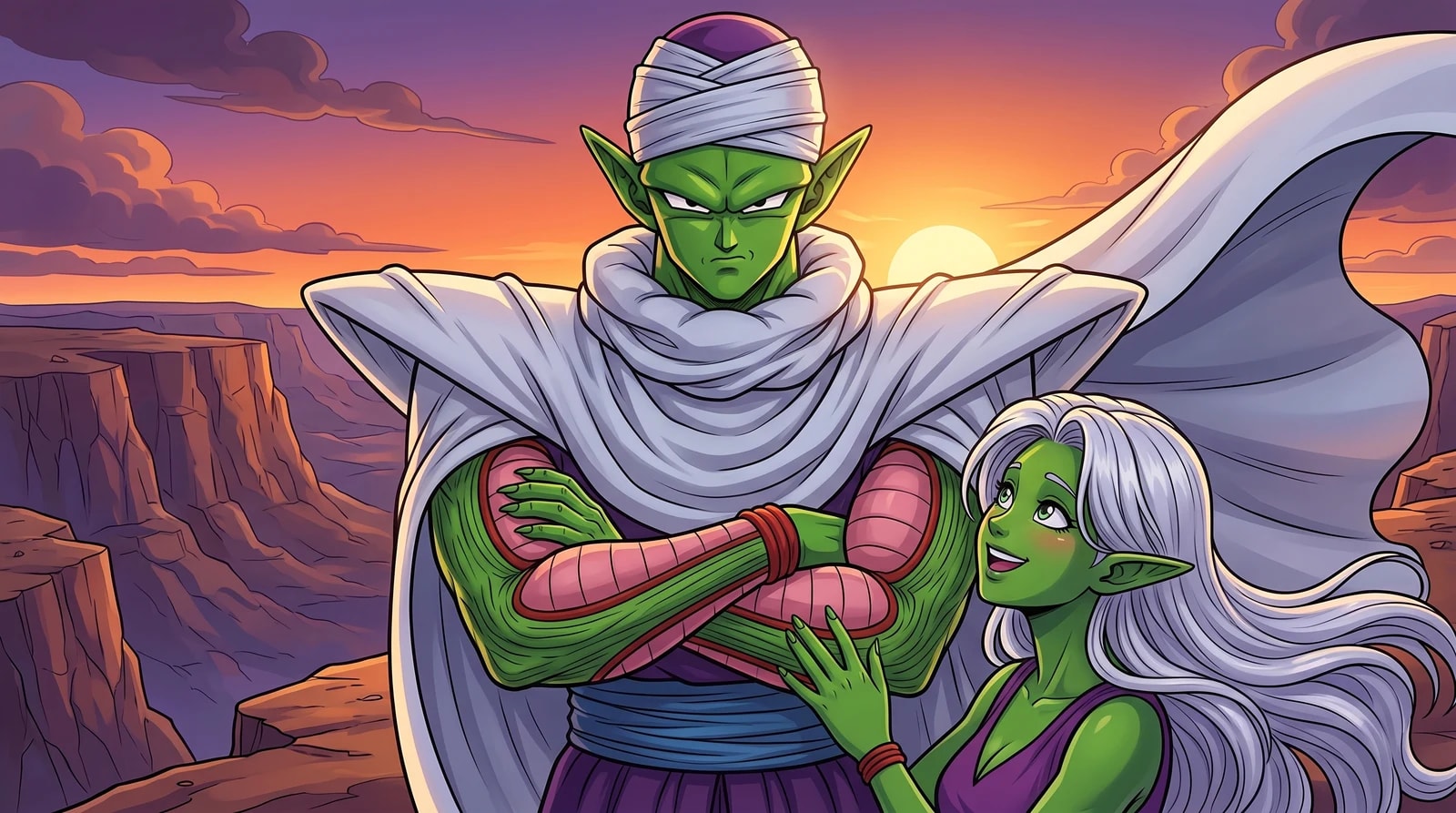
Namek Has No Women, and Piccolo Pulls Anyway
There are no women on Namek. That isn't an oversight, it's the biology. Why we handed Piccolo the one thing his own species rules out, and why it had to be trap soul....
History
Haruka only appears as a silhouette teasing the third season during Sailor Moon R. Her real debut comes in the Super arc, when she challenges and beats Minako at a racing game and both younger girls swoon over her boyish looks, only to be floored when Michiru later reveals Haruka is a woman. She and Michiru soon transform mid-air off-screen to chase a Daimon, appearing before the shocked Inners as Uranus and Neptune with World Shaking and Deep Submerge. Across the SuperS specials and film she appears in her standard sailor form alongside Michiru and Setsuna.
Returning to Azabu-Juban for the final season, she and Michiru fight the Mirror Paredri, reunite with a living Sailor Pluto now caring for baby Hotaru, and are all upgraded to Super forms when Hotaru grants them strength. Raising Hotaru together, Haruka pushes the child's growing precognition past its limit in her desperation to see what is coming. Through the Galaxia arc she is relentlessly suspicious of the Three Lights and blocks the Starlights from teaming with Sailor Moon. When Galaxia begins destroying Earth, Haruka and the outers confront her only after the others fall, and finding their power hopelessly short, Haruka accepts Galaxia's bracelets, reasoning that any sin is worth staying beside Michiru, and the two take up the offer and turn on Pluto and Saturn. In combat she wields World Shaking and Space Sword Blaster, drawing on her Space Sword and communicator.
Frequently Asked Questions
Is Haruka Sailor Uranus?
Yes. In the 90s Sailor Moon anime, Haruka Tenou is a charismatic racer and pianist who transforms into Sailor Uranus, one of the Outer Guardians.
Who is Sailor Uranus's girlfriend?
In the 90s anime, Sailor Uranus's girlfriend is Michiru Kaiou, who fights beside her as Sailor Neptune and tolerates Haruka's flirting with other women as harmless.
Was Sailor Uranus in love with Sailor Moon?
No. Sailor Uranus is committed to Michiru Kaiou throughout the anime; her fierce protectiveness toward Usagi comes from treating her future as queen as sacred, not romantic love.
Does Haruka love Usagi?
Haruka Tenou guards Usagi fiercely and throws herself into danger for her in the anime, but this is guardian loyalty rather than romance. Haruka's committed partner is Michiru Kaiou.
Why is Haruka Tenou often mistaken for a boy?
Haruka Tenou favors menswear and unisex outfits and rarely bothers to correct anyone who mistakes her for a boy, an impression reinforced when she first appears in the Mugen Academy boys' uniform.
Sources & Information
Looking for more on Haruka Tenou / Sailor Uranus? The Sailor Moon Wiki on Fandom has a dedicated page with community notes.
View on FandomThis content is original writing by Daddy Jim Headquarters based on the Sailor Moon anime series, manga, and official materials. Sailor Moon was created by Naoko Takeuchi, published by Kodansha, and animated by Toei Animation. All rights to Sailor Moon and its characters belong to their respective owners. Episode and chapter references are cited where applicable.
Rights holders
- Created byNaoko Takeuchi
- Published byKodansha
- Animated byToei Animation
All rights belong to their respective owners.
Character and scene imagery on this site is original artwork by Daddy Jim Headquarters, not screenshots or licensed imagery. Official cover art is used on three types of pages for editorial commentary:
- Movie pages: theatrical posters and key visuals, credited to Toei Animation and Kodansha.
- Game pages: official box art, credited to the game's respective publishers.
- Manga chapter pages: volume covers, credited to Kodansha and Naoko Takeuchi.
Official resources:
Help Us Keep This Wiki Accurate
Daddy Jim Headquarters maintains this encyclopedia. If you spot an error, a translation issue, or something that doesn't look right, let us know.