Seven-Three
CharacterSeven-Three, designated OG73-i, is an advanced artificial soldier with the ability to copy any fighter's techniques and abilities by touching their neck. He plays a key role in the Galactic Patrol Prisoner Saga of Dragon Ball Super.
Role in the Story
Seven-Three was originally built as an OG Soldier for Goichi's Army before being recruited into Moro's Galactic Bandit Brigade. His defining ability is the power to copy another being's techniques, transformations, and energy signature by making physical contact with their neck. He can store up to three copied power sets at a time, each usable for thirty minutes.
During the invasion of Earth, Seven-Three copies the abilities of Piccolo, gaining access to regeneration and the Special Beam Cannon, which makes him an extremely dangerous opponent. He also copies Moro's magic at one point, demonstrating just how versatile and threatening his replication technology can be.
Seven-Three's most significant narrative role comes when Moro absorbs him entirely, using the android's copy ability to gain access to every technique Seven-Three had ever stored. This fusion transforms Moro into an almost unstoppable force, as he gains access to an enormous library of stolen powers. The battle that follows pushes Goku to master Ultra Instinct in order to save the Earth.

Copy Ability
Seven-Three's copy technology represents one of the most broken abilities in the Dragon Ball Super manga. By grabbing an opponent's neck, he downloads their full combat profile: energy output, special attacks, and even physical transformations. The thirty-minute time limit on each copy and the three-slot storage cap are the only meaningful restrictions. This design makes Seven-Three less of a fighter in his own right and more of a weapon platform, capable of deploying whatever abilities the situation demands.
Related Reading
See all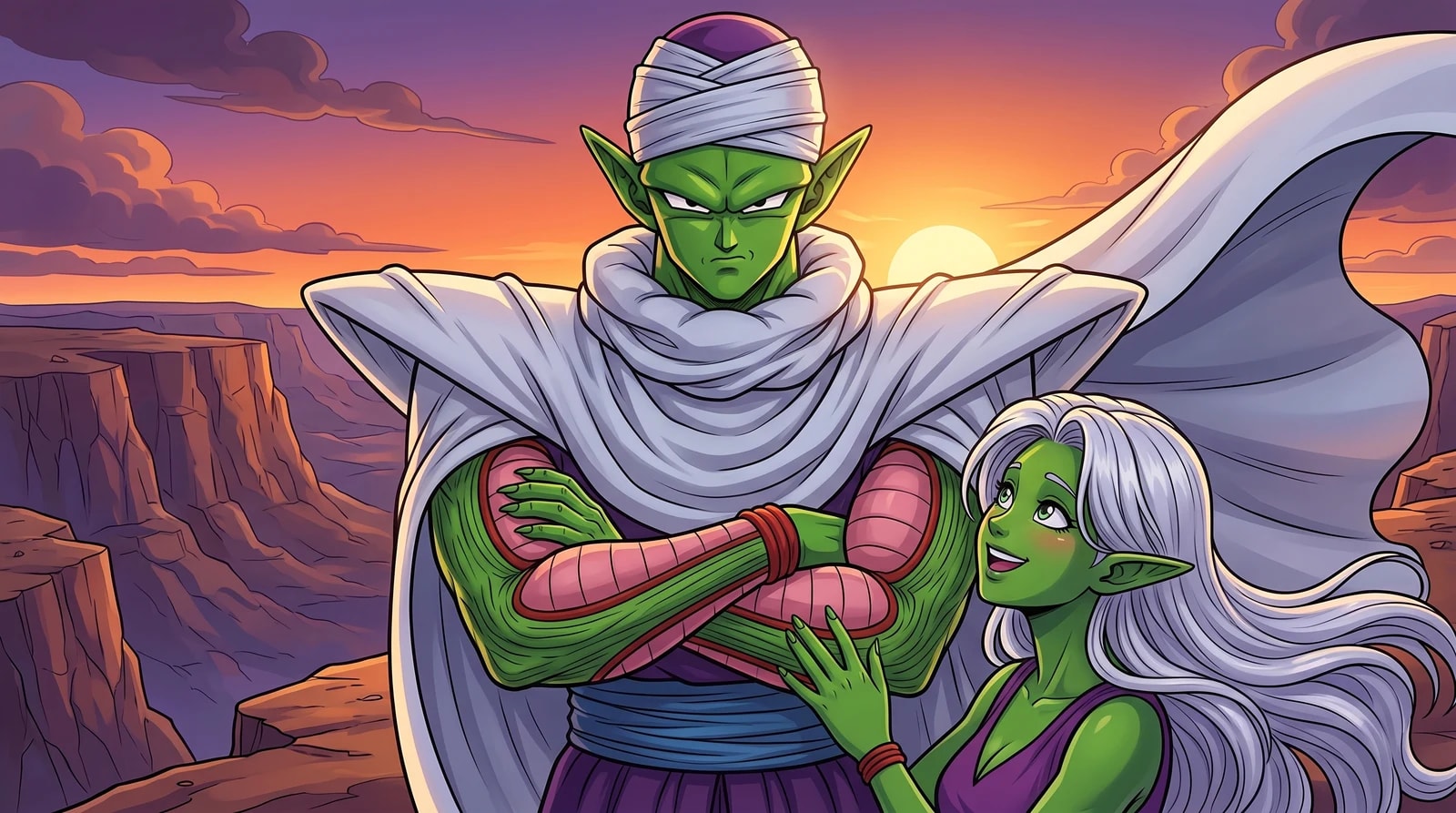
Namek Has No Women, and Piccolo Pulls Anyway
There are no women on Namek. That isn't an oversight, it's the biology. Why we handed Piccolo the one thing his own species rules out, and why it had to be trap soul....
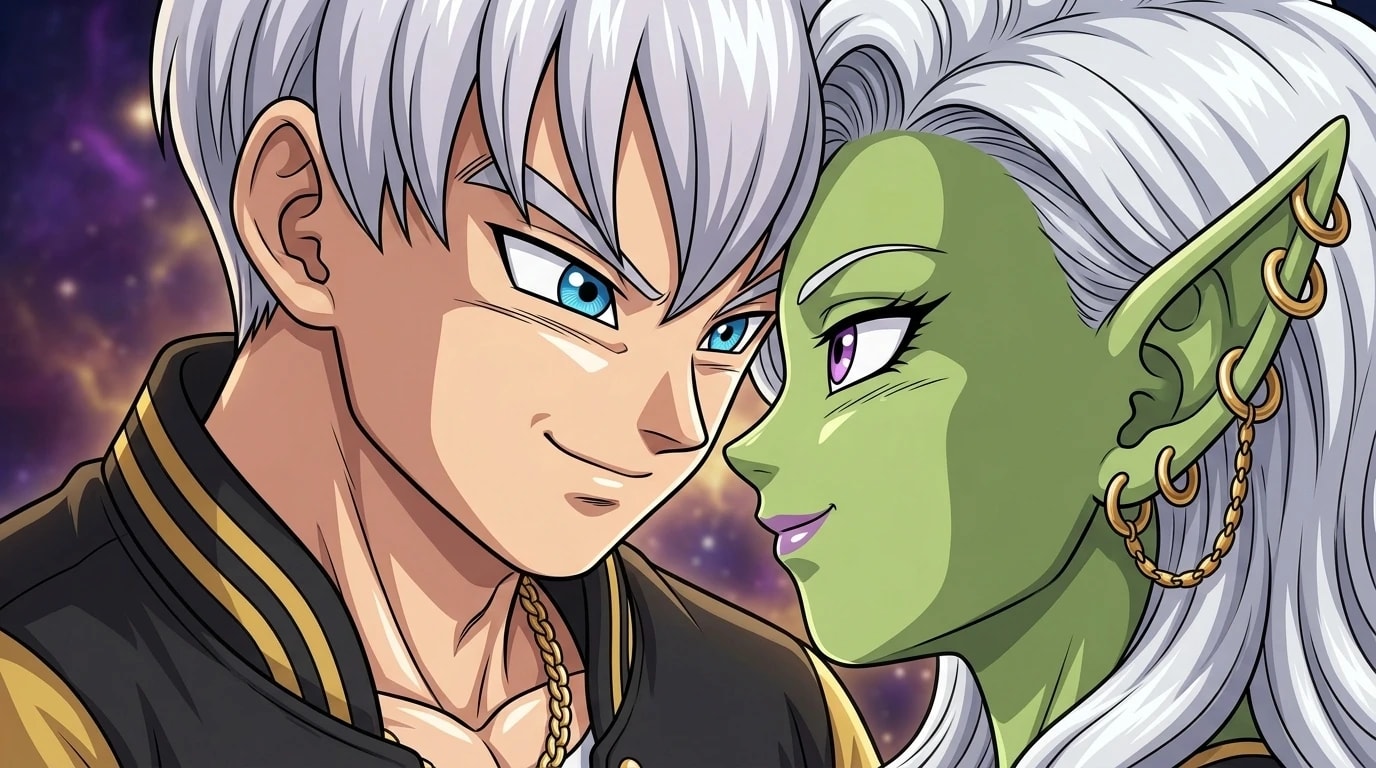
1000 Times Over: Who Is John Dragon Ball Singing To?
Dragon Ball handed us a protagonist with no history and the internet named him John Dragon Ball. So we built him somebody to talk to....
Frequently Asked Questions
Who is Seven-Three in Dragon Ball?
Seven-Three, designated OG73-i, is an advanced artificial soldier originally built for Goichi's Army before being recruited into Moro's Galactic Bandit Brigade in the Galactic Patrol Prisoner Saga of Dragon Ball Super. His defining ability is copying any fighter's techniques, transformations, and energy signature by touching their neck.
How many powers can Seven-Three copy at once?
Seven-Three can store up to three copied power sets at a time, with each set usable for thirty minutes. The copy is taken by making physical contact with the target's neck, after which Seven-Three gains access to that fighter's techniques and transformations until the timer expires.
Who did Moro absorb in Dragon Ball Super?
Moro absorbs Seven-Three during the climax of the Galactic Patrol Prisoner Saga, gaining direct access to every technique the android had ever stored. This fusion transforms Moro into a near-unstoppable threat and pushes Goku to master Ultra Instinct in order to defeat him.
Whose powers does Seven-Three copy?
During the invasion of Earth, Seven-Three copies Piccolo's abilities, gaining access to regeneration and the Special Beam Cannon, which makes him an extremely dangerous opponent. He also copies Moro's magic at one point, demonstrating just how versatile his replication technology can be.
Where did Seven-Three come from?
Seven-Three was originally manufactured as an OG Soldier for Goichi's Army before being acquired by Moro's Galactic Bandit Brigade. He functions as a designed copy weapon rather than an organic warrior, and his model designation OG73-i reflects his origin in the OG Soldier line.
Sources & Information
Looking for more on Seven-Three? The Dragon Ball Wiki on Fandom has a dedicated page with community notes.
View on FandomThis content is original writing by Daddy Jim Headquarters based on the Dragon Ball anime series, manga, and official materials. Episode and chapter references are cited where applicable.
Rights holders
- Created byAkira Toriyama
- Published byShueisha
- Animated byToei Animation
All rights belong to their respective owners.
Character and scene imagery on this site is original artwork by Daddy Jim Headquarters, not screenshots or licensed imagery. Official cover art is used on three types of pages for editorial commentary:
- Movie pages: theatrical posters and key visuals, credited to Toei Animation and Shueisha.
- Game pages: official box art, credited to Bandai Namco, Atari, and other publishers.
- Manga chapter pages: Jump Comics volume covers, credited to Shueisha and Akira Toriyama.
Browse our episode guides:
Official resources:
Help Us Keep This Wiki Accurate
Daddy Jim Headquarters maintains this encyclopedia. If you spot an error, a translation issue, or something that doesn't look right, let us know.