Frieza reveals he has been fighting at a fraction of his true strength and powers up to fifty percent, immediately turning the tide against Goku. On King Kai's Planet, the dead warriors sense the shift with dread. Captain Ginyu, hiding in Bulma's body, nearly blows his cover among Goku's allies.
Fifty Percent of Oblivion
After his humiliation at having to use his hands, Frieza drops the games entirely. He offers Goku one final chance to join him or die, and when Goku predictably refuses, Frieza unveils a terrifying truth: both fighters have been holding back, and Frieza claims that merely half of his full power will be more than enough to destroy the Saiyan. Goku, believing this to be a bluff, allows the tyrant to power up.
It is not a bluff. Frieza ascends to fifty percent of his maximum output and the difference is staggering. Where Goku once traded blows evenly, he now finds himself completely outclassed. Frieza batters him across the Namekian landscape with contemptuous ease, each hit a reminder that the gap between them has become a chasm. On King Kai's Planet, Tien expresses confidence that Goku's Kaio-ken should turn things around, only for King Kai to drop a devastating revelation: Goku has already been using the Kaio-ken at ten times its base power this entire time.
Meanwhile, Captain Ginyu arrives at the battlefield in Bulma's stolen body, joining Gohan, Krillin, and Piccolo as they watch the fight from a distance. The trio initially accepts him as Bulma, but Ginyu's strange behavior and glee at seeing Goku lose raise suspicion. When Piccolo confronts the impostor, Ginyu spreads his arms, preparing to switch bodies again. On Earth, Chi-Chi's rescue mission ends in comedy as the Capsule Corporation ship malfunctions before takeoff.

The Bluff That Wasn't
This episode delivers one of the Frieza Saga's most psychologically devastating moments. Goku's decision to let Frieza power up is rooted in Saiyan pride and a fighter's desire to face his opponent at full strength. It is a trait that defines Goku throughout Dragon Ball, and here it backfires catastrophically. The revelation that his Kaio-ken was already active at ten times multiplied force reframes every exchange we have seen so far, making Frieza's casual dominance feel genuinely hopeless.
King Kai's reaction is the audience's reaction: pure, unfiltered dread. If the technique that once defeated Nappa in a single blow cannot even keep Goku competitive, what can?
Related Reading
See all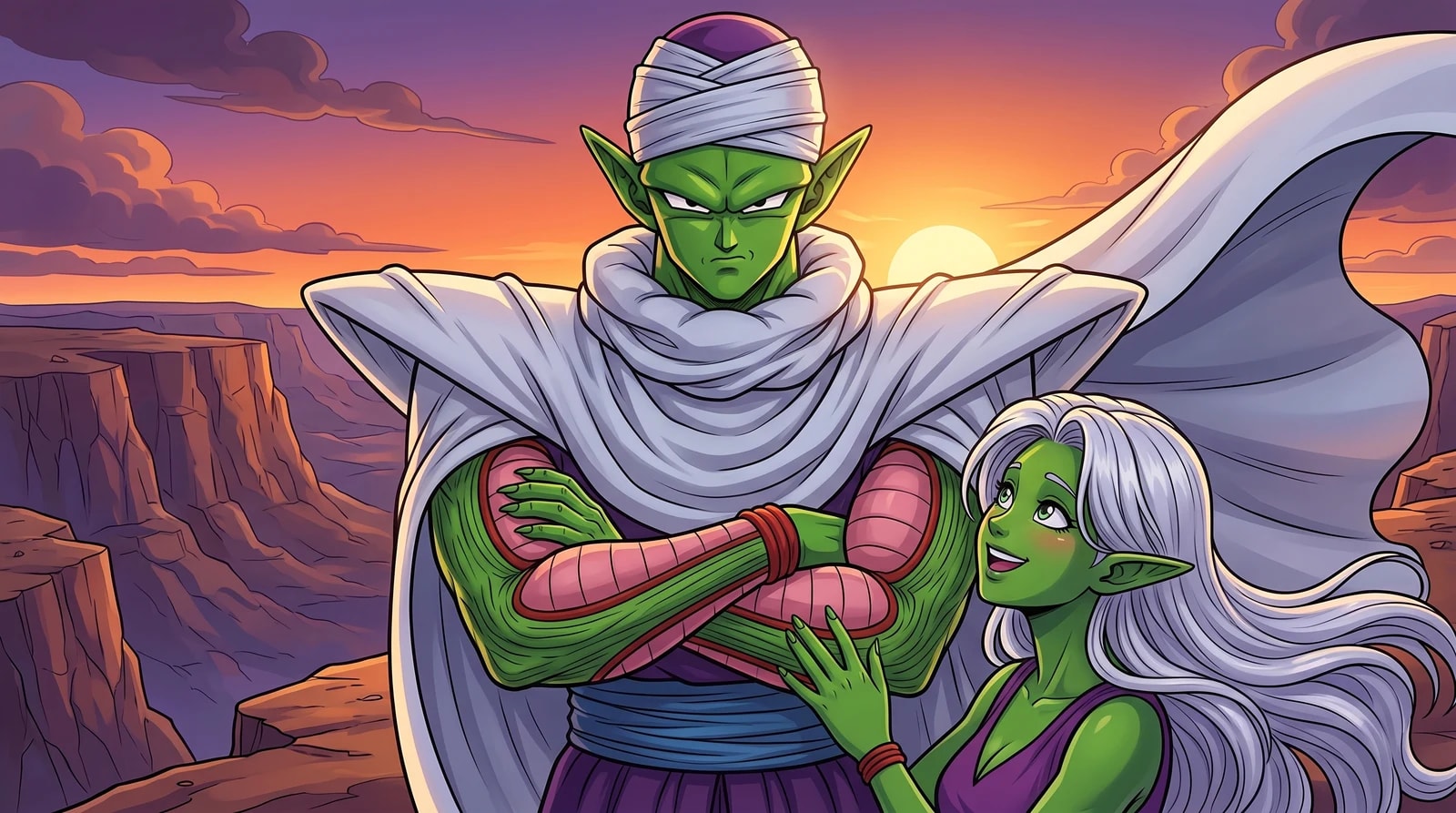
Namek Has No Women, and Piccolo Pulls Anyway
There are no women on Namek. That isn't an oversight, it's the biology. Why we handed Piccolo the one thing his own species rules out, and why it had to be trap soul....
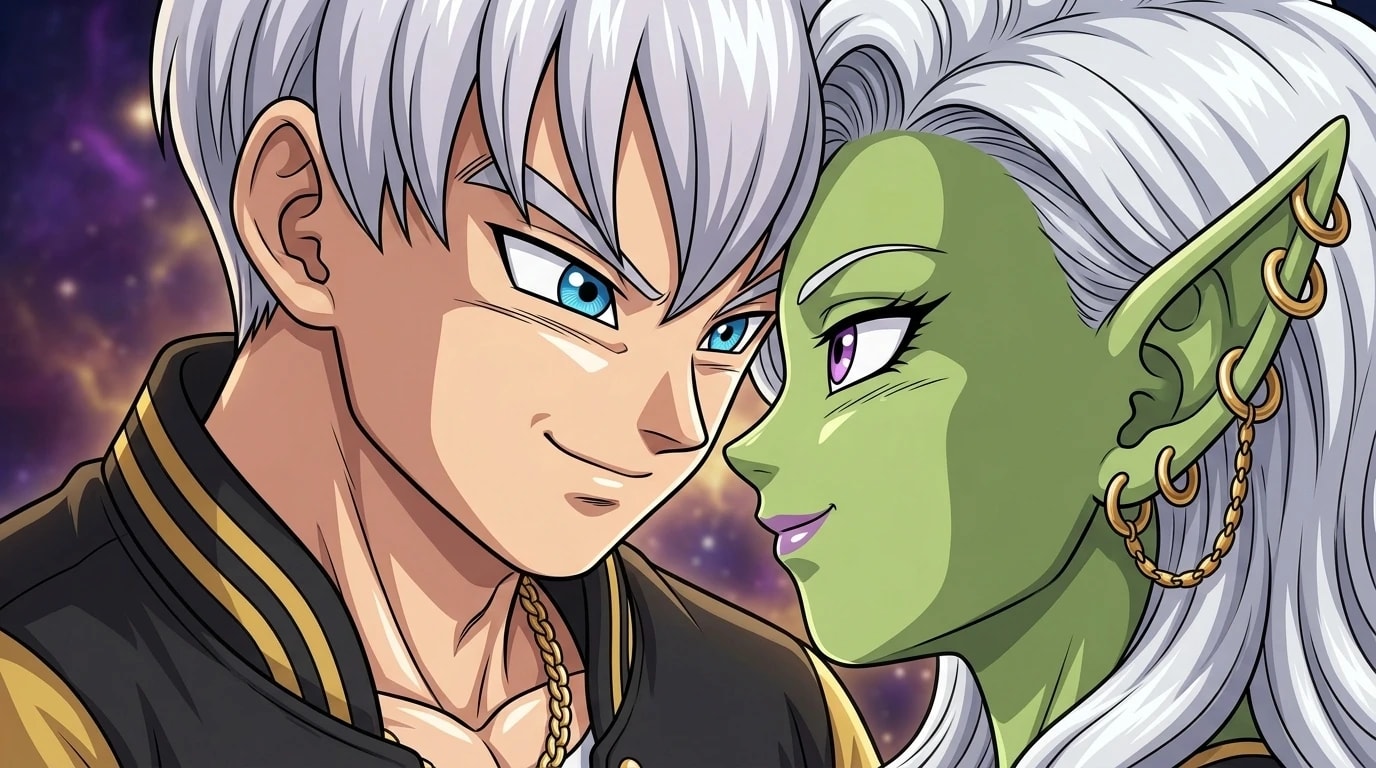
1000 Times Over: Who Is John Dragon Ball Singing To?
Dragon Ball handed us a protagonist with no history and the internet named him John Dragon Ball. So we built him somebody to talk to....
Power Levels and Perspective
Frieza's decision to fight at exactly fifty percent is a narrative masterstroke by Toriyama. It tells the audience that even if Goku somehow overcomes this version of Frieza, there is an entire second half of power waiting. The number itself became iconic in the fandom, spawning countless memes and references across anime culture.
In an anime-only addition, Frieza names the Saiyans he previously killed, including Vegeta, King Vegeta, and Bardock. This gives the conflict additional weight by connecting Goku to the broader Saiyan genocide, even though he grew up knowing nothing about his heritage. It transforms the fight from a personal duel into something that carries the weight of an entire extinct civilization.
Frequently Asked Questions
What is the Dragon Ball episode "Bold and Fearless"?
Frieza reveals he has been fighting at a fraction of his true strength and powers up to fifty percent, immediately turning the tide against Goku. On King Kai's Planet, the dead warriors sense the shift with dread. Captain Ginyu, hiding in Bulma's body, nearly blows his cover among Goku's allies.
Which Dragon Ball series is "Bold and Fearless" from?
"Bold and Fearless" is episode 90 of Dragon Ball Z. Frieza reveals he has been fighting at a fraction of his true strength and powers up to fifty percent, immediately turning the tide against Goku.
How does "Bold and Fearless" begin?
After his humiliation at having to use his hands, Frieza drops the games entirely. He offers Goku one final chance to join him or die, and when Goku predictably refuses, Frieza unveils a terrifying truth: both fighters have been holding back, and Frieza claims that merely half of his full power will be more than enough to destroy the Saiyan. Goku, believing this to be a bluff, allows the tyrant to power up.
What is the middle act of "Bold and Fearless"?
This episode delivers one of the Frieza Saga's most psychologically devastating moments. Goku's decision to let Frieza power up is rooted in Saiyan pride and a fighter's desire to face his opponent at full strength. It is a trait that defines Goku throughout Dragon Ball, and here it backfires catastrophically.
How does "Bold and Fearless" end?
In an anime-only addition, Frieza names the Saiyans he previously killed, including Vegeta, King Vegeta, and Bardock. This gives the conflict additional weight by connecting Goku to the broader Saiyan genocide, even though he grew up knowing nothing about his heritage. It transforms the fight from a personal duel into something that carries the weight of an entire extinct civilization.
Sources & Information
Looking for more on Bold and Fearless? The Dragon Ball Wiki on Fandom has a dedicated page with community notes.
View on FandomThis content is original writing by Daddy Jim Headquarters based on the Dragon Ball anime series, manga, and official materials. Episode and chapter references are cited where applicable.
Rights holders
- Created byAkira Toriyama
- Published byShueisha
- Animated byToei Animation
All rights belong to their respective owners.
Character and scene imagery on this site is original artwork by Daddy Jim Headquarters, not screenshots or licensed imagery. Official cover art is used on three types of pages for editorial commentary:
- Movie pages: theatrical posters and key visuals, credited to Toei Animation and Shueisha.
- Game pages: official box art, credited to Bandai Namco, Atari, and other publishers.
- Manga chapter pages: Jump Comics volume covers, credited to Shueisha and Akira Toriyama.
Browse our episode guides:
Official resources:
Help Us Keep This Wiki Accurate
Daddy Jim Headquarters maintains this encyclopedia. If you spot an error, a translation issue, or something that doesn't look right, let us know.