Ginyu's body-swap scheme collapses when Gohan throws Bulma's frog body into the beam, restoring everyone to normal. On the battlefield, Frieza nearly drowns Goku, but a horrifying vision of his loved ones dying ignites a desperate Kaio-ken x20 Kamehameha that singes the tyrant's palm.
Burning at Twenty Times the Limit
The Ginyu body-swap subplot reaches its conclusion in chaotic fashion. Ginyu, still wearing Bulma's body, blows his cover and attacks Krillin in a last-ditch attempt to rejoin Frieza. When that fails spectacularly, he prepares to switch bodies with Piccolo. Quick-thinking Gohan grabs Bulma, who is still trapped in the Namekian frog's body, and hurls her into the path of Ginyu's Body Change beam. The technique fires, and both Ginyu and Bulma return to their original forms. Ginyu is once again a helpless frog, and Bulma barely has time to celebrate before the shockwaves from the main battle send her flying.
That main battle has turned into a nightmare for Goku. Frieza's fifty-percent power proves overwhelming, and the tyrant pummels the Saiyan without mercy. The beating crescendos when Frieza forces Goku beneath the surface of a lake and holds him under, slowly drowning him. As consciousness fades, Goku experiences a terrifying vision: Frieza slaughtering Chi-Chi, Gohan, his friends, and finally obliterating the Earth itself.
The vision jolts Goku awake with volcanic fury. He erupts from the water, channels every ounce of his remaining strength, and pushes the Kaio-ken to an unprecedented twenty times its base power. The surge of energy topples Frieza, and Goku follows up with a massive Kaio-ken Kamehameha fired point-blank. Frieza tries to block it with one hand and absorbs the full force of the blast. When the smoke clears, Frieza stands with nothing more than a burned palm. The attack that nearly destroyed Goku's body barely scratched his opponent.

Desperation as a Catalyst
The nightmare sequence is anime-original, but it serves a vital narrative function. Rather than having Goku simply decide to push beyond his limits, the vision provides an emotional trigger that makes his escalation feel earned. He is not fighting for pride or glory. He is fighting because the alternative is watching everyone he loves die.
The Kaio-ken x20 Kamehameha represents the absolute ceiling of Goku's pre-transformation abilities. Every multiplier, every technique he has learned from King Kai, is thrown into a single devastating strike, and it fails. That failure is the point. It establishes definitively that conventional power, no matter how amplified, cannot defeat Frieza. Something else entirely will be needed.
Related Reading
See all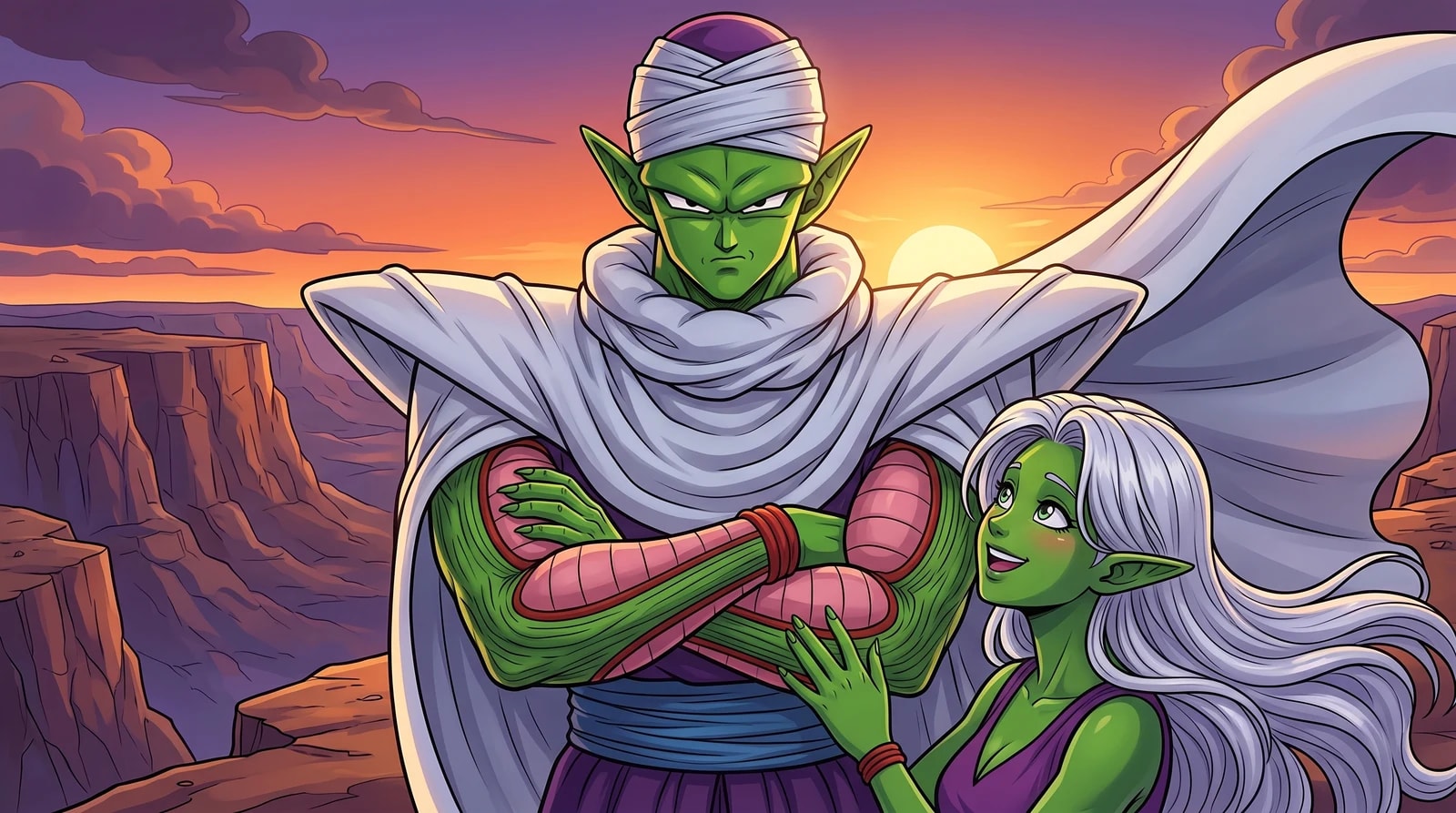
Namek Has No Women, and Piccolo Pulls Anyway
There are no women on Namek. That isn't an oversight, it's the biology. Why we handed Piccolo the one thing his own species rules out, and why it had to be trap soul....
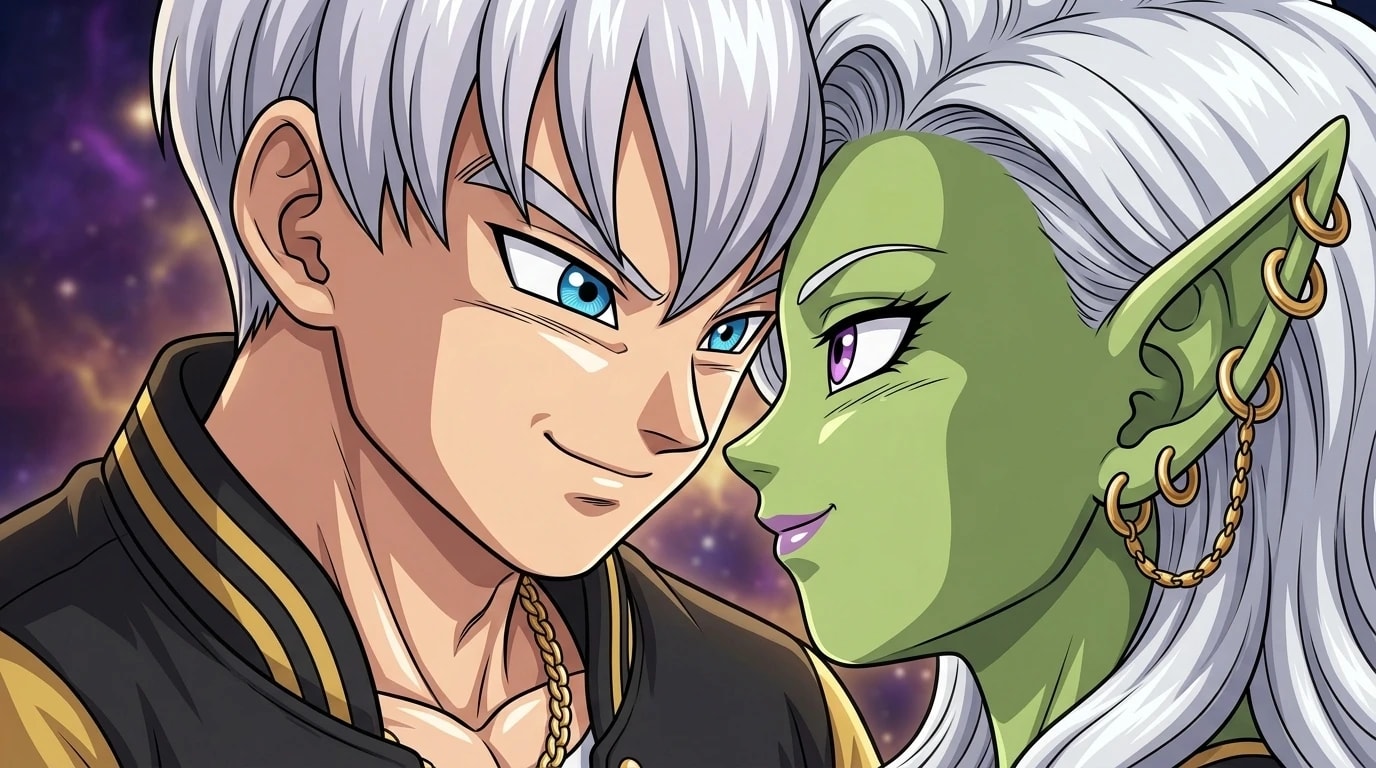
1000 Times Over: Who Is John Dragon Ball Singing To?
Dragon Ball handed us a protagonist with no history and the internet named him John Dragon Ball. So we built him somebody to talk to....
Setting the Stage for Legend
The title "Embodiment of Fire" captures both the literal intensity of Goku's Kamehameha and the figurative fire of his will to survive. The Japanese title is even more explicit, referencing the twenty-fold Kaio-ken Kamehameha directly.
Launch makes a brief cameo appearance in Goku's nightmare, one of her very few appearances after the early Namek Saga. She would not show up again until the Kid Buu Saga. Interestingly, Dragon Ball Z Kai removed her from the vision entirely despite including her in the ending credits sequence. Several other supporting characters like Kami, Korin, and Mr. Popo also appear, grounding Goku's motivation in the full breadth of his relationships.
Frequently Asked Questions
What is the Dragon Ball episode "Embodiment of Fire"?
Ginyu's body-swap scheme collapses when Gohan throws Bulma's frog body into the beam, restoring everyone to normal. On the battlefield, Frieza nearly drowns Goku, but a horrifying vision of his loved ones dying ignites a desperate Kaio-ken x20 Kamehameha that singes the tyrant's palm.
Which Dragon Ball series is "Embodiment of Fire" from?
"Embodiment of Fire" is episode 91 of Dragon Ball Z. Ginyu's body-swap scheme collapses when Gohan throws Bulma's frog body into the beam, restoring everyone to normal.
How does "Embodiment of Fire" begin?
The Ginyu body-swap subplot reaches its conclusion in chaotic fashion. Ginyu, still wearing Bulma's body, blows his cover and attacks Krillin in a last-ditch attempt to rejoin Frieza. When that fails spectacularly, he prepares to switch bodies with Piccolo.
What is the middle act of "Embodiment of Fire"?
The nightmare sequence is anime-original, but it serves a vital narrative function. Rather than having Goku simply decide to push beyond his limits, the vision provides an emotional trigger that makes his escalation feel earned. He is not fighting for pride or glory.
How does "Embodiment of Fire" end?
She would not show up again until the Kid Buu Saga. Interestingly, Dragon Ball Z Kai removed her from the vision entirely despite including her in the ending credits sequence. Several other supporting characters like Kami, Korin, and Mr. Popo also appear, grounding Goku's motivation in the full breadth of his relationships.
Sources & Information
Looking for more on Embodiment of Fire? The Dragon Ball Wiki on Fandom has a dedicated page with community notes.
View on FandomThis content is original writing by Daddy Jim Headquarters based on the Dragon Ball anime series, manga, and official materials. Episode and chapter references are cited where applicable.
Rights holders
- Created byAkira Toriyama
- Published byShueisha
- Animated byToei Animation
All rights belong to their respective owners.
Character and scene imagery on this site is original artwork by Daddy Jim Headquarters, not screenshots or licensed imagery. Official cover art is used on three types of pages for editorial commentary:
- Movie pages: theatrical posters and key visuals, credited to Toei Animation and Shueisha.
- Game pages: official box art, credited to Bandai Namco, Atari, and other publishers.
- Manga chapter pages: Jump Comics volume covers, credited to Shueisha and Akira Toriyama.
Browse our episode guides:
Official resources:
Help Us Keep This Wiki Accurate
Daddy Jim Headquarters maintains this encyclopedia. If you spot an error, a translation issue, or something that doesn't look right, let us know.