The mysterious stranger reveals himself as a Super Saiyan and faces down Mecha Frieza in one of the series' most iconic confrontations. Frieza's most powerful attack is caught barehanded, his Supernova detonated harmlessly, and his body cleaved in two by a single devastating sword strike.
The Sword That Split a Tyrant
Frieza and King Cold dismiss the lavender-haired stranger as a nuisance. When the remaining soldiers rush him, the young man dispatches every one of them with precise, fluid swordsmanship. Only a single soldier survives the initial onslaught, stumbling backward in terror. Frieza repays his cowardice by impaling the man through the chest with his own hand, a casual display of cruelty that underscores just how little he values the lives under his command.
The stranger announces two things: he knows Goku, and he too is a Super Saiyan. Frieza scoffs at the claim, but the boy begins powering up, golden energy surging around him as his hair shifts color. Frieza's disbelief curdles into genuine horror. The tyrant launches attack after attack, each one swatted aside or absorbed without effort. In desperation, Frieza gathers an enormous Supernova, a sphere of destruction ten times more powerful than the Death Ball that erased Planet Namek. The stranger catches it in one hand.
Mocking Frieza's disbelief, the youth allows the tyrant to detonate the Supernova. King Cold smugly assumes the boy is vaporized. Then a voice calls out through the smoke. The stranger fires his Burning Attack, forcing both tyrants to dodge. Frieza takes to the air, thinking he has escaped, only to realize the youth is directly above him. One vertical slash of the sword later, the most feared being in the universe is split cleanly in two.

Rewriting the Power Scale
This episode fundamentally redefines what the audience believes is possible. Frieza, the villain who terrorized an entire saga and pushed Goku beyond his limits, is dismantled by a total stranger in under five minutes of screen time. The narrative effect is staggering. It instantly tells the viewer that the power ceiling of this world has risen dramatically, and that whatever threat lies ahead must be severe enough to humble even this new warrior.
Vegeta's silent realization adds a crucial layer. He senses the stranger's power spike to Super Saiyan levels at a speed that should be impossible, and privately acknowledges that this person cannot be Goku. For a prince who defines his identity through combat superiority, the emergence of yet another Super Saiyan is a wound that will fester for arcs to come.
Related Reading
See all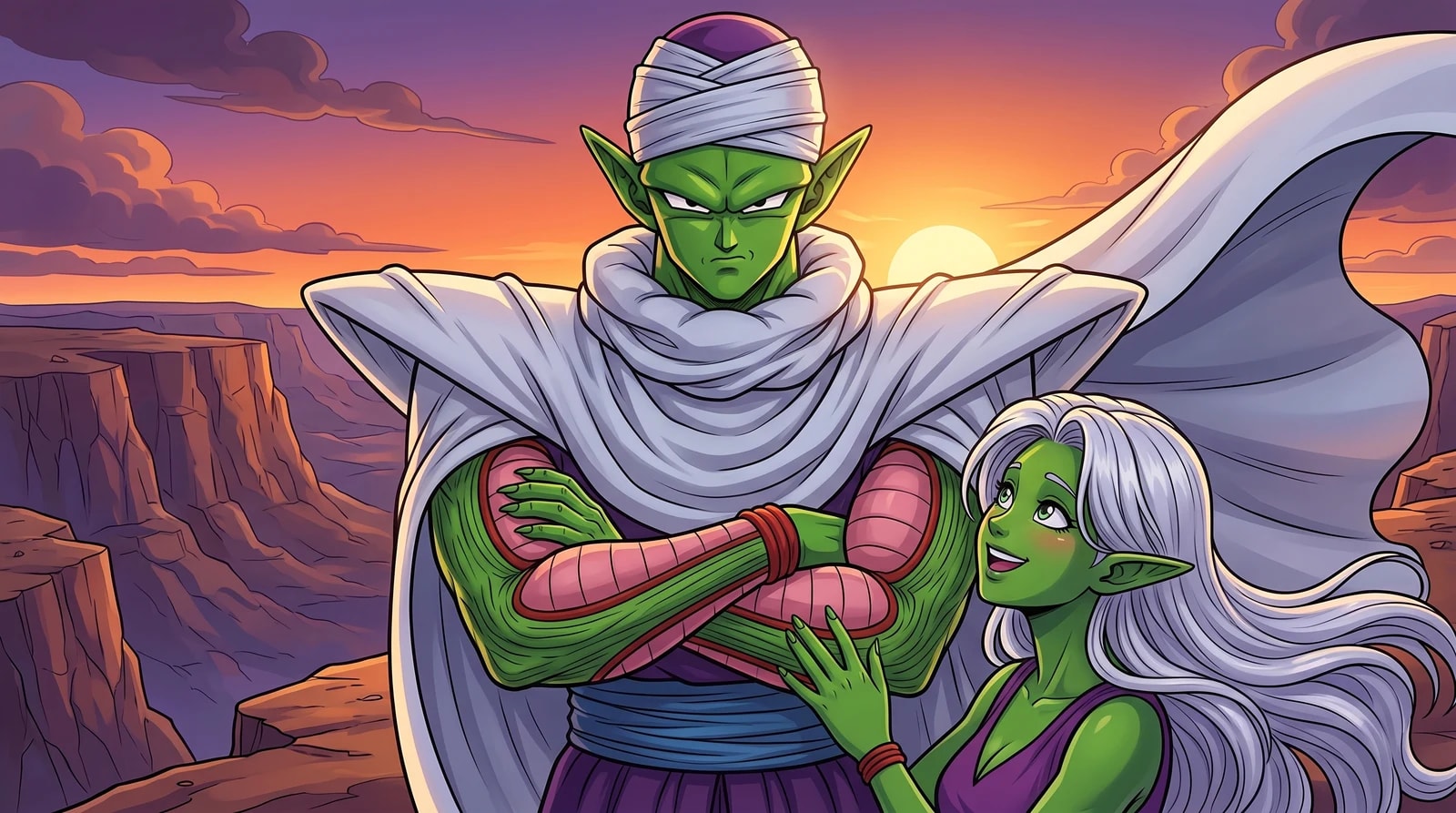
Namek Has No Women, and Piccolo Pulls Anyway
There are no women on Namek. That isn't an oversight, it's the biology. Why we handed Piccolo the one thing his own species rules out, and why it had to be trap soul....
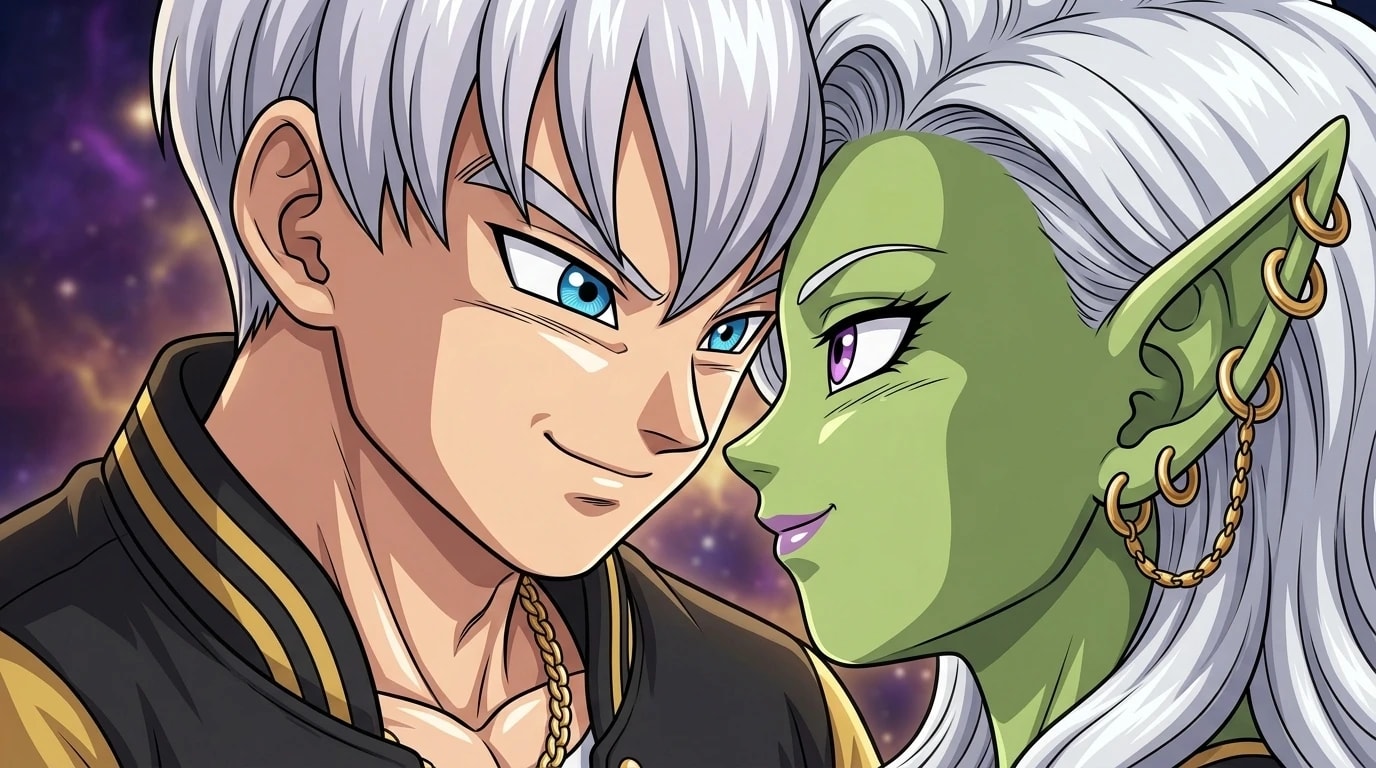
1000 Times Over: Who Is John Dragon Ball Singing To?
Dragon Ball handed us a protagonist with no history and the internet named him John Dragon Ball. So we built him somebody to talk to....
An Iconic Moment in Anime History
Future Trunks slicing Frieza in half is regularly cited as one of the most memorable scenes in Dragon Ball Z and in anime as a whole. The image of the calm, golden-haired swordsman standing over the bisected tyrant became a defining visual for the franchise. Composer Bruce Faulconer originally created a heroic track called "Frieza's Death" for this moment, but it was swapped for the more ambiguous "Destruction" because the producers did not want the audience to feel certain the stranger was on the heroes' side.
This episode also holds the distinction of being the last time a scouter is used in Dragon Ball Z. After generations of villains relying on the devices to gauge power levels, the era of measurable strength officially ends here, replaced by the escalating, often immeasurable might of Super Saiyans.
Frequently Asked Questions
In what episode does Super Saiyan appear?
"Another Super Saiyan?" is episode 120 of Dragon Ball Z. The mysterious stranger reveals himself as a Super Saiyan and faces down Mecha Frieza in one of the series' most iconic confrontations.
What is the Dragon Ball episode "Another Super Saiyan?"?
The mysterious stranger reveals himself as a Super Saiyan and faces down Mecha Frieza in one of the series' most iconic confrontations. Frieza's most powerful attack is caught barehanded, his Supernova detonated harmlessly, and his body cleaved in two by a single devastating sword strike.
How does "Another Super Saiyan?" begin?
Frieza and King Cold dismiss the lavender-haired stranger as a nuisance. When the remaining soldiers rush him, the young man dispatches every one of them with precise, fluid swordsmanship. Only a single soldier survives the initial onslaught, stumbling backward in terror.
What is the middle act of "Another Super Saiyan?"?
This episode fundamentally redefines what the audience believes is possible. Frieza, the villain who terrorized an entire saga and pushed Goku beyond his limits, is dismantled by a total stranger in under five minutes of screen time. The narrative effect is staggering.
How does "Another Super Saiyan?" end?
Composer Bruce Faulconer originally created a heroic track called "Frieza's Death" for this moment, but it was swapped for the more ambiguous "Destruction" because the producers did not want the audience to feel certain the stranger was on the heroes' side. This episode also holds the distinction of being the last time a scouter is used in Dragon Ball Z. After generations of villains relying on the devices to gauge power levels, the era of measurable strength officially ends here, replaced by the escalating, often immeasurable might of Super Saiyans.
Sources & Information
Looking for more on Another Super Saiyan?? The Dragon Ball Wiki on Fandom has a dedicated page with community notes.
View on FandomThis content is original writing by Daddy Jim Headquarters based on the Dragon Ball anime series, manga, and official materials. Episode and chapter references are cited where applicable.
Rights holders
- Created byAkira Toriyama
- Published byShueisha
- Animated byToei Animation
All rights belong to their respective owners.
Character and scene imagery on this site is original artwork by Daddy Jim Headquarters, not screenshots or licensed imagery. Official cover art is used on three types of pages for editorial commentary:
- Movie pages: theatrical posters and key visuals, credited to Toei Animation and Shueisha.
- Game pages: official box art, credited to Bandai Namco, Atari, and other publishers.
- Manga chapter pages: Jump Comics volume covers, credited to Shueisha and Akira Toriyama.
Browse our episode guides:
Official resources:
Help Us Keep This Wiki Accurate
Daddy Jim Headquarters maintains this encyclopedia. If you spot an error, a translation issue, or something that doesn't look right, let us know.