Goku recruits Dende from New Namek to serve as Earth's new Guardian, restoring the Dragon Balls. Meanwhile, Mr. Satan makes his bombastic debut, and Goku begins collecting the freshly scattered orbs.
A New Guardian Rises
With King Kai's help pinpointing the Namekians' new homeworld, Goku uses Instant Transmission to reach New Namek. After explaining Earth's predicament, Dende volunteers to become the planet's new Guardian. The young Namekian feels indebted to the friends who saved his people on old Namek, and this is his chance to repay that debt. Goku brings Dende straight to the Lookout, where Mr. Popo welcomes the new arrival.
Before Dende can recreate Shenron, Goku makes a special request: he wants the dragon to be powerful enough to revive everyone Cell has killed in a single wish. Dende agrees, though with a caveat. This added power means Shenron will only grant two wishes instead of three for any session that includes a mass revival. Using Mr. Popo's stone dragon model, Dende channels his energy and births a new set of Dragon Balls, which scatter across the planet immediately.
Meanwhile, the world gets its first look at Mr. Satan, the reigning martial arts champion, who declares on live television that he will personally defeat Cell using nothing but his fists. His supreme confidence stems from a total misunderstanding of what ki-based abilities actually are; he dismisses everything Cell has done as smoke and mirrors. Back at the Lookout, Goku introduces Gohan and Krillin to their old friend, then heads to Capsule Corporation to grab the Dragon Radar from Bulma. He wastes no time, locating Dragon Balls in a desert and among a herd of elephants before the episode ends.

Dende's Quiet Courage
Dende's appointment as Guardian is one of the most satisfying payoffs in the franchise. A child who once cowered on Namek while Frieza's soldiers slaughtered his people now stands atop the Lookout, responsible for an entire planet's spiritual well-being. His willingness to accept this role without hesitation shows how much he has grown since his first appearance.
Mr. Satan's introduction provides a brilliant tonal counterweight. He represents everything the Z Fighters are not: loud, self-promoting, and completely out of his depth. Yet the world loves him for it, because ordinary people have no frame of reference for the kind of power Cell wields. Satan fills the void with confidence, and the public eats it up. It is satire wrapped in spectacle.
Related Reading
See all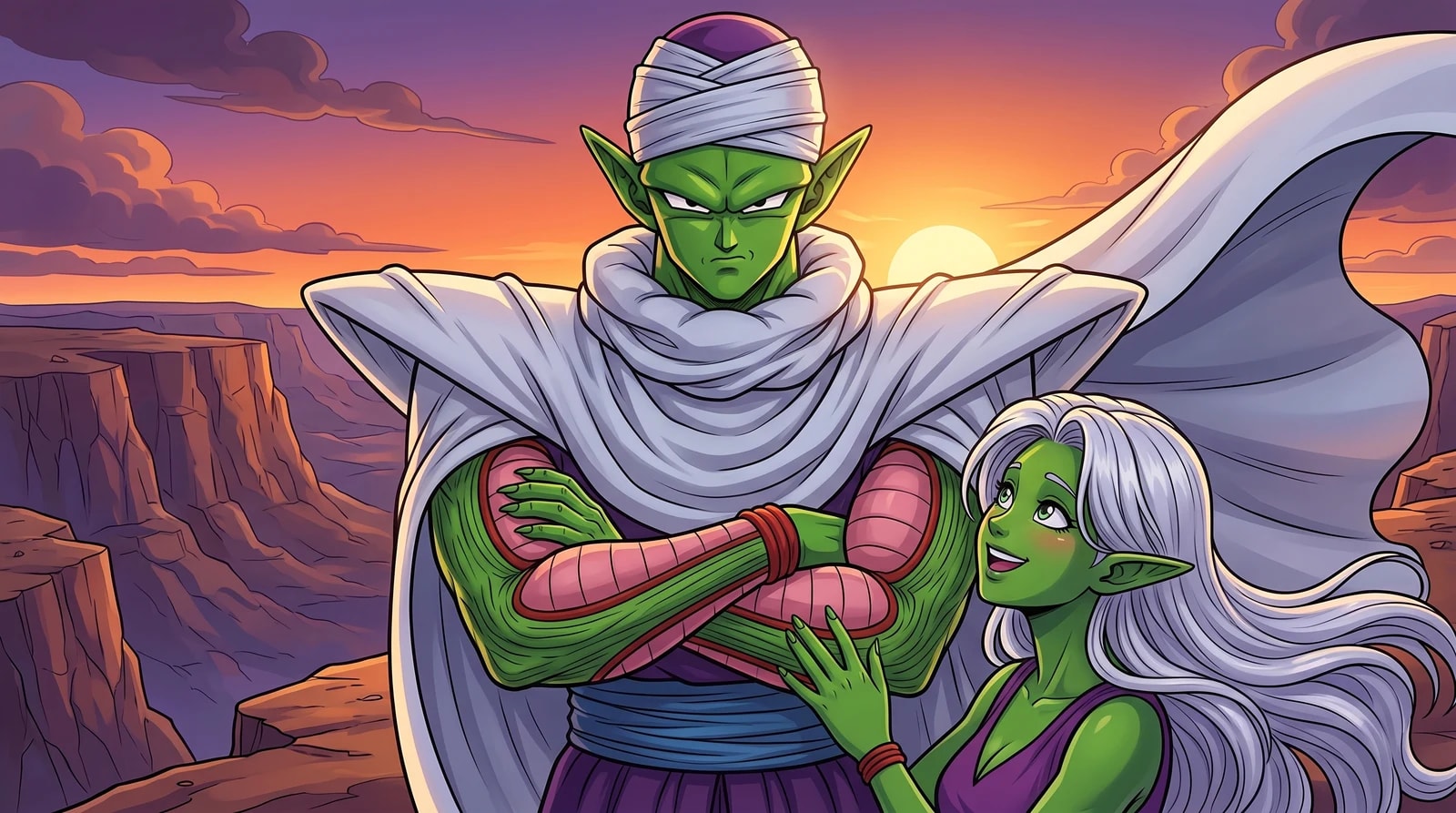
Namek Has No Women, and Piccolo Pulls Anyway
There are no women on Namek. That isn't an oversight, it's the biology. Why we handed Piccolo the one thing his own species rules out, and why it had to be trap soul....
1000 Times Over: Who Is John Dragon Ball Singing To?
Dragon Ball handed us a protagonist with no history and the internet named him John Dragon Ball. So we built him somebody to talk to....


Restoring the Safety Net
Episode 173 accomplishes critical narrative housekeeping. The Dragon Balls are back in play, which means death is no longer permanent for the heroes. This safety net is essential for the story to take the risks it needs to take during the Cell Games without permanently losing beloved characters.
The modification to Shenron's wish structure also introduces a mechanical change that carries forward through the rest of Dragon Ball Z. The two-wish system with mass-revival limitations becomes a recurring plot element, particularly during the Buu saga. This episode plants the seed for that future complexity while keeping the immediate story focused and fast-paced.
Frequently Asked Questions
What episode of Dragon Ball Z is Dende's Dragon?
"Dende's Dragon" is episode 173 of Dragon Ball Z. It airs during the Cell Games Saga.
What happens in the Dragon Ball Z episode Dende's Dragon?
Goku recruits Dende from New Namek to serve as Earth's new Guardian, restoring the Dragon Balls. Meanwhile, Mr. Satan makes his bombastic debut, and Goku begins collecting the freshly scattered orbs.
Which characters appear in Dende's Dragon?
The episode features Goku, Dende, Mr. Satan, King Kai, Kami's Lookout, and Mr. Popo. Goku carries the action across this Cell Games Saga episode.
What is the standout moment in Dende's Dragon?
Dende's appointment as Guardian is one of the most satisfying payoffs in the franchise. A child who once cowered on Namek while Frieza's soldiers slaughtered his people now stands atop the Lookout, responsible for an entire planet's spiritual well-being.
Why is Dende's Dragon important in Dragon Ball Z?
Episode 173 accomplishes critical narrative housekeeping. The Dragon Balls are back in play, which means death is no longer permanent for the heroes.
Sources & Information
Looking for more on Dende's Dragon? The Dragon Ball Wiki on Fandom has a dedicated page with community notes.
View on FandomThis content is original writing by Daddy Jim Headquarters based on the Dragon Ball anime series, manga, and official materials. Episode and chapter references are cited where applicable.
Rights holders
- Created byAkira Toriyama
- Published byShueisha
- Animated byToei Animation
All rights belong to their respective owners.
Character and scene imagery on this site is original artwork by Daddy Jim Headquarters, not screenshots or licensed imagery. Official cover art is used on three types of pages for editorial commentary:
- Movie pages: theatrical posters and key visuals, credited to Toei Animation and Shueisha.
- Game pages: official box art, credited to Bandai Namco, Atari, and other publishers.
- Manga chapter pages: Jump Comics volume covers, credited to Shueisha and Akira Toriyama.
Browse our episode guides:
Official resources:
Help Us Keep This Wiki Accurate
Daddy Jim Headquarters maintains this encyclopedia. If you spot an error, a translation issue, or something that doesn't look right, let us know.