
Gohan powers up to Super Saiyan 2 and rips the legendary Z Sword from its resting place. On the Lookout, fusion training continues as Babidi turns another city's people into chocolate bars.
The Blade Awakens
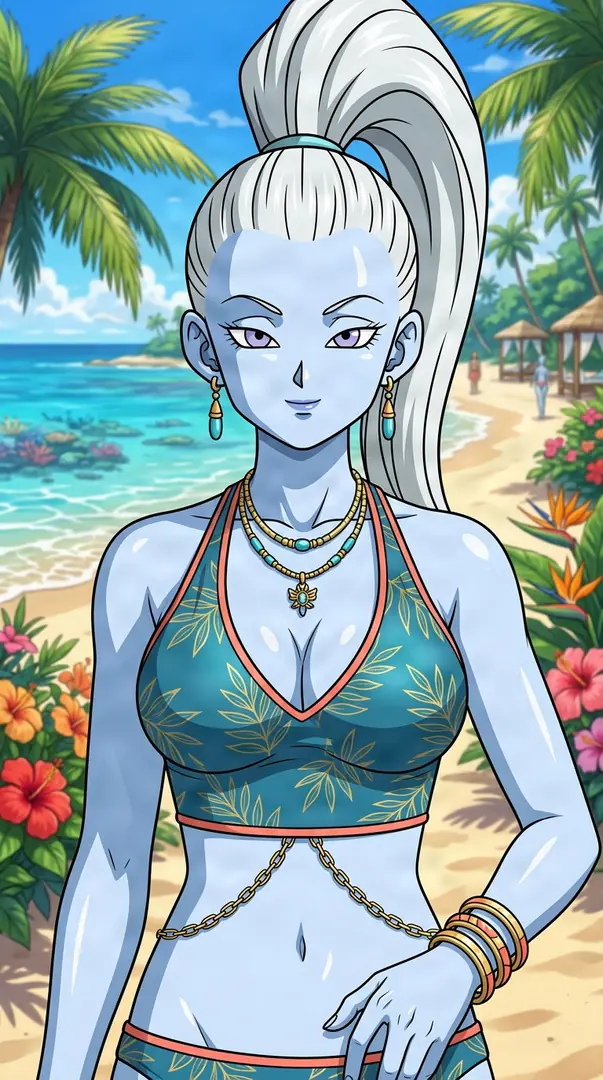
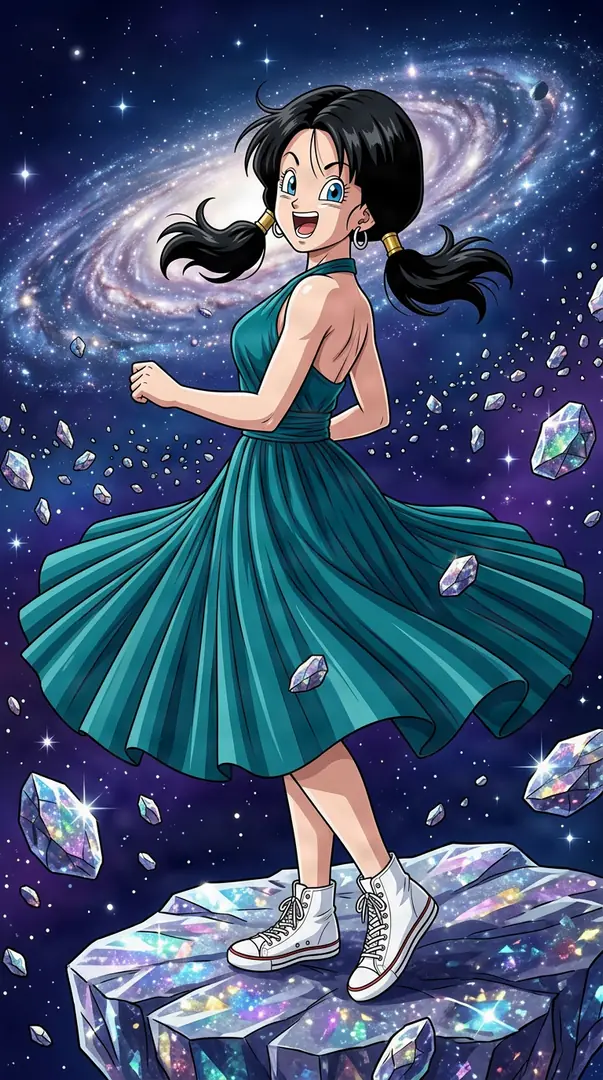
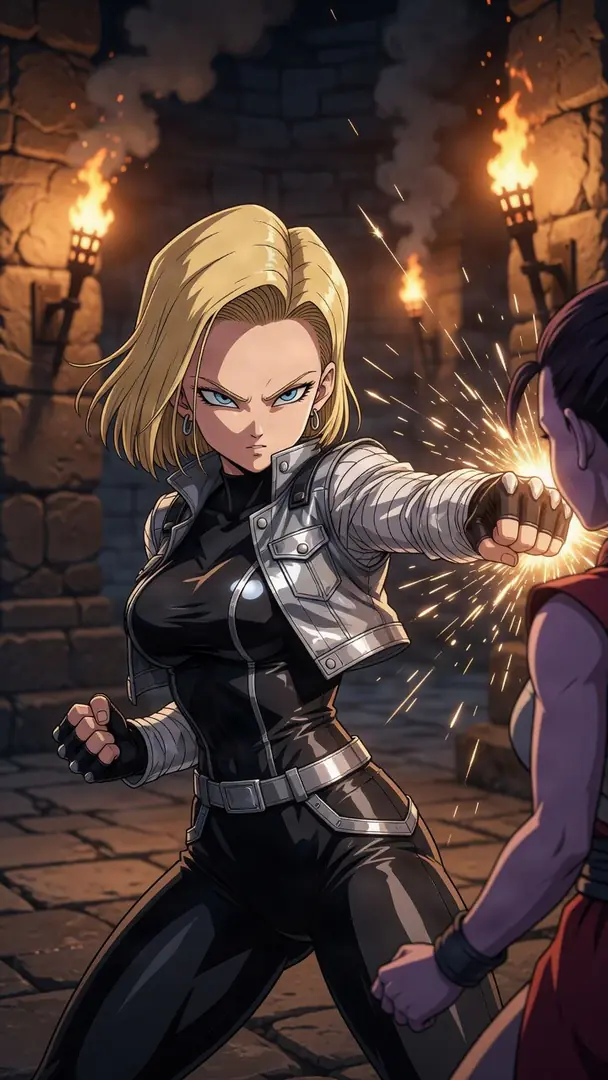
Videl sits alone on the Lookout, curled up and refusing to believe that Gohan is dead. Krillin gently explains that they cannot sense his life force, but Videl pushes back with raw emotion. She never got the chance to tell Gohan how she felt, and she will not accept he is gone until she sees proof. Bulma processes her own grief differently, cycling between disbelief and anger that Vegeta, who defeated Cell, could fall to this new threat. Chi-Chi lies bedridden while Ox-King fans her, having lost both her husband and her son in the same day.
On the Sacred World of the Kai, Gohan grips the Z Sword and pulls with everything he has. His first attempt fails spectacularly, sending him tumbling backwards with throbbing hands. Refusing to give up, he transforms into a Super Saiyan 2 and channels that amplified strength into a second attempt. The ground cracks, stone splinters, and the blade comes free. Kibito watches in stunned disbelief as Gohan holds the legendary weapon aloft, though he can barely lift it. The sword is absurdly heavy, and Gohan's struggles with it provide some welcome levity.
Meanwhile, Goten and Trunks confront Goku about his absence during the fight with Buu, accusing him of cowardice. Piccolo defuses the tension by defending Goku, and the boys reluctantly agree to continue their fusion training. Babidi destroys another city, this time turning its population into chocolate bars. When Trunks and Goten witness the carnage through Babidi's broadcast, they break their silence to challenge Buu directly, forcing Piccolo to quiet them before their location is traced.
Grief Takes Many Forms
The opening scenes at the Lookout compose a quietly devastating portrait of loss. Each character grieves in their own way: Videl through denial, Bulma through rage, Chi-Chi through collapse. These reactions feel authentic because they reflect established personality traits rather than generic sadness. Videl's refusal to give up, in particular, carries dramatic irony since the audience knows she is right to hold onto hope.
Goten and Trunks accusing Goku of cowardice adds another painful layer. These boys do not understand the full picture. From their perspective, their fathers and Gohan went to fight a monster, and the only adult who came back unscathed is Goku. Their anger is misplaced but understandable, and it forces Goku to reckon with survivor's guilt that he cannot fully articulate to children.
The Last Super Saiyan Transformation
A notable milestone occurs in this episode: it marks the final time Gohan transforms into a Super Saiyan anywhere in Dragon Ball Z. His journey will soon take him beyond the need for conventional transformations entirely, as the Z Sword training leads to something far more significant. This quiet farewell to Gohan's Super Saiyan form signals a narrative shift for his character.
Mr. Satan's subplot also begins here, as the World Champion attempts to train for a confrontation with Buu that he knows he cannot win. His comedic struggles with basic flight training contrast sharply with the deadly serious battles elsewhere, but his storyline will prove surprisingly important. Sometimes the most unlikely heroes make the biggest difference.
Related Reading
See all
Krillin's on the Tinder: How the Ultimate Short King Survived the Height Filter
Tinder built a height filter. Dragon Ball built a five foot legend. What happened when we sent the ultimate short king into the modern dating hellscape....
Infinite Zeni Glitch: When Yamcha Never Pays and Mr. Popo Always Does
The internet found an infinite money glitch. So did Yamcha. A smooth R&B track about the easiest money in the Dragon Ball world and the one man who keeps paying for it....
Frequently Asked Questions
Which Dragon Ball series is "The Z Sword" from?
"The Z Sword" is episode 243 of Dragon Ball Z. Gohan powers up to Super Saiyan 2 and rips the legendary Z Sword from its resting place.
What happens in "The Z Sword"?
Gohan powers up to Super Saiyan 2 and rips the legendary Z Sword from its resting place. On the Lookout, fusion training continues as Babidi turns another city's people into chocolate bars.
How does "The Z Sword" begin?
Videl sits alone on the Lookout, curled up and refusing to believe that Gohan is dead. Krillin gently explains that they cannot sense his life force, but Videl pushes back with raw emotion. She never got the chance to tell Gohan how she felt, and she will not accept he is gone until she sees proof.
What is the middle act of "The Z Sword"?
The opening scenes at the Lookout compose a quietly devastating portrait of loss. Each character grieves in their own way: Videl through denial, Bulma through rage, Chi-Chi through collapse. These reactions feel authentic because they reflect established personality traits rather than generic sadness.
How does "The Z Sword" end?
Mr. Satan's subplot also begins here, as the World Champion attempts to train for a confrontation with Buu that he knows he cannot win. His comedic struggles with basic flight training contrast sharply with the deadly serious battles elsewhere, but his storyline will prove surprisingly important. Sometimes the most unlikely heroes make the biggest difference.
Sources & Information
Looking for more on The Z Sword? The Dragon Ball Wiki on Fandom has a dedicated page with community notes.
View on FandomThis content is original writing by Daddy Jim Headquarters based on the Dragon Ball anime series, manga, and official materials. Episode and chapter references are cited where applicable.
Character and scene imagery on this site is original artwork by Daddy Jim Headquarters, not screenshots or licensed imagery. Official cover art is used on three types of pages for editorial commentary:
- Movie pages: theatrical posters and key visuals, credited to Toei Animation and Shueisha.
- Game pages: official box art, credited to Bandai Namco, Atari, and other publishers.
- Manga chapter pages: Jump Comics volume covers, credited to Shueisha and Akira Toriyama.
Browse our episode guides:
Official resources:
Help Us Keep This Wiki Accurate
Daddy Jim Headquarters maintains this encyclopedia. If you spot an error, a translation issue, or something that doesn't look right, let us know.