Tuffleization
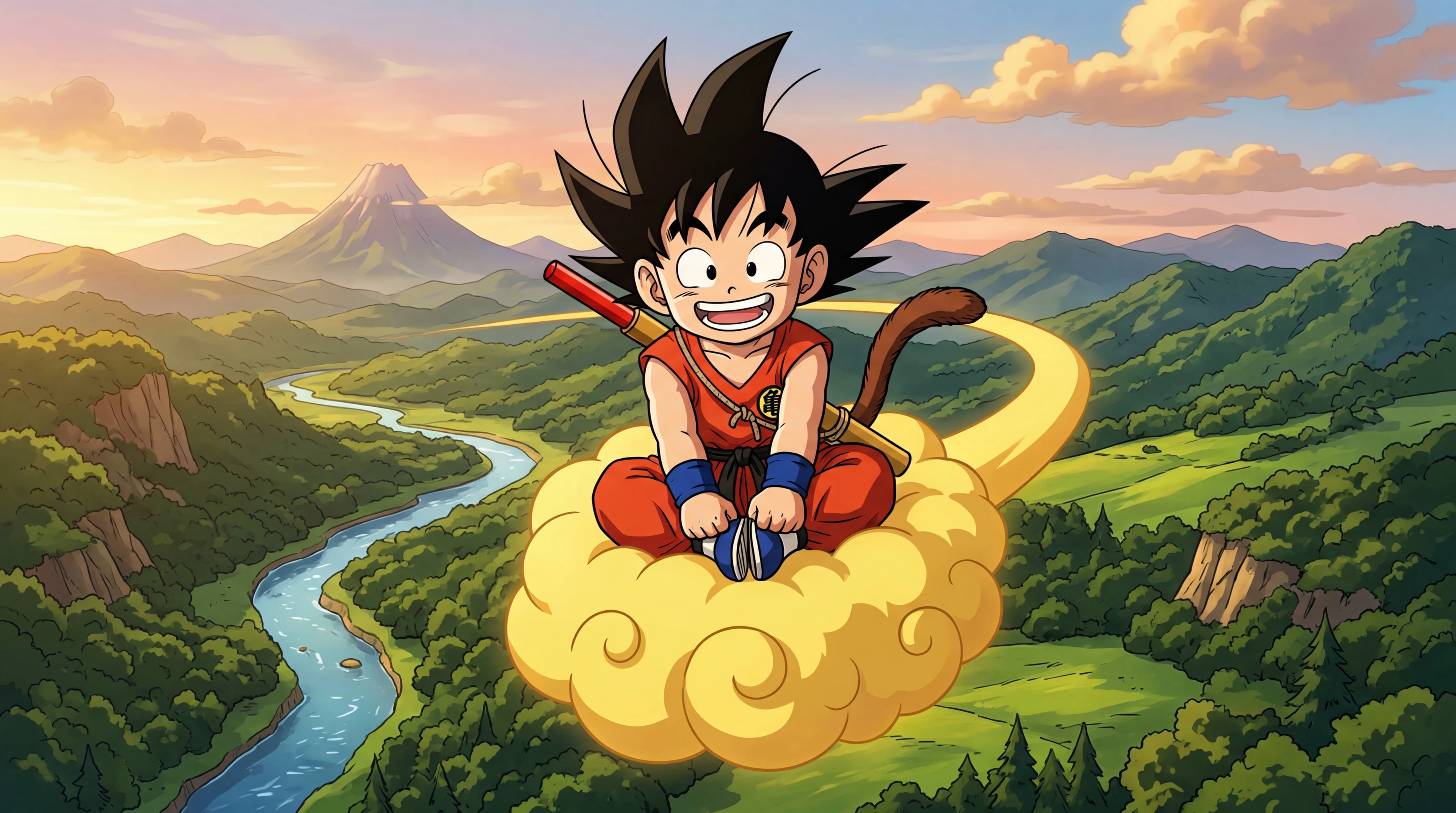
FormThe parasitic possession technique used by Tuffle Machine Mutants, most notably Baby in Dragon Ball GT. Tuffleization allows the user to infiltrate and take complete control of a host body, transforming the victim into a Tuffle hybrid and gaining access to all of the host's combat abilities. This technique represents the Tuffle race's method of reclaiming power after their extinction at the hands of the Saiyans.
The Tuffle Revenge
Tuffleization is fundamentally an act of racial revenge. The Tuffles were a technologically advanced race who shared Planet Plant with the Saiyans before being annihilated by them. Baby, a genetically engineered Tuffle Machine Mutant created by Dr. Myuu, was designed with a singular purpose: to use the Saiyans' own bodies as weapons against them. The Tuffleization technique was his primary tool for accomplishing this.
Baby's process of Tuffleization begins with infiltrating a host through physical contact, typically by transferring himself in a liquid or energy form into the target's body. Once inside, he gradually takes over the host's nervous system and consciousness, eventually assuming full control. The host's body begins to display physical markers of the Tuffle takeover: silvery-white hair replacing the Saiyan gold, distinctive red facial lines, and altered eye patterns. These changes serve as visual confirmation that the body is no longer under its original owner's control.
The technique reached its peak application when Baby possessed Vegeta, one of the strongest Saiyans in existence. Baby-controlled Vegeta (commonly referred to as Baby Vegeta) then used Vegeta's standing among Earth's fighters to spread his parasitic influence to virtually the entire human population, creating a planet-wide network of mind-controlled servants who fed their energy to Baby. This escalation from individual possession to global domination made Tuffleization one of the most strategically effective villain techniques in Dragon Ball history.


Beyond Baby: Oren and Kamin
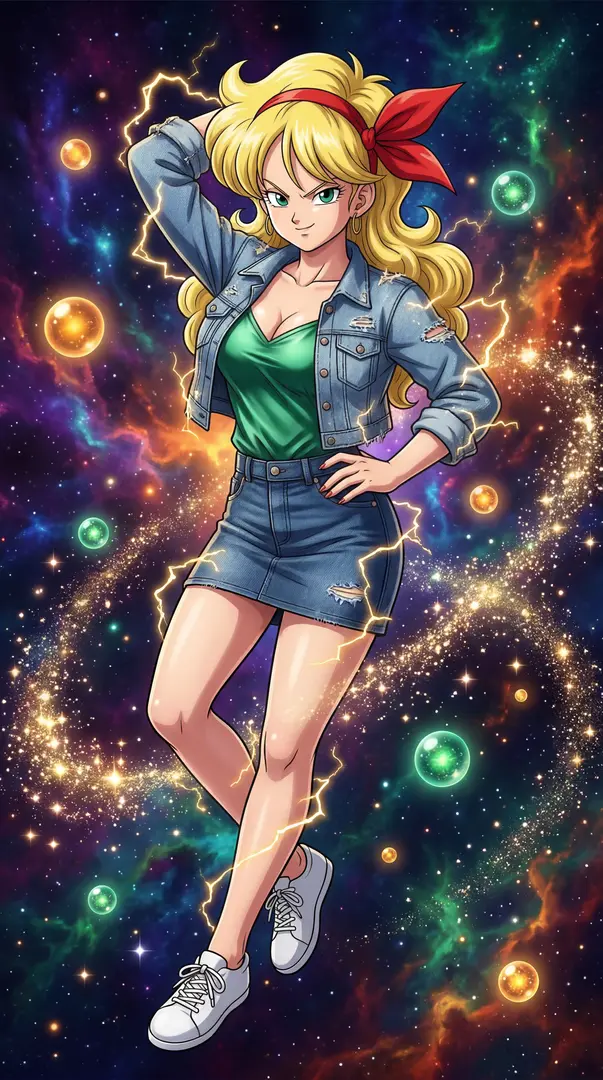
The Tuffleization concept was revisited in Super Dragon Ball Heroes through the characters Oren and Kamin, a pair of Tuffle Machine Mutants from Universe 6. Unlike Baby, who was a single parasite seeking specific hosts, Oren and Kamin operated as a duo, each possessing separate targets simultaneously. Oren took control of Caulifla while Kamin possessed Kale, turning two of Universe 6's strongest Saiyan fighters into weapons for the Core Area Warriors.
The Universe 6 Tuffleization demonstrated that the technique was not unique to Baby but rather a capability shared by Tuffle Machine Mutants as a species. Oren and Kamin's versions of the technique produced similar visual changes to their hosts, with the characteristic Tuffle markings appearing on the possessed Saiyans' bodies. Their ability to possess and control powerful fighters made them valuable members of Hearts' team during the Universal Conflict Saga.
Tuffleization's inclusion in both GT and Heroes content establishes it as one of Dragon Ball's most distinctive parasitic abilities. Unlike simple mind control, which leaves the victim's body unchanged, Tuffleization physically transforms the host into a Tuffle hybrid, erasing their autonomy entirely. The technique serves as a constant reminder of the Tuffle-Saiyan conflict and the consequences of genocide: the Saiyans destroyed the Tuffles, and the Tuffles engineered a method to use the Saiyans' own bodies as their instrument of retribution.
Frequently Asked Questions
What is Tuffleization in Dragon Ball?
Tuffleization is the parasitic possession technique used by Tuffle Machine Mutants, most notably Baby in Dragon Ball GT. It allows the user to infiltrate and take complete control of a host body, transforming the victim into a Tuffle hybrid and gaining access to all of the host's combat abilities. The technique represents the Tuffle race's method of reclaiming power after their extinction at the hands of the Saiyans.
How does Baby use Tuffleization?
Baby's process of Tuffleization begins with infiltrating a host through physical contact, typically by transferring himself in a liquid or energy form into the target's body. Once inside, he gradually takes over the host's nervous system and consciousness, eventually assuming full control. The host's body begins to display physical markers of the Tuffle takeover, including silvery-white hair replacing the Saiyan gold, distinctive red facial lines, and altered eye patterns.
What does a Tuffleized host look like?
The host's appearance is altered to display Tuffle characteristics. When used on Vegeta, his hair turned silvery white instead of the golden blonde of Super Saiyan, and his eyes gained a distinct pattern with thin red lines. Three thin red facial lines appear on the host's face as a universal marker of Tuffle possession, and the host's demeanor and expression change to reflect the controlling Tuffle personality.
Who else has used Tuffleization besides Baby?
The Tuffleization concept was revisited in Super Dragon Ball Heroes through Oren and Kamin, a pair of Tuffle Machine Mutants from Universe 6. Unlike Baby, who was a single parasite, Oren and Kamin operated as a duo, with Oren taking control of Caulifla while Kamin possessed Kale. This established Tuffleization as a capability shared by Tuffle Machine Mutants as a species rather than a Baby-specific ability.
What are the limitations of Tuffleization?
The host's consciousness may resist from within, creating internal conflict, and strong-willed hosts might eventually break free. Removing the parasite forcibly can end the possession. The Tuffle is also limited by the physical capabilities of whatever body they inhabit, though the technique is particularly effective on Saiyans because it turns their strength against them.
Related Reading
See all
Krillin's on the Tinder: How the Ultimate Short King Survived the Height Filter
Tinder built a height filter. Dragon Ball built a five foot legend. What happened when we sent the ultimate short king into the modern dating hellscape....
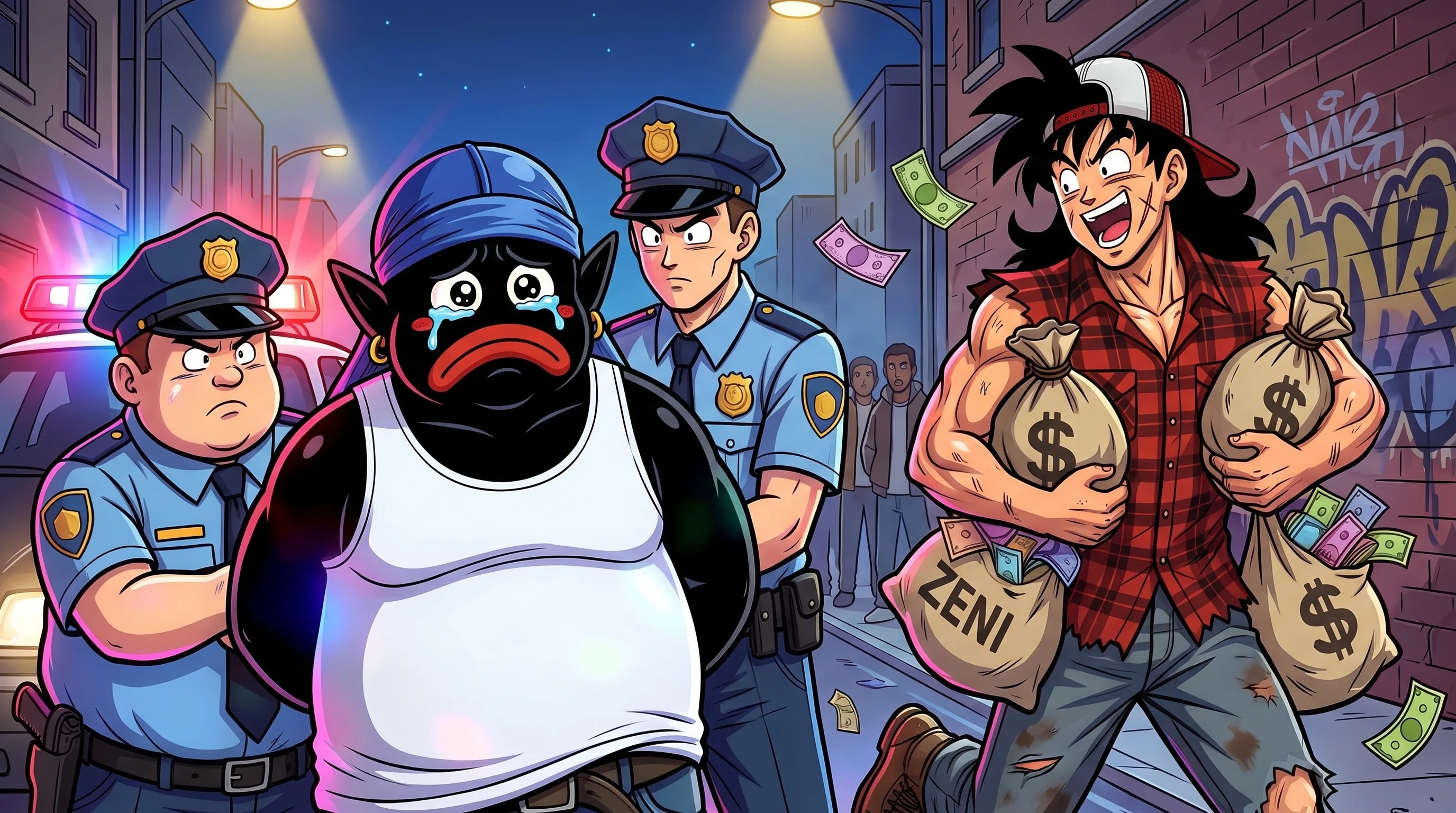
Infinite Zeni Glitch: When Yamcha Never Pays and Mr. Popo Always Does
The internet found an infinite money glitch. So did Yamcha. A smooth R&B track about the easiest money in the Dragon Ball world and the one man who keeps paying for it....
Sources & Information
Looking for more on Tuffleization? The Dragon Ball Wiki on Fandom has a dedicated page with community notes.
View on FandomThis content is original writing by Daddy Jim Headquarters based on the Dragon Ball anime series, manga, and official materials. Episode and chapter references are cited where applicable.
Character and scene imagery on this site is original artwork by Daddy Jim Headquarters, not screenshots or licensed imagery. Official cover art is used on three types of pages for editorial commentary:
- Movie pages: theatrical posters and key visuals, credited to Toei Animation and Shueisha.
- Game pages: official box art, credited to Bandai Namco, Atari, and other publishers.
- Manga chapter pages: Jump Comics volume covers, credited to Shueisha and Akira Toriyama.
Browse our episode guides:
Official resources:
Help Us Keep This Wiki Accurate
Daddy Jim Headquarters maintains this encyclopedia. If you spot an error, a translation issue, or something that doesn't look right, let us know.