Ani-Mayhem
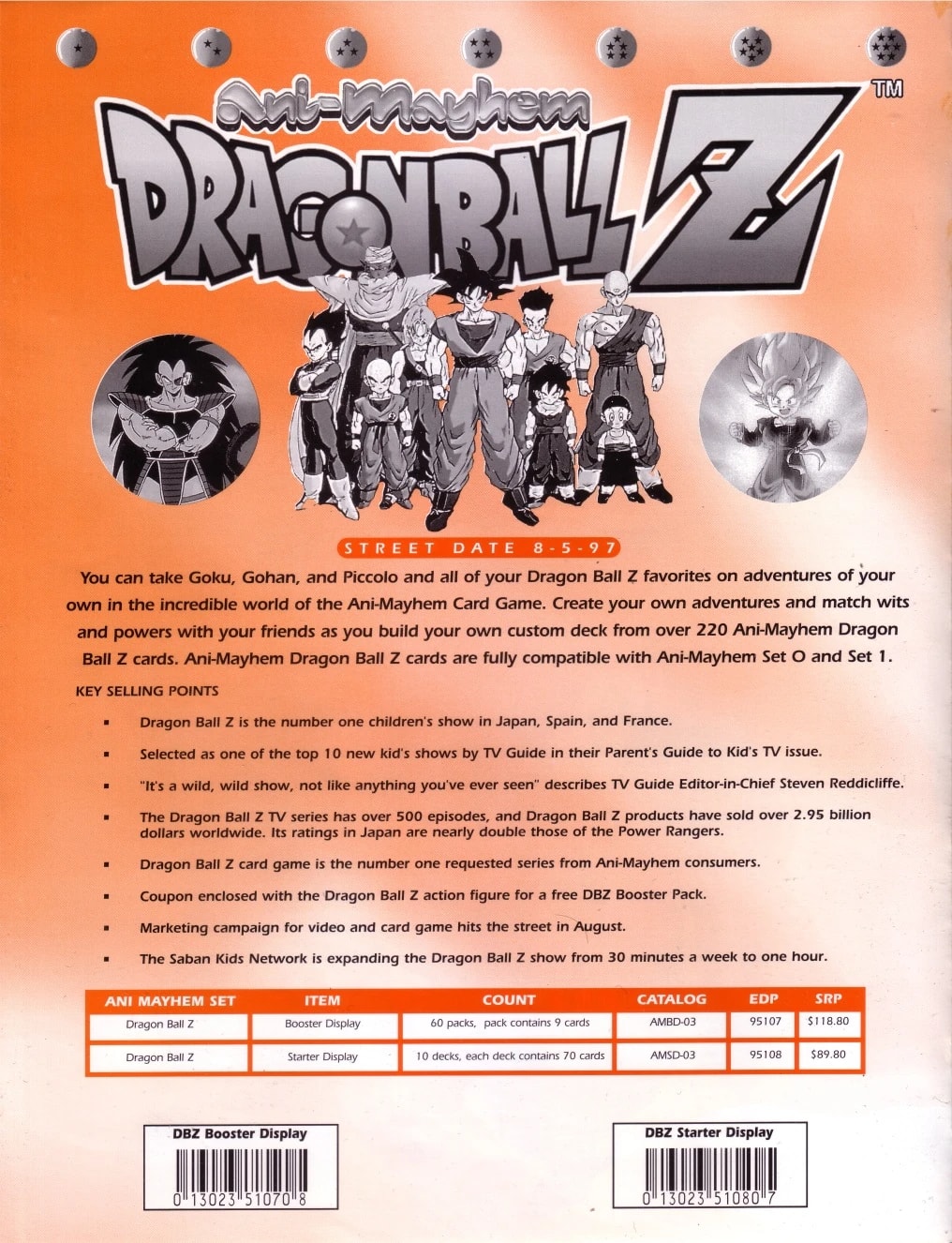
GameAni-Mayhem is a collectible card game created by Pioneer Animation, first published in 1996 by Upper Deck. It features Dragon Ball and other licenses.
Card System
Ani-Mayhem is a collectible card game published by Upper Deck in 1996, designed around a board-like field that players construct by drawing special Location cards. Each player controls a group of four characters drawn from a pool of anime franchises including Dragon Ball Z, with the goal of collecting more than half of the Item cards in play. The game accommodates any number of players and even supports solo play through Disaster cards, which represent villains and hazards that must be activated before players take their turns.
Characters are defined by Movement, Attack, Defense, and Skill values printed on their cards. Moving through the field requires players to meet the Skill requirements of each Location they visit, at which point they face any Disasters present and claim the Item beneath. A hand of Power cards, including Enhancements, Equipment, Flash Effects, and Global Effects, provides ongoing tactical options. Combat between characters and Disaster cards is resolved through a separate Combat card deck that adds random modifiers to Attack and Defense values, keeping each encounter unpredictable.
The game was released across three sets. Set 0 included Bubblegum Crisis, Tenchi Muyo!, Ranma 1/2, and El-Hazard. Set 1 expanded with five additional franchises. Set 2 was dedicated entirely to Dragon Ball Z, covering content through the end of the Frieza Saga. Cards from all three sets are fully cross-compatible, with Set 2 rules taking precedence over earlier editions.
Dragon Ball Z Content
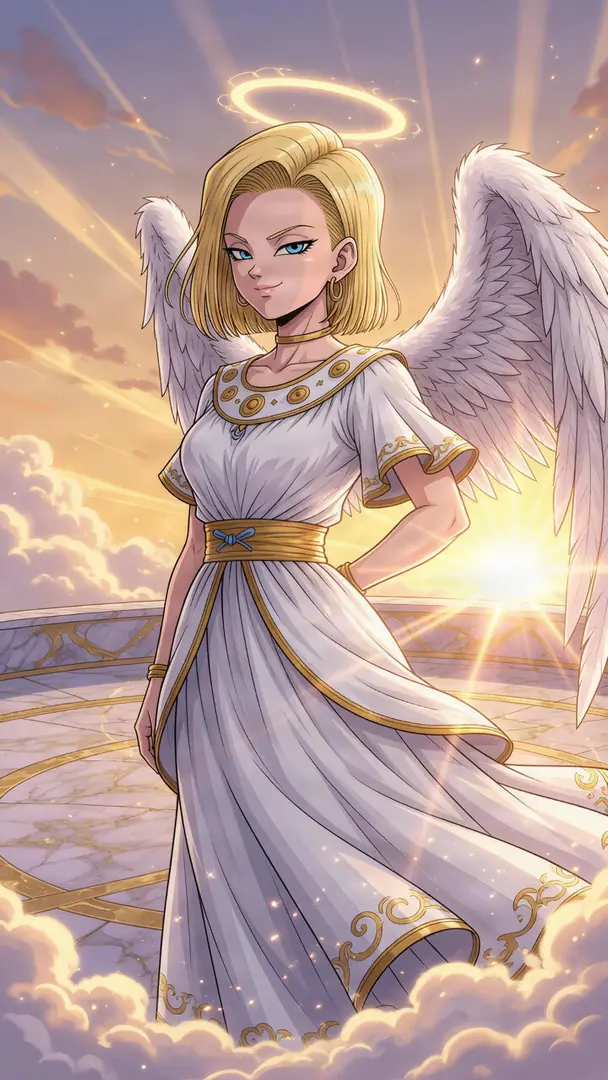
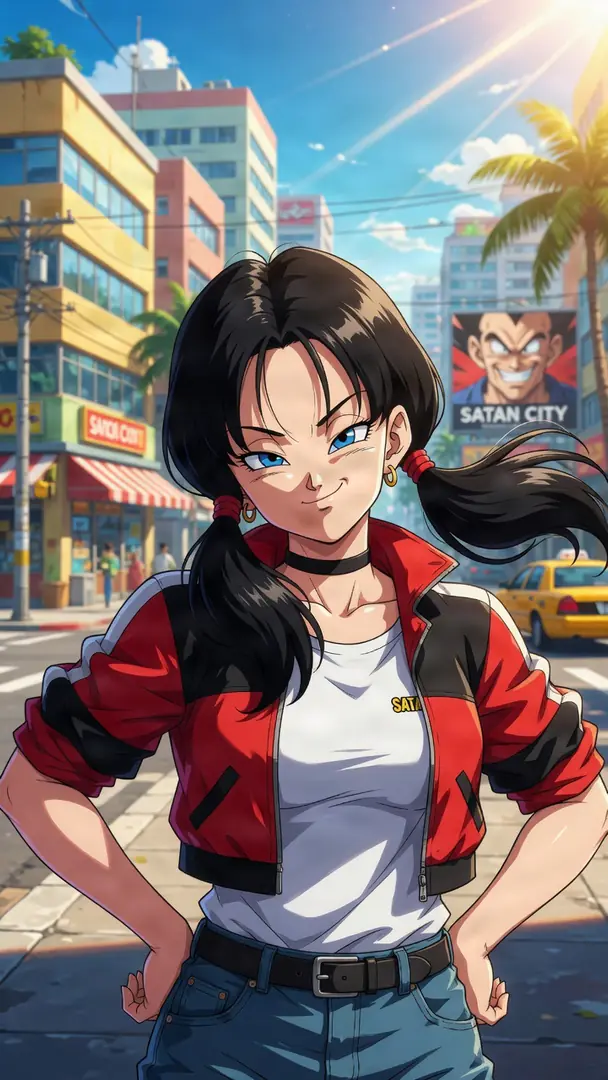
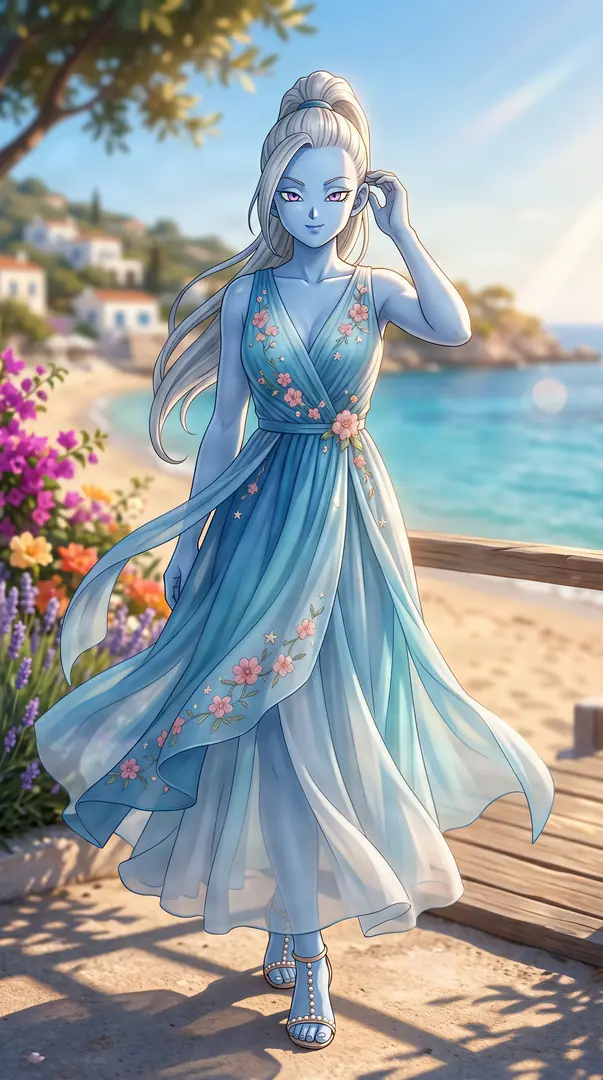
The Dragon Ball Z content in Ani-Mayhem spans a wide roster of characters and locations drawn primarily from the series' earlier arcs. Playable Dragon Ball Z characters include Goku, Bulma, Yamcha, Master Roshi, Oolong, Chi-Chi, Ox-King, Krillin, Launch, Tien Shinhan, Chiaotzu, Baba, Piccolo, Yajirobe, Kami, Gohan, Bubbles, Gregory, Nail, Goten, and Trunks. Alternate forms such as Super Saiyans are handled through separate variant cards, and characters like Baby Gohan and Gohan the Barbarian reflect the card game format's flexibility in adapting the source material.
Vegeta appears only as a Major Combat Disaster in his initial antagonistic role, rather than as a hero character. Dragon Ball Item cards offer an alternative path to victory when collected. Certain characters must possess the Pure Heart Skill to benefit from the Flying Nimbus Item card, though the game's assignment of this skill does not always match the source material perfectly: Krillin receives it while Chi-Chi does not, a notable quirk that fans have pointed out over the years.
Historical Context
Ani-Mayhem holds a niche but genuine place in the history of Dragon Ball merchandise in the West. Published in 1996 by Upper Deck, the same year the Dragon Ball Z anime was gaining its initial American audience, the game offered one of the earliest opportunities for Western fans to collect and play with official Dragon Ball Z characters in a card game format. Its crossover nature, blending ten anime properties into a single shared game system, reflects the experimental spirit of early American anime licensing.
Set 2's complete dedication to Dragon Ball Z, pulling card art directly from screen captures through the Frieza Saga, makes it a snapshot of the series at a formative moment in its Western history. The inclusion of Goten and Trunks via opening sequence images rather than episode footage is a small but telling sign of how quickly the game was produced relative to the anime's broadcast schedule.
Related Reading
See all
Krillin's on the Tinder: How the Ultimate Short King Survived the Height Filter
Tinder built a height filter. Dragon Ball built a five foot legend. What happened when we sent the ultimate short king into the modern dating hellscape....
Infinite Zeni Glitch: When Yamcha Never Pays and Mr. Popo Always Does
The internet found an infinite money glitch. So did Yamcha. A smooth R&B track about the easiest money in the Dragon Ball world and the one man who keeps paying for it....

Frequently Asked Questions
What is Ani-Mayhem?
Ani-Mayhem is a collectible card game created by Pioneer Animation, first published in 1996 by Upper Deck. It features Dragon Ball and other licenses.
What is Ani-Mayhem about?
Ani-Mayhem is a collectible card game published by Upper Deck in 1996, designed around a board-like field that players construct by drawing special Location cards. Each player controls a group of four characters drawn from a pool of anime franchises including Dragon Ball Z, with the goal of collecting more than half of the Item cards in play. The game accommodates any number of players and even supports solo play through Disaster cards, which represent villains and hazards that must be activated before players take their turns.
When was Ani-Mayhem released?
Ani-Mayhem was released in 1996. Ani-Mayhem is a collectible card game created by Pioneer Animation, first published in 1996 by Upper Deck.
Which characters appear in Ani-Mayhem?
The Dragon Ball Z content in Ani-Mayhem spans a wide roster of characters and locations drawn primarily from the series' earlier arcs. Playable Dragon Ball Z characters include Goku, Bulma, Yamcha, Master Roshi, Oolong, Chi-Chi, Ox-King, Krillin, Launch, Tien Shinhan, Chiaotzu, Baba, Piccolo, Yajirobe, Kami, Gohan, Bubbles, Gregory, Nail, Goten, and Trunks. Alternate forms such as Super Saiyans are handled through separate variant cards, and characters like Baby Gohan and Gohan the Barbarian reflect the card game format's flexibility in adapting the source material.
How was Ani-Mayhem received?
Ani-Mayhem holds a niche but genuine place in the history of Dragon Ball merchandise in the West. Published in 1996 by Upper Deck, the same year the Dragon Ball Z anime was gaining its initial American audience, the game offered one of the earliest opportunities for Western fans to collect and play with official Dragon Ball Z characters in a card game format. Its crossover nature, blending ten anime properties into a single shared game system, reflects the experimental spirit of early American anime licensing.
Sources & Information
Looking for more on Ani-Mayhem? The Dragon Ball Wiki on Fandom has a dedicated page with community notes.
View on FandomThis content is original writing by Daddy Jim Headquarters based on the Dragon Ball anime series, manga, and official materials. Episode and chapter references are cited where applicable.
Character and scene imagery on this site is original artwork by Daddy Jim Headquarters, not screenshots or licensed imagery. Official cover art is used on three types of pages for editorial commentary:
- Movie pages: theatrical posters and key visuals, credited to Toei Animation and Shueisha.
- Game pages: official box art, credited to Bandai Namco, Atari, and other publishers.
- Manga chapter pages: Jump Comics volume covers, credited to Shueisha and Akira Toriyama.
Browse our episode guides:
Official resources:
Help Us Keep This Wiki Accurate
Daddy Jim Headquarters maintains this encyclopedia. If you spot an error, a translation issue, or something that doesn't look right, let us know.