
Data Carddass Dragon Ball Z 2
GameData Carddass Dragon Ball Z 2 is a card-based fighting game for arcade that was developed by Dimps and Pyramid and released in 2006 only in Japan as a sequel to Data Carddass Dragon Ball Z. This arcade game is based off Dragon Ball Z: Budokai 3. Its sequel is Dragon Ball Z: Bakuretsu Impact.
Arcade Card System
Data Carddass Dragon Ball Z 2 is an arcade card-based fighting game developed by Dimps and Pyramid, released in Japan in 2006 as the direct sequel to Data Carddass Dragon Ball Z. Like its predecessor, the game uses physical trading cards to select characters and execute special attacks within the arcade cabinet. Players bring their own cards or purchase them at the arcade, with the card system providing a collectible dimension that extended the experience beyond the cabinet itself.
The game's fighting mechanics build on the framework established by Dragon Ball Z: Budokai 3, adapting that console game's visual and mechanical foundation for an arcade environment. Cards determine which characters and forms are available in a given match, and the rarity of certain cards creates a natural hierarchy within the player community. The sequel expanded the card pool and refined the fighting system relative to the original Data Carddass game, maintaining the same basic hybrid of card collection and arcade combat that defined the series.


Characters
Data Carddass Dragon Ball Z 2 features a focused roster of major Dragon Ball Z characters, each available across multiple transformation forms. Goku is represented in his base form, Super Saiyan, Super Saiyan 2, Super Saiyan 3, Super Saiyan 4, and Kaio-ken states, reflecting the breadth of his power levels across the series and Dragon Ball GT. Vegeta appears in base and Super Saiyan forms, while Gohan covers his base, Super Saiyan, and Super Saiyan 2 states. Future Trunks, Gogeta in Super Saiyan form, Frieza in his first form, Cooler, Cell in Imperfect Form, and Majin Buu round out the playable lineup.
The inclusion of Super Saiyan 4 forms for Goku reflects the game's timeline extending into Dragon Ball GT territory, consistent with the Data Carddass series' approach of drawing from the full scope of the franchise. The game's sequel, Dragon Ball Z: Bakuretsu Impact, continued this same card-arcade hybrid format with an expanded roster and updated mechanics.


Series Context
Data Carddass Dragon Ball Z 2 belongs to a distinct branch of the Dragon Ball gaming tradition built around Japan's long-running love of arcade card games. The Data Carddass format, originating with the Carddass trading card system Bandai launched in 1991, transformed the act of collecting cards into a direct gameplay mechanic. By 2006, this format had evolved into a sophisticated arcade experience that combined the social and competitive elements of card collecting with real-time fighting action.
The game remains a Japan-exclusive curiosity for international fans, representative of an arcade gaming culture that rarely translated to Western markets. Its place in the Dragon Ball gaming timeline sits between the Budokai console era and the later card-centric arcade games, bridging those two worlds in a format that was deeply embedded in Japanese gaming habits of the period.
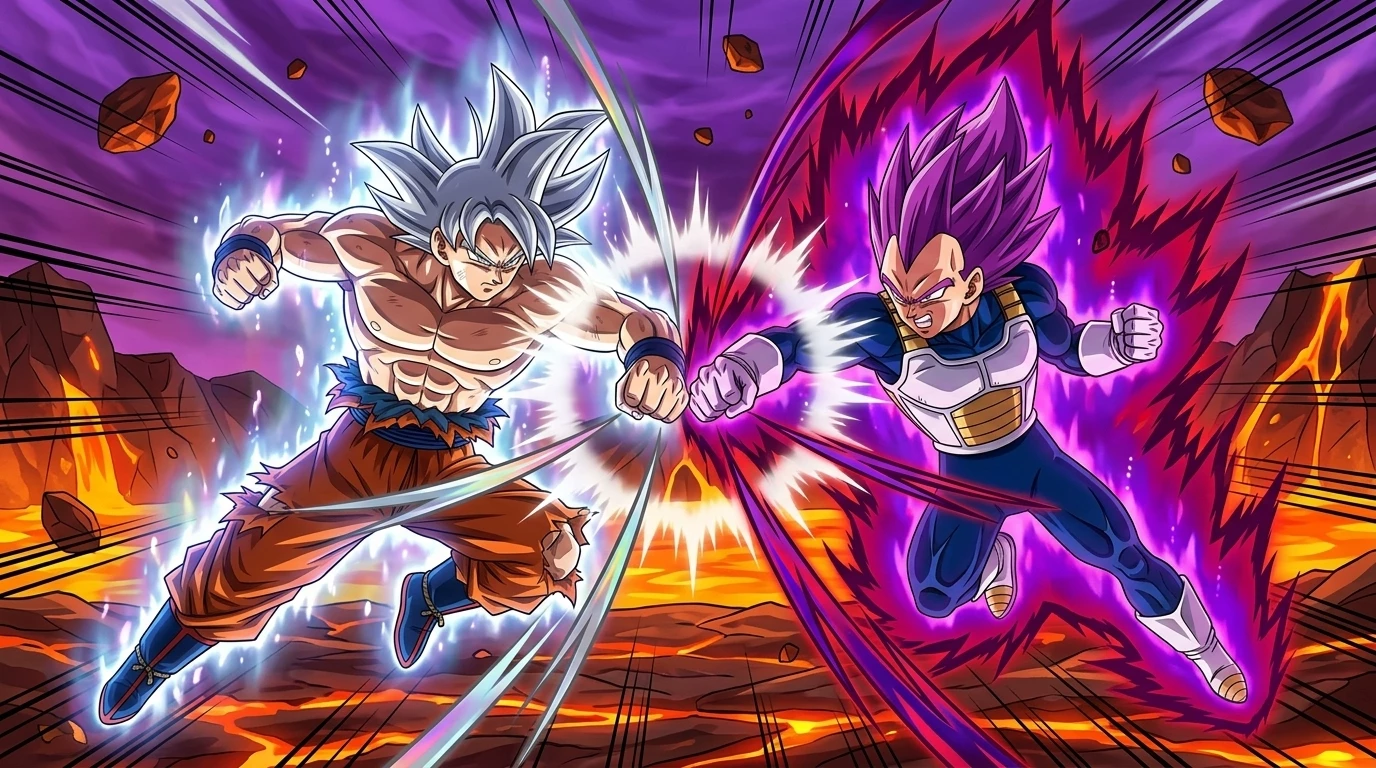
Sparking Zero May 26 Update Adds Demon World Stage and Reworks Transformation Healing
May 27, 2026Bandai Namco shipped a free Dragon Ball: Sparking Zero update on May 26, 2026 that introduces a new Demon World stage, overhauls transformation healing, and confirms the Daima Character Pack and Shallot DLC for release on June 27, 2026....
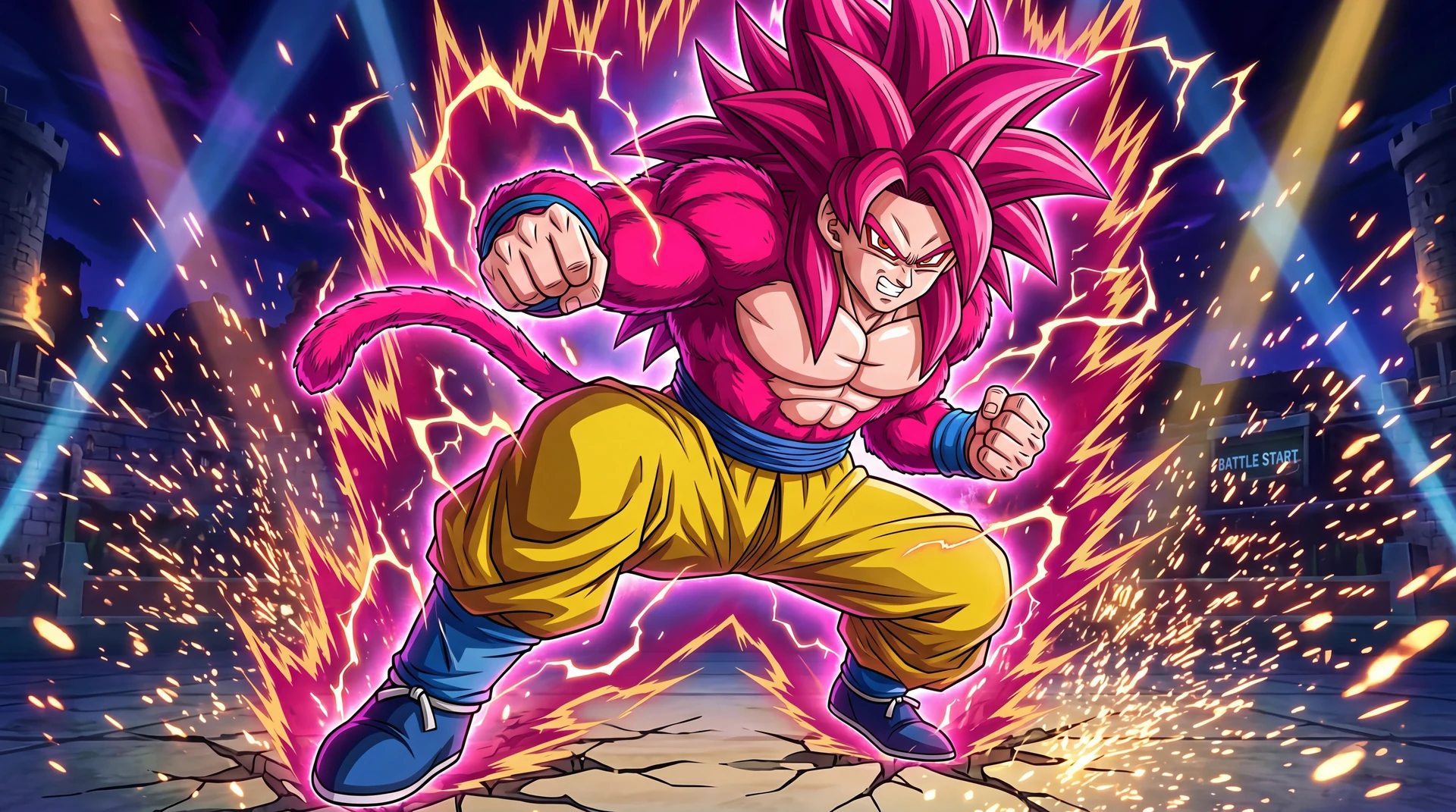
Dragon Ball FighterZ Adds Super Saiyan 4 Goku From Daima
May 25, 2026Dragon Ball FighterZ added Super Saiyan 4 Goku, the form featured in the Daima anime, as DLC on April 22, 2026. The 2018 fighting game is still getting new content nearly eight years on....

Dragon Ball Sparking Zero Super Limit-Breaking NEO DLC Adds 30 Plus Fighters for Summer 2026
Apr 20, 2026Bandai Namco and Spike Chunsoft unveiled the Super Limit-Breaking NEO expansion for Dragon Ball Sparking Zero at Battle Hour 2026. Summer 2026 release, 30 plus characters, four new stages, and a new solo mode....
Sources & Information
Looking for more on Data Carddass Dragon Ball Z 2? The Dragon Ball Wiki on Fandom has a dedicated page with community notes.
View on FandomThis content is original writing by Daddy Jim Headquarters based on the Dragon Ball anime series, manga, and official materials. Episode and chapter references are cited where applicable.
Character and scene imagery on this site is original artwork by Daddy Jim Headquarters, not screenshots or licensed imagery. Official cover art is used on three types of pages for editorial commentary:
- Movie pages: theatrical posters and key visuals, credited to Toei Animation and Shueisha.
- Game pages: official box art, credited to Bandai Namco, Atari, and other publishers.
- Manga chapter pages: Jump Comics volume covers, credited to Shueisha and Akira Toriyama.
Browse our episode guides:
Official resources:
Dragon Ball Music by Daddy Jim Headquarters
Come listen to some Dragon Ball R&B.
Help Us Keep This Wiki Accurate
Daddy Jim Headquarters maintains this encyclopedia across 13 languages. If you spot an error, a translation issue, or something that doesn't look right, let us know.