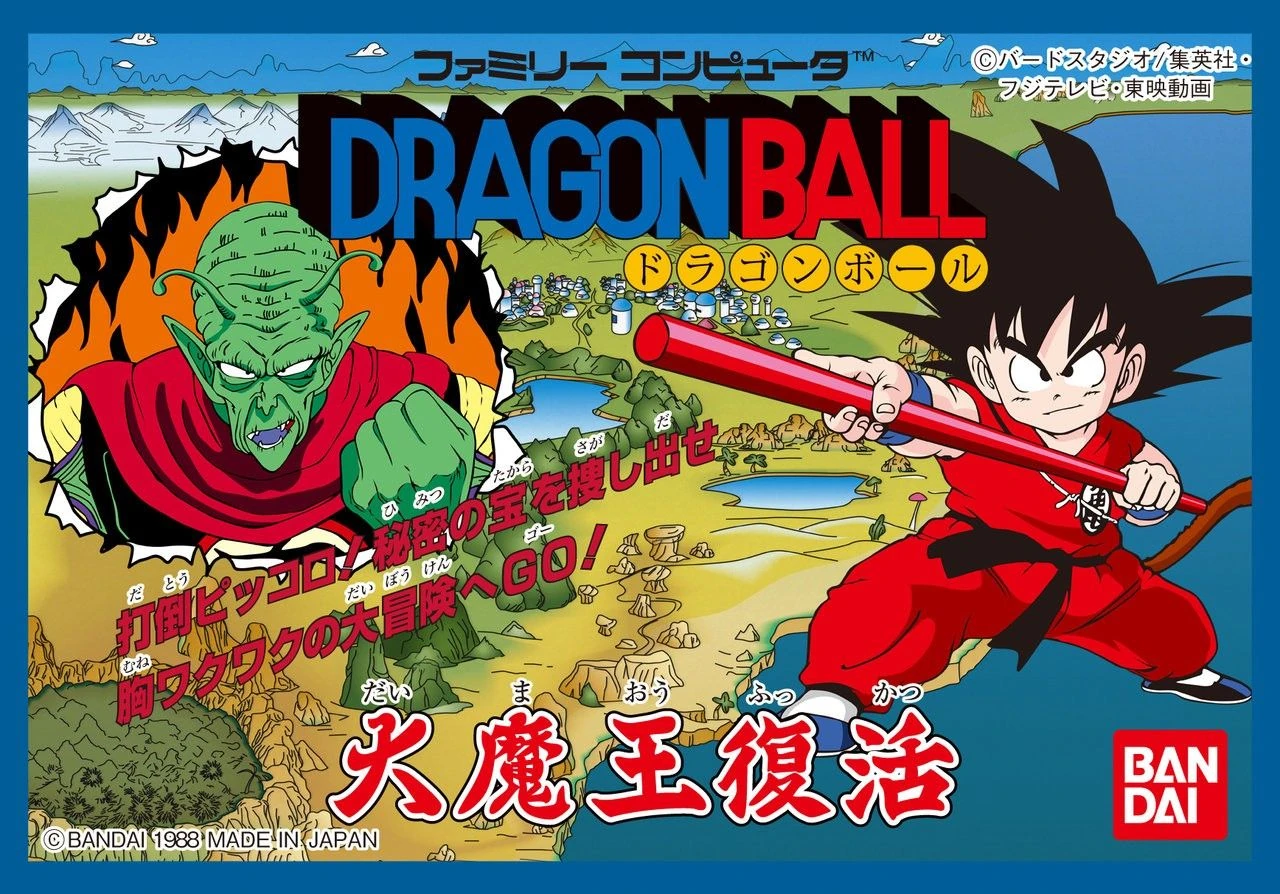
Dragon Ball: Daimaō Fukkatsu
GameDragon Ball: Daimaō Fukkatsu魔王復活|Doragon Bōru Daimaō Fukkatsu|lit. Dragon Ball: The Great Demon King's Revival}} is a role playing video game released only in Japan by Bandai on August 12, 1988. It is the second Dragon Ball video game released for the Family Computer.
Gameplay
Dragon Ball: Daimaou Fukkatsu, translated as Dragon Ball: The Great Demon King's Revival, is a role-playing video game released exclusively in Japan by Bandai on August 12, 1988, for the Famicom. It is the second Dragon Ball video game for that platform and the first RPG based on the Dragon Ball series. The game uses a board-style map that Goku traverses by drawing Fortune Cards, with each card producing a different outcome: a King Piccolo card triggers an enemy encounter, a Shenlong card might restore health or strengthen a companion, and a Fortuneteller Baba card causes a random event. Passwords save the player's progress between sessions.
Combat is handled through a card-based system in which both Goku and the opponent are dealt a hand of Battle Cards. Players flip cards in sequence, and the combination of card types and the order of their reveal determines the attack outcome, animated in a panel above the card display. Attack Cards are classified by kanji into punch, kick, combo, Power Pole, Special Attack, run away, and random attack types. Star Cards control Goku's movement across the map, while Kanji Numbered Cards serve a defensive function. Goku's Special Attacks grow stronger with repeated use, progressing from Rock Scissors Paper and the Kamehameha up to more powerful versions as the game advances.


Story
Daimaou Fukkatsu retells the King Piccolo Saga with several meaningful deviations from the source material. Krillin is killed at Kame House rather than at the World Martial Arts Tournament, setting Goku on a quest that takes him from West City to Jingle Village, the Pirate Cave, Fortuneteller Baba's Palace, Pilaf's Castle, the Sacred Land of Korin, and Penguin Village. Each location yields Dragon Balls and narrative encounters before the quest culminates at Piccolo's Mansion and the Dark Castle.
The game is notable for its willingness to blend the Dragon Ball universe with other Toriyama properties. At Penguin Village, Goku encounters Arale Norimaki, Gatchan, and Senbei Norimaki from Dr. Slump, continuing a crossover tradition that Toriyama himself established in the original manga. The story ends with NBS News announcing King Piccolo's defeat, a whimsical coda that captures the original series' lighter tone. Goku can reach a maximum level of 14, and the game features a substantial cast of enemies including unique palette-swapped variants of major fighters.


Historical Significance
Dragon Ball: Daimaou Fukkatsu holds a foundational place in Dragon Ball gaming history as the first RPG in the franchise, establishing a card-based combat system that was directly reused and refined in the subsequent Gokuden series. Its influence can be traced through Dragon Ball 3: Gokuden and even the later J Legend Retsuden compilation for Nintendo 3DS, which included the game as part of its preserved collection of classic Jump-franchise titles.
Released in 1988 during the height of Dragon Ball's original manga run, the game reflects the franchise at a creative peak, adapting one of the most dramatic story arcs of the original series with the limited but inventive tools available to Famicom developers. It remains a significant piece of Dragon Ball history for collectors and fans interested in the origins of the franchise's interactive legacy.
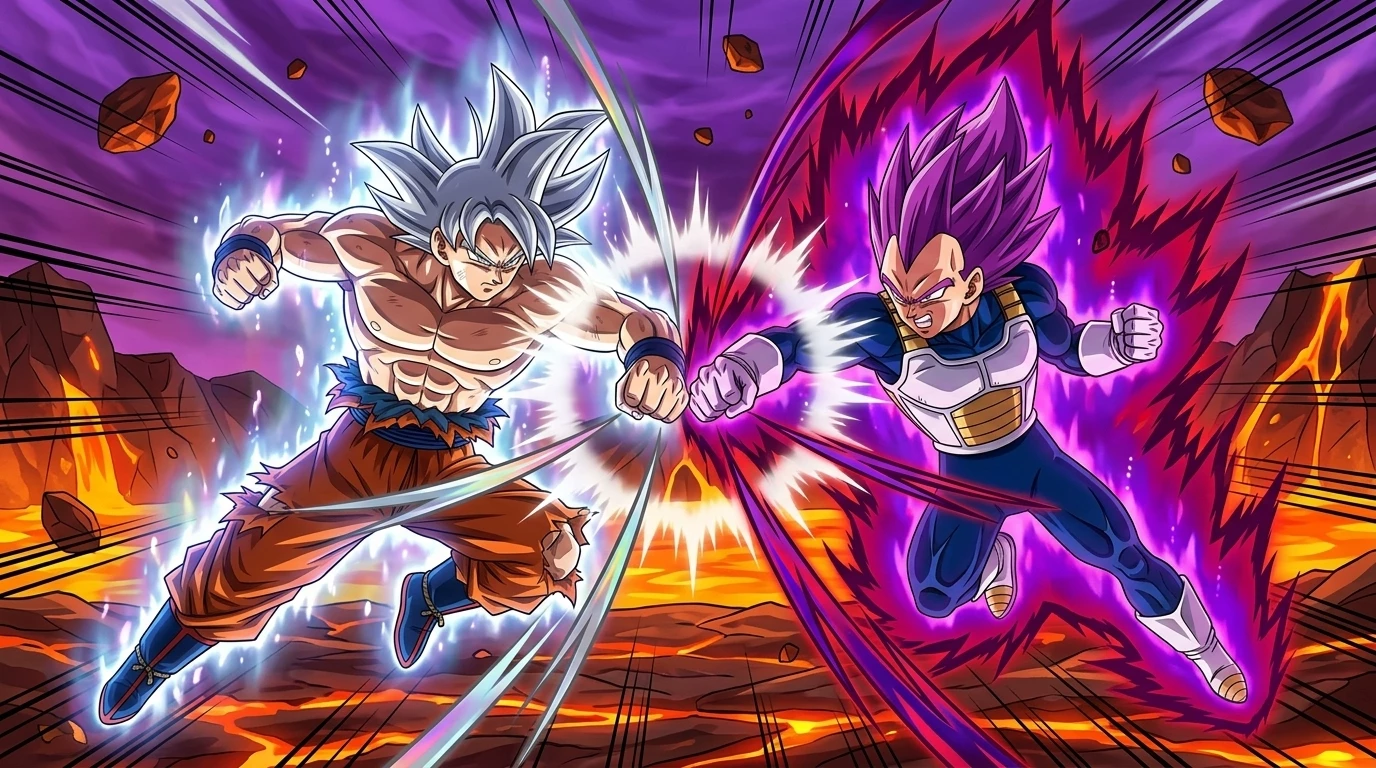
Sparking Zero May 26 Update Adds Demon World Stage and Reworks Transformation Healing
May 27, 2026Bandai Namco shipped a free Dragon Ball: Sparking Zero update on May 26, 2026 that introduces a new Demon World stage, overhauls transformation healing, and confirms the Daima Character Pack and Shallot DLC for release on June 27, 2026....
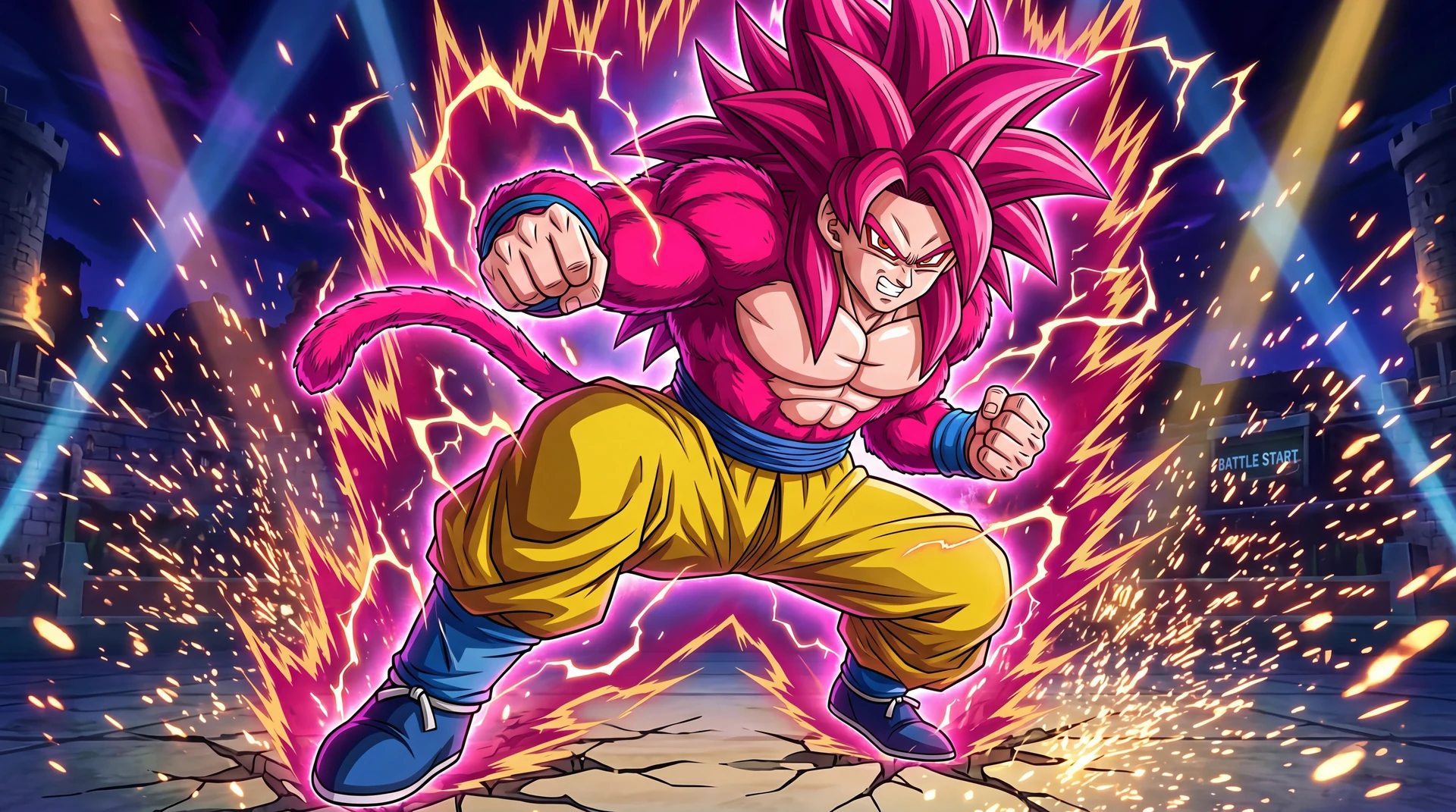
Dragon Ball FighterZ Adds Super Saiyan 4 Goku From Daima
May 25, 2026Dragon Ball FighterZ added Super Saiyan 4 Goku, the form featured in the Daima anime, as DLC on April 22, 2026. The 2018 fighting game is still getting new content nearly eight years on....
Dragon Ball Sparking Zero Super Limit-Breaking NEO DLC Adds 30 Plus Fighters for Summer 2026
Apr 20, 2026Bandai Namco and Spike Chunsoft unveiled the Super Limit-Breaking NEO expansion for Dragon Ball Sparking Zero at Battle Hour 2026. Summer 2026 release, 30 plus characters, four new stages, and a new solo mode....
Sources & Information
Looking for more on Dragon Ball: Daimaō Fukkatsu? The Dragon Ball Wiki on Fandom has a dedicated page with community notes.
View on FandomThis content is original writing by Daddy Jim Headquarters based on the Dragon Ball anime series, manga, and official materials. Episode and chapter references are cited where applicable.
Character and scene imagery on this site is original artwork by Daddy Jim Headquarters, not screenshots or licensed imagery. Official cover art is used on three types of pages for editorial commentary:
- Movie pages: theatrical posters and key visuals, credited to Toei Animation and Shueisha.
- Game pages: official box art, credited to Bandai Namco, Atari, and other publishers.
- Manga chapter pages: Jump Comics volume covers, credited to Shueisha and Akira Toriyama.
Browse our episode guides:
Official resources:
Dragon Ball Music by Daddy Jim Headquarters
Come listen to some Dragon Ball R&B.
Help Us Keep This Wiki Accurate
Daddy Jim Headquarters maintains this encyclopedia across 13 languages. If you spot an error, a translation issue, or something that doesn't look right, let us know.