Dragon Ball Discross
GameDragon Ball Discross is a Japanese arcade game, released in 2015 in Japan. The game allows the usage of many characters from the Dragon Ball series.
Mechanics & Disc System
Dragon Ball Discross is a Japanese arcade game released in 2015 that builds its entire gameplay and collectible experience around special Gashapon discs sold at convenience stores. Each disc features a printed character from the Dragon Ball series and functions as both a collectible item and a gameplay accessory. An optional Scouter headset is sold separately and works in conjunction with the discs across three modes: Rising Cross, which plays character voice lines when a disc is inserted into the headset's ear section; Full Throttle, which unlocks a secret voice; and Battle mode, which enables the disc for use in competitive arcade play. The headset is available in red and purple color variants, and special disc sets can unlock additional voice content for the Scouter.
The arcade cabinet itself uses the discs to grant access to playable characters and their special attacks during matches. This physical collectible mechanic, tying a separate purchasable product directly to arcade gameplay options, is central to the Discross experience. It positions the game as much as a merchandise-driven collectible system as a traditional arcade title, encouraging ongoing purchases of new disc releases as the character roster expanded over time.

Characters
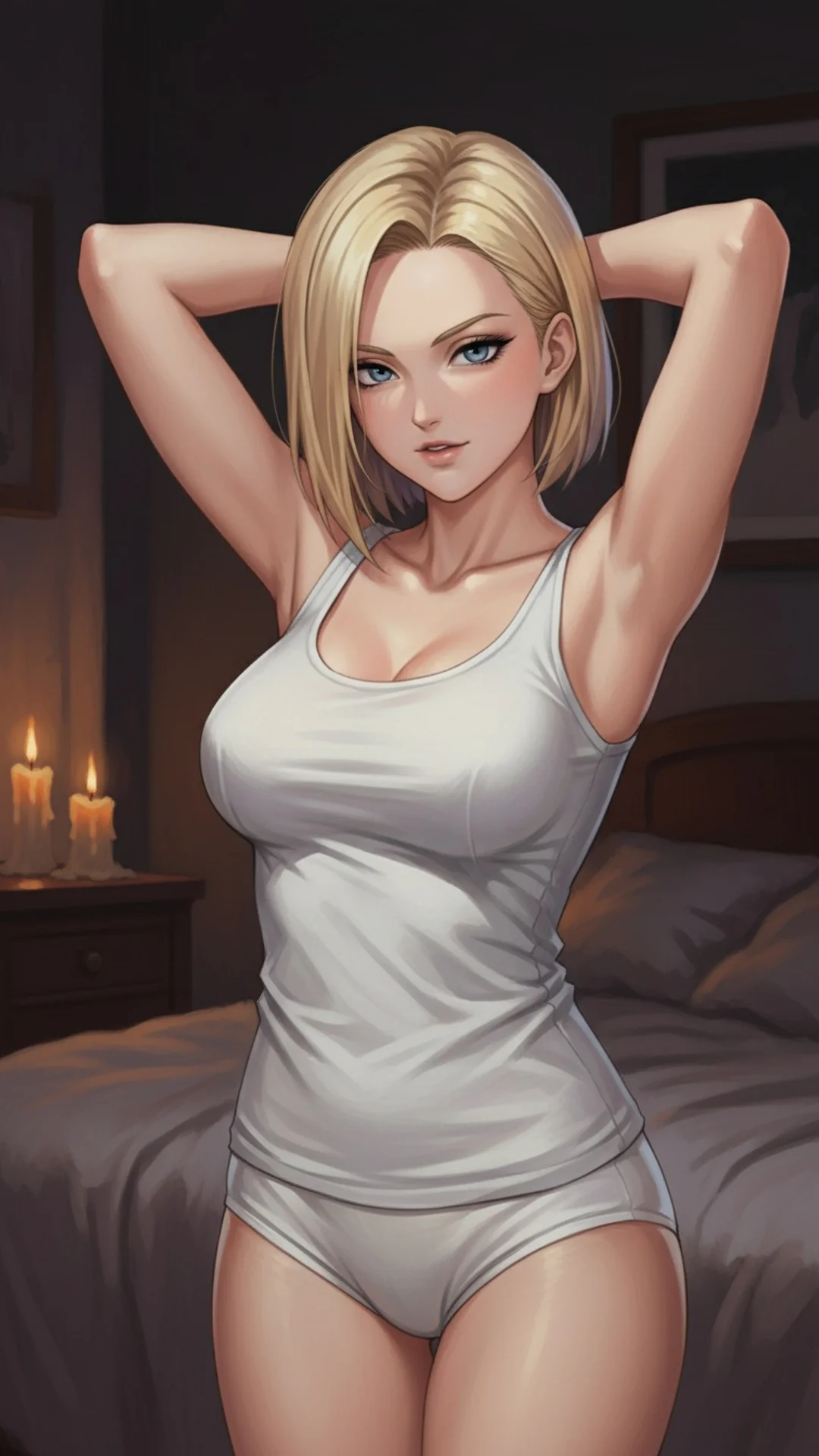
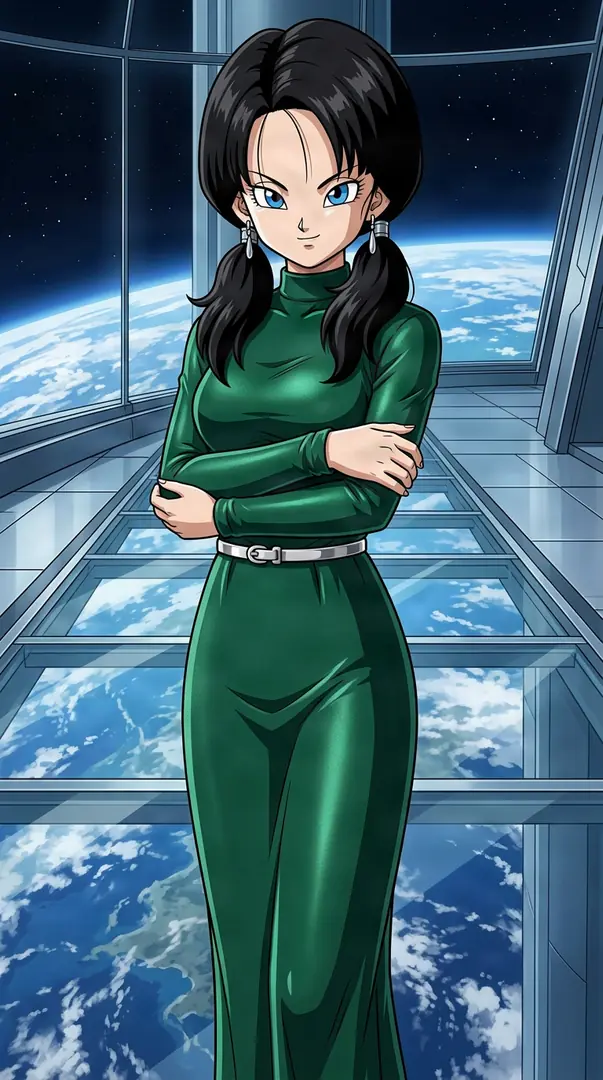
Dragon Ball Discross features one of the most comprehensive rosters assembled in a Dragon Ball arcade game up to its 2015 release date. The playable lineup spans the entire franchise timeline, from Kid Goku to characters introduced in Dragon Ball Super. Goku alone covers base, Kaio-ken, Super Saiyan, Super Saiyan 2, Super Saiyan 3, Super Saiyan 4, Super Saiyan God, Super Saiyan Blue, and Golden Great Ape forms. Vegeta matches this breadth with forms including Super Saiyan Blue, Super Saiyan 4, and Great Ape. The villain roster is equally thorough, covering Frieza across all four forms plus Golden Frieza, Cell across multiple forms, the full Buu family, and an extensive selection of movie and GT antagonists including Broly, Janemba, Baby Vegeta 2, Super 17, and Omega Shenron.
Dragon Ball Super characters are well represented, with Beerus, Whis, Hit, Cabba, Frost, Botamo, Auta Magetta, Champa, Vados, Tagoma, and Sorbet all included. Supporting cast members like Jaco, Pikkon, Uub, Mercenary Tao, and Jackie Chun further demonstrate the game's ambition to cover every corner of the franchise. The roster reflects the full scope of what the Dragon Ball property had become by the mid-2010s.
Merchandise & Context
Dragon Ball Discross represents the convergence of Japan's enduring Gashapon vending machine culture with the arcade gaming tradition that had long been a home for Dragon Ball titles. The game's associated manga, Dragon Ball Discross Jinryoku God Max!!, extended the property beyond the arcade into print, following the standard pattern of Japanese arcade game media expansions.
Released in 2015 during the early days of Dragon Ball Super's broadcast, Discross arrived at a moment of genuine franchise renaissance. The inclusion of Dragon Ball Super characters alongside the full classic and GT rosters made it one of the most timeline-complete Dragon Ball games of that period, and its disc-and-Scouter accessory system gave it a physical collectible dimension that extended the experience well beyond the arcade itself.
Related Reading
See all
Chiaotzu is Chi-Chi's Boo: Why the Guy Who Never Wins Finally Wins
The least likely man in Dragon Ball just took the biggest win in our catalog. The story behind our R&B record about Chiaotzu, Chi-Chi, and a house Goku is never in....
Krillin's on the Tinder: How the Ultimate Short King Survived the Height Filter
Tinder built a height filter. Dragon Ball built a five foot legend. What happened when we sent the ultimate short king into the modern dating hellscape....
Frequently Asked Questions
What is Dragon Ball Discross?
Dragon Ball Discross is a Japanese arcade game, released in 2015 in Japan. The game allows the usage of many characters from the Dragon Ball series.
What is Dragon Ball Discross about?
Dragon Ball Discross is a Japanese arcade game released in 2015 that builds its entire gameplay and collectible experience around special Gashapon discs sold at convenience stores. Each disc features a printed character from the Dragon Ball series and functions as both a collectible item and a gameplay accessory. An optional Scouter headset is sold separately and works in conjunction with the discs across three modes: Rising Cross, which plays character voice lines when a disc is inserted into the headset's ear section; Full Throttle, which unlocks a secret voice; and Battle mode, which enables the disc for use in competitive arcade play.
When was Dragon Ball Discross released?
Dragon Ball Discross was released in 2015. Dragon Ball Discross is a Japanese arcade game, released in 2015 in Japan.
Which Dragon Ball era does Dragon Ball Discross tie into?
Dragon Ball Discross ties into the Dragon Ball era of the franchise. Dragon Ball Discross is a Japanese arcade game, released in 2015 in Japan.
Which characters appear in Dragon Ball Discross?
Dragon Ball Discross features one of the most comprehensive rosters assembled in a Dragon Ball arcade game up to its 2015 release date. The playable lineup spans the entire franchise timeline, from Kid Goku to characters introduced in Dragon Ball Super. Goku alone covers base, Kaio-ken, Super Saiyan, Super Saiyan 2, Super Saiyan 3, Super Saiyan 4, Super Saiyan God, Super Saiyan Blue, and Golden Great Ape forms.
Sources & Information
Looking for more on Dragon Ball Discross? The Dragon Ball Wiki on Fandom has a dedicated page with community notes.
View on FandomThis content is original writing by Daddy Jim Headquarters based on the Dragon Ball anime series, manga, and official materials. Episode and chapter references are cited where applicable.
Character and scene imagery on this site is original artwork by Daddy Jim Headquarters, not screenshots or licensed imagery. Official cover art is used on three types of pages for editorial commentary:
- Movie pages: theatrical posters and key visuals, credited to Toei Animation and Shueisha.
- Game pages: official box art, credited to Bandai Namco, Atari, and other publishers.
- Manga chapter pages: Jump Comics volume covers, credited to Shueisha and Akira Toriyama.
Browse our episode guides:
Official resources:
Help Us Keep This Wiki Accurate
Daddy Jim Headquarters maintains this encyclopedia. If you spot an error, a translation issue, or something that doesn't look right, let us know.