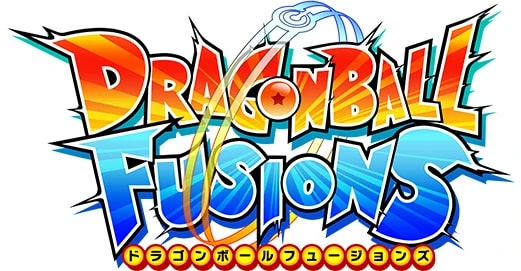
Dragon Ball Fusions
Gameis a Nintendo 3DS game released in Japan on August 4, 2016, and was released in North America on November 22, 2016 and in Europe and Australia on February 17, 2017. However, North American players who preordered the game from GameStop were able to get the game on November 18, 2016.
Gameplay & Mechanics
Dragon Ball Fusions is a Nintendo 3DS RPG released in Japan on August 4, 2016, with a North American release on November 22, 2016, and a European and Australian release on February 17, 2017. The game centers on a customizable protagonist named Tekka and their rival Pinich, who use the Dragon Balls to wish for the greatest martial arts tournament ever. This wish creates the Timespace Rift, a warped dimension that connects locations and timelines from across all of Dragon Ball history, serving as the game's primary setting and the justification for its enormous cross-timeline character roster.
The game's defining mechanical feature is its fusion system. Beyond the familiar Potara and Metamoran Fusion Dance methods from the series, Fusions introduces EX Fusion, which allows characters who would not normally be able to fuse to combine into new hybrid fighters. The game also introduces Five-Way Fusion, a technique that allows Tekka's entire team to merge into a single ultra-powerful Ultra Fusion. A player-created character design contest run in conjunction with the game's release allowed real fan submissions to influence the fused character designs that appeared in the final game, making it a rare instance of direct fan participation in a Dragon Ball title's content.
Story
The Timespace Rift draws characters from every era of Dragon Ball simultaneously: Kid Goku from his training-under-Kami period, GT-era Pan and Bulla, Goten and Trunks from the Dragon Ball Super timeline, Frieza revived from Earth's Hell, Bardock after his confrontation with Chilled, and Gine after Kakarrot's birth all coexist within the story. Tekka's team grows through a series of events that introduce these characters one by one, each with distinct dialogue reflecting their timeline of origin.
Notable story beats include Raditz and Nappa learning the Fusion Dance through mimicry after watching Goten and Trunks use it, resulting in their fusion into the original character Natz. The Ginyu Force becomes temporarily allied with the player's team before Frieza's reappearance reshuffles allegiances. The game includes a post-story set of mini-interactions between characters, such as a sequence where EX Gohanks flies to challenge Beerus on his planet and immediately loses, and a conversation between Kid Goku and Grandpa Gohan that addresses the generations connecting them to Goten and Pan.
Legacy & Reception
Dragon Ball Fusions was received positively as a creative departure from the fighting-game format that dominates Dragon Ball releases. Its RPG structure, enormous roster of over 100 playable characters, and the novel fusion mechanics gave it genuine depth as a handheld title. The fan design contest that shaped some of the game's fused characters was widely praised as an inventive way to involve the community in the creative process.
The game's Timespace Rift premise allowed it to explore character interactions and combinations that no other Dragon Ball game had attempted, pairing characters from radically different eras and asking how they would relate to one another. This creative ambition, combined with solid role-playing mechanics, makes Dragon Ball Fusions one of the most distinctive entries in the franchise's gaming history.
Related Reading
See all
Krillin's on the Tinder: How the Ultimate Short King Survived the Height Filter
Tinder built a height filter. Dragon Ball built a five foot legend. What happened when we sent the ultimate short king into the modern dating hellscape....
Infinite Zeni Glitch: When Yamcha Never Pays and Mr. Popo Always Does
The internet found an infinite money glitch. So did Yamcha. A smooth R&B track about the easiest money in the Dragon Ball world and the one man who keeps paying for it....
Frequently Asked Questions
What is Dragon Ball Fusions?
is a Nintendo 3DS game released in Japan on August 4, 2016, and was released in North America on November 22, 2016 and in Europe and Australia on February 17, 2017. However, North American players who preordered the game from GameStop were able to get the game on November 18, 2016.
Which characters appear in Dragon Ball Fusions?
The Timespace Rift draws characters from every era of Dragon Ball simultaneously: Kid Goku from his training-under-Kami period, GT-era Pan and Bulla, Goten and Trunks from the Dragon Ball Super timeline, Frieza revived from Earth's Hell, Bardock after his confrontation with Chilled, and Gine after Kakarrot's birth all coexist within the story. Tekka's team grows through a series of events that introduce these characters one by one, each with distinct dialogue reflecting their timeline of origin. Notable story beats include Raditz and Nappa learning the Fusion Dance through mimicry after watching Goten and Trunks use it, resulting in their fusion into the original character Natz.
What is Dragon Ball Fusions about?
Dragon Ball Fusions is a Nintendo 3DS RPG released in Japan on August 4, 2016, with a North American release on November 22, 2016, and a European and Australian release on February 17, 2017. The game centers on a customizable protagonist named Tekka and their rival Pinich, who use the Dragon Balls to wish for the greatest martial arts tournament ever. This wish creates the Timespace Rift, a warped dimension that connects locations and timelines from across all of Dragon Ball history, serving as the game's primary setting and the justification for its enormous cross-timeline character roster.
When was Dragon Ball Fusions released?
Dragon Ball Fusions was released in Japan on November 22, 2016 and in North America on February 17, 2017. It was developed by Ganbarion and published by Bandai Namco.
Who developed Dragon Ball Fusions?
Dragon Ball Fusions was developed by Ganbarion. The game was published by Bandai Namco in 2016.
Sources & Information
Looking for more on Dragon Ball Fusions? The Dragon Ball Wiki on Fandom has a dedicated page with community notes.
View on FandomThis content is original writing by Daddy Jim Headquarters based on the Dragon Ball anime series, manga, and official materials. Episode and chapter references are cited where applicable.
Character and scene imagery on this site is original artwork by Daddy Jim Headquarters, not screenshots or licensed imagery. Official cover art is used on three types of pages for editorial commentary:
- Movie pages: theatrical posters and key visuals, credited to Toei Animation and Shueisha.
- Game pages: official box art, credited to Bandai Namco, Atari, and other publishers.
- Manga chapter pages: Jump Comics volume covers, credited to Shueisha and Akira Toriyama.
Browse our episode guides:
Official resources:
Help Us Keep This Wiki Accurate
Daddy Jim Headquarters maintains this encyclopedia. If you spot an error, a translation issue, or something that doesn't look right, let us know.