Dragon Ball GT: Transformation
GameDragon Ball GT: Transformation is a 2005 video game developed by and based on the first half of Dragon Ball GT (up to the Baby Saga). The game is a standard "Beat-'em-up", similar to Dragon Ball: Advanced Adventure.
Gameplay
Dragon Ball GT: Transformation is a side-scrolling beat-em-up action game developed for the Game Boy Advance. The game adapts events from the Dragon Ball GT anime, placing players in control of Goku and other protagonists as they battle through waves of enemies across multiple stages. The GBA hardware allowed for fast-paced, portable gameplay that distilled the action of the GT saga into an accessible handheld format suited for on-the-go play.
Players advance through stages drawn from the Baby Saga, Super 17 Saga, and Shadow Dragon Saga, confronting iconic GT villains as stage bosses. Combat centers on standard attack combinations and special moves tied to ki consumption, with characters able to transform mid-level to access increased power states. The game supports up to two players in cooperative multiplayer via the Game Boy Advance link cable, allowing friends to tackle the GT saga together. Stage completion unlocks additional characters and areas, providing replay incentive beyond the primary story campaign.
As one of the few Dragon Ball GT games produced for Western markets on portable hardware, Dragon Ball GT: Transformation offered fans outside Japan an accessible way to experience the GT storyline through interactive gameplay. The title built on Webfoot Technologies' prior experience with Dragon Ball Z titles on the GBA platform, maintaining the visual and mechanical conventions familiar to the series' handheld audience.

Story & Characters
The game draws directly from Dragon Ball GT's three main story arcs, beginning with the threat posed by Baby as he works to infect Earth's inhabitants, continuing through the Super 17 conflict, and culminating in the battle against the Shadow Dragons. Playable characters include Goku, Pan, and Trunks, reflecting the core adventuring trio from the GT anime series. Boss encounters faithfully recreate key confrontations from the source material, including fights against Baby Vegeta and the Shenron antagonists.
Dragon Ball GT: Transformation stands as one of the few officially licensed GT games to reach Western markets, filling a gap left by the anime's limited international distribution. Its story coverage spans the full GT narrative arc from beginning to end, giving players who were unfamiliar with the anime a compressed but reasonably complete version of the GT saga's major events through interactive storytelling.
Related Reading
See all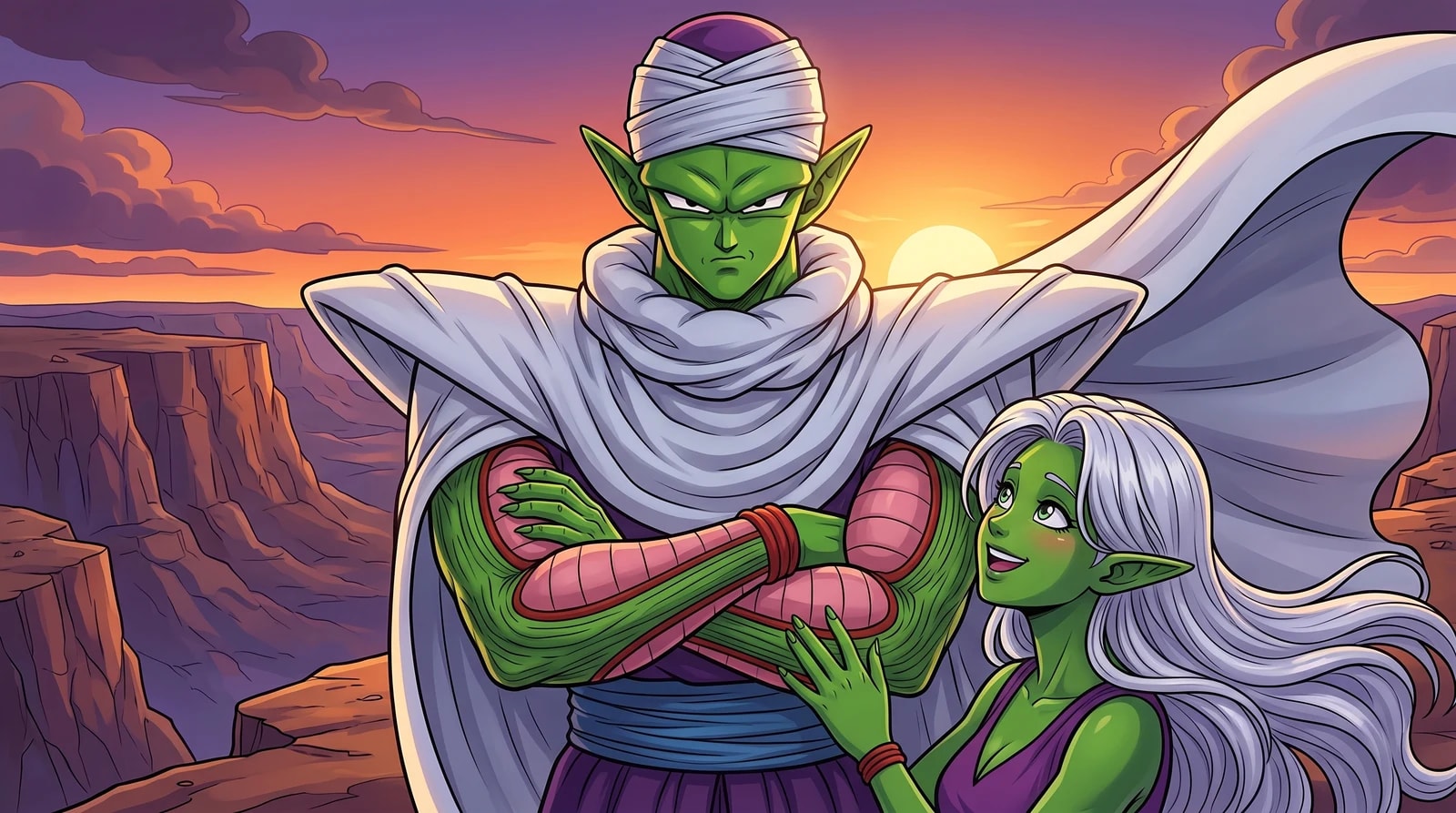
Namek Has No Women, and Piccolo Pulls Anyway
There are no women on Namek. That isn't an oversight, it's the biology. Why we handed Piccolo the one thing his own species rules out, and why it had to be trap soul....
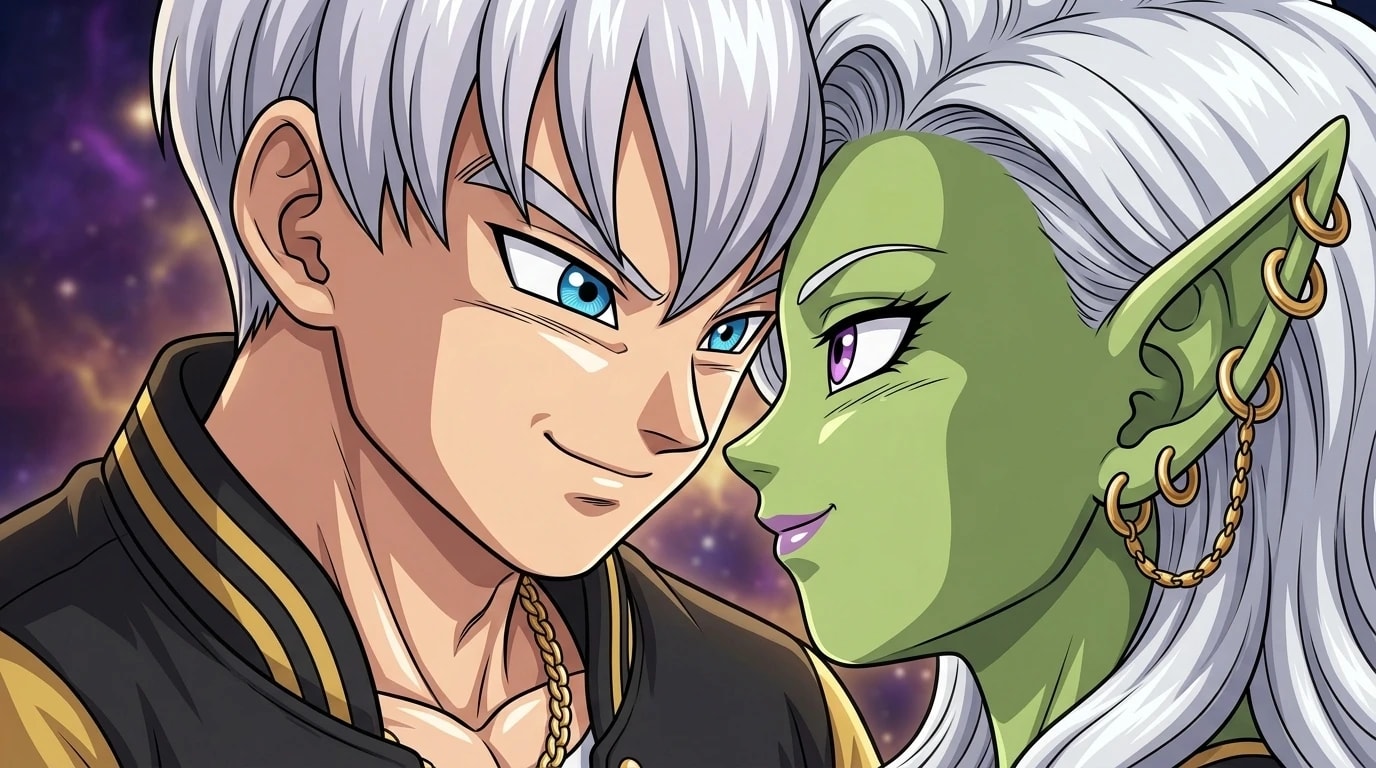
1000 Times Over: Who Is John Dragon Ball Singing To?
Dragon Ball handed us a protagonist with no history and the internet named him John Dragon Ball. So we built him somebody to talk to....

Legacy & Context
Released in 2005, Dragon Ball GT: Transformation arrived during a period when the GBA was still the dominant Nintendo handheld platform, allowing it to reach a broad audience of Dragon Ball fans with access to portable hardware. The game was developed alongside a number of other Dragon Ball titles for the GBA by Webfoot Technologies, forming part of a productive run of handheld Dragon Ball games in the mid-2000s.
Among Dragon Ball GT games, it holds the distinction of being one of the few GT-focused titles to receive a North American release, making it a notable artifact of the franchise's international history. The GT saga has remained underrepresented in the broader Dragon Ball game library compared to Dragon Ball Z, which adds to the cultural value of this title as one of the primary interactive representations of the GT storyline for Western audiences.
Frequently Asked Questions
What is Dragon Ball GT transformation rated?
Dragon Ball GT: Transformation is a 2005 video game developed by and based on the first half of Dragon Ball GT (up to the Baby Saga). The game is a standard "Beat-'em-up", similar to Dragon Ball: Advanced Adventure.
How does Dragon Ball GT: Transformation play?
Dragon Ball GT: Transformation is a side-scrolling beat-em-up action game developed for the Game Boy Advance. The game adapts events from the Dragon Ball GT anime, placing players in control of Goku and other protagonists as they battle through waves of enemies across multiple stages. The GBA hardware allowed for fast-paced, portable gameplay that distilled the action of the GT saga into an accessible handheld format suited for on-the-go play.
How was Dragon Ball GT: Transformation received?
Released in 2005, Dragon Ball GT: Transformation arrived during a period when the GBA was still the dominant Nintendo handheld platform, allowing it to reach a broad audience of Dragon Ball fans with access to portable hardware. The game was developed alongside a number of other Dragon Ball titles for the GBA by Webfoot Technologies, forming part of a productive run of handheld Dragon Ball games in the mid-2000s. Among Dragon Ball GT games, it holds the distinction of being one of the few GT-focused titles to receive a North American release, making it a notable artifact of the franchise's international history.
When was Dragon Ball GT: Transformation released?
Dragon Ball GT: Transformation was released in 2005. It was developed by Webfoot Technologies and published by Atari.
Who developed Dragon Ball GT: Transformation?
Dragon Ball GT: Transformation was developed by Webfoot Technologies. The game was published by Atari in 2005.
Sources & Information
Looking for more on Dragon Ball GT: Transformation? The Dragon Ball Wiki on Fandom has a dedicated page with community notes.
View on FandomThis content is original writing by Daddy Jim Headquarters based on the Dragon Ball anime series, manga, and official materials. Episode and chapter references are cited where applicable.
Rights holders
- Created byAkira Toriyama
- Published byShueisha
- Animated byToei Animation
All rights belong to their respective owners.
Character and scene imagery on this site is original artwork by Daddy Jim Headquarters, not screenshots or licensed imagery. Official cover art is used on three types of pages for editorial commentary:
- Movie pages: theatrical posters and key visuals, credited to Toei Animation and Shueisha.
- Game pages: official box art, credited to Bandai Namco, Atari, and other publishers.
- Manga chapter pages: Jump Comics volume covers, credited to Shueisha and Akira Toriyama.
Browse our episode guides:
Official resources:
Help Us Keep This Wiki Accurate
Daddy Jim Headquarters maintains this encyclopedia. If you spot an error, a translation issue, or something that doesn't look right, let us know.