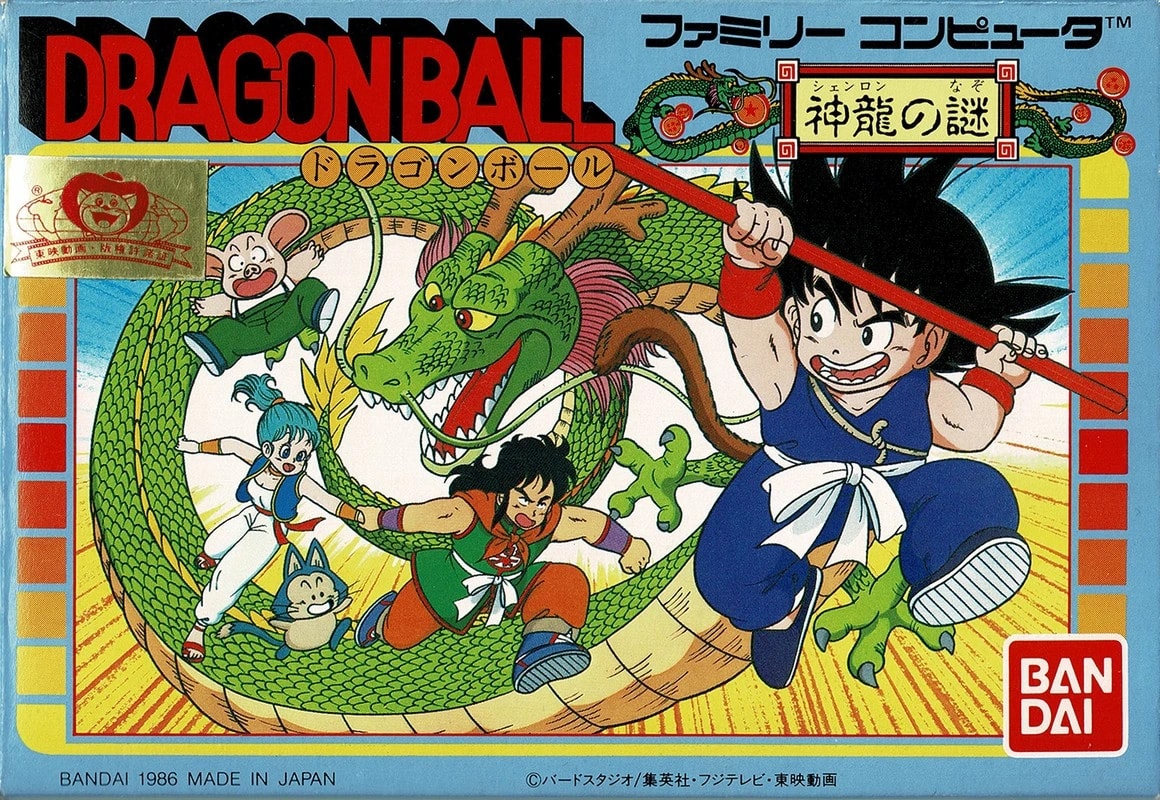
Dragon Ball: Shenron no Nazo
GameDragon Ball: Shenron no Nazo龍の謎|Doragon Bōru Shenron no Nazo|lit. Dragon Ball: Shenlong’s Mystery}} is the second video game based on the Dragon Ball series (its predecessor being Dragon Ball: Dragon Daihikyou) and the first Dragon Ball game produced and distributed by Bandai. It is an action game developed by TOSE Software Company. It was released for the Family Computer on November 27, 1986 in Japan. Outside Japan, a graphically altered version released for the North American market in March 1988 under the title of Dragon Power, which divorced the game from the Dragon Ball license.
Gameplay Structure & Stage Design
Dragon Ball: Shenron no Nazo is a 1986 action game for the Family Computer that blends two distinct gameplay perspectives within a single title. The primary exploration segments present overhead 2D arenas where Goku moves through enemy-filled environments, collecting Dragon Balls and fighting off antagonists from above. These overhead stages then transition into side-scrolling sequences for the climactic boss encounters, giving each chapter a structural rhythm of exploration followed by a direct confrontation. The game progresses through fourteen chapters, each named after a specific story event and set across a variety of locations drawn from both the manga and original content unique to the game.
The combat mechanics are straightforward for the hardware of the era, relying on movement and attack inputs to defeat enemies before moving to the next area. Boss fights against named characters such as Yamcha, Oolong, Ox-King, Monster Carrot, and ultimately Emperor Pilaf test the player's ability to navigate the side-scrolling format under pressure. The game then departs from canonical story content to introduce a Kung-Fu Tournament arc spanning four chapters, followed by an entirely original storyline in which Goku searches for his Grandpa Gohan's keepsake Four-Star Dragon Ball, taking him to the moon, to a jungle ruled by a character named Bimbo, and finally to a tower controlled by the MB Army.
The North American localization, released as Dragon Power in March 1988, substantially altered the game's presentation by changing character appearances, renaming several characters, and replacing Dragon Ball references with unrelated terminology. Goku was redesigned in American martial arts imagery, Master Roshi's characterization was altered for content reasons, and the Dragon Balls were relabeled Crystal Balls, effectively severing the American release from its source material.

Plot & Regional Versions
Shenron no Nazo opens by following the first two volumes of the Dragon Ball manga, tracing Goku's adventures as he collects the Dragon Balls, encounters Bulma, Yamcha, Oolong, and Ox-King, and eventually confronts Emperor Pilaf in his castle to make the first wish from Shenron. After this canonical portion concludes, the game introduces original content: Goku enters a four-round Kung-Fu Tournament against opponents including Krillin, a Metal Soldier, Yamcha in a rematch, and a creature called Buyon in the final. A third story arc then sends Goku on a quest to recover the Four-Star Dragon Ball, which takes him to the moon to fight Monster Carrot again, through an island chain guarded by giant crabs named Bubbler, into a jungle ruled by the antagonist Bimbo, and finally into a tower controlled by the MB Army. After defeating the MB Army General and a robot guardian, Goku recovers the Dragon Ball and the game ends on a cliffhanger with Emperor Pilaf promising future schemes.
Three regional versions of the game exist with meaningful differences. The Japanese and European editions both use the authentic Dragon Ball art style and music from the anime. The European version, released exclusively in France in 1990 as Le Secret du Dragon, holds the distinction of being the first Famicom or NES game translated into French, though the translation contains notable misspellings and errors. The North American Dragon Power version diverges most significantly, featuring a redesigned protagonist and altered character portrayals intended to appeal to Western audiences unfamiliar with the Dragon Ball franchise at the time.
Historical Significance & Compilations
Shenron no Nazo holds a distinguished place in Dragon Ball gaming history as the second video game based on the franchise and the first produced and distributed by Bandai, establishing a publishing relationship that would endure for decades. Its predecessor, Dragon Ball: Dragon Daihikyou, was the franchise's debut game, making Shenron no Nazo the title that defined many of the early conventions for Dragon Ball interactive entertainment on the Famicom platform. Developed by TOSE Software Company, the game arrived in November 1986 and reached France in 1990, demonstrating the early international appetite for Dragon Ball merchandise beyond Japan.
The game's legacy extends beyond its original release through multiple preservation efforts. Shenron no Nazo was included as a playable bonus in the Japanese edition of Dragon Ball: Origins 2 for the Nintendo DS, introducing the game to a new generation of players in an accessible format. It was also included in the J Legend Retsuden compilation for the Nintendo 3DS, positioning it alongside other classic titles from the same publishing era. These inclusions confirm the game's recognized status as a historically significant artifact within the broader Dragon Ball library.
Related Reading
See all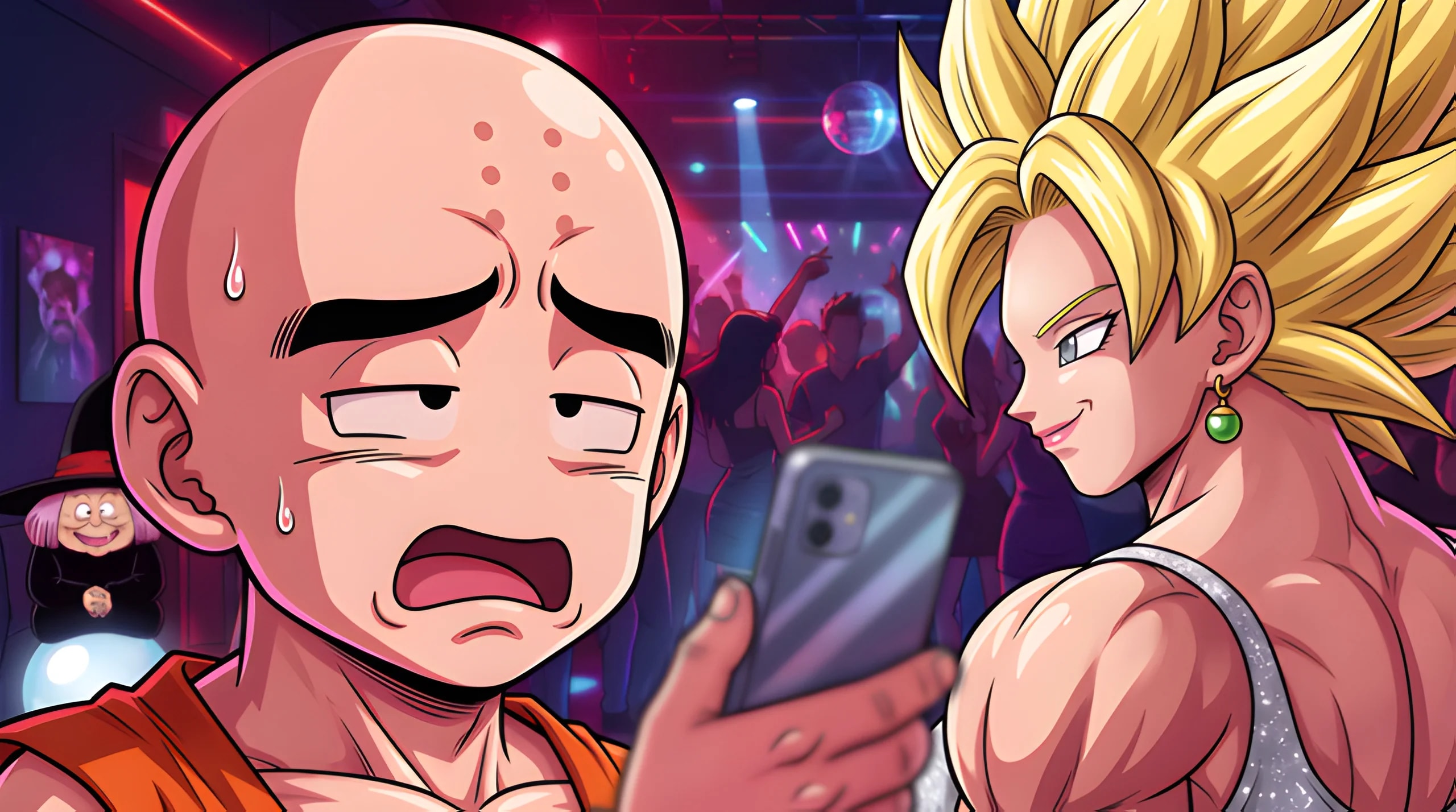
Krillin's on the Tinder: How the Ultimate Short King Survived the Height Filter
Tinder built a height filter. Dragon Ball built a five foot legend. What happened when we sent the ultimate short king into the modern dating hellscape....
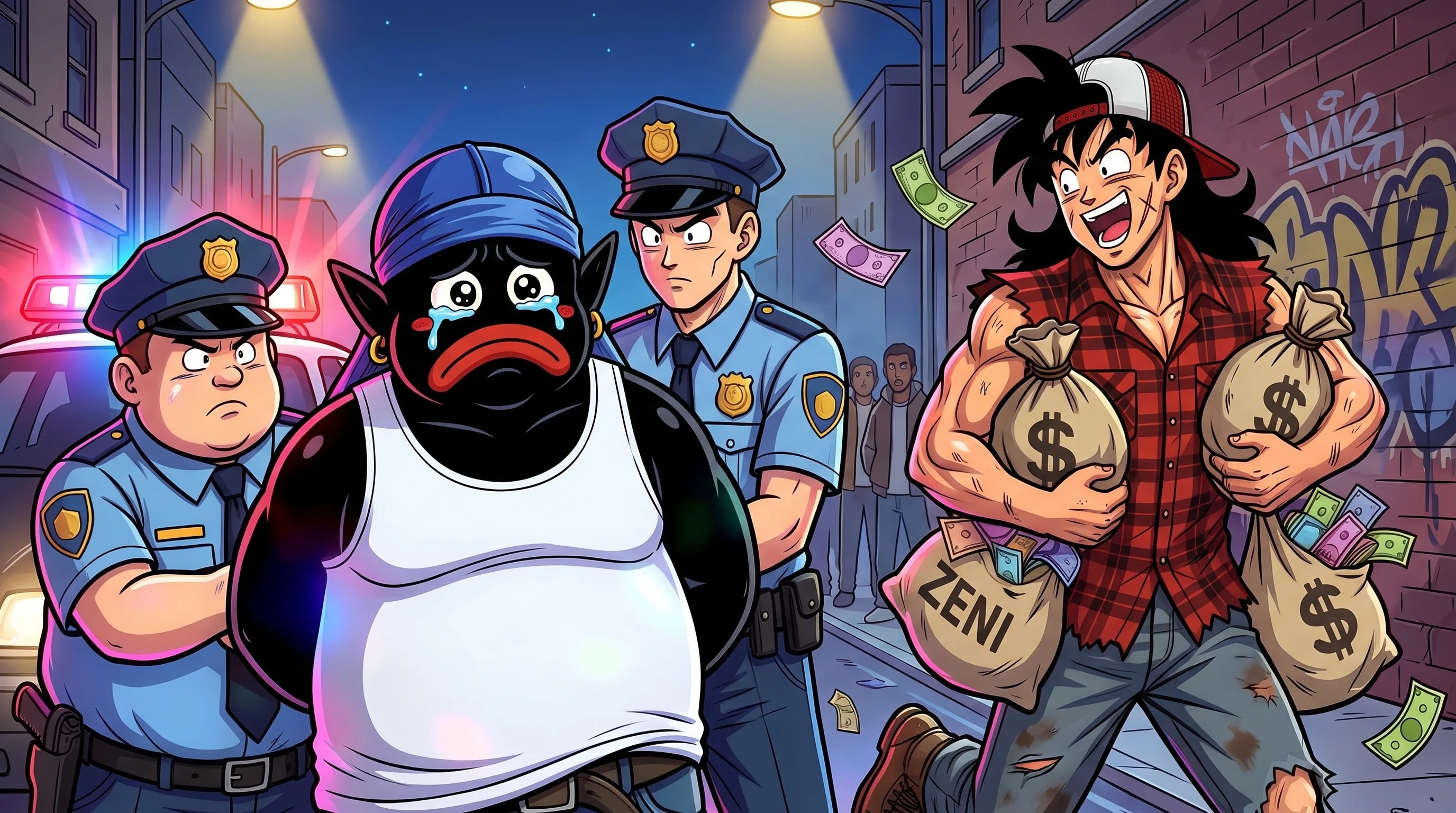
Infinite Zeni Glitch: When Yamcha Never Pays and Mr. Popo Always Does
The internet found an infinite money glitch. So did Yamcha. A smooth R&B track about the easiest money in the Dragon Ball world and the one man who keeps paying for it....
Frequently Asked Questions
What is Dragon Ball: Shenron no Nazo?
Dragon Ball: lit. Dragon Ball: Shenlong’s Mystery is the second video game based on the Dragon Ball series (its predecessor being Dragon Ball: Dragon Daihikyou) and the first Dragon Ball game produced and distributed by Bandai. It is an action game developed by TOSE Software Company.
What is Dragon Ball: Shenron no Nazo about?
Dragon Ball: Shenron no Nazo is a 1986 action game for the Family Computer that blends two distinct gameplay perspectives within a single title. The primary exploration segments present overhead 2D arenas where Goku moves through enemy-filled environments, collecting Dragon Balls and fighting off antagonists from above. These overhead stages then transition into side-scrolling sequences for the climactic boss encounters, giving each chapter a structural rhythm of exploration followed by a direct confrontation.
When was Dragon Ball: Shenron no Nazo released?
Dragon Ball: Shenron no Nazo was released in 1986. It was published by Bandai.
Who published Dragon Ball: Shenron no Nazo?
Dragon Ball: Shenron no Nazo was published by Bandai. It was released in 1986.
What genre is Dragon Ball: Shenron no Nazo?
Dragon Ball: Shenron no Nazo is an action game. It is tied to the Dragon Ball era of the franchise.
Sources & Information
Looking for more on Dragon Ball: Shenron no Nazo? The Dragon Ball Wiki on Fandom has a dedicated page with community notes.
View on FandomThis content is original writing by Daddy Jim Headquarters based on the Dragon Ball anime series, manga, and official materials. Episode and chapter references are cited where applicable.
Character and scene imagery on this site is original artwork by Daddy Jim Headquarters, not screenshots or licensed imagery. Official cover art is used on three types of pages for editorial commentary:
- Movie pages: theatrical posters and key visuals, credited to Toei Animation and Shueisha.
- Game pages: official box art, credited to Bandai Namco, Atari, and other publishers.
- Manga chapter pages: Jump Comics volume covers, credited to Shueisha and Akira Toriyama.
Browse our episode guides:
Official resources:
Help Us Keep This Wiki Accurate
Daddy Jim Headquarters maintains this encyclopedia. If you spot an error, a translation issue, or something that doesn't look right, let us know.