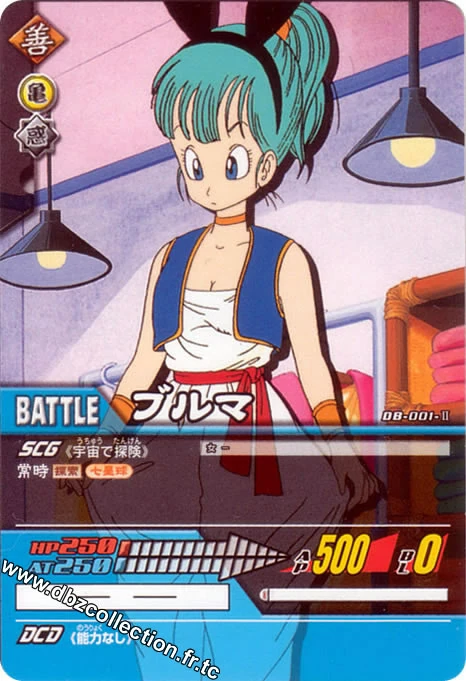
Dragon Ball Super Card Game (original)
GameDragon Ball Super Card Game is a card game of the Dragon Ball franchise released in Japan and France by Bandai. It consists of thirteen parts. Trading card packs and starting decks were released.
Card Game Format & Set Structure
Dragon Ball Super Card Game (original) is a collectible trading card game produced by Bandai and distributed in Japan and France. The game operates across a series of thirteen numbered parts, each part releasing new booster packs and starter decks that expand the available card pool. Players build decks from the collected cards and compete using the game's dedicated rules system, with the card artwork drawing directly from Dragon Ball franchise characters and scenes. Starter decks provide entry-level players with pre-constructed playable sets, while booster packs allow for the random acquisition of rarer and more powerful cards to strengthen competitive builds.
The card catalog spans an exceptionally broad range of Dragon Ball characters, from foundational figures such as Bulma (DB-001), Master Roshi, and Emperor Pilaf to combatants from across the franchise's major storylines. Later sets introduce ensemble cards depicting character pairs such as Goku and Krillin, Mr. Satan and Videl, Chi-Chi and Ox-King, and Great Saiyaman, reflecting the game's emphasis on the full ensemble cast rather than a narrow focus on the most powerful fighters. Numbered sets reach into the DB-1000 range, indicating a substantial volume of individual card releases across the game's thirteen-part lifespan.
The geographic distribution of the game to both Japan and France reflects Dragon Ball's strong European presence in the early 2000s, a period when the franchise maintained particularly dedicated fanbases in French-speaking markets due to the long-running television broadcast history of the anime in those regions. The card game served as an accessible collectible product for fans who wanted franchise engagement outside of video game or manga formats.


Content & Character Representation
The Dragon Ball Super Card Game (original) draws its cast from the full range of the Dragon Ball franchise, featuring characters from the original Dragon Ball series, Dragon Ball Z, and related media. The earliest numbered cards establish the breadth of the game's scope: DB-001 features Bulma, followed immediately by supporting characters such as Icarus, Oolong, and Emperor Pilaf, signaling that the game prioritizes the franchise's entire supporting ensemble rather than restricting itself to combat-focused heroes and villains. Powerful fighters such as Piccolo, Nappa, Zarbon, and Dodoria appear in the mid-range of the first series alongside less prominent characters like Cynthia and Maron, demonstrating an inclusive approach to character selection.
Later sets in the thirteen-part run expand the roster further, eventually including ensemble combination cards that pair iconic duos and groupings. The card DB-1225 through DB-1228 series depicts Goku, Chi-Chi, Ox-King, and Grandpa Gohan, grounding the later releases in the family relationships central to the franchise's emotional core. The card DB-1243 featuring Bulla demonstrates the game's willingness to represent even minor characters from Dragon Ball GT and Dragon Ball Super within its final sets. This comprehensive approach to character inclusion distinguishes the original game as a thorough archive of the franchise's cast as it existed during the game's production period.

Historical Context & Collector Value
The Dragon Ball Super Card Game (original) predates the modern Dragon Ball Super Card Game trading card game that launched in 2017, representing an earlier chapter in Bandai's sustained effort to build collectible card products around the Dragon Ball license. Its thirteen-part structure and dual Japan and France distribution point to a product designed for a sustained multi-year release cycle rather than a single limited run. The game emerged during a period when Dragon Ball retained enormous cultural and commercial presence in both markets, and its card art drew from the established visual library of the anime and manga.
For collectors, the original Dragon Ball Super Card Game represents an accessible entry point into pre-modern Dragon Ball trading card history. The numbered card system creates natural completionist goals, and the character breadth of the set ensures that fans of obscure supporting cast members can find cards representing their favorite characters. The game's French market availability also makes it of particular interest to collectors tracing the history of Dragon Ball merchandise in European markets, where the franchise's card game presence was less extensively documented than in Japan.
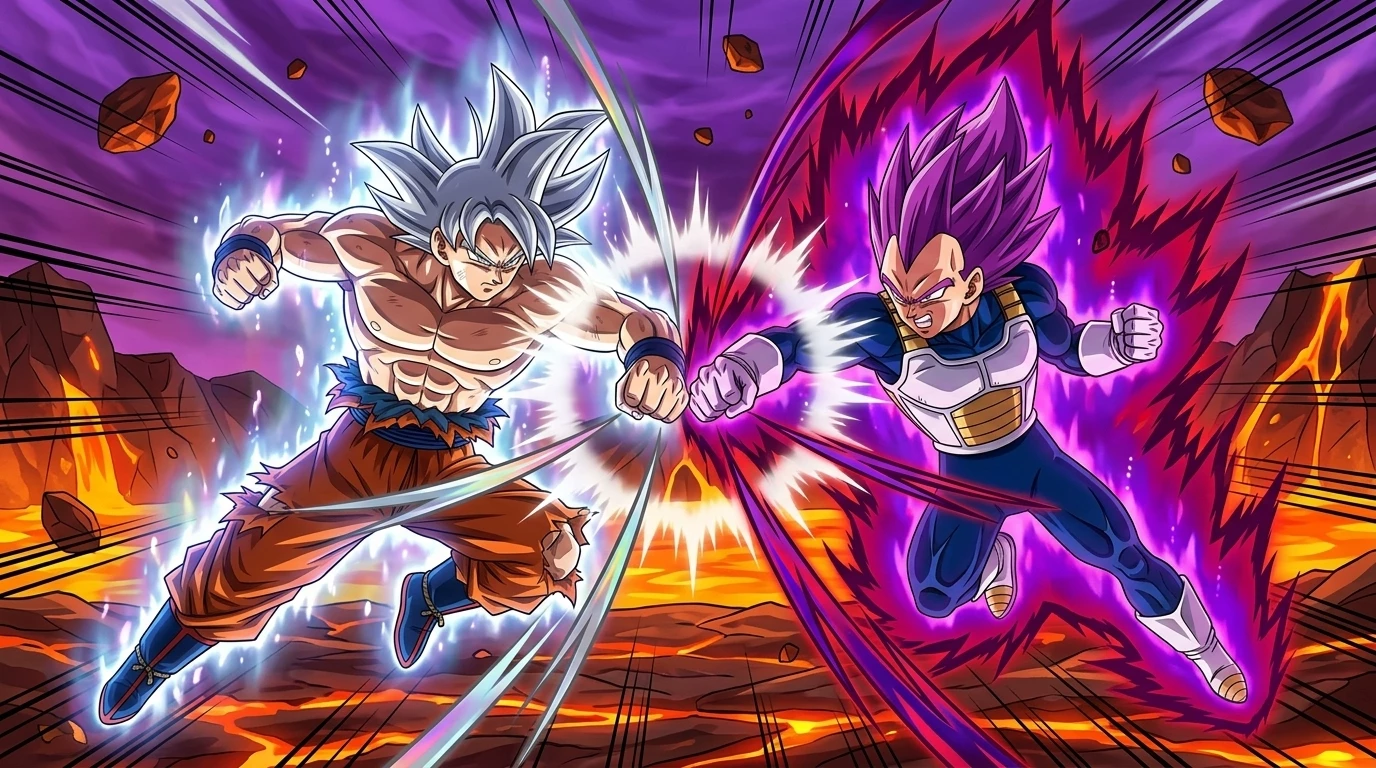
Sparking Zero May 26 Update Adds Demon World Stage and Reworks Transformation Healing
May 27, 2026Bandai Namco shipped a free Dragon Ball: Sparking Zero update on May 26, 2026 that introduces a new Demon World stage, overhauls transformation healing, and confirms the Daima Character Pack and Shallot DLC for release on June 27, 2026....
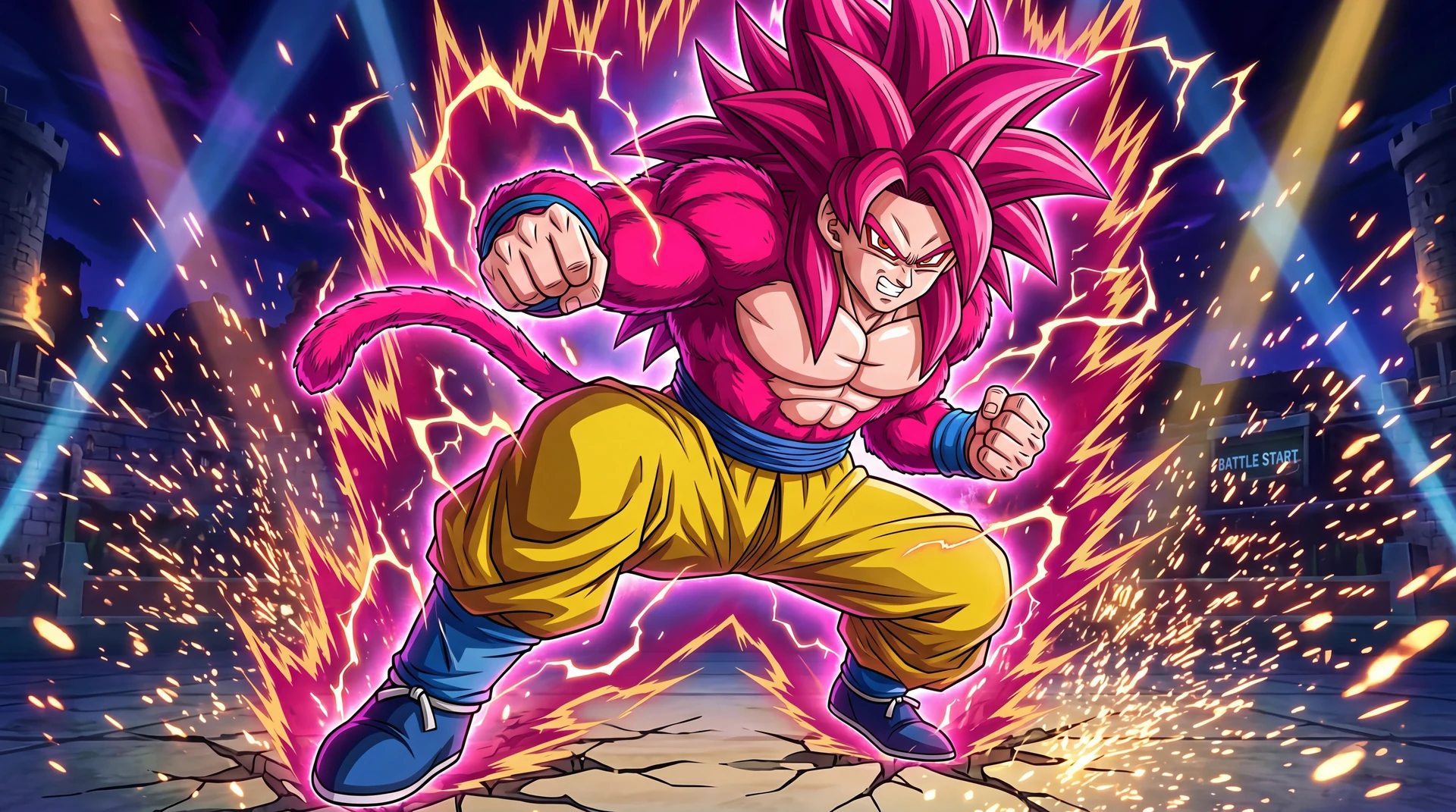
Dragon Ball FighterZ Adds Super Saiyan 4 Goku From Daima
May 25, 2026Dragon Ball FighterZ added Super Saiyan 4 Goku, the form featured in the Daima anime, as DLC on April 22, 2026. The 2018 fighting game is still getting new content nearly eight years on....
Dragon Ball Sparking Zero Super Limit-Breaking NEO DLC Adds 30 Plus Fighters for Summer 2026
Apr 20, 2026Bandai Namco and Spike Chunsoft unveiled the Super Limit-Breaking NEO expansion for Dragon Ball Sparking Zero at Battle Hour 2026. Summer 2026 release, 30 plus characters, four new stages, and a new solo mode....
Sources & Information
Looking for more on Dragon Ball Super Card Game (original)? The Dragon Ball Wiki on Fandom has a dedicated page with community notes.
View on FandomThis content is original writing by Daddy Jim Headquarters based on the Dragon Ball anime series, manga, and official materials. Episode and chapter references are cited where applicable.
Character and scene imagery on this site is original artwork by Daddy Jim Headquarters, not screenshots or licensed imagery. Official cover art is used on three types of pages for editorial commentary:
- Movie pages: theatrical posters and key visuals, credited to Toei Animation and Shueisha.
- Game pages: official box art, credited to Bandai Namco, Atari, and other publishers.
- Manga chapter pages: Jump Comics volume covers, credited to Shueisha and Akira Toriyama.
Browse our episode guides:
Official resources:
Dragon Ball Music by Daddy Jim Headquarters
Come listen to some Dragon Ball R&B.
Help Us Keep This Wiki Accurate
Daddy Jim Headquarters maintains this encyclopedia across 13 languages. If you spot an error, a translation issue, or something that doesn't look right, let us know.