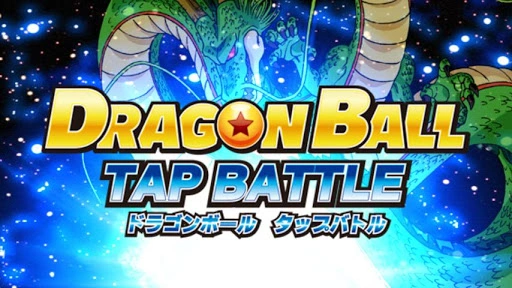
Dragon Ball: Tap Battle
GameDragon Ball: Tap Battle|Doragon Bōru Zetto Tappu Batoru}} is a fighting game based on Dragon Ball Z. It was released on March 25, 2013, for Android2.3 (Gingerbread) and higher, and on July 25, 2013 for iOS (iPhone 4, 4S, and 5). The game was first announced in V-Jump #5, on March 2013, one week before its release.
Touchscreen Combat & Mobile Mechanics
Dragon Ball: Tap Battle is a 2D action-fighting game released on March 25, 2013, for Android and on July 25, 2013, for iOS, built specifically around touchscreen controls. Combat takes place on a 2D plane where players face off against opponents using timed taps and swipes on the screen to execute attacks, blocks, and special moves. The direct touch-based input creates an accessible control scheme that removes the barrier of traditional physical button layouts while still rewarding precise timing and reactive play. A two-player mode is available via Bluetooth, allowing local competitive play between two devices.
The playable roster features fighters drawn from Dragon Ball Z, including Goku in Super Saiyan and Super Saiyan 3 forms, Vegeta in Super Saiyan form, Gohan with Super Saiyan and Super Saiyan 2 forms, Piccolo, Krillin, Frieza in Final Form and 50% power, Cell in Perfect form, and Majin Buu in multiple variants. Each fighter's moveset is translated into the swipe and tap vocabulary of the mobile format, with signature techniques such as the Kamehameha and Galick Gun mapped to specific gesture inputs. The game's 2D presentation draws on the visual style of the Dragon Ball Z anime, with character sprites that reference the era's characteristic animation aesthetic.
The title's mobile-first design philosophy prioritizes quick sessions and intuitive onboarding, making it suitable for players new to Dragon Ball fighting games who are approaching the franchise through a smartphone context. The Bluetooth multiplayer feature distinguishes Tap Battle from many contemporary mobile fighters by offering a genuine local competitive mode that does not depend on an internet connection.


Characters & Gameplay Content
Tap Battle focuses its narrative and content framing on the Dragon Ball Z saga, presenting a roster built around the franchise's most recognizable fighters. Goku serves as the centerpiece, with his Super Saiyan 3 form available as a powered-up version of his standard entry. The inclusion of multiple transformation states for several characters, including Gohan's progression from Super Saiyan to Super Saiyan 2, reflects the game's intent to represent the power escalation central to the Dragon Ball Z narrative within the constraints of a mobile fighter format. Villains such as Frieza, Cell, and Majin Buu appear as both playable fighters and as adversaries within the game's opponent sequences.
The 2D side-scrolling fight plane is a deliberate design choice that suits both the touchscreen control scheme and the limited rendering demands of 2013-era mobile hardware. Rather than attempting the 3D arena combat common to console Dragon Ball titles, Tap Battle commits fully to its 2D format and builds its mechanics around that constraint. The result is a game with a clear visual identity and control logic that operates within what the platform can deliver effectively. The Bluetooth two-player mode extends the game's utility beyond single-player sessions and creates a social element suited to in-person gatherings.


Platform Context & Release
Dragon Ball: Tap Battle entered the market in 2013 as part of a wave of Dragon Ball mobile titles that followed the franchise's resurgence in digital storefronts. Its staggered Android-first launch, followed by the iOS release four months later, reflects the development priorities of the period, when Android's more open distribution model made it the preferred initial platform for many Japanese mobile games. The game's design philosophy positions it as an accessible gateway title rather than a deep competitive experience, targeting players who engage with Dragon Ball primarily through the anime rather than through the broader fighting game ecosystem.
Tap Battle's straightforward premise and mobile-optimized controls made it part of a broader category of official Dragon Ball mobile releases that sought to bring the franchise to smartphone audiences who might not own dedicated gaming hardware. Its inclusion of a Bluetooth multiplayer mode gave it a feature edge over simpler single-player mobile titles and increased its appeal as a casual competitive option between friends. The game represents a specific moment in mobile gaming history when publishers were actively exploring how console franchises could be meaningfully adapted to the touch-only interface of smartphones.
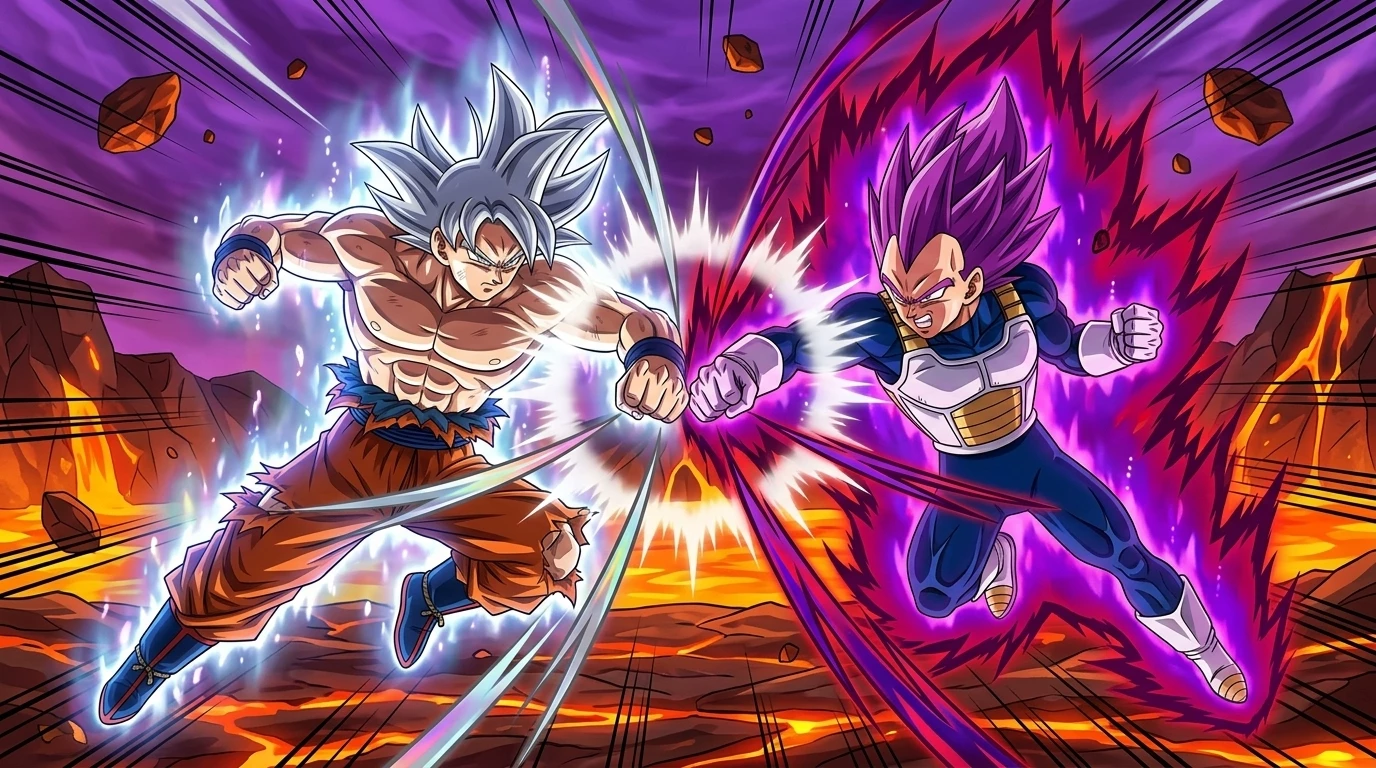
Sparking Zero May 26 Update Adds Demon World Stage and Reworks Transformation Healing
May 27, 2026Bandai Namco shipped a free Dragon Ball: Sparking Zero update on May 26, 2026 that introduces a new Demon World stage, overhauls transformation healing, and confirms the Daima Character Pack and Shallot DLC for release on June 27, 2026....
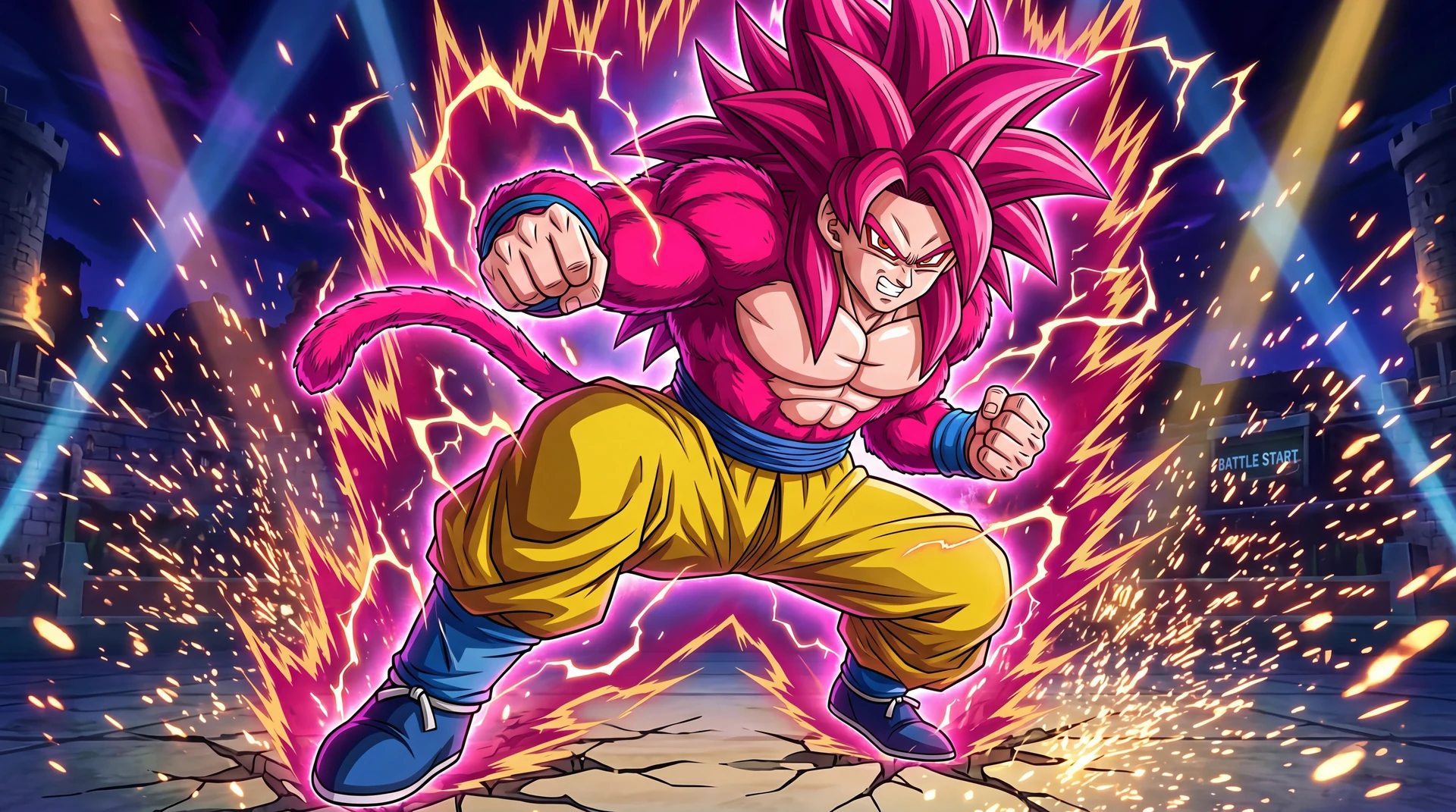
Dragon Ball FighterZ Adds Super Saiyan 4 Goku From Daima
May 25, 2026Dragon Ball FighterZ added Super Saiyan 4 Goku, the form featured in the Daima anime, as DLC on April 22, 2026. The 2018 fighting game is still getting new content nearly eight years on....
Dragon Ball Sparking Zero Super Limit-Breaking NEO DLC Adds 30 Plus Fighters for Summer 2026
Apr 20, 2026Bandai Namco and Spike Chunsoft unveiled the Super Limit-Breaking NEO expansion for Dragon Ball Sparking Zero at Battle Hour 2026. Summer 2026 release, 30 plus characters, four new stages, and a new solo mode....
Sources & Information
Looking for more on Dragon Ball: Tap Battle? The Dragon Ball Wiki on Fandom has a dedicated page with community notes.
View on FandomThis content is original writing by Daddy Jim Headquarters based on the Dragon Ball anime series, manga, and official materials. Episode and chapter references are cited where applicable.
Character and scene imagery on this site is original artwork by Daddy Jim Headquarters, not screenshots or licensed imagery. Official cover art is used on three types of pages for editorial commentary:
- Movie pages: theatrical posters and key visuals, credited to Toei Animation and Shueisha.
- Game pages: official box art, credited to Bandai Namco, Atari, and other publishers.
- Manga chapter pages: Jump Comics volume covers, credited to Shueisha and Akira Toriyama.
Browse our episode guides:
Official resources:
Dragon Ball Music by Daddy Jim Headquarters
Come listen to some Dragon Ball R&B.
Help Us Keep This Wiki Accurate
Daddy Jim Headquarters maintains this encyclopedia across 13 languages. If you spot an error, a translation issue, or something that doesn't look right, let us know.