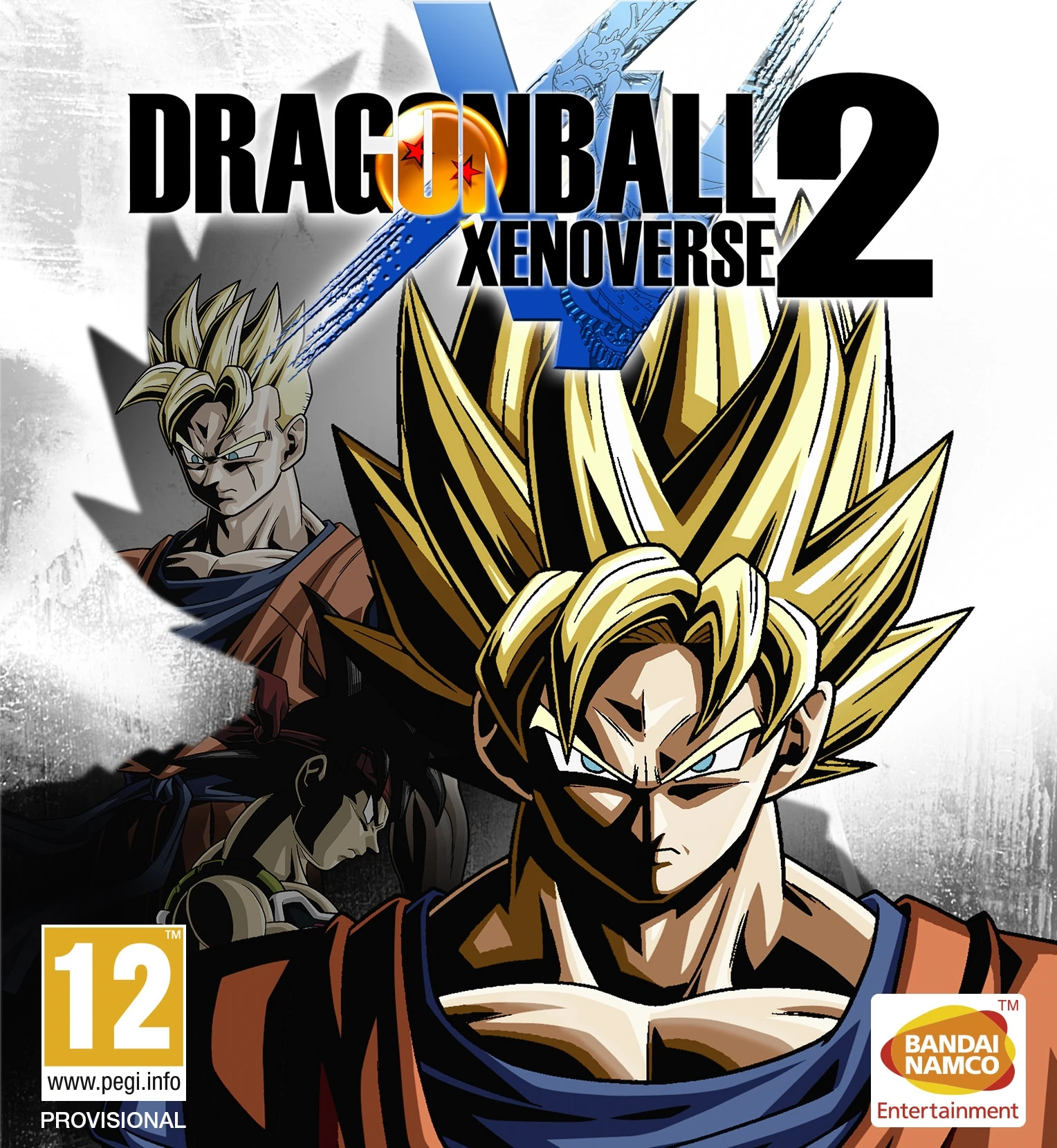
Dragon Ball Xenoverse 2
Gameis the second entry in the Xenoverse series developed by Dimps and was released for PlayStation 4, Xbox One, Nintendo Switch and Microsoft Windows (via ). A free next-gen upgrade for PlayStation 5 and Xbox Series X/S was made available on May 24, 2024. The game serves as a direct sequel to the original Dragon Ball Xenoverse game.
Combat, Customization & Online Systems
Dragon Ball Xenoverse 2 is a fighting role-playing game developed by Dimps and published by Bandai Namco, released for PlayStation 4, Xbox One, Nintendo Switch, and PC via Steam, with a free next-generation upgrade provided for PlayStation 5 and Xbox Series X/S. Players create a fully customizable Time Patroller character from one of several races, each with distinct stat modifiers and transformation abilities, and take on missions to correct disturbances in Dragon Ball history caused by the Time Breakers organization. Combat takes place in fully 3D environments where fighters can fly, dash, and engage in melee and ki-based exchanges, with a variety of unlockable skills and ultimate attacks that can be equipped to a custom loadout.
The central hub world, Conton City, is seven times larger than the Toki Toki City hub from the original Xenoverse, and supports up to 300 simultaneous online players on a single server. Players can accept quests, interact with mentors from the Dragon Ball cast, participate in tournaments, and encounter other players' characters throughout the hub. Parallel Quests offer replayable missions set within distorted versions of Dragon Ball history, and the Expert Missions mode provides challenging cooperative encounters designed for coordinated team play. The Raid Boss system adds further cooperative content with large-scale encounters against powerful enemies for groups of players.
Mentor relationships form a key progression element, allowing the player character to train under iconic Dragon Ball fighters including Goku, Vegeta, Piccolo, Gohan, and many others to acquire exclusive skills and unlock story content. The game's DLC catalog expanded substantially after launch, adding new characters, story scenarios, and gameplay modes that significantly extended the post-release lifespan of the title. A free-to-play Lite version with limited content was also released to lower the barrier for new players to experience the game.
Story & Timeline Narrative
Xenoverse 2 is set in Age 852, two years after the events of the original Xenoverse game and one year after the events of the Dragon Ball Xenoverse 2 manga. The player's custom Time Patroller is recruited by Chronoa, the Supreme Kai of Time, and assigned Vegeta as a mentor and trainer. The primary mission involves stopping the resurgent Time Breakers from further distorting Dragon Ball history, following up on events that the original Xenoverse's Future Warrior had previously resolved. The story revisits altered versions of key Dragon Ball Z and Dragon Ball Super events, requiring the player to intervene at critical moments to restore timelines being corrupted by new antagonists allied with the Time Breakers.
The narrative structure allows revisiting all major Dragon Ball Z arcs including the Saiyan Saga, the Frieza Saga, the Cell Saga, and the Buu Saga, as well as Dragon Ball Super content covering the God of Destruction Beerus arc and the Future Trunks arc. The time-travel framework justifies the presence of characters from across Dragon Ball history appearing in the same setting, enabling interactions that the original timeline would not allow. The game's story emphasizes the original game's hero as a predecessor figure, creating a sense of continuity between the two titles and rewarding returning players with narrative acknowledgments of their prior progress.
Legacy & Long-Term Support
Dragon Ball Xenoverse 2 has received one of the most sustained post-launch content programs of any Dragon Ball game, with DLC packs, free updates, and quality-of-life improvements continuing well beyond the initial release year. The game's active player community and regularly updated content pipeline have kept it commercially and culturally relevant long after comparable titles from the same period ceased receiving support. The next-generation upgrade for PlayStation 5 and Xbox Series X/S extended the game's hardware relevance into the current console generation, ensuring continued accessibility for players on newer platforms.
The title's position as a sequel to the original Xenoverse, combined with its expanded hub world and larger online player capacity, established it as the definitive version of the Xenoverse experience for the majority of the series' audience. Its cross-platform availability, including the Nintendo Switch version, broadened the potential player base beyond what the original game had reached. Xenoverse 2 is widely regarded as the most successful entry in the Xenoverse series and one of the best-selling Dragon Ball games overall, a commercially dominant title that demonstrated the viability of the RPG-fighting hybrid format for the franchise.
Related Reading
See all
Krillin's on the Tinder: How the Ultimate Short King Survived the Height Filter
Tinder built a height filter. Dragon Ball built a five foot legend. What happened when we sent the ultimate short king into the modern dating hellscape....
Infinite Zeni Glitch: When Yamcha Never Pays and Mr. Popo Always Does
The internet found an infinite money glitch. So did Yamcha. A smooth R&B track about the easiest money in the Dragon Ball world and the one man who keeps paying for it....
Frequently Asked Questions
What is Dragon Ball Xenoverse 2?
Dragon Ball Xenoverse 2 is the second entry in the Xenoverse series developed by Dimps and was released for PlayStation 4, Xbox One, Nintendo Switch and Microsoft Windows (via ). A free next-gen upgrade for PlayStation 5 and Xbox Series X/S was made available on May 24, 2024. The game serves as a direct sequel to the original Dragon Ball Xenoverse game.
When was Dragon Ball Xenoverse 2 released?
Dragon Ball Xenoverse 2 was released in 2016. It was developed by Dimps and published by Bandai Namco.
What is Dragon Ball Xenoverse 2 about?
Dragon Ball Xenoverse 2 is a fighting role-playing game developed by Dimps and published by Bandai Namco, released for PlayStation 4, Xbox One, Nintendo Switch, and PC via Steam, with a free next-generation upgrade provided for PlayStation 5 and Xbox Series X/S. Players create a fully customizable Time Patroller character from one of several races, each with distinct stat modifiers and transformation abilities, and take on missions to correct disturbances in Dragon Ball history caused by the Time Breakers organization. Combat takes place in fully 3D environments where fighters can fly, dash, and engage in melee and ki-based exchanges, with a variety of unlockable skills and ultimate attacks that can be equipped to a custom loadout.
Who developed Dragon Ball Xenoverse 2?
Dragon Ball Xenoverse 2 was developed by Dimps. The game was published by Bandai Namco in 2016.
Who published Dragon Ball Xenoverse 2?
Dragon Ball Xenoverse 2 was published by Bandai Namco. The game was developed by Dimps and released in 2016.
Sources & Information
Looking for more on Dragon Ball Xenoverse 2? The Dragon Ball Wiki on Fandom has a dedicated page with community notes.
View on FandomThis content is original writing by Daddy Jim Headquarters based on the Dragon Ball anime series, manga, and official materials. Episode and chapter references are cited where applicable.
Character and scene imagery on this site is original artwork by Daddy Jim Headquarters, not screenshots or licensed imagery. Official cover art is used on three types of pages for editorial commentary:
- Movie pages: theatrical posters and key visuals, credited to Toei Animation and Shueisha.
- Game pages: official box art, credited to Bandai Namco, Atari, and other publishers.
- Manga chapter pages: Jump Comics volume covers, credited to Shueisha and Akira Toriyama.
Browse our episode guides:
Official resources:
Help Us Keep This Wiki Accurate
Daddy Jim Headquarters maintains this encyclopedia. If you spot an error, a translation issue, or something that doesn't look right, let us know.