Dragon Ball Z 2: Super Battle
GameDragon Ball Z 2: Super Battle2 Super Battle|Doragon Bōru Zetto Tsū Sūpā Batoru}} is a video game for arcades based on the anime Dragon Ball Z. It was designed and manufactured in Japan by in 1995. The game is a direct sequel to the previous arcade Dragon Ball Z game, produced two years earlier. The game can be played in English or Japanese, suggesting that Banpresto might have planned to release this game internationally like with the previous DBZ arcade game.
Arcade Combat & Mechanics
Dragon Ball Z 2: Super Battle is a 1995 arcade fighting game designed and manufactured by Banpresto in Japan, serving as the direct sequel to Dragon Ball Z: Super Butoden in arcade format. The game distinguishes itself from its predecessor by incorporating mechanics more closely aligned with the Butoden console fighting game series, producing a more technically grounded combat system compared to the original Dragon Ball Z arcade title. A standout feature is the inclusion of individual ending sequences for each character, with outcomes that may or may not conform to the events of the canonical Dragon Ball Z story. This design choice adds replay value by giving players a unique narrative payoff for reaching the end of the game with different fighters.
The playable roster of ten characters covers the Cell Saga era of Dragon Ball Z: Super Saiyan Goku, Super Saiyan 2 Gohan, Super Saiyan Vegeta, Super Saiyan Future Trunks, Piccolo, Mr. Satan, Android 20, Android 18, Android 16, and Cell. The roster reflects an intentional decision to replace Frieza, who appeared in the previous arcade game, with Mr. Satan, shifting the villain lineup to reflect the current narrative arc at the time of the game's production. Goku's ultimate attack in this installment is the Instant Transmission Kamehameha, the technique he uses in the Cell Games during Dragon Ball Z, grounding his moveset in the specific narrative moment the game covers.
The battle stages draw from familiar Dragon Ball Z locations: the World Martial Arts Tournament, a jungle setting, a rocky wasteland, the alternative future timeline, Satan's Arena, the Devil's Toilet, Dr. Gero's laboratory, a city environment, the Red Ribbon Army Headquarters, and the Cell Games Arena. This selection spans multiple story arcs and provides visual variety across the game's match locations.

Characters & Roster Design
Dragon Ball Z 2: Super Battle maintains the same ten-character count as its predecessor Dragon Ball Z: Super Butoden, but adjusts the composition to fit the Cell Saga setting. The upgrade of Gohan from Super Saiyan to Super Saiyan 2 is the most narratively significant change, reflecting his role as the fighter who ultimately defeats Cell in the story. The replacement of Frieza with Mr. Satan acknowledges his cultural prominence as the public face of the Cell Games victory in the Dragon Ball Z narrative, even though his actual combat effectiveness within the game is understood as a comedic contrast to the powered characters around him.
The non-playable character roster that appears in cutscenes and background contexts includes the Announcer, Bulma, Yamcha, Puar, Oolong, Launch, Tien Shinhan, Chiaotzu, Red Ribbon Army figures, Ninja Murasaki, King Piccolo, Kami, Mr. Popo, Shenron, and Chi-Chi, providing narrative framing and connective tissue between the playable character endings. The breadth of non-playable appearances reflects an effort to populate the game's world with the full supporting cast of the Dragon Ball Z anime rather than presenting a sparse competitive fighting game with minimal story context.
Related Reading
See all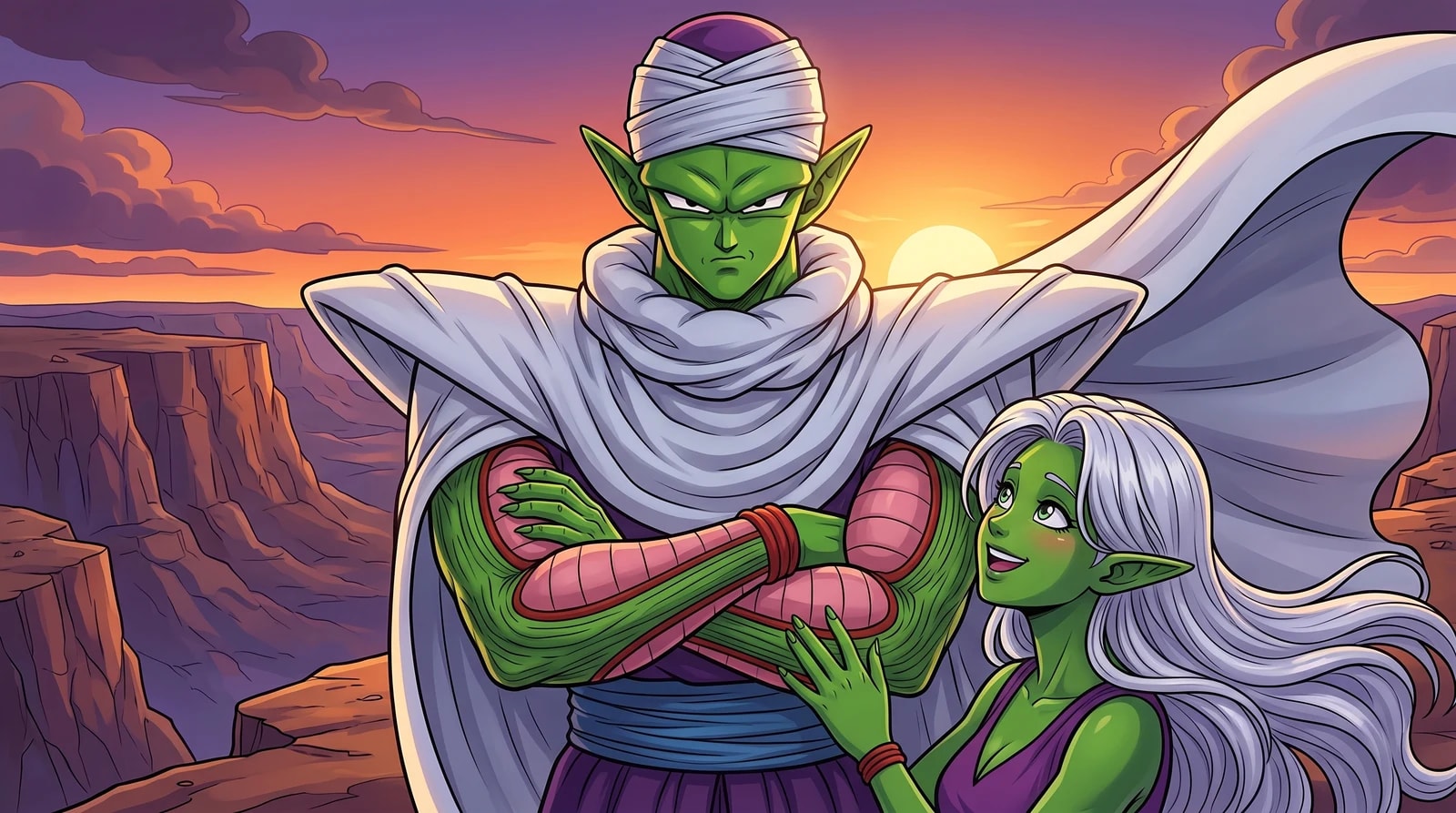
Namek Has No Women, and Piccolo Pulls Anyway
There are no women on Namek. That isn't an oversight, it's the biology. Why we handed Piccolo the one thing his own species rules out, and why it had to be trap soul....
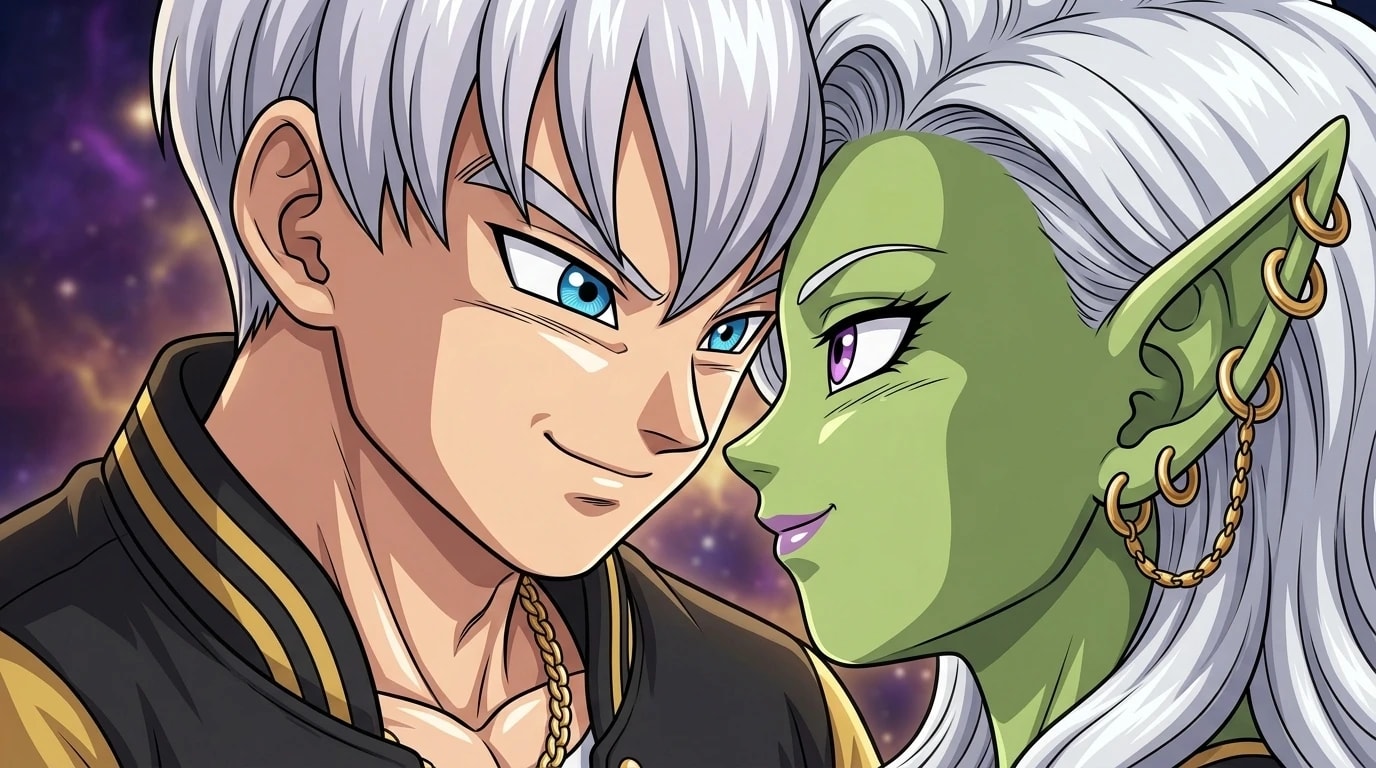
1000 Times Over: Who Is John Dragon Ball Singing To?
Dragon Ball handed us a protagonist with no history and the internet named him John Dragon Ball. So we built him somebody to talk to....
Arcade Legacy & Series Context
Dragon Ball Z 2: Super Battle arrived in 1995 as part of a wave of Dragon Ball Z arcade releases from Banpresto, following the original 1993 Dragon Ball Z arcade title. The shift toward Butoden-series mechanics in the sequel indicated an intent to bring the arcade experience into closer alignment with the console fighting games that fans were playing at home, creating a more cohesive Dragon Ball Z fighting game identity across both platforms. The 1995 release window placed the game at the peak of Dragon Ball Z's commercial popularity in Japan, when the Cell Saga was fresh in viewers' memories and demand for related interactive products was high.
The game's roster decision to carry over the same character count from the previous title while upgrading two key characters reflects the iterative development philosophy common to arcade sequels of the mid-1990s, where cabinet hardware constraints and the expectation of sequels discouraged radical roster expansion. Dragon Ball Z 2: Super Battle holds its place in the franchise's arcade history as a technically refined follow-up to the original arcade title and a period-specific snapshot of the Dragon Ball Z gaming landscape during the era of the Cell Saga's dominance in Japanese popular culture.
Frequently Asked Questions
Which Dragon Ball era does Dragon Ball Z 2: Super Battle tie into?
Dragon Ball Z 2: Super Battle ties into the Dragon Ball Z era of the franchise. The title is a versus fighting game.
What is Dragon Ball Z 2: Super Battle?
Dragon Ball Z 2: Super Battle2 Super Battle is a video game for arcades based on the anime Dragon Ball Z. It was designed and manufactured in Japan by in 1995. The game is a direct sequel to the previous arcade Dragon Ball Z game, produced two years earlier.
What is Dragon Ball Z 2: Super Battle about?
Dragon Ball Z 2: Super Battle is a 1995 arcade fighting game designed and manufactured by Banpresto in Japan, serving as the direct sequel to Dragon Ball Z: Super Butoden in arcade format. The game distinguishes itself from its predecessor by incorporating mechanics more closely aligned with the Butoden console fighting game series, producing a more technically grounded combat system compared to the original Dragon Ball Z arcade title. A standout feature is the inclusion of individual ending sequences for each character, with outcomes that may or may not conform to the events of the canonical Dragon Ball Z story.
When was Dragon Ball Z 2: Super Battle released?
Dragon Ball Z 2: Super Battle was released in Japan on 1994. It was developed by Banpresto.
Who developed Dragon Ball Z 2: Super Battle?
Dragon Ball Z 2: Super Battle was developed by Banpresto. It was released in 1994.
Sources & Information
Looking for more on Dragon Ball Z 2: Super Battle? The Dragon Ball Wiki on Fandom has a dedicated page with community notes.
View on FandomThis content is original writing by Daddy Jim Headquarters based on the Dragon Ball anime series, manga, and official materials. Episode and chapter references are cited where applicable.
Rights holders
- Created byAkira Toriyama
- Published byShueisha
- Animated byToei Animation
All rights belong to their respective owners.
Character and scene imagery on this site is original artwork by Daddy Jim Headquarters, not screenshots or licensed imagery. Official cover art is used on three types of pages for editorial commentary:
- Movie pages: theatrical posters and key visuals, credited to Toei Animation and Shueisha.
- Game pages: official box art, credited to Bandai Namco, Atari, and other publishers.
- Manga chapter pages: Jump Comics volume covers, credited to Shueisha and Akira Toriyama.
Browse our episode guides:
Official resources:
Help Us Keep This Wiki Accurate
Daddy Jim Headquarters maintains this encyclopedia. If you spot an error, a translation issue, or something that doesn't look right, let us know.