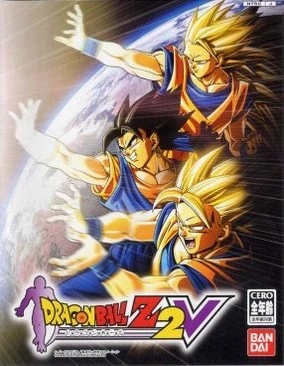
Content Changes & Exclusive Features
Dragon Ball Z 2 V is a limited-edition revision of Dragon Ball Z: Budokai 2, exclusive to Japan and produced as a promotional product for V-Jump magazine readers. The game retains the full base content of Budokai 2 while incorporating a set of bonus features and modifications that distinguish it from the standard retail release. Changes include the restoration of bonus costumes cut from the international Budokai 2 releases, such as Goku in damaged clothing, Piccolo without his cape and weighted turban, and the addition of previously unavailable alternate costume pairings including Frieza in a Cooler appearance. A new Secret Character adds further exclusive content not found in the original game, and the Gero Lab stage is available from the start rather than being locked behind progression requirements.
The gameplay framework follows the Budokai 2 model closely, using the capsule-based skill and ability system that defined that entry in the Budokai series. Players select characters and customize their loadouts through capsule combinations, creating unique stat and move configurations within the established rules of the system. The World Tournament mode, story progression, and battle mechanics are unchanged from the Budokai 2 foundation, meaning Dragon Ball Z 2 V plays identically to its source game in all practical terms, with the bonus content serving as the defining differentiator rather than any mechanical revision.
The playable character roster includes Goku across multiple transformations from base through Super Saiyan 3, Gohan in teen and adult forms, Great Saiyaman, Goten, Trunks, Gotenks, Vegeta, Vegito, Majin Vegeta, Bardock, Frieza across all forms, Cell, Android 18, Android 17, Android 16, Dr. Gero, Majin Buu, Super Buu, Kid Buu, Piccolo, Krillin, Yamcha, Tien Shinhan, Hercule, Videl, and Dabura, providing a comprehensive roster spanning the full Dragon Ball Z story arc.

Rarity, Distribution & Story
Dragon Ball Z 2 V was distributed to exactly 2,000 winners of a V-Jump magazine reader contest held around the time of the original Budokai 2 release in Japan. The contest format limited ownership to a tiny fraction of the Dragon Ball gaming community, and no retail copies were produced or sold commercially. This production ceiling of 2,000 units, combined with the game's status as an official, fully functional PlayStation 2 release rather than a prototype or demo, establishes Dragon Ball Z 2 V as the rarest commercially produced game in the Dragon Ball franchise. The V-Jump origin of the contest also connects the game to the publication that had long served as a primary media partner for Dragon Ball game announcements and exclusives in Japan.
The narrative content of Dragon Ball Z 2 V mirrors that of Budokai 2, tracing the major story arcs of Dragon Ball Z from the Saiyan Saga through the Majin Buu Saga in story mode. Players progress through a board game-style map that represents the Dragon Ball universe, encountering characters at specific nodes and triggering battles and story events as they advance. The bonus costume content, while purely cosmetic, adds visual novelty to familiar encounters: pairing Frieza's model with Cooler's name and appearance changes the character display name to the Japanese rendering of Cooler's name, a detail that reveals the underlying character swap mechanic the game uses to implement the costume system.
Collector Status & Cultural Context
Dragon Ball Z 2 V holds a unique position in Dragon Ball gaming history as an officially produced game with documented scarcity that is simply a matter of intentional production limits rather than commercial failure or regional restriction. The 2,000-copy ceiling, enforced by the contest distribution method, ensures that the game's rarity is permanent and verifiable rather than a result of market forces. For Dragon Ball game collectors, it represents the pinnacle of the hobby in terms of acquisition difficulty, as legitimate copies appear only when one of the original contest winners chooses to sell.
The game's significance extends beyond its rarity to what it represents about the relationship between V-Jump and the Dragon Ball gaming community in Japan during the Budokai era. V-Jump's role as a contest administrator and a media platform for game news meant that a V-Jump-exclusive game reward was a culturally meaningful prize for dedicated fans. The cosmetic modifications and bonus content, while modest in scope, demonstrate that even a limited-run promotional product received genuine development attention to differentiate it from the base game. Dragon Ball Z 2 V remains the definitive answer to the question of the rarest Dragon Ball game, a status unlikely to be displaced.
Related Reading
See all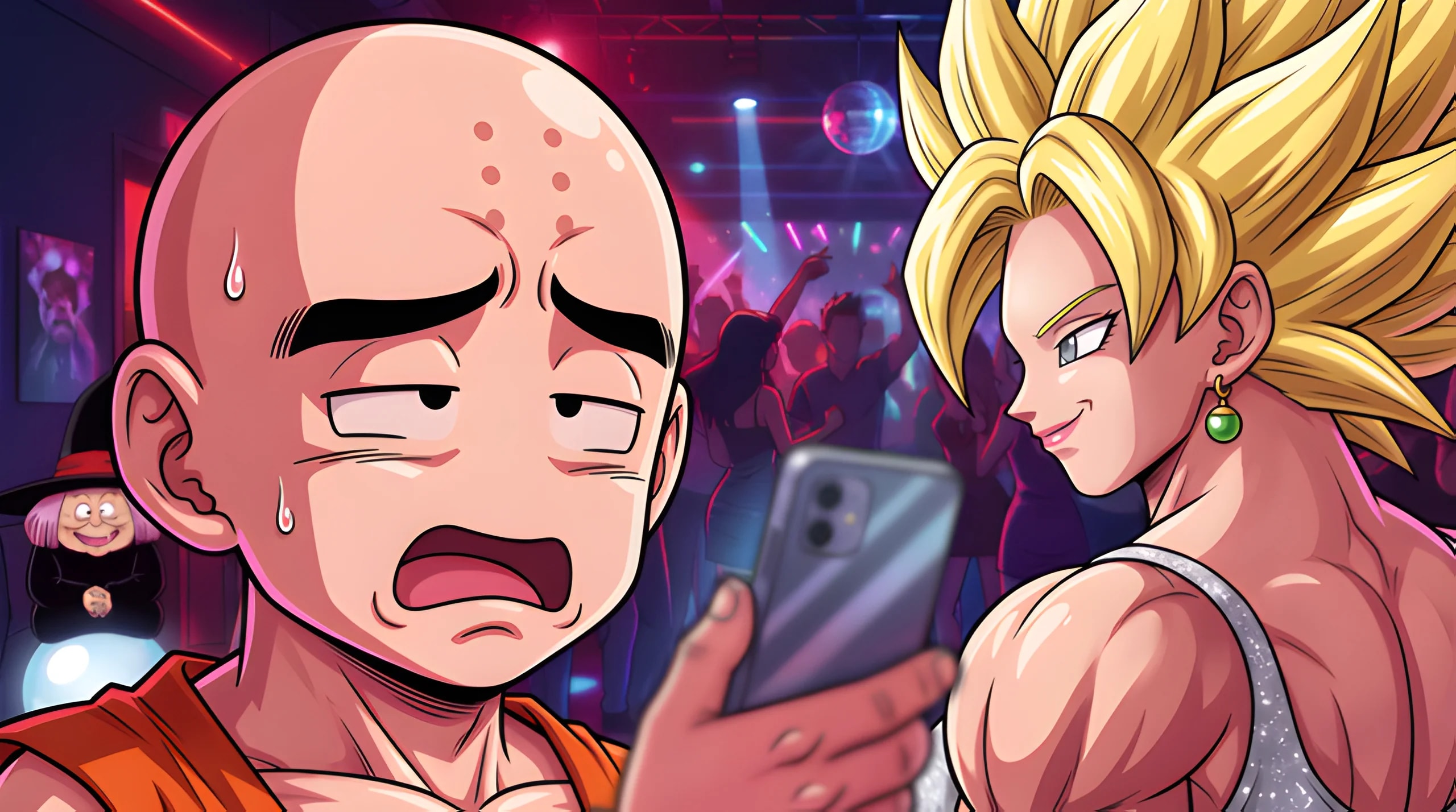
Krillin's on the Tinder: How the Ultimate Short King Survived the Height Filter
Tinder built a height filter. Dragon Ball built a five foot legend. What happened when we sent the ultimate short king into the modern dating hellscape....
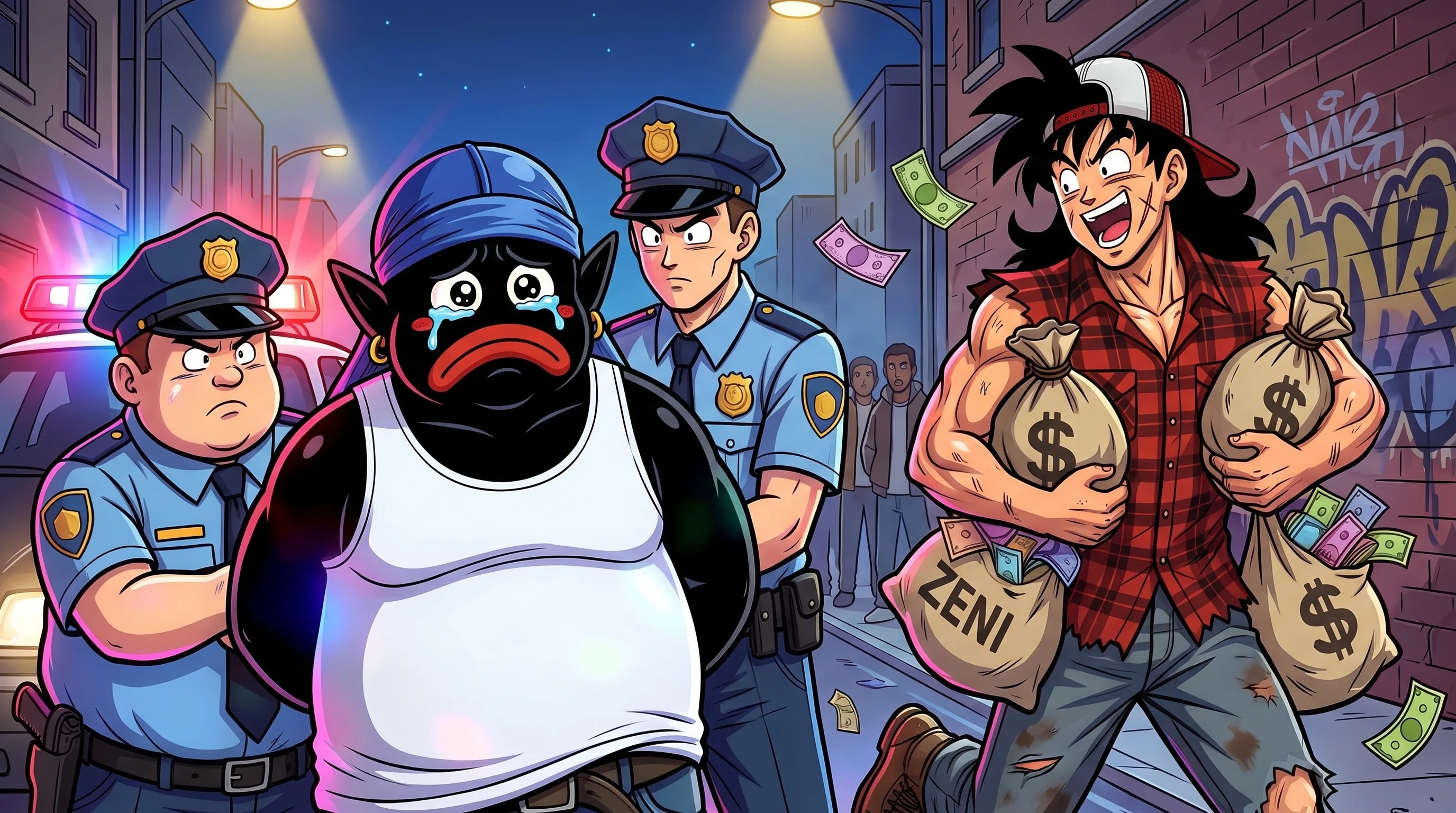
Infinite Zeni Glitch: When Yamcha Never Pays and Mr. Popo Always Does
The internet found an infinite money glitch. So did Yamcha. A smooth R&B track about the easiest money in the Dragon Ball world and the one man who keeps paying for it....
Frequently Asked Questions
What is Dragon Ball Z 2 V?
Dragon Ball Z 2 V is a Japanese-exclusive, revamped version of the PlayStation 2 video game Dragon Ball Z: Budokai 2. Only 2,000 lucky V-Jump readers in Japan had the chance to own the game.
What is Dragon Ball Z 2 V about?
Dragon Ball Z 2 V is a limited-edition revision of Dragon Ball Z: Budokai 2, exclusive to Japan and produced as a promotional product for V-Jump magazine readers. The game retains the full base content of Budokai 2 while incorporating a set of bonus features and modifications that distinguish it from the standard retail release. Changes include the restoration of bonus costumes cut from the international Budokai 2 releases, such as Goku in damaged clothing, Piccolo without his cape and weighted turban, and the addition of previously unavailable alternate costume pairings including Frieza in a Cooler appearance.
When was Dragon Ball Z 2 V released?
Dragon Ball Z 2 V was released in 2004. It was developed by Dimps and published by Bandai.
Who developed Dragon Ball Z 2 V?
Dragon Ball Z 2 V was developed by Dimps. The game was published by Bandai in 2004.
Who published Dragon Ball Z 2 V?
Dragon Ball Z 2 V was published by Bandai. The game was developed by Dimps and released in 2004.
Sources & Information
Looking for more on Dragon Ball Z 2 V? The Dragon Ball Wiki on Fandom has a dedicated page with community notes.
View on FandomThis content is original writing by Daddy Jim Headquarters based on the Dragon Ball anime series, manga, and official materials. Episode and chapter references are cited where applicable.
Character and scene imagery on this site is original artwork by Daddy Jim Headquarters, not screenshots or licensed imagery. Official cover art is used on three types of pages for editorial commentary:
- Movie pages: theatrical posters and key visuals, credited to Toei Animation and Shueisha.
- Game pages: official box art, credited to Bandai Namco, Atari, and other publishers.
- Manga chapter pages: Jump Comics volume covers, credited to Shueisha and Akira Toriyama.
Browse our episode guides:
Official resources:
Help Us Keep This Wiki Accurate
Daddy Jim Headquarters maintains this encyclopedia. If you spot an error, a translation issue, or something that doesn't look right, let us know.