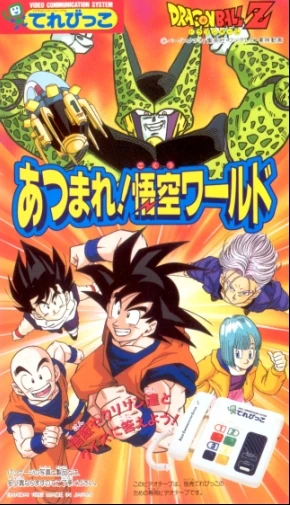
Dragon Ball Z: Atsumare! Gokū Wārudo
Gameis a Dragon Ball video game released for the in 1992 in Japan. Like the anime, Toei Animation was responsible for its footage, and as well each voice actor reprised the role of their characters for its sequences.
Terebikko Gameplay & Interactive Format
Dragon Ball Z: Atsumare! Goku Warudo is a 1992 Dragon Ball video game released in Japan for the Terebikko, a toy television peripheral that combines a VHS tape with a telephone handset-style input device. The game is packaged as a VHS tape containing a feature-length animated program produced by Toei Animation, using the full voice cast of the Dragon Ball Z anime. Players interact with the on-screen content by using the Terebikko handset to input commands at prompted moments during playback, directing Goku and his allies to take specific actions and answering trivia questions posed by the characters on screen. The telephone peripheral's number pad serves as the input mechanism, translating the format of a quiz show telephone game into an interactive animated experience.
The interactive prompts are embedded throughout the animated feature, pausing the story to invite player participation before continuing based on the response given. Trivia questions test knowledge of the Dragon Ball Z universe and its characters, while command prompts give players the sense of directing the heroes through their adventure. The Terebikko format was designed for young audiences seeking interactive engagement with their favorite anime characters, providing a participatory experience that went beyond passive viewing without requiring the complexity or hardware cost of a traditional video game console. Voice actors for all characters reprised their roles specifically for this production, ensuring the same quality of performance that viewers associated with the television broadcast.
The format also incorporates a time travel narrative framework, sending Goku and companions on an adventure involving a journey through time leading to an encounter with Cell, allowing the game to leverage the Dragon Ball Z anime's current storyline at the time of production while situating the Terebikko experience within a self-contained story that does not conflict with the ongoing series.


Story & Original Narrative
Atsumare! Goku Warudo tells a feature-length original story centered on time travel, culminating in the group's first encounter with Cell, presented with slight differences in framing from his canonical debut in the Dragon Ball Z anime. The time machine device drives the narrative forward, transporting the cast to different points in time and creating the central adventure around which the trivia and interactive sequences are organized. A memorable story beat involves Goku nearly causing a temporal paradox by exiting the time machine to meet himself as a child, a moment resolved when Future Trunks intervenes and pulls him away before the encounter can destabilize the timeline.
The cast of characters who appear throughout the production includes the central Dragon Ball Z heroes and supporting figures, with all speaking roles performed by the original voice actors who provided their performances for the anime. The character lineup is drawn primarily from the Cell Saga period, reflecting the narrative's positioning within that story arc, and the Cell encounter at the feature's climax provides the dramatic payoff for the time travel premise. The production is written to function as accessible entertainment for children who are Dragon Ball Z fans, balancing the participatory elements with a coherent story that rewards engagement from start to finish.

Platform Context & Cultural Artifact
The Terebikko was a product of the early 1990s Japanese toy market that sought to create interactive television experiences without the cost or complexity of dedicated gaming hardware. Bandai manufactured the Terebikko peripheral as a companion to VHS software, and Dragon Ball Z: Atsumare! Goku Warudo was among the titles produced for the platform during its active period. The involvement of Toei Animation in producing the footage and the full Dragon Ball Z voice cast in reprising their roles gives the product a level of production quality that distinguished it from lower-budget licensed toys of the same era, reflecting both the commercial strength of the Dragon Ball Z license and Bandai's commitment to quality on official products.
As a historical artifact, Atsumare! Goku Warudo represents a category of interactive Dragon Ball experience that is entirely distinct from the fighting games, RPGs, and action games that dominate the franchise's gaming legacy. The Terebikko format never achieved widespread international recognition, meaning the title is primarily known to collectors and researchers of early Dragon Ball merchandise rather than to the broader gaming public. Its existence as an officially produced, Toei-animated, fully voiced Dragon Ball Z interactive production makes it a significant piece of franchise history, documenting the variety of interactive formats explored during the franchise's peak commercial period in Japan.
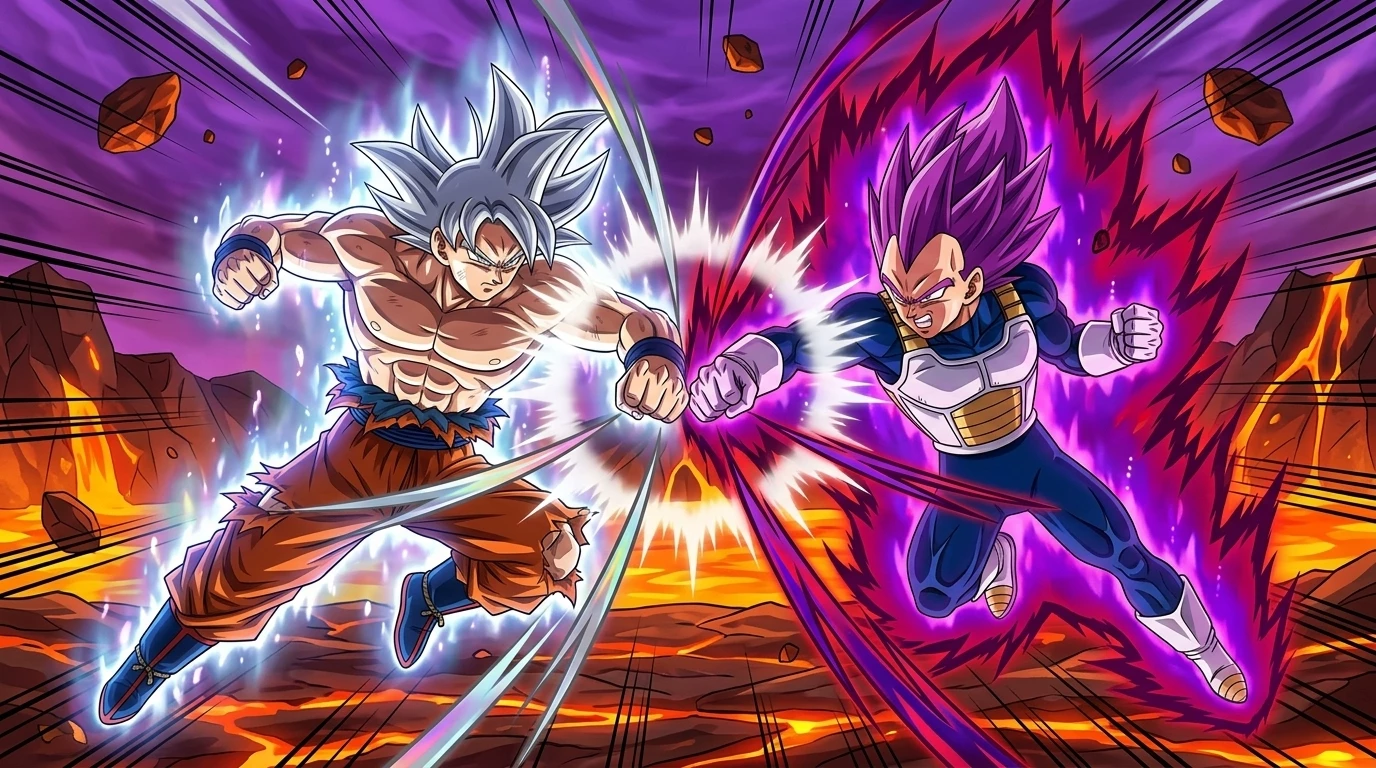
Sparking Zero May 26 Update Adds Demon World Stage and Reworks Transformation Healing
May 27, 2026Bandai Namco shipped a free Dragon Ball: Sparking Zero update on May 26, 2026 that introduces a new Demon World stage, overhauls transformation healing, and confirms the Daima Character Pack and Shallot DLC for release on June 27, 2026....
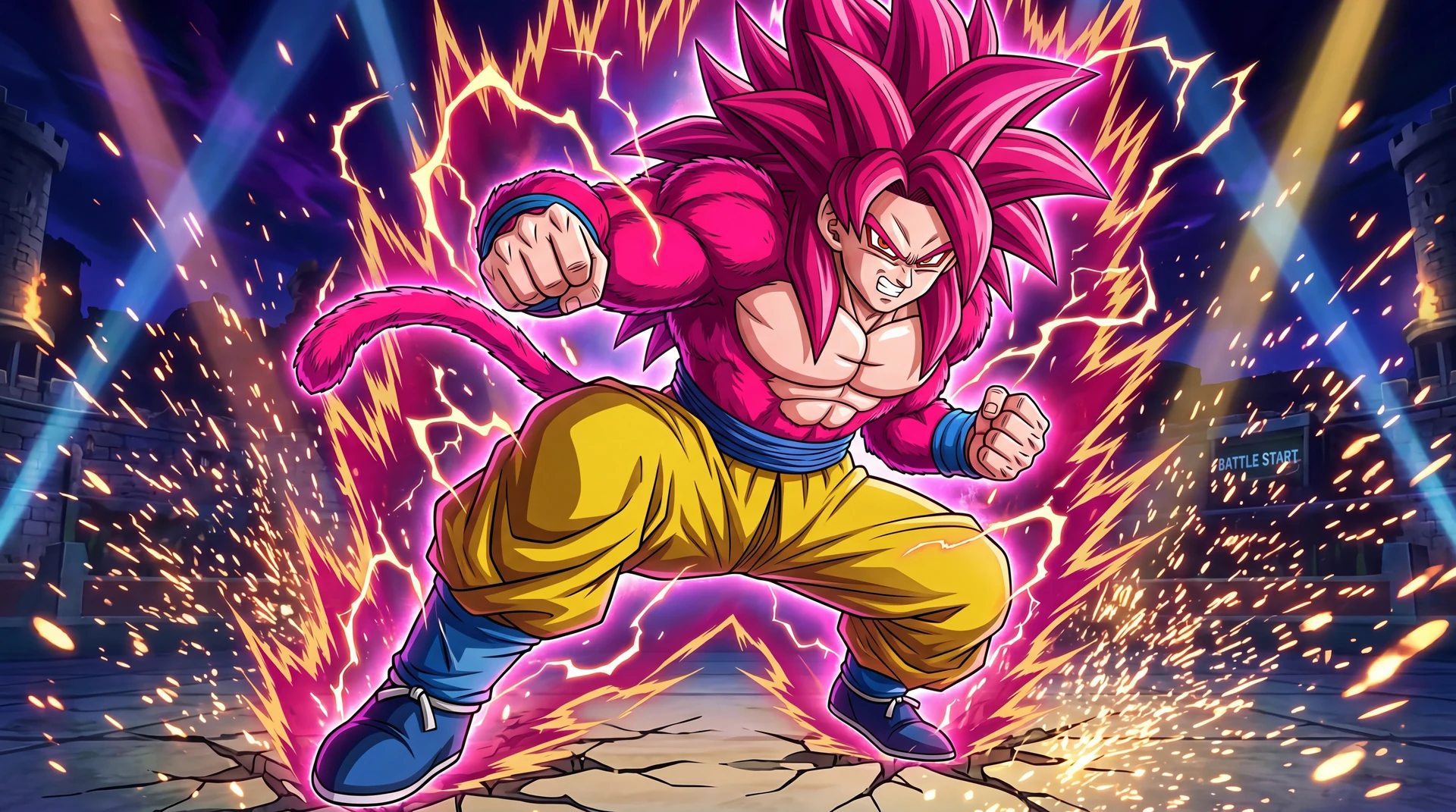
Dragon Ball FighterZ Adds Super Saiyan 4 Goku From Daima
May 25, 2026Dragon Ball FighterZ added Super Saiyan 4 Goku, the form featured in the Daima anime, as DLC on April 22, 2026. The 2018 fighting game is still getting new content nearly eight years on....
Dragon Ball Sparking Zero Super Limit-Breaking NEO DLC Adds 30 Plus Fighters for Summer 2026
Apr 20, 2026Bandai Namco and Spike Chunsoft unveiled the Super Limit-Breaking NEO expansion for Dragon Ball Sparking Zero at Battle Hour 2026. Summer 2026 release, 30 plus characters, four new stages, and a new solo mode....
Sources & Information
Looking for more on Dragon Ball Z: Atsumare! Gokū Wārudo? The Dragon Ball Wiki on Fandom has a dedicated page with community notes.
View on FandomThis content is original writing by Daddy Jim Headquarters based on the Dragon Ball anime series, manga, and official materials. Episode and chapter references are cited where applicable.
Character and scene imagery on this site is original artwork by Daddy Jim Headquarters, not screenshots or licensed imagery. Official cover art is used on three types of pages for editorial commentary:
- Movie pages: theatrical posters and key visuals, credited to Toei Animation and Shueisha.
- Game pages: official box art, credited to Bandai Namco, Atari, and other publishers.
- Manga chapter pages: Jump Comics volume covers, credited to Shueisha and Akira Toriyama.
Browse our episode guides:
Official resources:
Dragon Ball Music by Daddy Jim Headquarters
Come listen to some Dragon Ball R&B.
Help Us Keep This Wiki Accurate
Daddy Jim Headquarters maintains this encyclopedia across 13 languages. If you spot an error, a translation issue, or something that doesn't look right, let us know.