Dragon Ball Z: Budokai Tenkaichi 3
GameDragon Ball Z: Budokai Tenkaichi 3, originally published in Japan as in Japan, is the third installment of the Budokai Tenkaichi series. Like its predecessor, despite being released under the Dragon Ball Z label, Budokai Tenkaichi 3 essentially touches upon all series installments of the Dragon Ball franchise, featuring numerous characters and stages set in Dragon Ball, Dragon Ball Z, Dragon Ball GT and numerous film adaptations of Z. The game also features one of Akira Toriyama's original characters, related to Dragon Ball through crossovers, Arale Norimaki from Dr. Slump.
Gameplay
Dragon Ball Z: Budokai Tenkaichi 3 is the third installment in the Budokai Tenkaichi series, developed by Spike for PlayStation 2 and Wii. The game features 162 playable characters, placing it among the largest rosters in fighting game history at the time of its release. The behind-the-back camera perspective from the previous entries is retained, with all major technical systems refined and several new mechanics introduced. Sonic Sway is a new evasion technique that allows the player to dodge an opponent's weak melee strikes and immediately counter before the attacker recovers their stance, though it provides no protection against Rush or Smash attacks.
The Z Burst Dash replaces the standard Dragon Dash with a faster, more evasive movement that allows the player to maneuver behind the opponent at high speed for either a follow-up strike or an evasion. The technique drains energy quickly unless specific Z-items offset the cost. Z-Counter enables a block-and-counter response that teleports the character behind the attacker. Blast Combos chain a blast attack into the end of a standard melee sequence by inputting an additional button, dealing extra damage at the cost of energy. The Rush Ki Wave is a new combo finisher exclusive to select characters that sends the opponent flying with a one-handed charged beam.
The day and night stage system allows certain characters to transform into Great Ape forms by harnessing moonlight during nighttime battle conditions, introducing accuracy to scenes from the source material that depended on the lunar cycle. Battle Replay captures up to seven fights and saves them to an SD card for later review, offering multiple camera angles and the ability to remove the HUD for cleaner playback. The Wii version supports online multiplayer through the Nintendo Wi-Fi Connection, the first game in the series to offer that capability, while the PlayStation 2 version compensates with Disc Fusion, which unlocks extra modes by inserting Budokai Tenkaichi 1 or 2 discs during play.

Story and Modes
Dragon History replaces the adventure-map structure of previous story modes with a redesigned format that integrates cutscenes into the fabric of active battles. Dialogue appears at the bottom of the screen while the fight continues, and what characters say shifts depending on the match's current state. One-hit KO kills are possible in story mode when the player delivers the same finishing blow used to defeat that opponent in the source material. The mode spans the Saiyan, Frieza, Android, Majin Buu, and GT sagas, multiple Dragon Ball film adaptations, the original Dragon Ball series, and a What If saga exploring alternative outcomes. The story mode is notably shorter than those in the previous two Budokai Tenkaichi games, omitting certain battles like Piccolo versus Cell and Gohan versus Super Buu.
Ultimate Battle mode includes several sub-modes: Sim Dragon, Mission 100, and Survival, plus Disc Fusion on PlayStation 2. Dragon World Tour encompasses the World Tournament, World Martial Arts Big Tournament, Cell Games, Otherworld Tournament, and the Yamcha Game, a randomized challenge mode where the final opponent is always Yamcha. Completing the Yamcha Game on Level 2 unlocks the Evening Desert stage, while Level 3 completion unlocks the playable character Fasha. DP Battle in Duel mode allows team building with a points cap of 10, 15, or 20 Destruction Points, limiting roster access based on each character's assigned cost.
A new Z Point system replaces Budokai Tenkaichi 2's leveling approach, with accumulated Z Points increasing the number of Z-Items a character can equip. The Z Point total thus directly governs how extensively any fighter can be customized for a given match. The Wii version accepts Classic Controller and GameCube controller inputs as alternatives to the Wii Remote and Nunchuk, with critics noting that the Classic Controller configuration performs better for competitive play.
Related Reading
See all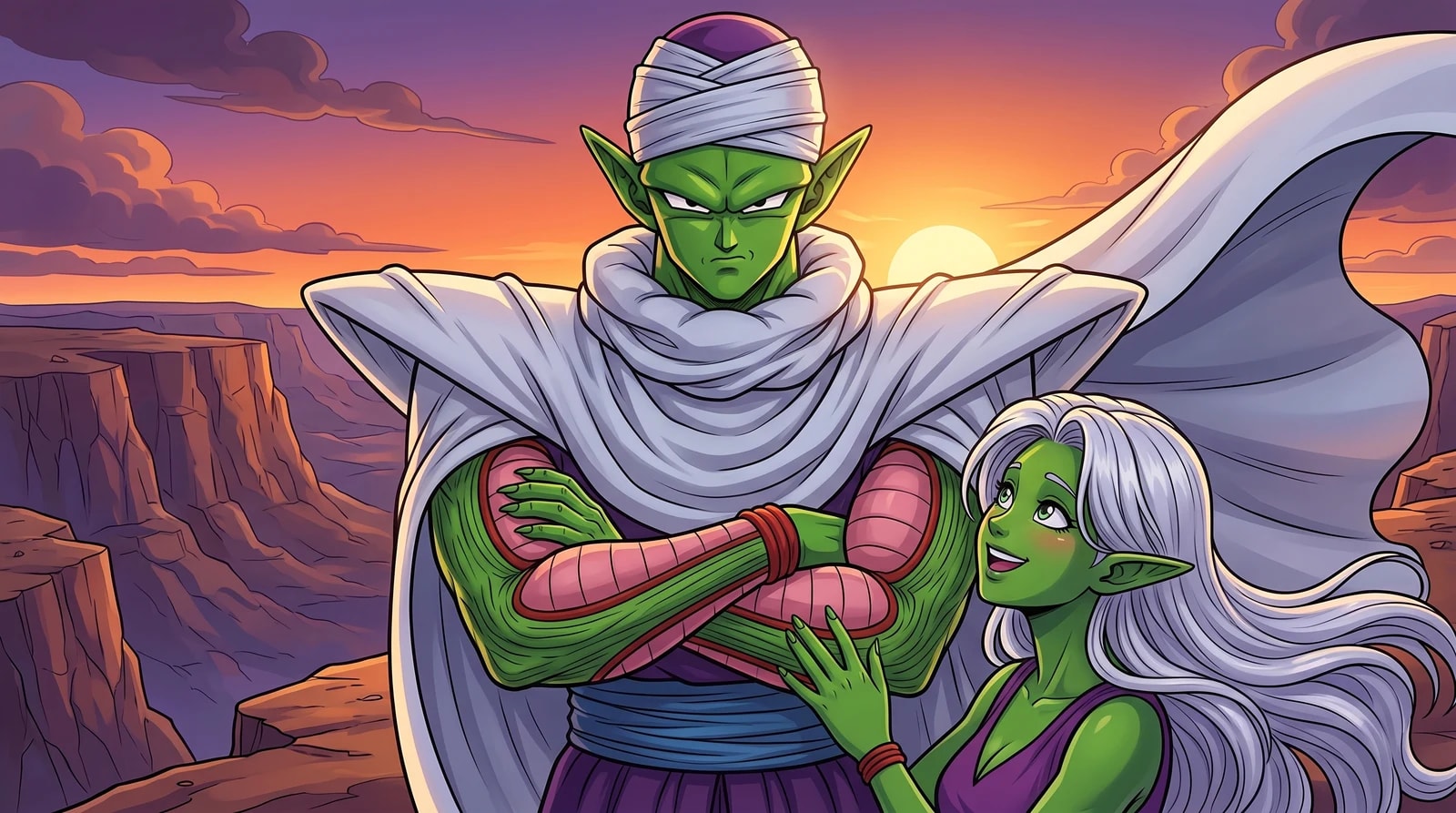
Namek Has No Women, and Piccolo Pulls Anyway
There are no women on Namek. That isn't an oversight, it's the biology. Why we handed Piccolo the one thing his own species rules out, and why it had to be trap soul....
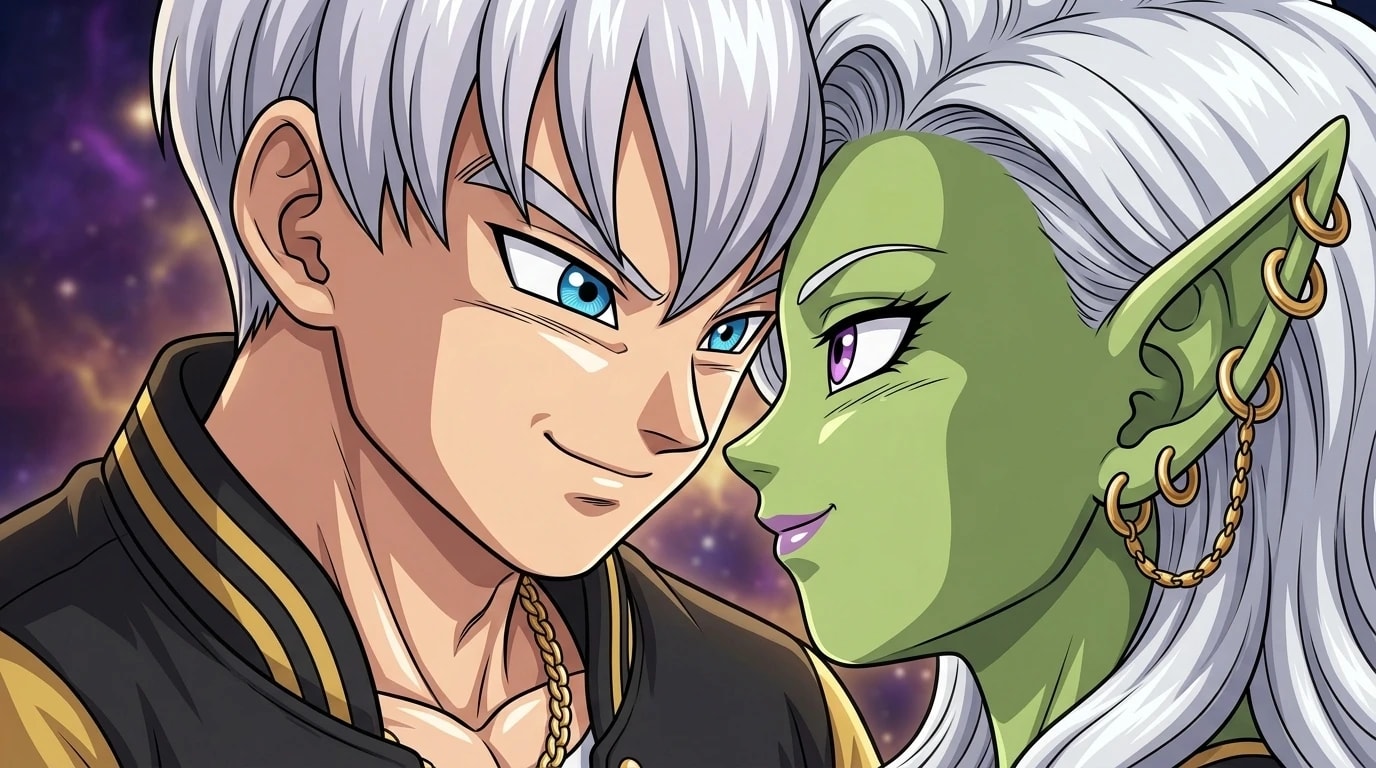
1000 Times Over: Who Is John Dragon Ball Singing To?
Dragon Ball handed us a protagonist with no history and the internet named him John Dragon Ball. So we built him somebody to talk to....

Reception and Legacy
Budokai Tenkaichi 3 is widely considered the definitive entry in the Budokai Tenkaichi sub-series and one of the most celebrated Dragon Ball fighting games ever released. Its roster size, franchise coverage, and mechanical refinements set a benchmark that later Dragon Ball fighting games spent years attempting to match. The inclusion of characters from the original Dragon Ball, Dragon Ball GT, and the full film catalog gave it a comprehensiveness that distinguished it from contemporary titles and cemented its status among long-term fans of the franchise.
The Wii version's online capability was a significant milestone for the series, expanding competitive play to a global scale for the first time. A GameStop-exclusive release with a bonus DVD compiling fan-voted top ten fights from the television series marked the game's launch in North America. Budokai Tenkaichi 3 remained a reference point in discussions of Dragon Ball gaming for more than a decade after its release, and its roster philosophy directly influenced Dragon Ball: Sparking! Zero, which would eventually surpass its character count.
Frequently Asked Questions
What is Dragon Ball Z: Budokai Tenkaichi 3?
Dragon Ball Z: Budokai Tenkaichi 3, originally published in Japan as in Japan, is the third installment of the Budokai Tenkaichi series. Like its predecessor, despite being released under the Dragon Ball Z label, Budokai Tenkaichi 3 essentially touches upon all series installments of the Dragon Ball franchise, featuring numerous characters and stages set in Dragon Ball, Dragon Ball Z, Dragon Ball GT and numerous film adaptations of Z. The game also features one of Akira Toriyama's original characters, related to Dragon Ball through crossovers, Arale Norimaki from Dr. Slump.
Which characters appear in Dragon Ball Z: Budokai Tenkaichi 3?
Dragon History replaces the adventure-map structure of previous story modes with a redesigned format that integrates cutscenes into the fabric of active battles. Dialogue appears at the bottom of the screen while the fight continues, and what characters say shifts depending on the match's current state. One-hit KO kills are possible in story mode when the player delivers the same finishing blow used to defeat that opponent in the source material.
What is Dragon Ball Z: Budokai Tenkaichi 3 about?
Dragon Ball Z: Budokai Tenkaichi 3 is the third installment in the Budokai Tenkaichi series, developed by Spike for PlayStation 2 and Wii. The game features 162 playable characters, placing it among the largest rosters in fighting game history at the time of its release. The behind-the-back camera perspective from the previous entries is retained, with all major technical systems refined and several new mechanics introduced.
Who developed Dragon Ball Z: Budokai Tenkaichi 3?
Dragon Ball Z: Budokai Tenkaichi 3 was developed by Spike. The game was published by Namco Bandai / Atari.
Who published Dragon Ball Z: Budokai Tenkaichi 3?
Dragon Ball Z: Budokai Tenkaichi 3 was published by Namco Bandai / Atari. The game was developed by Spike.
Sources & Information
Looking for more on Dragon Ball Z: Budokai Tenkaichi 3? The Dragon Ball Wiki on Fandom has a dedicated page with community notes.
View on FandomThis content is original writing by Daddy Jim Headquarters based on the Dragon Ball anime series, manga, and official materials. Episode and chapter references are cited where applicable.
Rights holders
- Created byAkira Toriyama
- Published byShueisha
- Animated byToei Animation
All rights belong to their respective owners.
Character and scene imagery on this site is original artwork by Daddy Jim Headquarters, not screenshots or licensed imagery. Official cover art is used on three types of pages for editorial commentary:
- Movie pages: theatrical posters and key visuals, credited to Toei Animation and Shueisha.
- Game pages: official box art, credited to Bandai Namco, Atari, and other publishers.
- Manga chapter pages: Jump Comics volume covers, credited to Shueisha and Akira Toriyama.
Browse our episode guides:
Official resources:
Help Us Keep This Wiki Accurate
Daddy Jim Headquarters maintains this encyclopedia. If you spot an error, a translation issue, or something that doesn't look right, let us know.