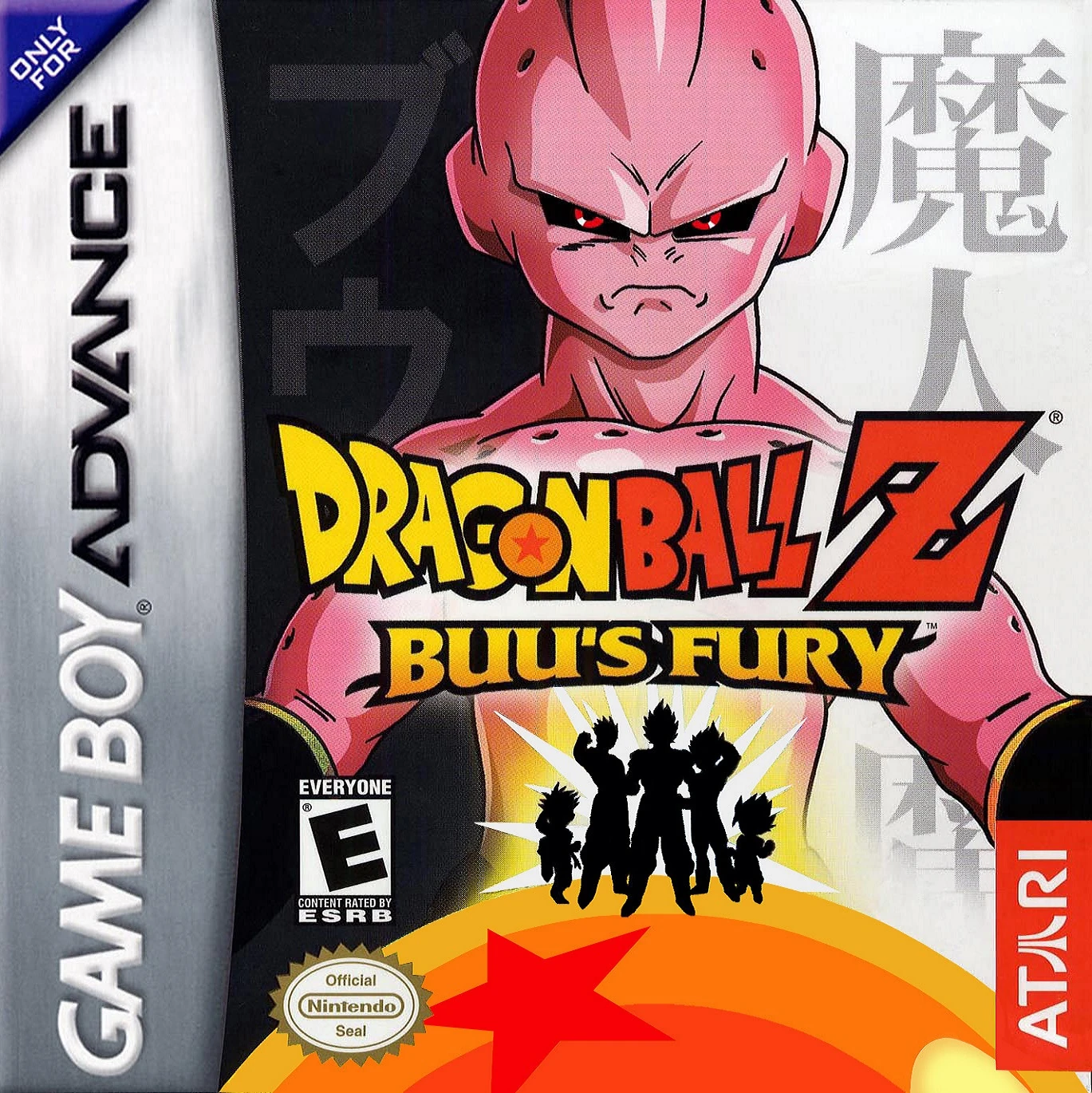
Dragon Ball Z: Buu's Fury
GameDragon Ball Z: Buu's Fury is an action RPG released in America on September 14, 2004, for the . It is the sequel to Atari's best-selling Dragon Ball Z: The Legacy of Goku II and the third and final video game in the Legacy of Goku series, even though it did not bear the series name on the product packaging, unlike the last two.
Gameplay
Dragon Ball Z: Buu's Fury is an action RPG developed and published by Atari for Game Boy Advance, released in North America on September 14, 2004. The game follows the mechanical template established by its predecessor, The Legacy of Goku II, with several new additions. The A button handles melee attacks, B fires energy blasts, L switches between available energy blasts, and R blocks. Pressing B and R together activates energy block. The player can volley an incoming Ki Blast back at the attacker by timing a melee strike precisely at the moment of impact, and the direction of that redirected blast can be controlled by angling the melee input in the desired direction.
A scouter overlaid on the map screen displays information about nearby characters and allows the player to survey the surrounding area. The pause menu provides access to the stat point system, where points earned from leveling up can be allocated to Strength, Power, or Endurance. Items looted from enemies or purchased at Z-Mart can be used or equipped. Early game items like 1 Ton Armbands and 1 Ton Boots slow the character when worn but increase experience gain during fights, offering a tradeoff between immediate performance and long-term progression. Missions are tracked in the Journal, providing an organized record of active objectives.
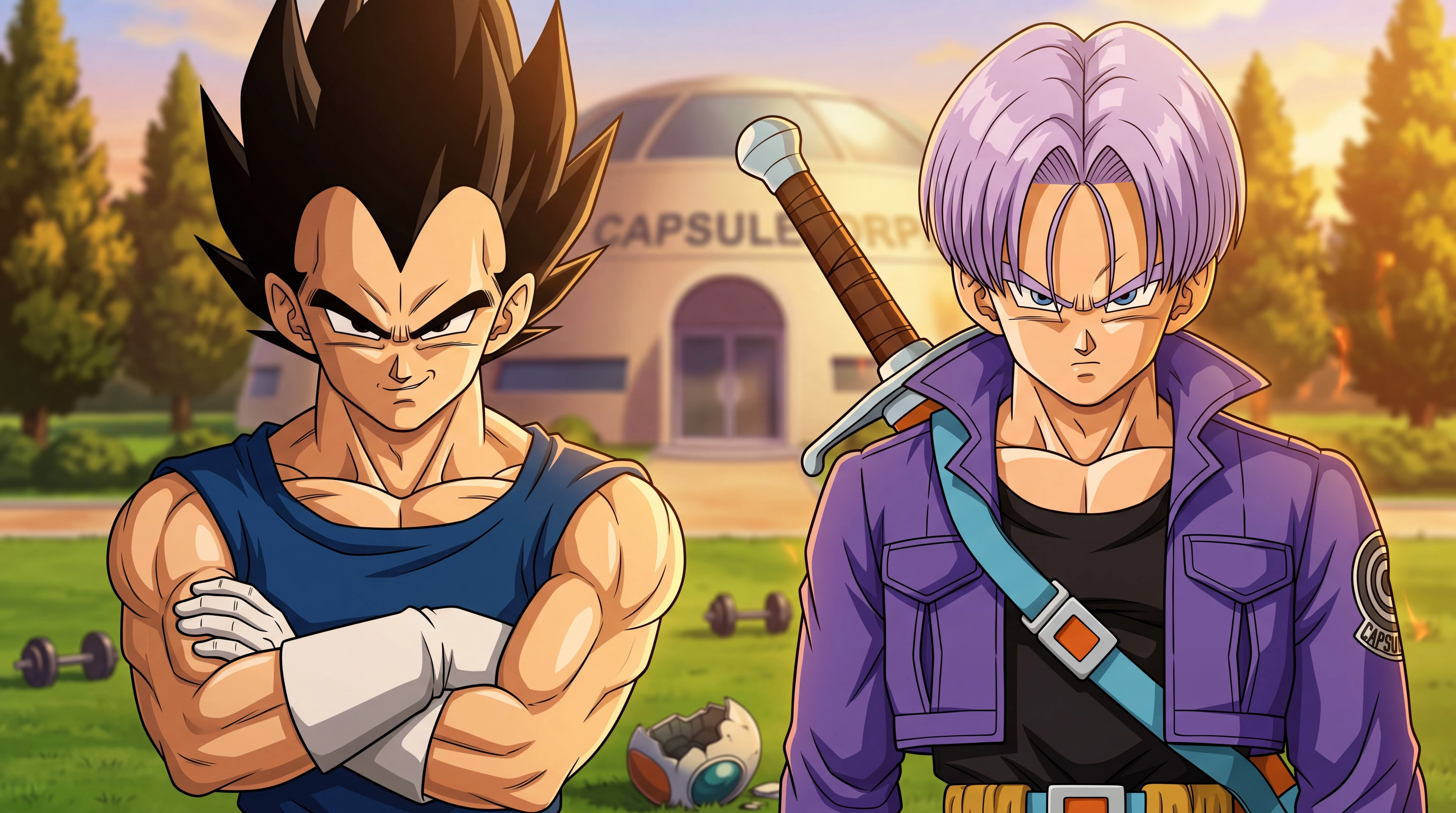
The game covers twelve chapters, with the playable roster rotating based on which saga is active. Goku, Gohan, Goten, Trunks, Vegeta, Gotenks, and Gogeta are all playable across different story sections, with each character carrying their own transformation options. Super Saiyan 3 Goku and Ultimate Gohan are among the most powerful playable forms. After defeating Kid Buu, all characters become available for free play until the player initiates the ending sequence at Capsule Corporation, allowing exploration of the full roster before the credits roll.


Story
Buu's Fury covers the final arc of Dragon Ball Z, beginning at episode 195 and concluding at episode 291. The twelve chapters span the Other World, Great Saiyaman, World Tournament, Babidi, Majin Vegeta, Dragon Ball, Majin Buu, Janemba, Super Buu, Fusion, Kid Buu, and Peaceful World sagas. The first chapter places Goku on Grand Kai's Planet, training with Olibu and competing in the Other World Tournament against Pikkon. The second chapter shifts to Gohan navigating Great Saiyaman activities against the Red Shark Gang and the Musuka Circus. The World Tournament chapter distributes play across Trunks, Gohan, Videl, and Goku during the 25th World Martial Arts Tournament.
Later chapters follow the escalating threat of Majin Buu, the desperate fusion attempts of Goten and Trunks as Gotenks, the absorption sequences within Super Buu's body during the Fusion chapter, and the final battle against Kid Buu on the Sacred World of the Kais. Side content includes the movie storylines from Broly: Second Coming and Fusion Reborn, incorporated into the appropriate chapters rather than treated as separate bonus content. The Janemba chapter places Goku, Vegeta, and Gogeta against the dimension-warping villain and his Super form.
Boss encounters span an unusually wide range of characters, from tournament fighters like Pikkon and Olibu in the early chapters to Janemba, Super Buu, and Kid Buu at the campaign's climax. Unique foes such as Pharaoh Totenhotep and the Bandit King appear as mid-game bosses, while Illusion versions of Gotenks, Gohan, and Piccolo confront the player inside Super Buu's body during the Fusion chapter.

Reception and Legacy
Buu's Fury completed the Legacy of Goku trilogy, which had become Atari's best-selling Dragon Ball Z Game Boy Advance series. Its departure from the Legacy of Goku branding on the packaging was a marketing choice that separated it visually from its predecessors, though the game was widely understood to be the third installment in that line. The continuation of the action RPG format from The Legacy of Goku II meant that players familiar with that entry could engage with Buu's Fury immediately without adjusting to a new control scheme.
The game arrived during a period when the Dragon Ball Z brand was at the peak of its North American popularity, supported by ongoing television broadcasts and a steady stream of merchandise and gaming releases. Buu's Fury is often cited alongside The Legacy of Goku II as the stronger half of the trilogy, with the Buu arc providing a wider variety of playable characters and story beats than the Saiyan through Cell coverage of the earlier games. It stands as the final entry in the Legacy of Goku line and one of the most content-complete Dragon Ball action RPGs released for a portable platform.
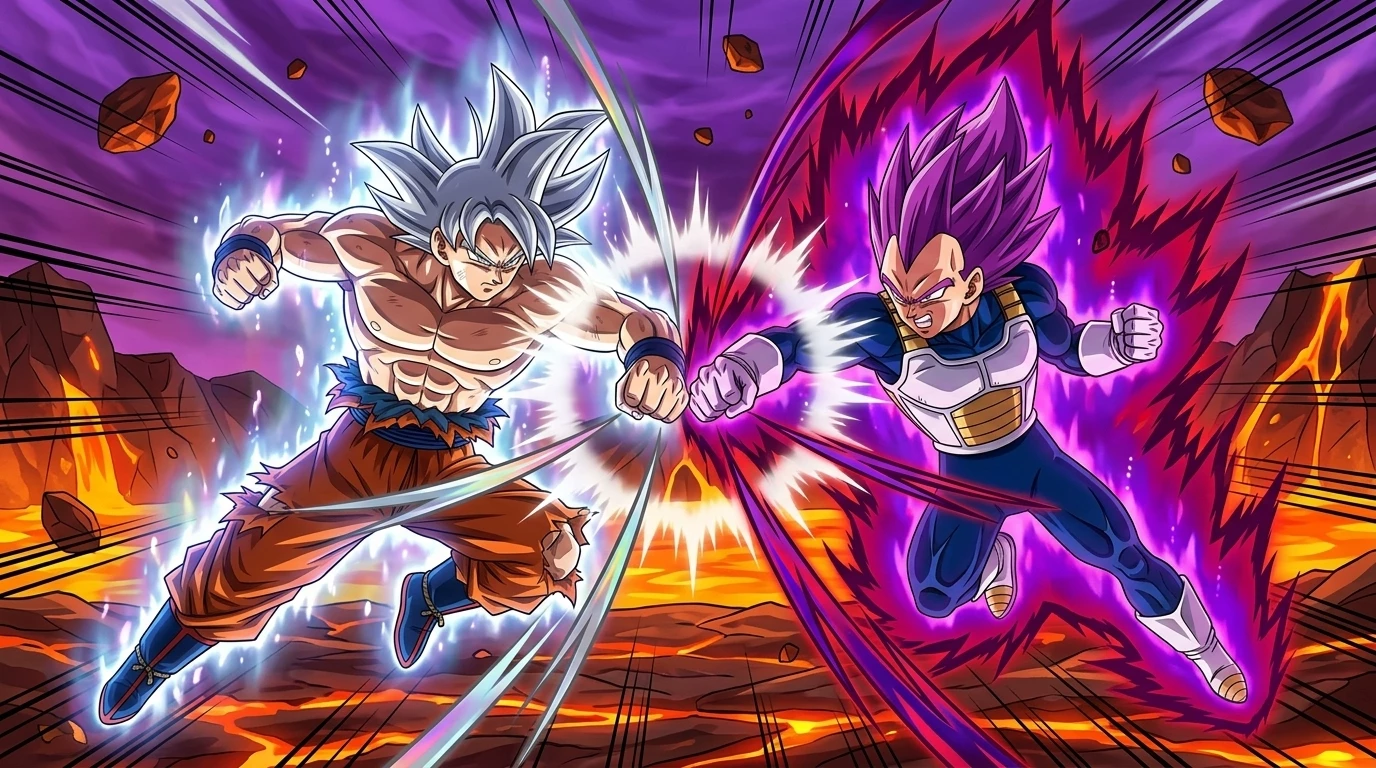
Sparking Zero May 26 Update Adds Demon World Stage and Reworks Transformation Healing
May 27, 2026Bandai Namco shipped a free Dragon Ball: Sparking Zero update on May 26, 2026 that introduces a new Demon World stage, overhauls transformation healing, and confirms the Daima Character Pack and Shallot DLC for release on June 27, 2026....
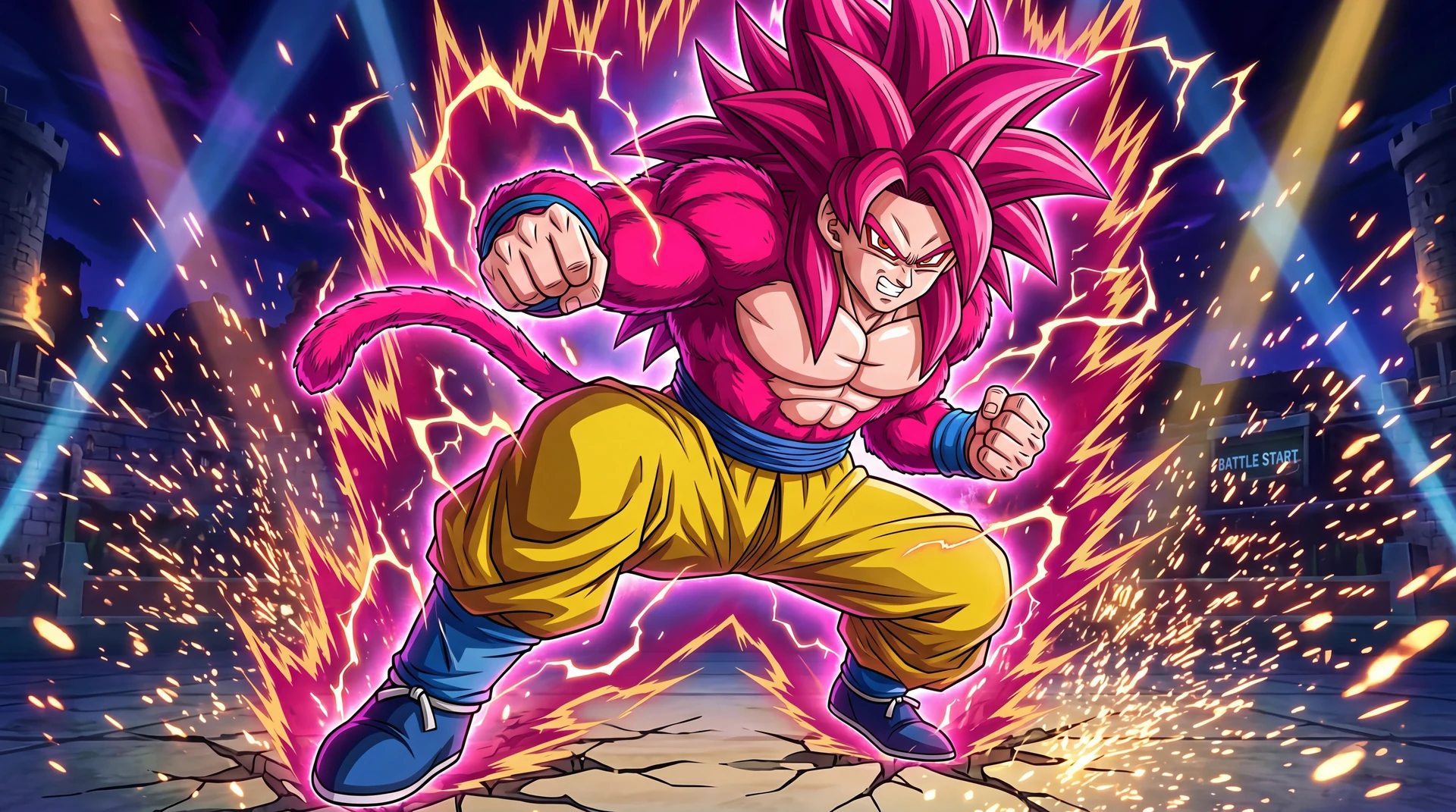
Dragon Ball FighterZ Adds Super Saiyan 4 Goku From Daima
May 25, 2026Dragon Ball FighterZ added Super Saiyan 4 Goku, the form featured in the Daima anime, as DLC on April 22, 2026. The 2018 fighting game is still getting new content nearly eight years on....
Dragon Ball Sparking Zero Super Limit-Breaking NEO DLC Adds 30 Plus Fighters for Summer 2026
Apr 20, 2026Bandai Namco and Spike Chunsoft unveiled the Super Limit-Breaking NEO expansion for Dragon Ball Sparking Zero at Battle Hour 2026. Summer 2026 release, 30 plus characters, four new stages, and a new solo mode....
Sources & Information
Looking for more on Dragon Ball Z: Buu's Fury? The Dragon Ball Wiki on Fandom has a dedicated page with community notes.
View on FandomThis content is original writing by Daddy Jim Headquarters based on the Dragon Ball anime series, manga, and official materials. Episode and chapter references are cited where applicable.
Character and scene imagery on this site is original artwork by Daddy Jim Headquarters, not screenshots or licensed imagery. Official cover art is used on three types of pages for editorial commentary:
- Movie pages: theatrical posters and key visuals, credited to Toei Animation and Shueisha.
- Game pages: official box art, credited to Bandai Namco, Atari, and other publishers.
- Manga chapter pages: Jump Comics volume covers, credited to Shueisha and Akira Toriyama.
Browse our episode guides:
Official resources:
Dragon Ball Music by Daddy Jim Headquarters
Come listen to some Dragon Ball R&B.
Help Us Keep This Wiki Accurate
Daddy Jim Headquarters maintains this encyclopedia across 13 languages. If you spot an error, a translation issue, or something that doesn't look right, let us know.