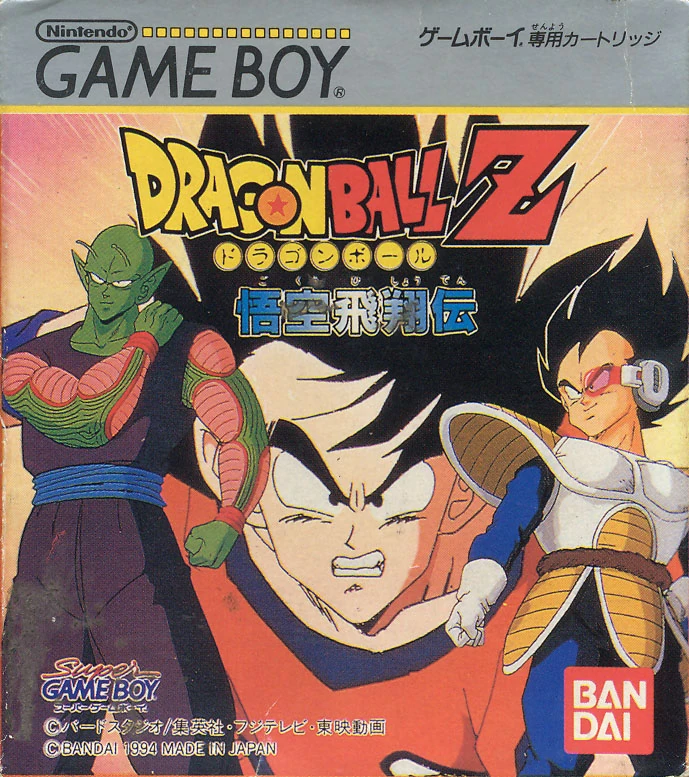
Dragon Ball Z: Goku Hishōden
GameDragon Ball Z: Goku Hishōden空飛翔伝|Doragon Bōru Zetto Gokū Hishōden|lit. Dragon Ball Z: Goku's Soaring Legend}} is a role playing video game released for Game Boy on November 25, 1994, in Japan. It is the first installment in the Goku RPG series and the first Dragon Ball game for the Game Boy.
Gameplay
Dragon Ball Z: Goku Hishoden is a role-playing video game released for the Game Boy on November 25, 1994, in Japan. It is the first installment in the Goku RPG series and the first Dragon Ball game produced for the Game Boy platform. The game begins near the end of Dragon Ball with Goku facing Piccolo at the 23rd World Martial Arts Tournament and concludes with the battle against Vegeta in the Saiyan Saga, a narrative scope later mirrored by Dragon Ball Z: Attack of the Saiyans on the Nintendo DS.
Story Mode is the primary mode, guiding the player through the events in sequential fashion. A World Martial Arts Tournament mode provides an eight-fighter bracket as a standalone competitive option. Players with a Super Game Boy can access a Play mode that enables additional character options, while a Training mode provides practice exercises to build combat skills. A set of minigames supports player progression and ability development: Spirit Bomb training raises the Ki ceiling, catching Bubbles by alternating button presses improves speed, a timing-based gauge challenge allows Goku to learn the Kaio-ken, and a Snake Way traversal minigame using dashing, jumping, and flight mechanics builds fundamental movement proficiency.
The game is also compatible with the Super Game Boy accessory, which provided color palette support and expanded functionality when played on a Super Nintendo Entertainment System.


Story
The story of Goku Hishoden covers two distinct arcs from the Dragon Ball timeline. The first segment follows Goku's climactic encounter with Piccolo at the World Martial Arts Tournament, concluding the Dragon Ball storyline. The game then transitions into the early Dragon Ball Z narrative, charting Goku's training under King Kai after travelling Snake Way and culminating in the Saiyan Saga confrontations with Raditz, Nappa, and Vegeta.
The cast includes all major characters active across these arcs, from Master Roshi, Launch, and Bulma to King Kai, Raditz, Nappa, and Vegeta. Gohan appears as a story-relevant character, and Chi-Chi and Kami also feature in supporting roles. The breadth of roster representation across both Dragon Ball and Dragon Ball Z timelines gave the game a scope that exceeded what most portable titles of its era attempted.

Legacy
As the first Dragon Ball game on the Game Boy, Goku Hishoden established the portable platform as a suitable venue for Dragon Ball RPG experiences in Japan. Its coverage of the transition from Dragon Ball to Dragon Ball Z within a single title made it a comprehensive entry point for players approaching the series through gaming. The direct sequel, Dragon Ball Z: Goku Gekitoden, continued the narrative with the Namek Saga and shifted to real-time combat, building on the framework that Goku Hishoden put in place.
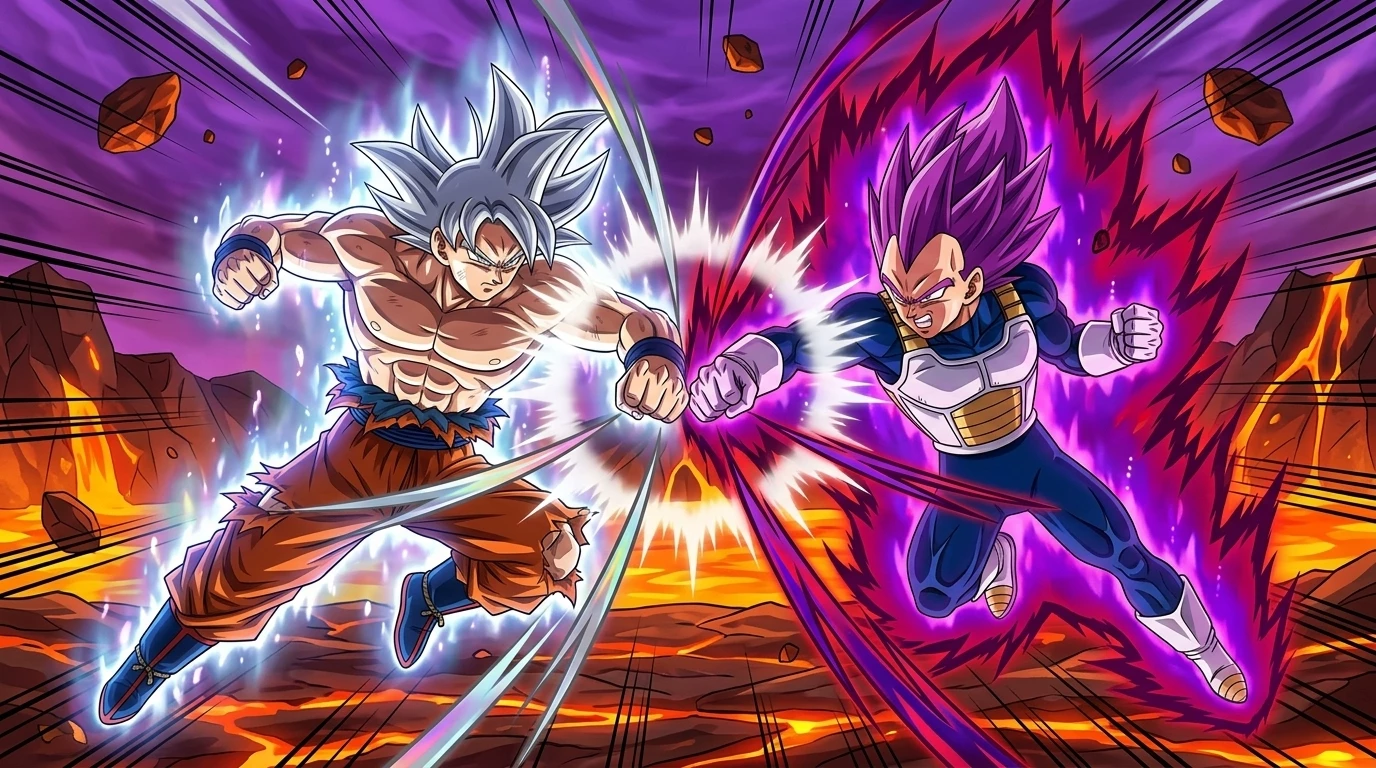
Sparking Zero May 26 Update Adds Demon World Stage and Reworks Transformation Healing
May 27, 2026Bandai Namco shipped a free Dragon Ball: Sparking Zero update on May 26, 2026 that introduces a new Demon World stage, overhauls transformation healing, and confirms the Daima Character Pack and Shallot DLC for release on June 27, 2026....
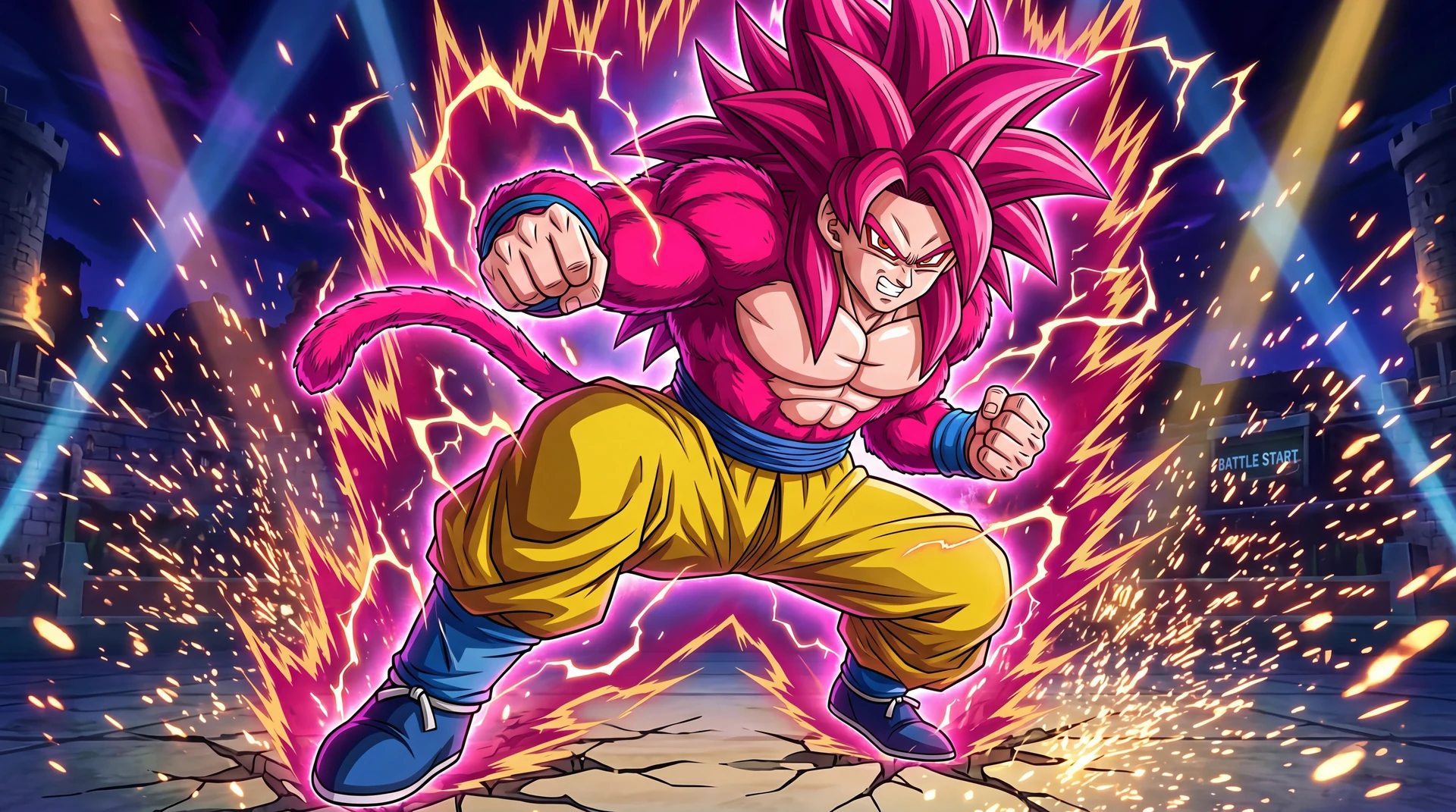
Dragon Ball FighterZ Adds Super Saiyan 4 Goku From Daima
May 25, 2026Dragon Ball FighterZ added Super Saiyan 4 Goku, the form featured in the Daima anime, as DLC on April 22, 2026. The 2018 fighting game is still getting new content nearly eight years on....
Dragon Ball Sparking Zero Super Limit-Breaking NEO DLC Adds 30 Plus Fighters for Summer 2026
Apr 20, 2026Bandai Namco and Spike Chunsoft unveiled the Super Limit-Breaking NEO expansion for Dragon Ball Sparking Zero at Battle Hour 2026. Summer 2026 release, 30 plus characters, four new stages, and a new solo mode....
Sources & Information
Looking for more on Dragon Ball Z: Goku Hishōden? The Dragon Ball Wiki on Fandom has a dedicated page with community notes.
View on FandomThis content is original writing by Daddy Jim Headquarters based on the Dragon Ball anime series, manga, and official materials. Episode and chapter references are cited where applicable.
Character and scene imagery on this site is original artwork by Daddy Jim Headquarters, not screenshots or licensed imagery. Official cover art is used on three types of pages for editorial commentary:
- Movie pages: theatrical posters and key visuals, credited to Toei Animation and Shueisha.
- Game pages: official box art, credited to Bandai Namco, Atari, and other publishers.
- Manga chapter pages: Jump Comics volume covers, credited to Shueisha and Akira Toriyama.
Browse our episode guides:
Official resources:
Dragon Ball Music by Daddy Jim Headquarters
Come listen to some Dragon Ball R&B.
Help Us Keep This Wiki Accurate
Daddy Jim Headquarters maintains this encyclopedia across 13 languages. If you spot an error, a translation issue, or something that doesn't look right, let us know.