Gameplay
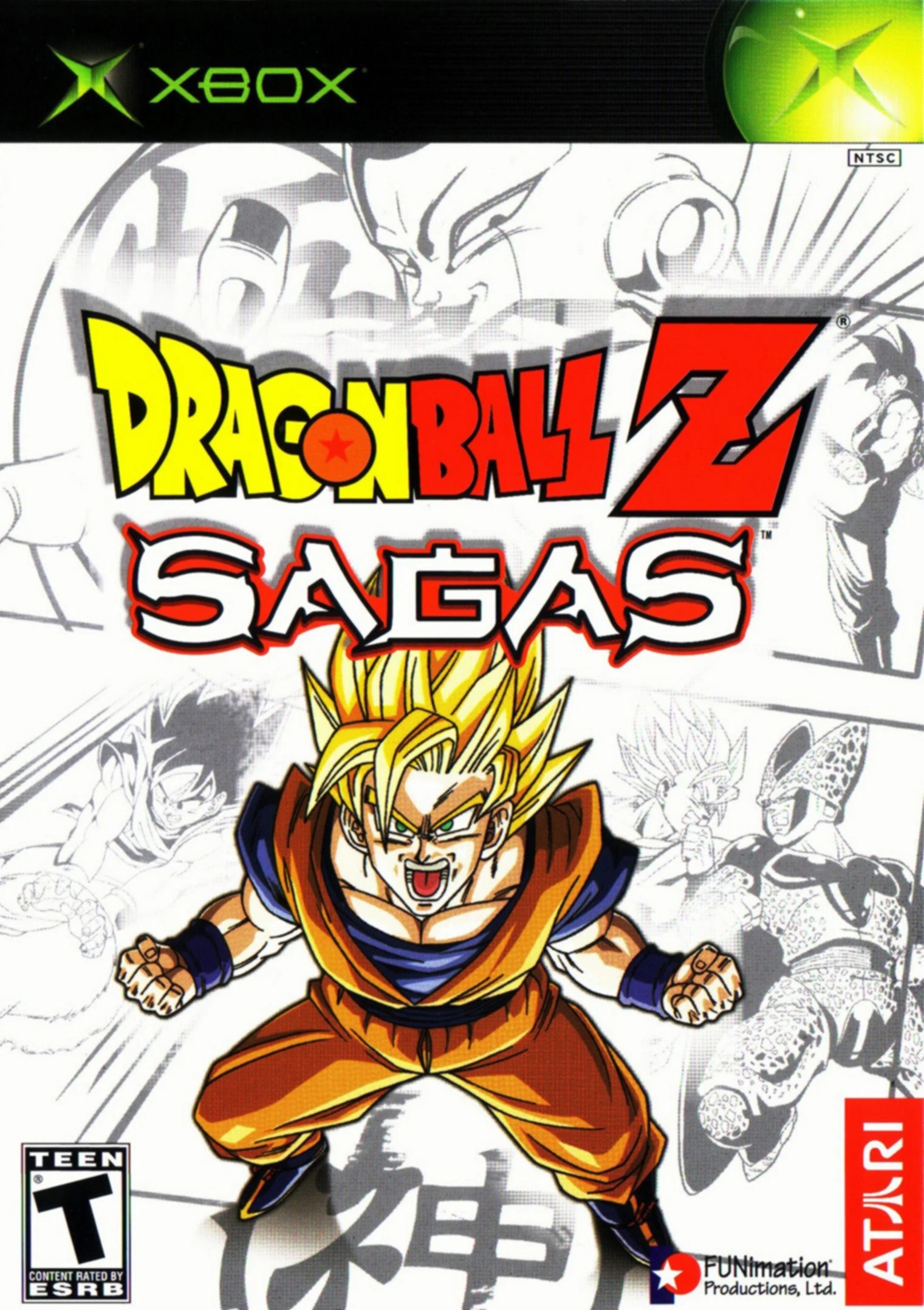
Dragon Ball Z: Sagas is a 3D action-adventure game developed by Avalanche Studios and published by Atari. The game divides its content across seven sagas spanning from the beginning of Dragon Ball Z through the conclusion of the Cell Games, spread across approximately nineteen levels. Players complete objectives, fight waves of enemies, and confront powerful bosses as the story progresses through each chapter.
Combat is organized around three distinct fighting styles: Melee, Combo, and Ki. Melee attacks execute quickly and leave opponents briefly stunned, creating openings for follow-up strikes. Combo attacks string together multiple consecutive punches or kicks, reaching up to ten hits per sequence. Ki attacks consume energy from a rechargeable meter and deal ranged damage using energy blasts, with the Special Move introduced in the first level serving as the most powerful Ki option. Characters can unlock new abilities by spending upgrade points earned through play.
Sagas supports cooperative play throughout its entire campaign, allowing two players to work through the story together. Unlockable characters such as Broly, Bardock, Krillin, Tien Shinhan, and Yamcha become available after the main game is completed, expanding replay value by allowing any level to be revisited with different fighters.


Story
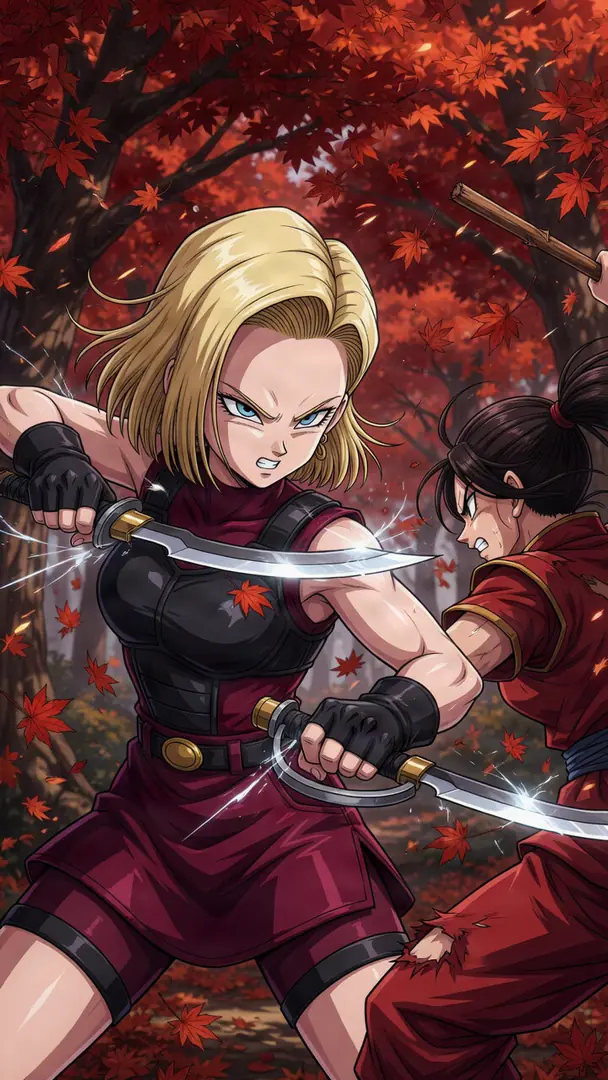
The game's single-player adventure follows the Dragon Ball Z story from Raditz's arrival on Earth through the defeat of Cell. Seven sagas structure the narrative: the Saiyan Saga, Ginyu Saga, Frieza Saga, Yardrat Saga, Trunks Saga, Androids Saga, and the Cell Games Saga. Each saga introduces new enemies and locations drawn directly from the anime, offering fans a guided retelling of familiar events.
Playable characters include Goku, Vegeta, Gohan, Piccolo, and Future Trunks, each available in multiple costume variants tied to different story moments. The game allows players to control these heroes through story levels that blend combat with light quest elements, giving the adventure mode more structure than a pure fighting game while remaining focused on action. The inclusion of the Yardrat Saga as a distinct chapter is notable, as this transitional arc is often omitted from Dragon Ball Z game adaptations.

Context and Legacy
Dragon Ball Z: Sagas holds several firsts in the franchise's gaming history. It is the only Dragon Ball Z game released across all sixth-generation consoles simultaneously, and the first developed by a non-Japanese studio. It is also the only Dragon Ball Z title released on the original Xbox, a milestone for Western console representation within a franchise otherwise dominated by Japanese hardware and development.
Reception at launch was largely critical, with reviewers citing repetitive gameplay and uneven enemy design. However, Sagas is remembered as an ambitious attempt by a Western developer to engage with the Dragon Ball Z property on a broad multi-platform scale, and its cooperative campaign distinguishes it from most other titles in the series. Its historical firsts ensure it remains a point of reference in discussions of the franchise's console history.
Related Reading
See all
Chiaotzu is Chi-Chi's Boo: Why the Guy Who Never Wins Finally Wins
The least likely man in Dragon Ball just took the biggest win in our catalog. The story behind our R&B record about Chiaotzu, Chi-Chi, and a house Goku is never in....

Krillin's on the Tinder: How the Ultimate Short King Survived the Height Filter
Tinder built a height filter. Dragon Ball built a five foot legend. What happened when we sent the ultimate short king into the modern dating hellscape....

Frequently Asked Questions
What is the order of sagas in Dragon Ball?
Dragon Ball Z: Sagas ties into the Dragon Ball Z era of the franchise. The title is an action, adventure game.
Is Dragon Ball Z Sagas a good game?
Dragon Ball Z: Sagas is a 3D adventure video game developed by Avalanche Studios and published by Atari, based on Dragon Ball Z. Dragon Ball Z: Sagas is a 3D action-adventure game developed by Avalanche Studios and published by Atari.
How does Dragon Ball Z: Sagas play?
Dragon Ball Z: Sagas is a 3D action-adventure game developed by Avalanche Studios and published by Atari. The game divides its content across seven sagas spanning from the beginning of Dragon Ball Z through the conclusion of the Cell Games, spread across approximately nineteen levels. Players complete objectives, fight waves of enemies, and confront powerful bosses as the story progresses through each chapter.
Which characters appear in Dragon Ball Z: Sagas?
The game's single-player adventure follows the Dragon Ball Z story from Raditz's arrival on Earth through the defeat of Cell. Seven sagas structure the narrative: the Saiyan Saga, Ginyu Saga, Frieza Saga, Yardrat Saga, Trunks Saga, Androids Saga, and the Cell Games Saga. Each saga introduces new enemies and locations drawn directly from the anime, offering fans a guided retelling of familiar events.
When was Dragon Ball Z: Sagas released?
Dragon Ball Z: Sagas was released in 2005. It was developed by Avalanche Software and published by Atari.
Sources & Information
Looking for more on Dragon Ball Z: Sagas? The Dragon Ball Wiki on Fandom has a dedicated page with community notes.
View on FandomThis content is original writing by Daddy Jim Headquarters based on the Dragon Ball anime series, manga, and official materials. Episode and chapter references are cited where applicable.
Character and scene imagery on this site is original artwork by Daddy Jim Headquarters, not screenshots or licensed imagery. Official cover art is used on three types of pages for editorial commentary:
- Movie pages: theatrical posters and key visuals, credited to Toei Animation and Shueisha.
- Game pages: official box art, credited to Bandai Namco, Atari, and other publishers.
- Manga chapter pages: Jump Comics volume covers, credited to Shueisha and Akira Toriyama.
Browse our episode guides:
Official resources:
Help Us Keep This Wiki Accurate
Daddy Jim Headquarters maintains this encyclopedia. If you spot an error, a translation issue, or something that doesn't look right, let us know.