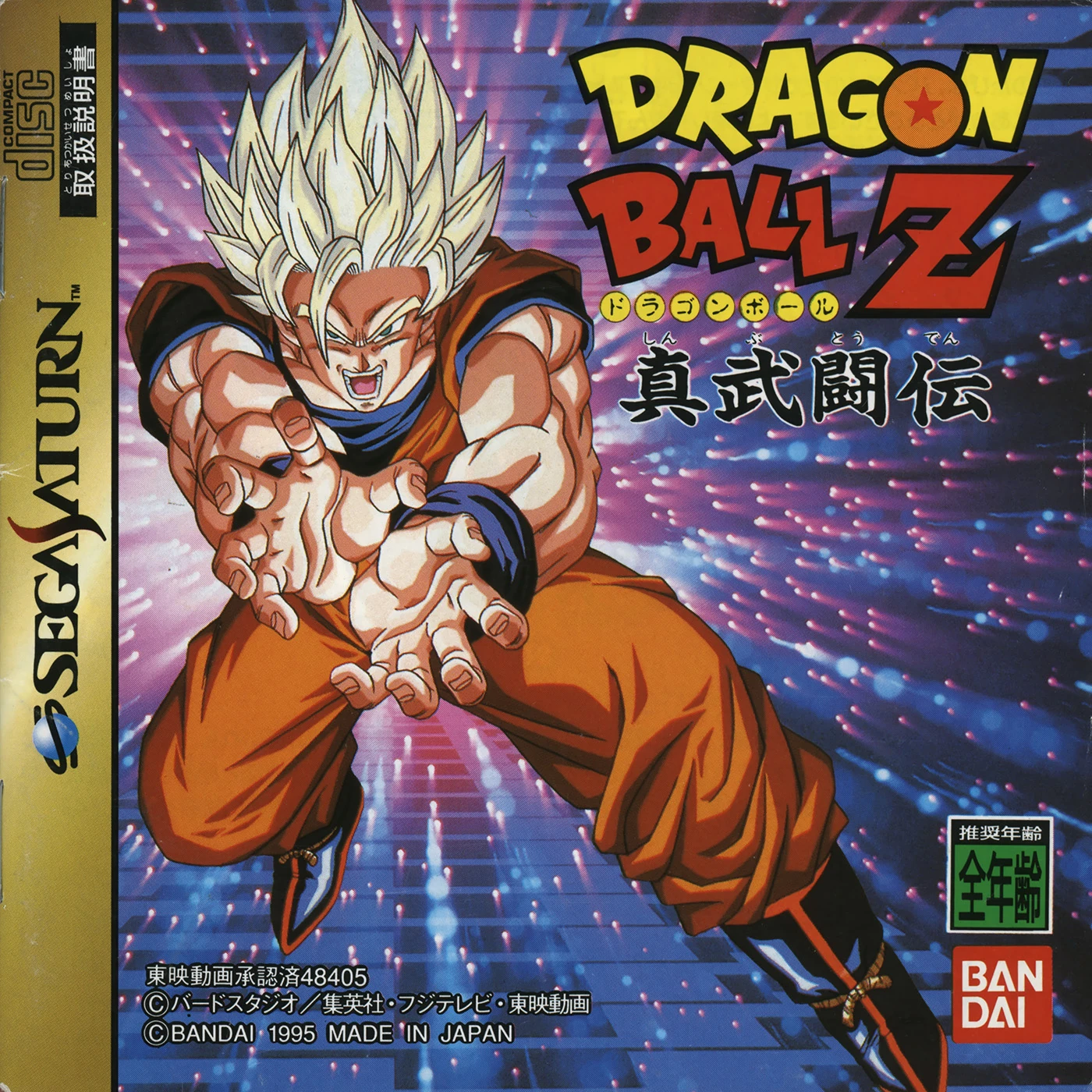
Dragon Ball Z: Shin Butōden
GameDragon Ball Z: Shin Butōden武闘伝|Doragon Bōru Zetto Shin Butōden|lit. Dragon Ball Z: True Armed Struggle Legend}} is a fighting video game released only in Japan on November 17, 1995, on Sega Saturn.
Gameplay
Dragon Ball Z: Shin Butoden is a 2D fighting game released exclusively in Japan on November 17, 1995, for the Sega Saturn. As the fourth and final entry in the Butoden series, it builds on the technical foundation of its Super Famicom predecessors while taking advantage of the Saturn's increased processing power. The game features twenty-seven playable characters, reusing character sprites from Dragon Ball Z: Ultimate Battle 22, and shares that game's introductory cinematic footage as well.
Battle Mode encompasses three formats: Story Mode, Versus Mode, and Group Battle Mode. Story Mode covers the Androids Saga through the Cell Games Saga and concludes with a credit-roll ending upon completion. Versus Mode offers one-on-one fights against the CPU, against a second player, or in a CPU-versus-CPU exhibition format. Group Battle Mode lets players assemble a team of five characters who fight sequentially, with winners carrying a portion of their remaining health into subsequent bouts.
Tournament Mode supports up to eight players competing in a World Martial Arts Tournament bracket, with CPU-controlled fighters filling any unoccupied slots. The results screen at the end displays portraits of the top three finishers alongside black-and-white photographs of the various matchups. Mr. Satan Mode is a unique side mode in which the player bets on fights as Mr. Satan, using items such as banana peels, guns, mines, and dynamite thrown into the ring to influence outcomes, while managing a Zeni budget starting at 1,000 and aiming to reach 10,000.


Story and Characters
Shin Butoden's Story Mode draws from the Androids and Cell Sagas, covering the arrival of the Androids, the battles with Imperfect and Perfect Cell, and the climactic Cell Games. The game assembles a roster that borrows characters from across the entire Butoden series history, incorporating fighters from Super Butoden, Super Butoden 2, Buyu Retsuden, Super Butoden 3, and Ultimate Battle 22. Five secret characters are shared with Ultimate Battle 22: Super Saiyan 3 Goku, Super Gogeta, Kid Goku, Master Roshi, and Mr. Satan.
The roster of twenty-seven fighters represents a comprehensive survey of the Dragon Ball Z cast available through 1995, giving the game one of the widest character selections in the series up to that point. The inclusion of Mr. Satan as a secret playable character, following his non-playable appearances in earlier Butoden titles, rewarded dedicated players with access to a comedic fan favorite. The overlap with Ultimate Battle 22's roster and visual assets speaks to the close relationship between the two Saturn-era fighting games.


Context and Legacy
Shin Butoden closes out the Butoden series that began on the Super Famicom with Super Butoden in 1993. Its release on the Sega Saturn marked a platform transition for the franchise, moving from Nintendo's 16-bit hardware to Sega's 32-bit console at a time when the Dragon Ball Z games were beginning to grow in visual ambition. The game's title translates loosely to "True Armed Struggle Legend," positioning it as the definitive culmination of the series.
The Mr. Satan Mode is frequently cited as a creative highlight of the game, offering a gambling-and-interference format that breaks entirely from the standard fighting game structure. This mode reflects the sense of humor present in the Dragon Ball Z source material and gives the game a memorable feature that distinguishes it from both its predecessors and its contemporaries. Shin Butoden remains a notable entry in the Saturn's fighting game library and in the broader history of Dragon Ball video games.
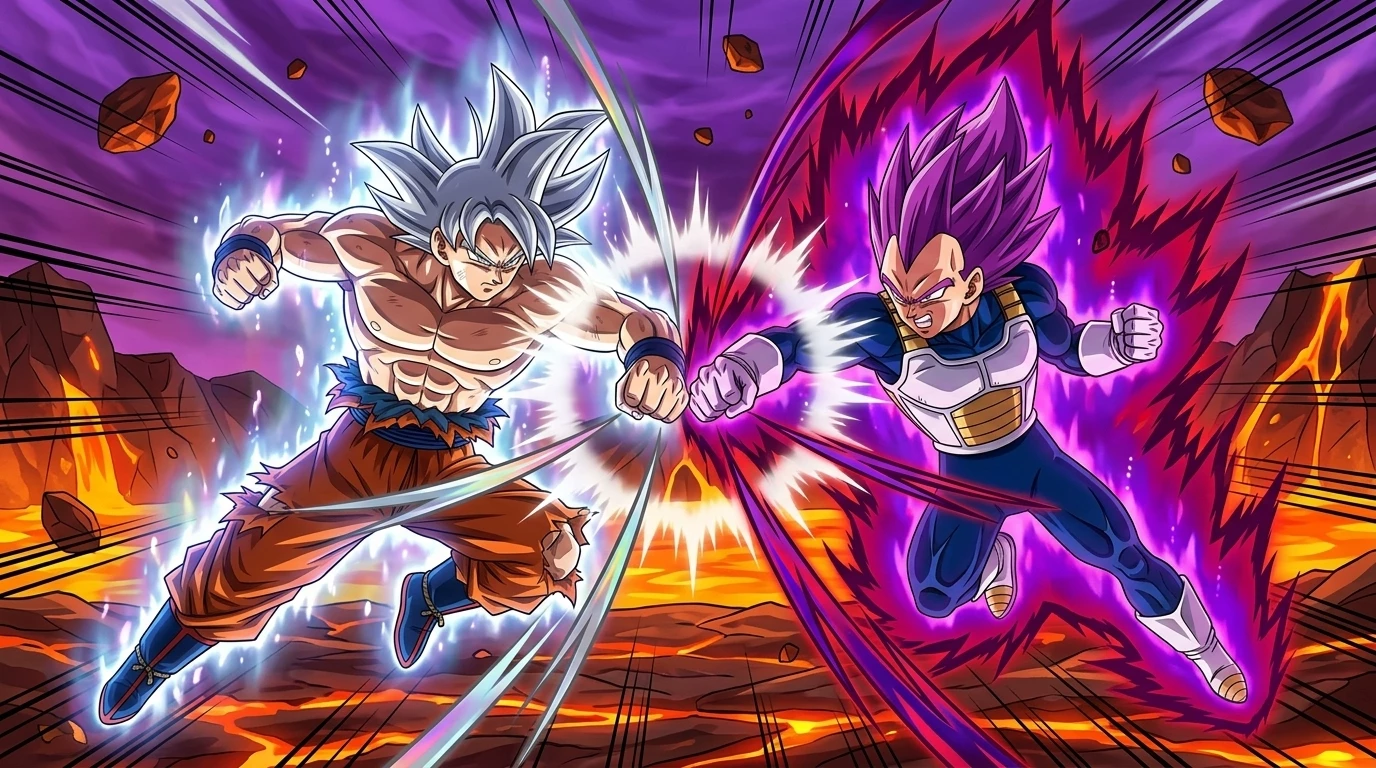
Sparking Zero May 26 Update Adds Demon World Stage and Reworks Transformation Healing
May 27, 2026Bandai Namco shipped a free Dragon Ball: Sparking Zero update on May 26, 2026 that introduces a new Demon World stage, overhauls transformation healing, and confirms the Daima Character Pack and Shallot DLC for release on June 27, 2026....
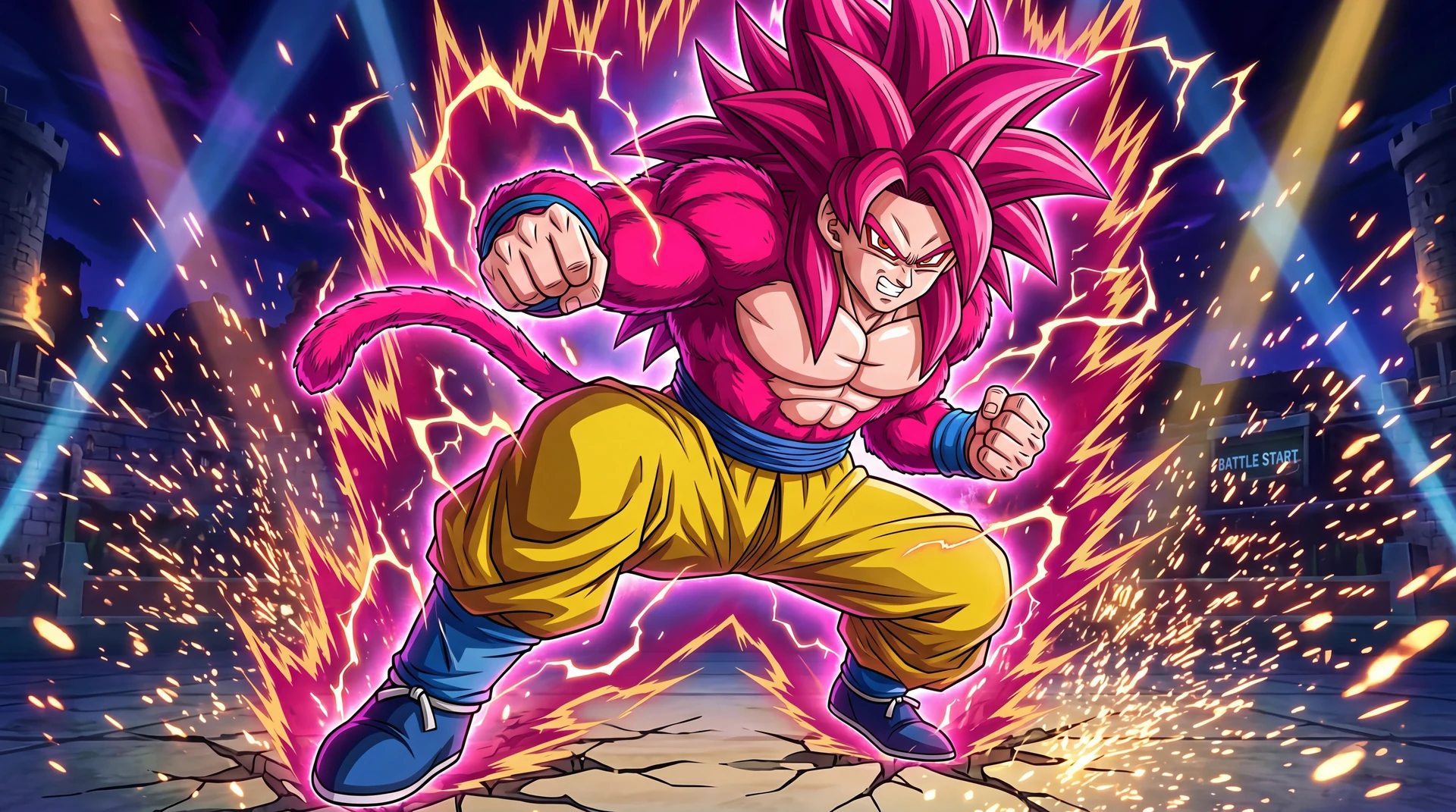
Dragon Ball FighterZ Adds Super Saiyan 4 Goku From Daima
May 25, 2026Dragon Ball FighterZ added Super Saiyan 4 Goku, the form featured in the Daima anime, as DLC on April 22, 2026. The 2018 fighting game is still getting new content nearly eight years on....
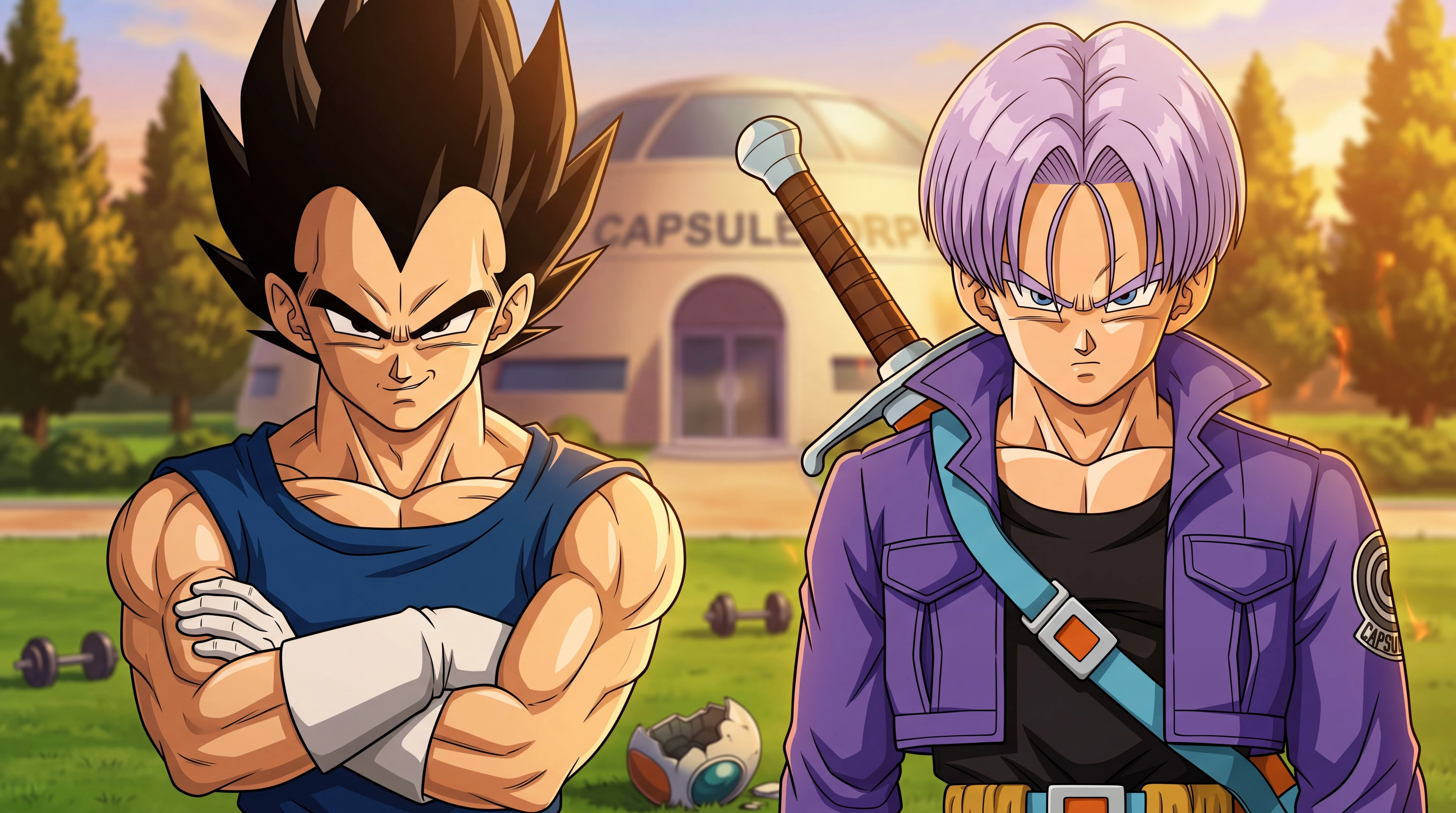
Dragon Ball Sparking Zero Super Limit-Breaking NEO DLC Adds 30 Plus Fighters for Summer 2026
Apr 20, 2026Bandai Namco and Spike Chunsoft unveiled the Super Limit-Breaking NEO expansion for Dragon Ball Sparking Zero at Battle Hour 2026. Summer 2026 release, 30 plus characters, four new stages, and a new solo mode....
Sources & Information
Looking for more on Dragon Ball Z: Shin Butōden? The Dragon Ball Wiki on Fandom has a dedicated page with community notes.
View on FandomThis content is original writing by Daddy Jim Headquarters based on the Dragon Ball anime series, manga, and official materials. Episode and chapter references are cited where applicable.
Character and scene imagery on this site is original artwork by Daddy Jim Headquarters, not screenshots or licensed imagery. Official cover art is used on three types of pages for editorial commentary:
- Movie pages: theatrical posters and key visuals, credited to Toei Animation and Shueisha.
- Game pages: official box art, credited to Bandai Namco, Atari, and other publishers.
- Manga chapter pages: Jump Comics volume covers, credited to Shueisha and Akira Toriyama.
Browse our episode guides:
Official resources:
Dragon Ball Music by Daddy Jim Headquarters
Come listen to some Dragon Ball R&B.
Help Us Keep This Wiki Accurate
Daddy Jim Headquarters maintains this encyclopedia across 13 languages. If you spot an error, a translation issue, or something that doesn't look right, let us know.