Dragon Ball Z: Tenkaichi Tag Team
GameDragon Ball Z: Tenkaichi Tag Team VS|Doragon Bōru Taggu Bāsasu|lit. Dragon Ball: Tag VS}} is a fighting video game based on Dragon Ball Z.
Gameplay
Dragon Ball Z: Tenkaichi Tag Team brings the Budokai Tenkaichi combat framework to the PlayStation Portable with a central emphasis on two-versus-two team battles. Players can compete solo or partner with a friend via Ad-Hoc wireless mode, assembling squads from a roster of over seventy customizable characters. The game supports 1v1, 1v2, 2v1, and 2v2 matchup configurations, giving players flexibility in how battles are constructed. Each character can be tuned through a deep customization system that adjusts stats and abilities, and in-game transformations allow fighters to shift forms during a match rather than requiring separate character selections.
Combat is built around the series' established punch, kick, and ki blast foundations, augmented by coordinated team attacks that are exclusive to this installment. Each fighter has access to three Super Blast techniques or equivalent combat moves. Blow Exchange and Shot Exchange clash mechanics allow two opponents to test their power directly against each other in timed button sequences. The game features Dragon Ball Z Kai voice acting with English-language voice actors from that production, replacing the Funimation dub cast used in previous Dragon Ball Z entries.

Modes and Content
The Dragon Walker mode guides players through the full Dragon Ball Z narrative arc from the Saiyan Saga to the Majin Buu Saga. Rather than following a purely linear structure, Dragon Walker allows players to hover across a map, triggering side missions and mini-games before advancing the main story. After the original Dragon Walker campaign is finished, new what-if storylines are appended to certain adventures, extending the replayable content beyond the canonical arc. This free-roam approach adds variety to how the story mode is paced compared to earlier portable Dragon Ball Z titles.
Battle 100 mode challenges players to work through one hundred increasingly difficult battle scenarios drawn from the Dragon Ball Z universe, including both canonical clashes and newly created situations. Survival mode tests endurance across consecutive fights. The game includes forty-six characters available from the start, with the remainder unlockable through gameplay progress. All seventy-plus characters come with multiple transformation chains that can be activated mid-fight.
Related Reading
See all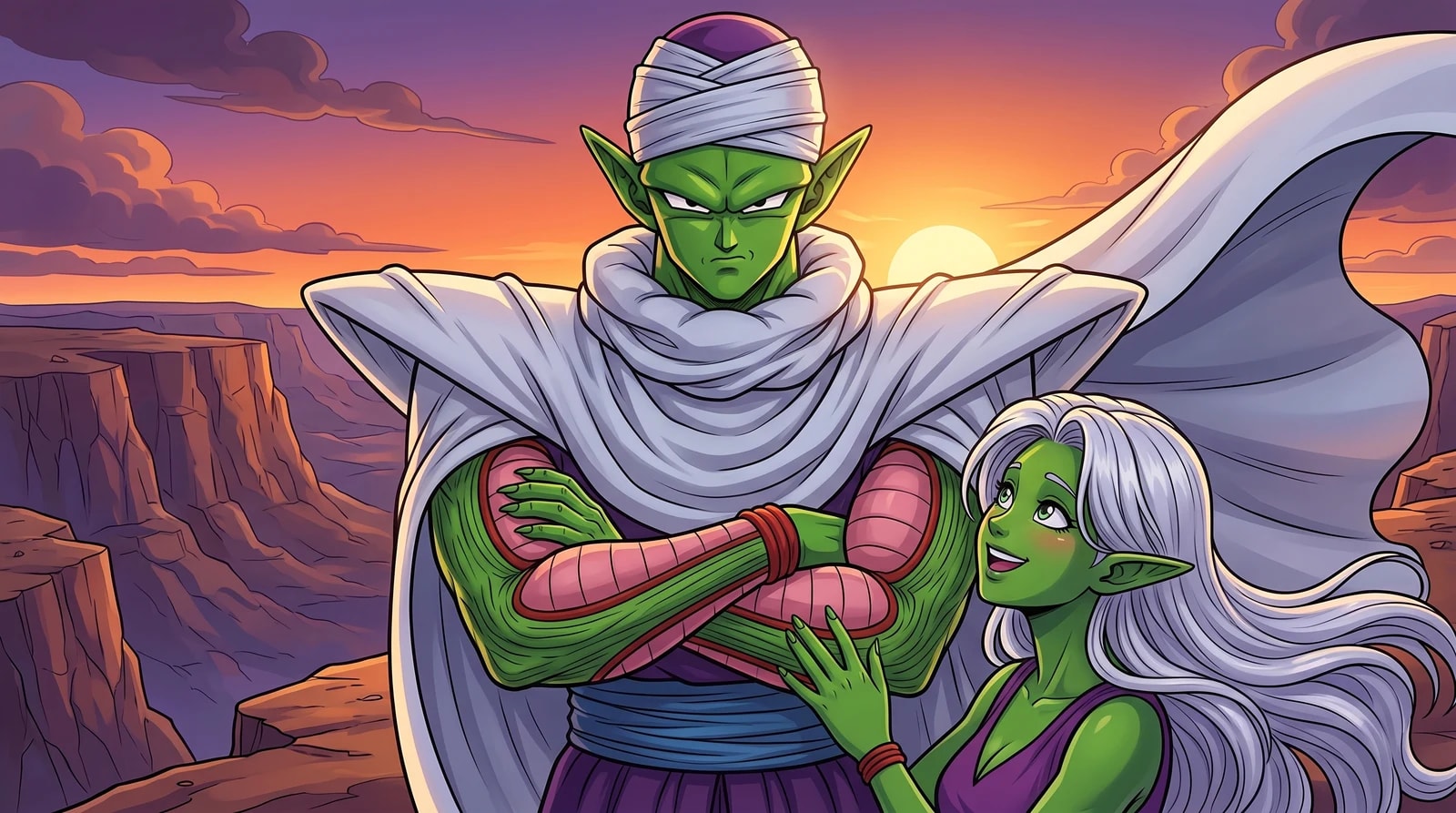
Namek Has No Women, and Piccolo Pulls Anyway
There are no women on Namek. That isn't an oversight, it's the biology. Why we handed Piccolo the one thing his own species rules out, and why it had to be trap soul....
1000 Times Over: Who Is John Dragon Ball Singing To?
Dragon Ball handed us a protagonist with no history and the internet named him John Dragon Ball. So we built him somebody to talk to....

Release and Significance
Tenkaichi Tag Team was released on September 30, 2010 in Japan and in October 2010 across North America, Europe, and Australia. Developed specifically for the PSP, it marked the first time a Tenkaichi game appeared on that platform and was the third Dragon Ball Z game and fourth Dragon Ball series game overall to release on PSP hardware. A re-release under the PSP The Best budget label followed in Japan on July 12, 2012.
The game is notable for being the first Tenkaichi entry to exclude Dragon Ball GT and classic Dragon Ball characters while simultaneously becoming the first to incorporate the Dragon Ball Z Kai cast. Its focus on cooperative and competitive tag mechanics gave it a distinctive identity within a franchise that had historically emphasized single-fighter combat, and it remains the final Dragon Ball series release for the PlayStation Portable.
Frequently Asked Questions
What is Dragon Ball Z: Tenkaichi Tag Team?
Dragon Ball Z: Tenkaichi Tag Team is a fighting video game based on Dragon Ball Z. Dragon Ball Z: Tenkaichi Tag Team brings the Budokai Tenkaichi combat framework to the PlayStation Portable with a central emphasis on two-versus-two team battles.
Which characters appear in Dragon Ball Z: Tenkaichi Tag Team?
Players can compete solo or partner with a friend via Ad-Hoc wireless mode, assembling squads from a roster of over seventy customizable characters. Each character can be tuned through a deep customization system that adjusts stats and abilities, and in-game transformations allow fighters to shift forms during a match rather than requiring separate character selections. Each fighter has access to three Super Blast techniques or equivalent combat moves.
Who developed Dragon Ball Z: Tenkaichi Tag Team?
Dragon Ball Z: Tenkaichi Tag Team was developed by Spike. Bandai Namco published the title.
Who published Dragon Ball Z: Tenkaichi Tag Team?
Dragon Ball Z: Tenkaichi Tag Team was published by Bandai Namco. Spike handled development.
What Dragon Ball series does Dragon Ball Z: Tenkaichi Tag Team belong to?
Dragon Ball Z: Tenkaichi Tag Team is part of the Budokai Tenkaichi game series. Dragon Ball Z: Tenkaichi Tag Team is a fighting video game based on Dragon Ball Z.
Sources & Information
Looking for more on Dragon Ball Z: Tenkaichi Tag Team? The Dragon Ball Wiki on Fandom has a dedicated page with community notes.
View on FandomThis content is original writing by Daddy Jim Headquarters based on the Dragon Ball anime series, manga, and official materials. Episode and chapter references are cited where applicable.
Rights holders
- Created byAkira Toriyama
- Published byShueisha
- Animated byToei Animation
All rights belong to their respective owners.
Character and scene imagery on this site is original artwork by Daddy Jim Headquarters, not screenshots or licensed imagery. Official cover art is used on three types of pages for editorial commentary:
- Movie pages: theatrical posters and key visuals, credited to Toei Animation and Shueisha.
- Game pages: official box art, credited to Bandai Namco, Atari, and other publishers.
- Manga chapter pages: Jump Comics volume covers, credited to Shueisha and Akira Toriyama.
Browse our episode guides:
Official resources:
Help Us Keep This Wiki Accurate
Daddy Jim Headquarters maintains this encyclopedia. If you spot an error, a translation issue, or something that doesn't look right, let us know.