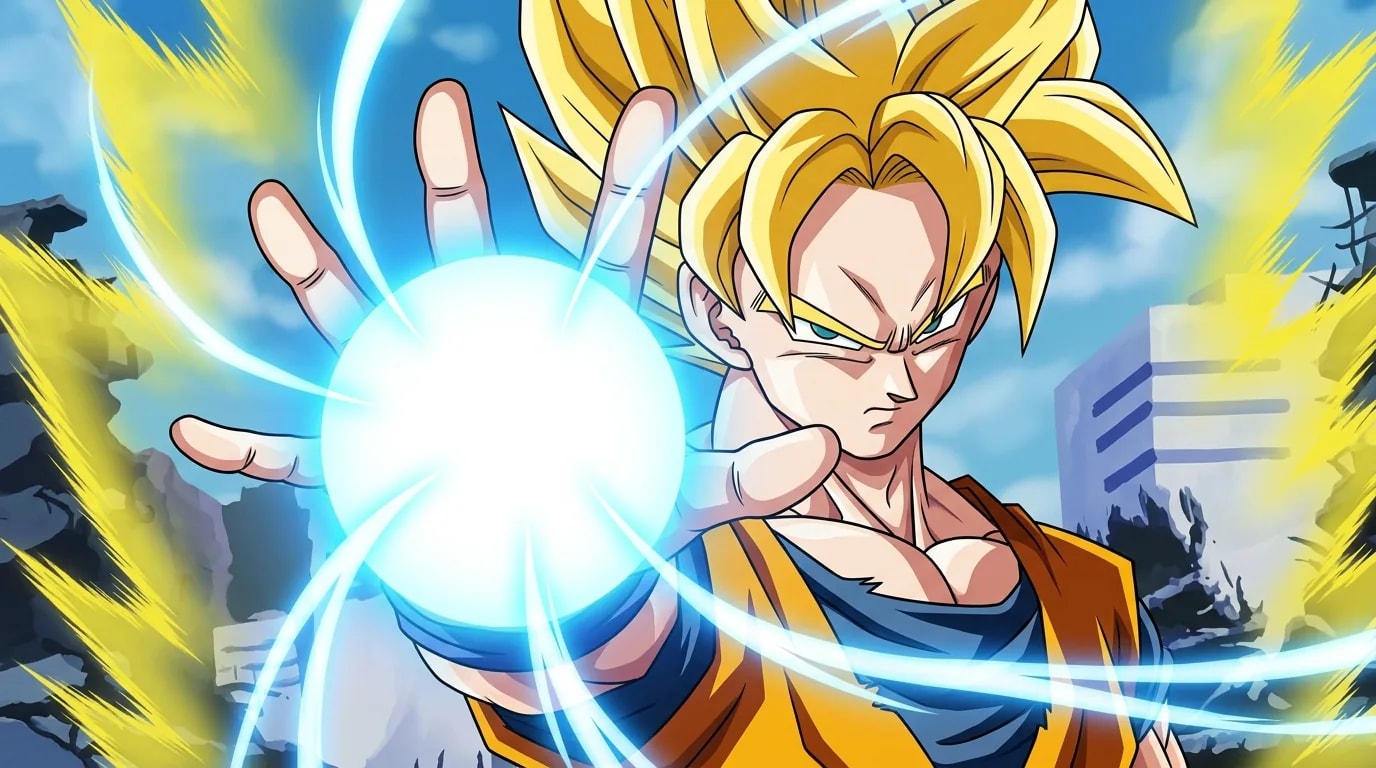
Ki Blast
TechniqueThe Ki Blast is the most basic energy attack in Dragon Ball and the fundamental building block of all energy combat. Ki Blasts encompass every formed and discharged portion of life energy, from the simplest hand-fired projectile to the most devastating planet-busting beam.
The Foundation of Everything
Every named energy technique in Dragon Ball is, at its core, a specialized form of Ki Blast. The term refers broadly to any attack formed by shaping and releasing one's ki as a projectile, beam, sphere, or wave of energy. The first Ki Blast shown in the series was Master Roshi's original Kamehameha, but the concept extends from the smallest finger beam to the most catastrophic Death Ball.
Ki Blasts come in many forms. Standard blasts are small, rapid projectiles that fighters fire in quick succession during combat. Energy waves are sustained beams like the Kamehameha or Galick Gun. Energy spheres are concentrated balls of ki that can be thrown or detonated on impact, such as Frieza's Death Ball or Vegeta's Big Bang Attack. Each variation reflects the user's fighting style, personality, and level of ki control.


Shapes and Styles
The variety of Ki Blast types across the franchise is staggering. Beam attacks travel in a continuous stream and are often used for clashes, where two fighters lock beams in a contest of raw power. Explosive waves release energy in all directions from the user's body, clearing nearby threats. Continuous energy bullets rain down projectiles in rapid succession, overwhelming opponents through volume rather than single-shot power. Disc attacks like the Destructo Disc shape ki into a razor-thin cutting edge.
Some fighters have developed deeply personal Ki Blast styles. Frieza favors precise finger beams and calculated Death Beams. Vegeta prefers high-impact single shots like the Big Bang Attack. Piccolo channels his Namekian heritage through techniques like the Special Beam Cannon, which drills through targets with spiraling energy. Even characters who are not primarily fighters, like Videl, learn basic Ki Blasts as part of their training under Gohan.
Power Scaling Made Visible
One of the narrative functions of Ki Blasts in Dragon Ball is to visually communicate power differences between characters. When Raditz casually backhands away Goku and Piccolo's attacks, the audience immediately understands the gap. When Frieza tanks a Kamehameha with one hand, the message is clear. Conversely, when a weaker character's Ki Blast manages to scratch a stronger opponent, it signals that they are growing.
The colors, sizes, and behaviors of Ki Blasts also serve as character signatures. Goku's blue Kamehameha, Vegeta's yellow-white Final Flash, Frieza's purple Death Beams, and Broly's green Eraser Cannons are all immediately recognizable. These visual distinctions make Ki Blasts not just a combat system but a storytelling tool, one that has defined the visual language of anime battles for decades.
Related Reading
See all
Krillin's on the Tinder: How the Ultimate Short King Survived the Height Filter
Tinder built a height filter. Dragon Ball built a five foot legend. What happened when we sent the ultimate short king into the modern dating hellscape....
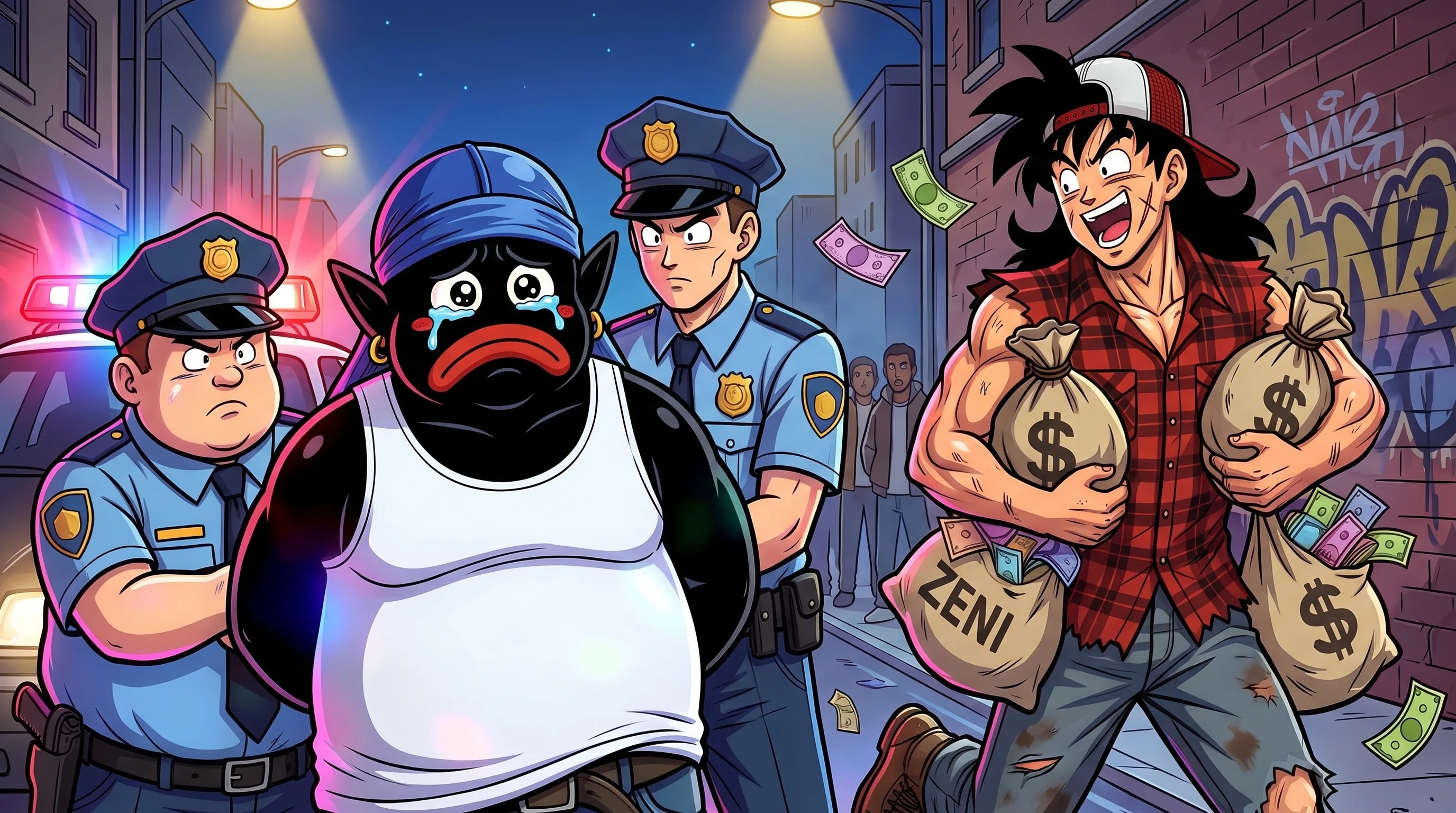
Infinite Zeni Glitch: When Yamcha Never Pays and Mr. Popo Always Does
The internet found an infinite money glitch. So did Yamcha. A smooth R&B track about the easiest money in the Dragon Ball world and the one man who keeps paying for it....
Frequently Asked Questions
What is a ki blast in Dragon Ball?
The fundamental building block of energy combat in Dragon Ball. Ki Blasts encompass every formed and discharged portion of life energy, from the simplest hand-fired projectile to the most devastating planet-busting beam.
What is the strongest ki blast in Dragon Ball?
The variety of Ki Blast types across the franchise is staggering. Beam attacks travel in a continuous stream and are often used for clashes, where two fighters lock beams in a contest of raw power. Explosive waves release energy in all directions from the user's body, clearing nearby threats.
Why are ki blasts different colors?
Every named energy technique in Dragon Ball is, at its core, a specialized form of Ki Blast. The term refers broadly to any attack formed by shaping and releasing one's ki as a projectile, beam, sphere, or wave of energy. The first Ki Blast shown in the series was Master Roshi's original Kamehameha, but the concept extends from the smallest finger beam to the most catastrophic Death Ball.
When does Ki Blast first appear?
Ki Blast first appears in The Kamehameha Wave (Dragon Ball Episode 8). In the manga, it debuts in the Kame Kame Kame Kame Kame Chameleon (Chapter 14) arc. The fundamental building block of energy combat in Dragon Ball.
How is Ki Blast represented in Dragon Ball video games?
One of the narrative functions of Ki Blasts in Dragon Ball is to visually communicate power differences between characters. When Raditz casually backhands away Goku and Piccolo's attacks, the audience immediately understands the gap. When Frieza tanks a Kamehameha with one hand, the message is clear.
Sources & Information
Looking for more on Ki Blast? The Dragon Ball Wiki on Fandom has a dedicated page with community notes.
View on FandomThis content is original writing by Daddy Jim Headquarters based on the Dragon Ball anime series, manga, and official materials. Episode and chapter references are cited where applicable.
Character and scene imagery on this site is original artwork by Daddy Jim Headquarters, not screenshots or licensed imagery. Official cover art is used on three types of pages for editorial commentary:
- Movie pages: theatrical posters and key visuals, credited to Toei Animation and Shueisha.
- Game pages: official box art, credited to Bandai Namco, Atari, and other publishers.
- Manga chapter pages: Jump Comics volume covers, credited to Shueisha and Akira Toriyama.
Browse our episode guides:
Official resources:
Help Us Keep This Wiki Accurate
Daddy Jim Headquarters maintains this encyclopedia. If you spot an error, a translation issue, or something that doesn't look right, let us know.