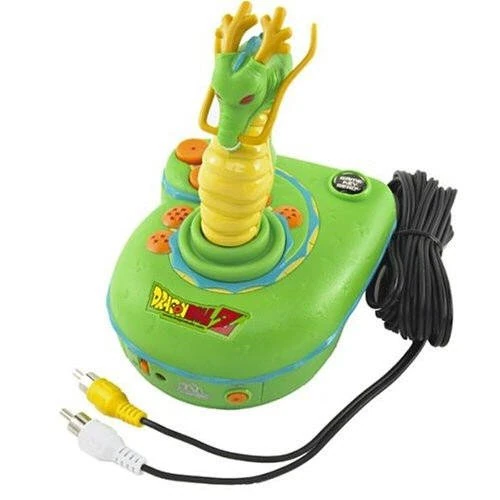
Dragon Ball Z TV game
GamePlug It In & Play TV Games: Dragon Ball Z (informally known as "Dragon Ball Z TV game" or "Dragon Ball Z 3-in-1") is a self-contained gaming system which hooks up to a television set via audio-video cables and contains three games. It was developed in 2006 by Handheld Games LLC and published by JAKKS Pacific, Inc. of Malibu, California.
Gameplay
Dragon Ball Z TV Game is a self-contained plug-and-play unit that connects directly to a television via standard audio-video cables, requiring no external game console. The joystick unit serves as both the controller and the hardware, shaped like Shenron with the seven Dragon Balls arranged around it. The One-Star and Two-Star Dragon Balls function as the primary control buttons, while a separate black button handles the pause and menu functions. The system runs on either battery power or an AC adapter. Three distinct games are embedded in the unit, giving it immediate variety without any additional software.
The three included games are Kamehameha Assault, Buto-Retsuden, and Pinball. In Kamehameha Assault, players maneuver across their half of the field and rebound a green energy sphere to capture the opponent's Dragon Balls, with the first player to collect all seven winning. Ki-based attacks drain an energy gauge that recharges by holding two buttons, adding a resource management layer. Buto-Retsuden presents a simplified tournament fighter with five selectable characters, while Pinball tasks players with defeating enemies from the Frieza Saga to collect all seven Dragon Balls and receive extra balls and bonus points from the dragon Porunga.


Content and Characters
The five playable characters available across Kamehameha Assault and Buto-Retsuden are Super Saiyan Goku, Super Saiyan Vegeta, Piccolo, Perfect Cell, and Kid Buu. This roster selects iconic representatives from across the Dragon Ball Z saga rather than attempting comprehensive coverage, favoring recognizability for a casual audience. Each character is usable in both modes, giving the limited roster maximum utility across the unit's competitive experiences.
The Pinball mode is thematically set during the Frieza Saga, tasking the player with defeating a sequence of Frieza's soldiers and associated bosses to claim the Dragon Balls one by one. Once all seven are gathered, Porunga appears and rewards the player with additional balls and a score multiplier. Buto-Retsuden draws its name and basic structure from earlier Dragon Ball Z arcade and console fighters, specifically functioning as a simplified version of Super Butoden 2 and Buyuu Retsuden, positioning it as a callback for longtime franchise fans.

Release and Context
The Dragon Ball Z TV Game was developed by Handheld Games LLC and published by JAKKS Pacific in 2006 as part of the company's Plug It In and Play TV Games line. JAKKS Pacific, based in Malibu, California, produced similar plug-and-play units for a range of other licensed properties during this period, and the Dragon Ball Z unit followed that commercial template.
A planned add-on expansion for the unit was developed but never released. It was intended to include an improved fighting game and a puzzle game, suggesting that the product line had been conceived with expansion potential that ultimately went unrealized. The device sits in a category of budget gaming hardware popular in the mid-2000s, designed to deliver an accessible licensed game experience at a lower price point than a traditional console release. Its unconventional Shenron-shaped controller form remains a distinctive artifact of the licensed game merchandise market from that era.
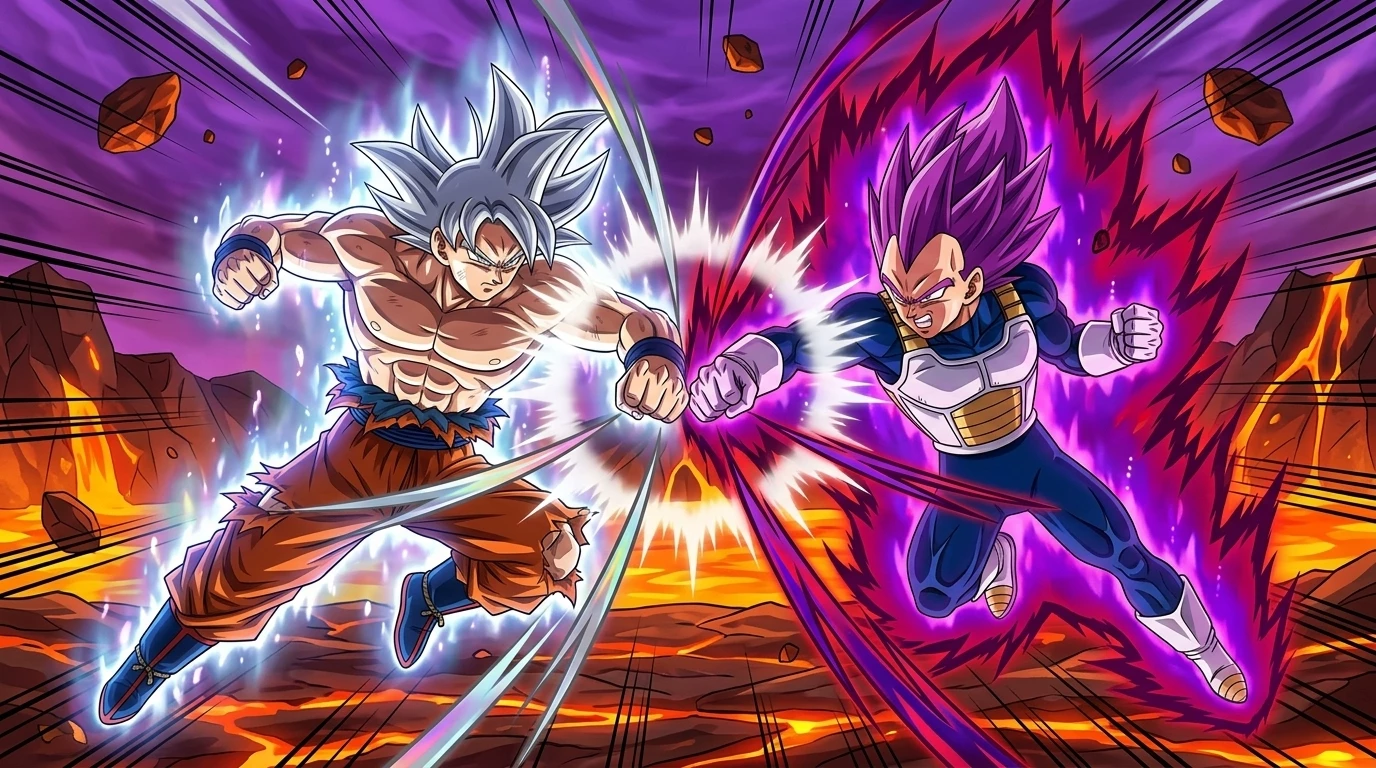
Sparking Zero May 26 Update Adds Demon World Stage and Reworks Transformation Healing
May 27, 2026Bandai Namco shipped a free Dragon Ball: Sparking Zero update on May 26, 2026 that introduces a new Demon World stage, overhauls transformation healing, and confirms the Daima Character Pack and Shallot DLC for release on June 27, 2026....
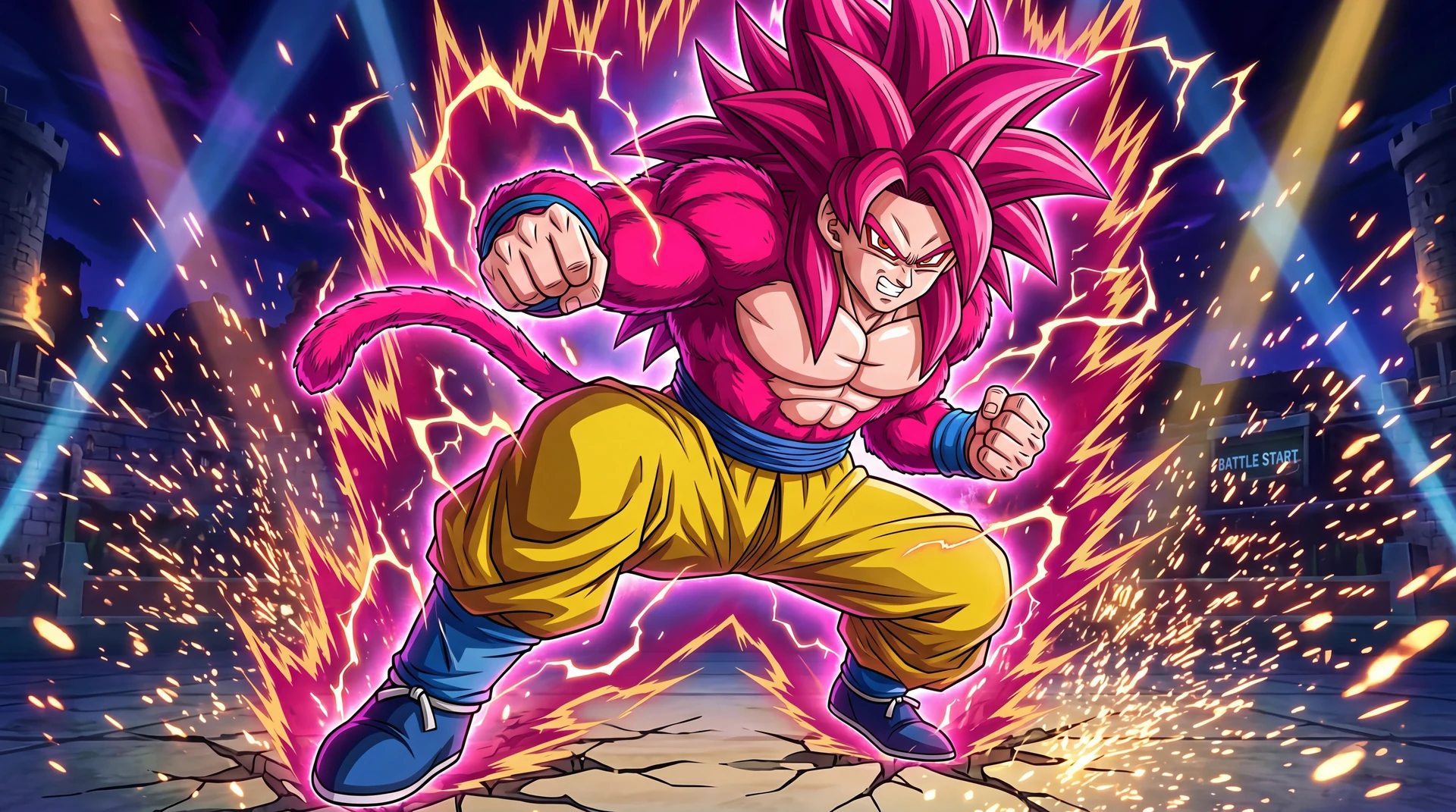
Dragon Ball FighterZ Adds Super Saiyan 4 Goku From Daima
May 25, 2026Dragon Ball FighterZ added Super Saiyan 4 Goku, the form featured in the Daima anime, as DLC on April 22, 2026. The 2018 fighting game is still getting new content nearly eight years on....
Dragon Ball Sparking Zero Super Limit-Breaking NEO DLC Adds 30 Plus Fighters for Summer 2026
Apr 20, 2026Bandai Namco and Spike Chunsoft unveiled the Super Limit-Breaking NEO expansion for Dragon Ball Sparking Zero at Battle Hour 2026. Summer 2026 release, 30 plus characters, four new stages, and a new solo mode....
Sources & Information
Looking for more on Dragon Ball Z TV game? The Dragon Ball Wiki on Fandom has a dedicated page with community notes.
View on FandomThis content is original writing by Daddy Jim Headquarters based on the Dragon Ball anime series, manga, and official materials. Episode and chapter references are cited where applicable.
Character and scene imagery on this site is original artwork by Daddy Jim Headquarters, not screenshots or licensed imagery. Official cover art is used on three types of pages for editorial commentary:
- Movie pages: theatrical posters and key visuals, credited to Toei Animation and Shueisha.
- Game pages: official box art, credited to Bandai Namco, Atari, and other publishers.
- Manga chapter pages: Jump Comics volume covers, credited to Shueisha and Akira Toriyama.
Browse our episode guides:
Official resources:
Dragon Ball Music by Daddy Jim Headquarters
Come listen to some Dragon Ball R&B.
Help Us Keep This Wiki Accurate
Daddy Jim Headquarters maintains this encyclopedia across 13 languages. If you spot an error, a translation issue, or something that doesn't look right, let us know.