
Dragon Ball Z: W Bakuretsu Impact
GameData Carddass Dragon Ball Z: W Bakuretsu Impact is an arcade card-based fighting game based on Dragon Ball Z, developed by Dimps, and released only in Japan on May 14, 2008. It is the fourth game of the Dragon Ball Z: Data Carddass series, and the sequel to Dragon Ball Z: Bakuretsu Impact.
Gameplay
Dragon Ball Z: W Bakuretsu Impact is an arcade card-based fighting game in which players use collectible data cards to configure and deploy characters in battle. The card-scanning mechanic, inherited from the Data Carddass series format, allows players to build personalized rosters by acquiring and reading physical cards at the arcade cabinet. Each card corresponds to a specific character form or transformation, enabling a level of customization driven by the player's physical card collection rather than in-game unlocks alone.
The game was developed by Dimps, a studio with extensive Dragon Ball Z fighting game experience, and uses character models adapted from the Budokai series. Battles are resolved through the card-game-informed combat system of the Data Carddass framework, with each character's capabilities determined by the cards in play. The roster is exceptionally large, encompassing base forms and multiple transformations for characters spanning Dragon Ball Z, Dragon Ball GT, and bonus appearances from classic Dragon Ball. Characters like Arale Norimaki and Obotchaman from Dr. Slump also appear, adding cross-franchise cameos.


Content and Roster
W Bakuretsu Impact includes one of the most expansive rosters in the Data Carddass series, with playable entries for major characters across nearly every Dragon Ball Z saga and several Dragon Ball GT arcs. The roster spans over eighty distinct character entries including base and transformed variants. Goku alone has entries covering his base form, Kaio-ken, Super Saiyan, Super Saiyan 2, Super Saiyan 3, and his Dragon Ball GT Super Saiyan 4 form. Cell, Frieza, Super Buu, and Gogeta similarly appear across their various forms as separate card options.
The game marks notable firsts within the Data Carddass line: it is the first game in the series to include Chiaotzu as a playable character, and it restores Android 19 after the character's absence from Dragon Ball Z: Budokai. Eis Shenron uses his brother Nuova Shenron's moveset despite being a distinct character, an acknowledged quirk within the game's development. The inclusion of Bardock, Cooler, Broly, Baby Vegeta, Super 17, and the Shadow Dragons rounds out the expanded GT and film content available in the title.


Release and Context
W Bakuretsu Impact was released in Japan on May 14, 2008, as the fourth installment in the Dragon Ball Z Data Carddass series and the direct sequel to Dragon Ball Z: Bakuretsu Impact. Like all entries in the series, it was exclusive to Japanese arcades and was never localized or distributed internationally. The Data Carddass format, which integrates collectible physical cards with arcade cabinet gameplay, was a commercial model specific to the Japanese market where arcade culture and card-collecting hobby games had established mainstream infrastructure.
The game reflects the broader franchise strategy of the mid-to-late 2000s, when Bandai and Dimps were producing Dragon Ball Z titles across multiple platforms and formats to serve both core gaming audiences and the card-collecting demographic. W Bakuretsu Impact's position as a Japan-exclusive arcade release means it remains largely unknown outside dedicated franchise research communities, but its outsized roster and cross-franchise inclusions make it a significant entry in the full catalog of Dragon Ball Z games.
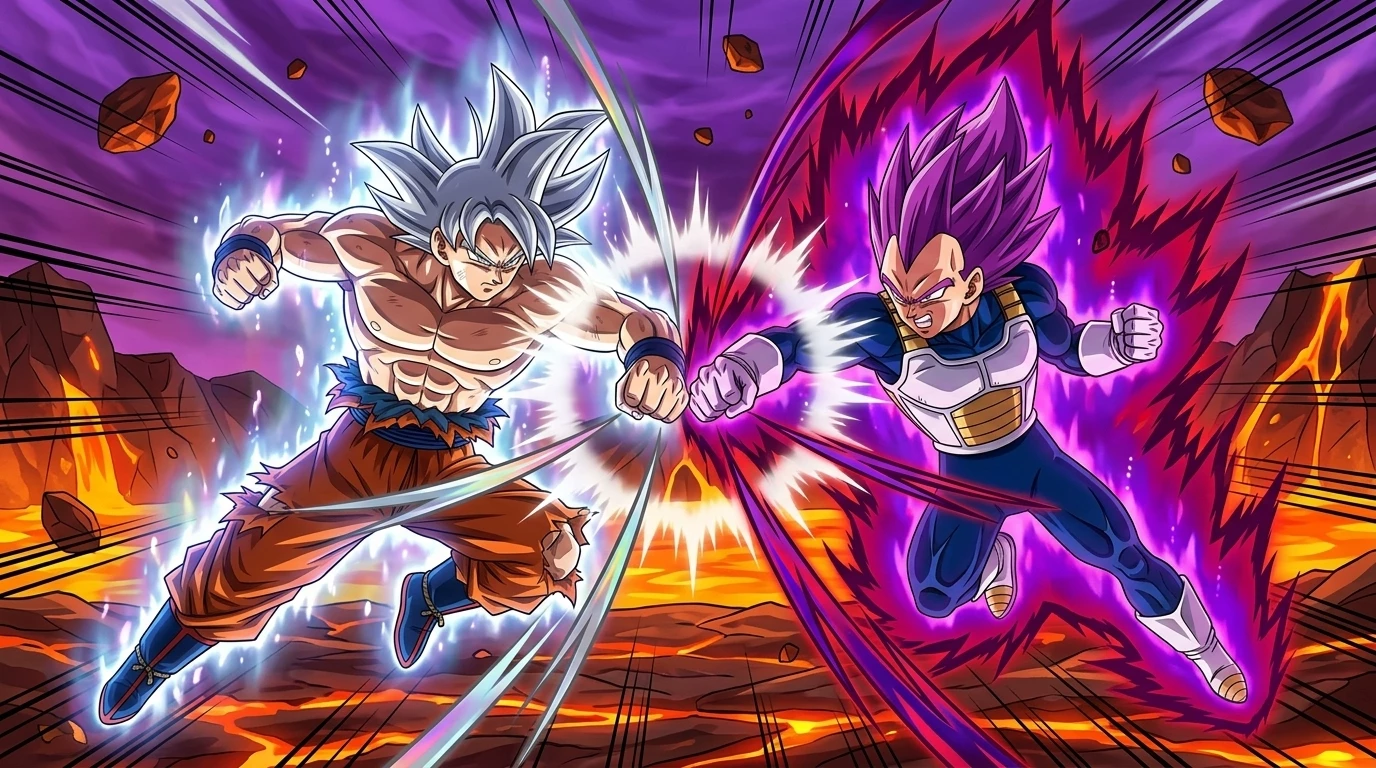
Sparking Zero May 26 Update Adds Demon World Stage and Reworks Transformation Healing
May 27, 2026Bandai Namco shipped a free Dragon Ball: Sparking Zero update on May 26, 2026 that introduces a new Demon World stage, overhauls transformation healing, and confirms the Daima Character Pack and Shallot DLC for release on June 27, 2026....
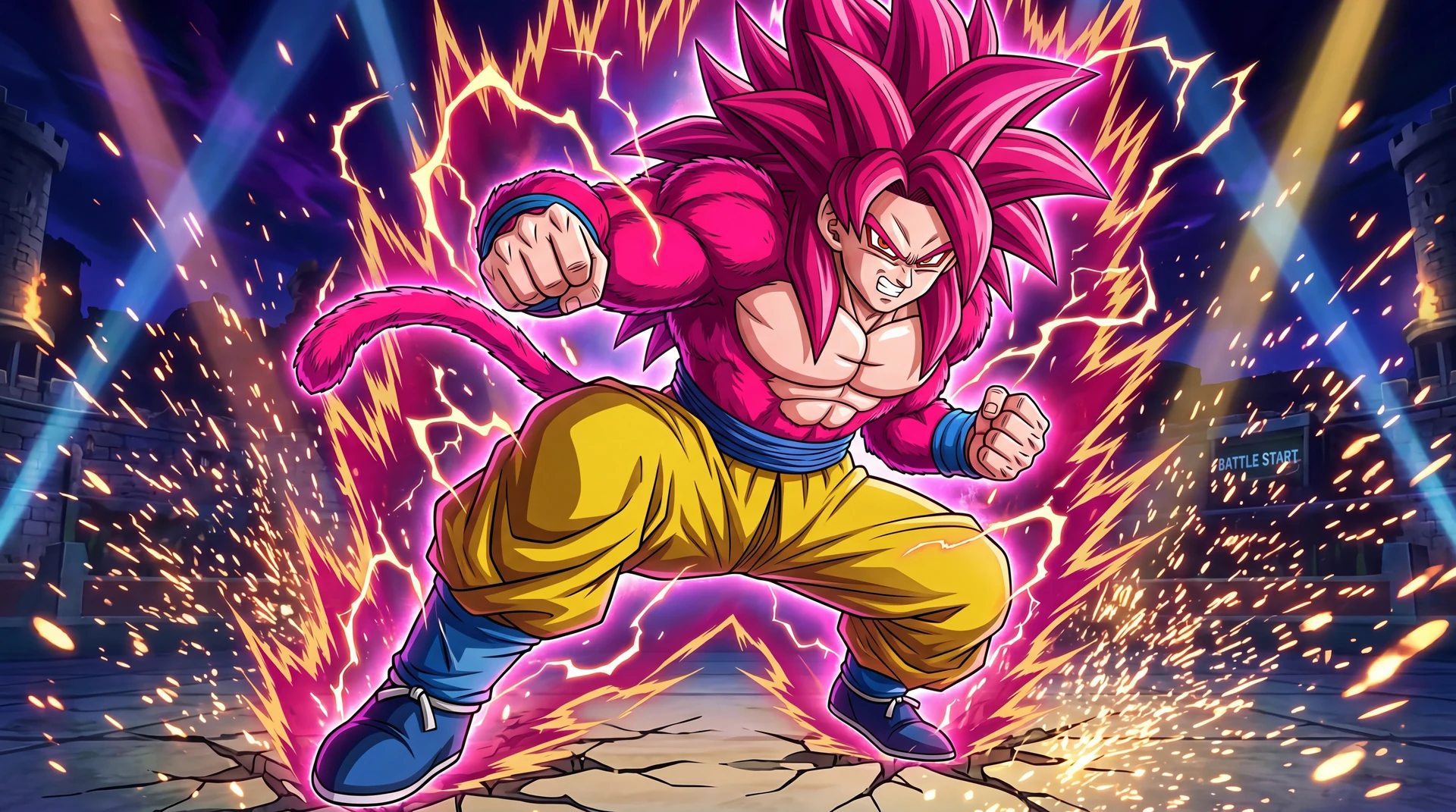
Dragon Ball FighterZ Adds Super Saiyan 4 Goku From Daima
May 25, 2026Dragon Ball FighterZ added Super Saiyan 4 Goku, the form featured in the Daima anime, as DLC on April 22, 2026. The 2018 fighting game is still getting new content nearly eight years on....

Dragon Ball Sparking Zero Super Limit-Breaking NEO DLC Adds 30 Plus Fighters for Summer 2026
Apr 20, 2026Bandai Namco and Spike Chunsoft unveiled the Super Limit-Breaking NEO expansion for Dragon Ball Sparking Zero at Battle Hour 2026. Summer 2026 release, 30 plus characters, four new stages, and a new solo mode....
Sources & Information
Looking for more on Dragon Ball Z: W Bakuretsu Impact? The Dragon Ball Wiki on Fandom has a dedicated page with community notes.
View on FandomThis content is original writing by Daddy Jim Headquarters based on the Dragon Ball anime series, manga, and official materials. Episode and chapter references are cited where applicable.
Character and scene imagery on this site is original artwork by Daddy Jim Headquarters, not screenshots or licensed imagery. Official cover art is used on three types of pages for editorial commentary:
- Movie pages: theatrical posters and key visuals, credited to Toei Animation and Shueisha.
- Game pages: official box art, credited to Bandai Namco, Atari, and other publishers.
- Manga chapter pages: Jump Comics volume covers, credited to Shueisha and Akira Toriyama.
Browse our episode guides:
Official resources:
Dragon Ball Music by Daddy Jim Headquarters
Come listen to some Dragon Ball R&B.
Help Us Keep This Wiki Accurate
Daddy Jim Headquarters maintains this encyclopedia across 13 languages. If you spot an error, a translation issue, or something that doesn't look right, let us know.