Gameplay
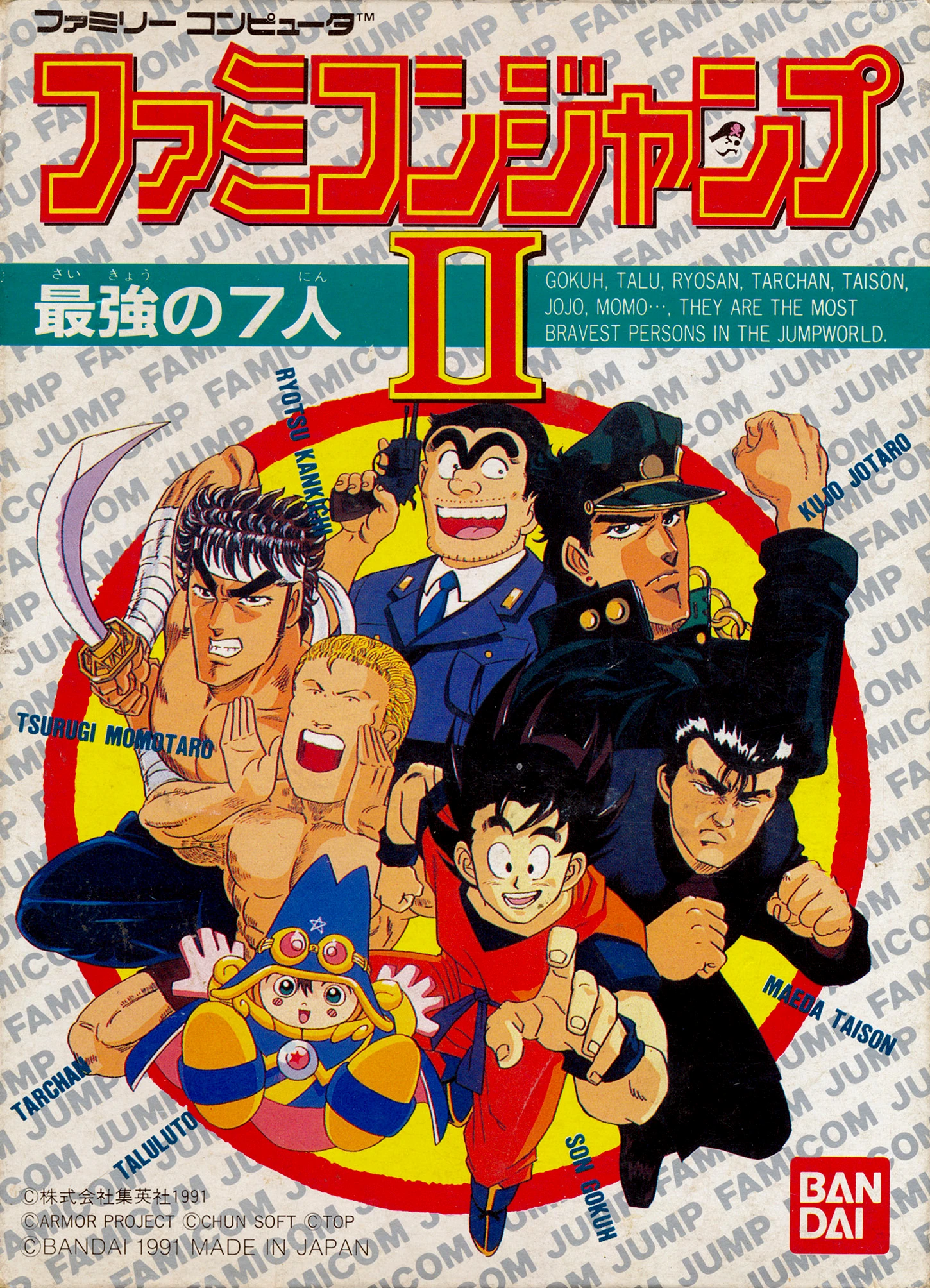
Famicom Jump II: Saikyō no Shichinin is a role-playing game for the Nintendo Famicom developed and published by Bandai in 1991. As with its predecessor, the game follows a turn-based RPG structure in which the player explores a shared world and engages enemies in menu-driven combat. The subtitle translates to "The Seven Strongest," referring to the seven playable heroes drawn from different Weekly Shonen Jump series active at the time of the game's release.
The player assembles a party composed of the seven main characters, each contributing their series-specific abilities to battles. Combat mechanics carry over from the original Famicom Jump, retaining the turn-based system while introducing the updated roster and narrative. Exploration spans environments tied to each represented manga, with enemy encounters reflecting the villains and obstacles from those respective stories. The game places greater emphasis on the distinct personalities and fighting styles of its smaller, more focused cast compared to the broad ensemble of the first title.
Four of the seven represented series appear in both games, offering continuity for players returning from the original: Dragon Ball, KochiKame, Sakigake!! Otokojuku, and JoJo's Bizarre Adventure all carry over. The remaining three series are new to this installment, introducing fresh heroes and settings. This more streamlined roster allows the game to give each character greater narrative weight within the shared adventure.


Story
The story follows the seven chosen Jump heroes as they work together to confront a threat that endangers the shared world of the game. Each of the seven main characters represents their home series and contributes to the mission through their unique abilities and personalities. The plot structure echoes the first game in broad strokes while giving greater focus to a smaller set of protagonists rather than the sprawling 16-hero ensemble of the original.
Son Goku represents the Dragon Ball franchise again, carrying forward his presence from the first Famicom Jump. Jotaro Kujo takes over the JoJo's Bizarre Adventure slot from Joseph Joestar, reflecting the progression of that manga's storyline at the time of release. New heroes including Ta-chan of Jungle King Ta-chan, Taruruto, and Maeda Taison of Rokudenashi BLUES join the adventure alongside the returning characters. The shared world draws from the settings and conflicts of all seven series, building a collaborative narrative across the different manga universes.

Legacy
Famicom Jump II: Saikyō no Shichinin represents the second and final entry in the Famicom-era Jump crossover RPG series. Following its release, the crossover game concept lay largely dormant until Cult Jump before eventually returning in a far more expansive form with the Nintendo DS titles Jump Super Stars and Jump Ultimate Stars. Six of the seven series represented in this installment would appear in one or both of those later games.
Goku of Dragon Ball, Jotaro Kujo of JoJo's Bizarre Adventure, and Ryotsu Kankichi of KochiKame all returned as playable characters in Jump Super Stars, demonstrating the lasting appeal of the characters introduced or continued in this game. Momotaro Tsurugi appeared again in Jump Ultimate Stars. The game is notable for documenting the transition of JoJo's Bizarre Adventure from the Joseph Joestar era to the Jotaro Kujo era within the crossover game timeline.
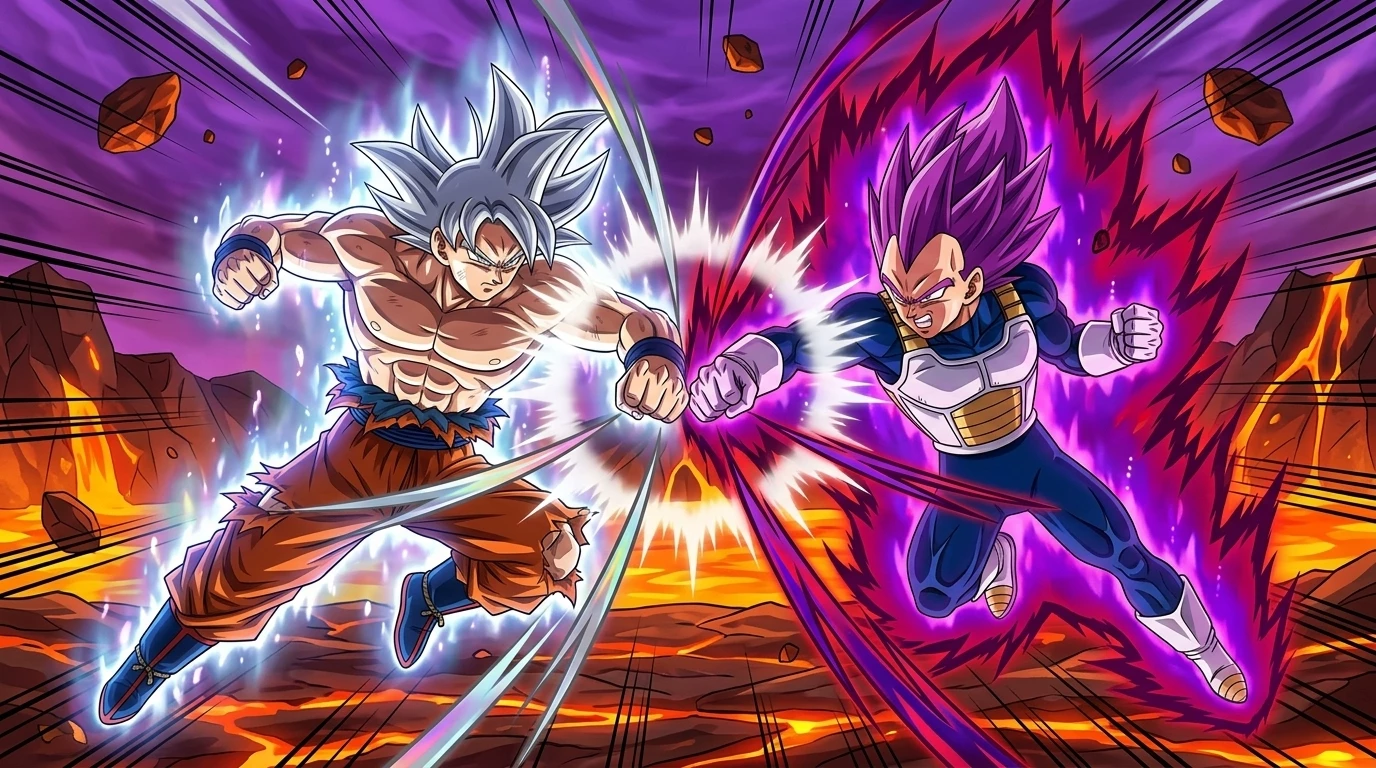
Sparking Zero May 26 Update Adds Demon World Stage and Reworks Transformation Healing
May 27, 2026Bandai Namco shipped a free Dragon Ball: Sparking Zero update on May 26, 2026 that introduces a new Demon World stage, overhauls transformation healing, and confirms the Daima Character Pack and Shallot DLC for release on June 27, 2026....
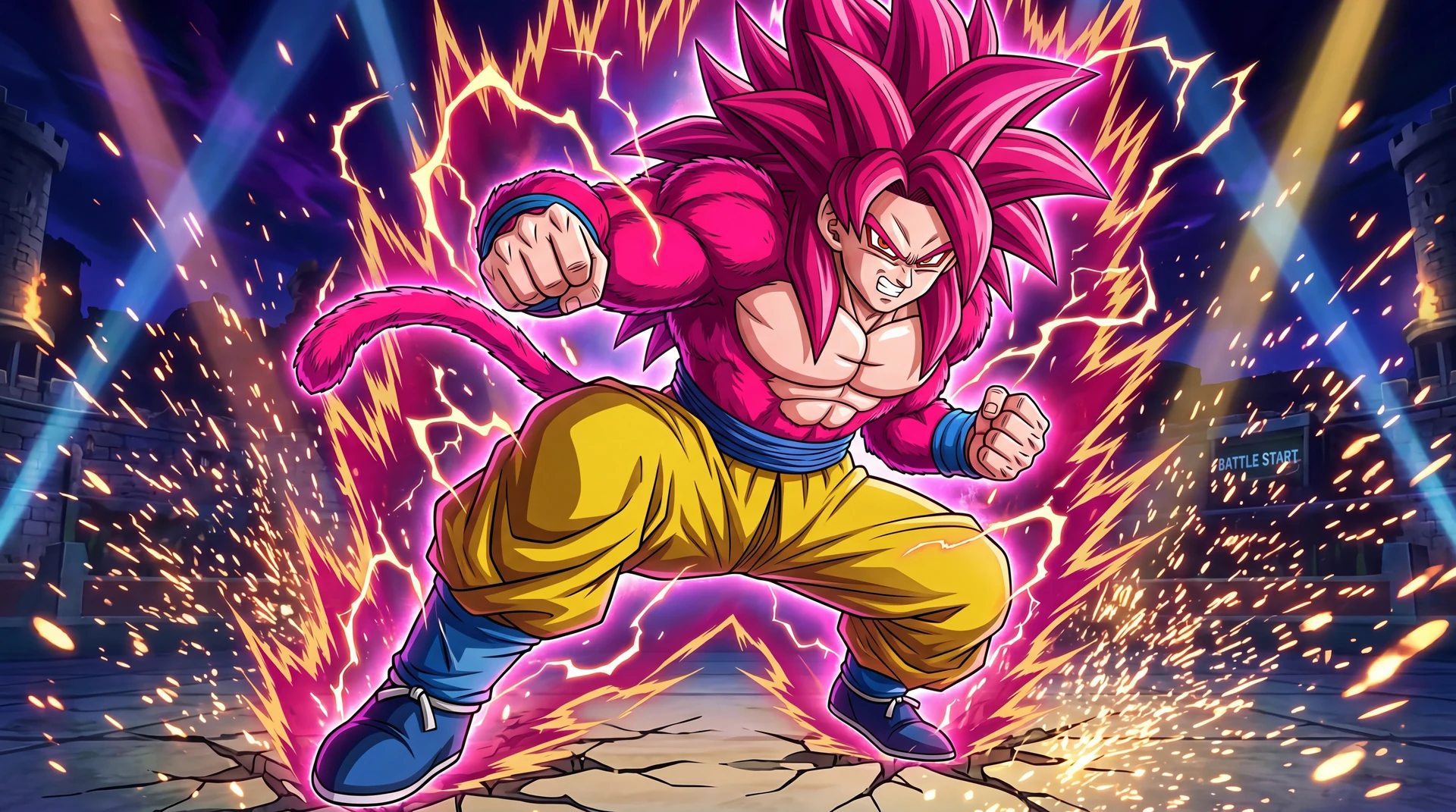
Dragon Ball FighterZ Adds Super Saiyan 4 Goku From Daima
May 25, 2026Dragon Ball FighterZ added Super Saiyan 4 Goku, the form featured in the Daima anime, as DLC on April 22, 2026. The 2018 fighting game is still getting new content nearly eight years on....
Dragon Ball Sparking Zero Super Limit-Breaking NEO DLC Adds 30 Plus Fighters for Summer 2026
Apr 20, 2026Bandai Namco and Spike Chunsoft unveiled the Super Limit-Breaking NEO expansion for Dragon Ball Sparking Zero at Battle Hour 2026. Summer 2026 release, 30 plus characters, four new stages, and a new solo mode....
Sources & Information
Looking for more on Famicom Jump II: Saikyō no Shichinin? The Dragon Ball Wiki on Fandom has a dedicated page with community notes.
View on FandomThis content is original writing by Daddy Jim Headquarters based on the Dragon Ball anime series, manga, and official materials. Episode and chapter references are cited where applicable.
Character and scene imagery on this site is original artwork by Daddy Jim Headquarters, not screenshots or licensed imagery. Official cover art is used on three types of pages for editorial commentary:
- Movie pages: theatrical posters and key visuals, credited to Toei Animation and Shueisha.
- Game pages: official box art, credited to Bandai Namco, Atari, and other publishers.
- Manga chapter pages: Jump Comics volume covers, credited to Shueisha and Akira Toriyama.
Browse our episode guides:
Official resources:
Dragon Ball Music by Daddy Jim Headquarters
Come listen to some Dragon Ball R&B.
Help Us Keep This Wiki Accurate
Daddy Jim Headquarters maintains this encyclopedia across 13 languages. If you spot an error, a translation issue, or something that doesn't look right, let us know.