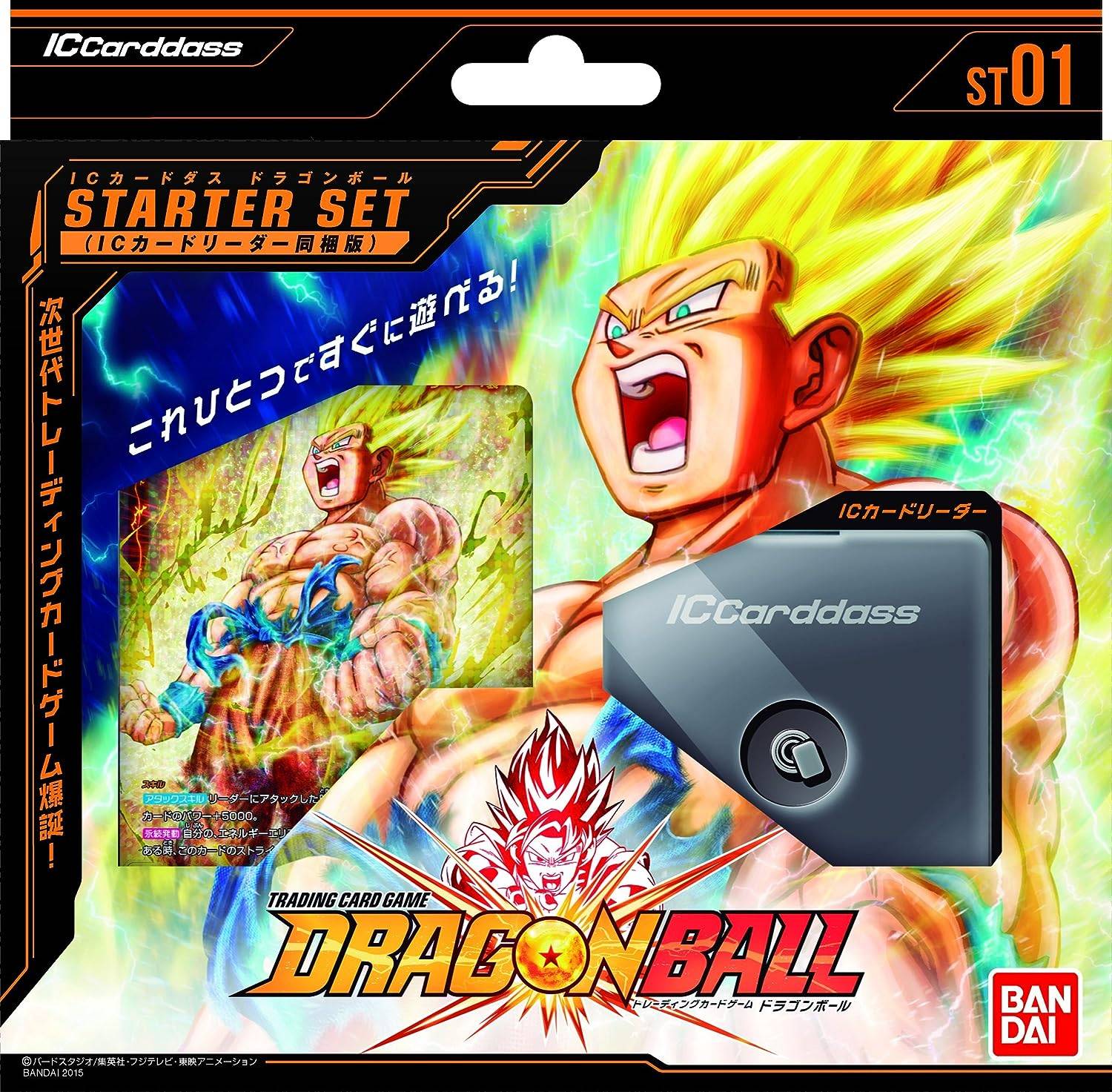
IC Carddass Dragon Ball
GameIC Carddass Dragon Ball is a trading card game created by Bandai Namco which uses new field communication technology in which is integrated into the users' devices and can be played online or face-to-face. IC Carddass Dragon Ball is based around the TV series, Dragon Ball Super.
Gameplay
IC Carddass Dragon Ball is a trading card game created by Bandai Namco that uses near-field communication technology integrated into compatible devices. The game can be played either online or face-to-face against other players, with the NFC functionality allowing physical cards to interact with digital interfaces. It is based on the Dragon Ball Super television series, drawing its roster and story arcs from that portion of the franchise's timeline.
The game launched in Japan on September 19, 2015, with two initial starter packs: a Saiyan Deck and a God Deck. These entry sets establish the core mechanical distinctions between power-based and divine-tier fighters in the card system. Players build decks around characters from specific sagas, with each card representing a version of a character at a defined point in the narrative. The card pool spans a broad range of Dragon Ball history, from the earliest Saiyan Saga through the Universe 6 Saga and the Goku Black arc of Dragon Ball Super.
The playable character list is among the most comprehensive of any Dragon Ball card game, covering dozens of characters across multiple saga contexts. Major figures such as Goku, Vegeta, Gohan, Piccolo, Frieza, and Beerus appear in multiple card versions representing their various power levels and transformations across different story arcs. Villain characters including Cooler, Cell, Bojack, and Janemba each have dedicated saga-specific entries. The game also includes supporting characters, God-tier beings, and fusion forms as part of its expansive roster.


Content
IC Carddass Dragon Ball organizes its card pool around discrete story sagas from across Dragon Ball, Dragon Ball Z, and Dragon Ball Super. Each saga corresponds to a group of characters who appear within it, allowing players to construct thematically coherent decks or mix characters across eras. Sagas represented include the Father of Goku arc, the Saiyan Saga, the Frieza Saga, the Androids and Cell arc, the Bojack film, the Other World Tournament, the Babidi arc, the Buu Saga, the Battle of Gods storyline, Resurrection F, the Universe 6 tournament arc, and the Goku Black arc.
Transformations are tracked per character and per saga, meaning a single character such as Goku may have dozens of individual card entries reflecting different moments in the story. The God-tier characters introduced in Dragon Ball Super, including Beerus, Whis, and Champa, receive dedicated card sets tied to their respective story arcs. Fusion characters including Gogeta, Vegito, and Gotenks are present, as are movie-exclusive characters from the non-canon film releases. The Oracle Fish, a recurring minor character from the Battle of Gods storyline, appears across multiple saga sets as a collectable card.


Context
IC Carddass Dragon Ball arrives as part of Bandai Namco's ongoing investment in the Dragon Ball card game market, leveraging NFC technology to bridge physical and digital play in a way that earlier Carddass releases could not. Its launch window coincided with the debut period of the Dragon Ball Super anime, positioning the game as a direct companion product to the new series. The dual-format play capability, allowing both in-person and online matches, reflects the shifting expectations of card game audiences in the mid-2010s.
The game's enormous character list distinguishes it from most contemporaries in the licensed card game space, offering a level of franchise coverage that appeals to long-term collectors and competitive players alike. By organizing cards around saga contexts rather than simply power levels, IC Carddass preserves narrative meaning within a mechanical framework, giving each card a sense of placement within the larger Dragon Ball story.
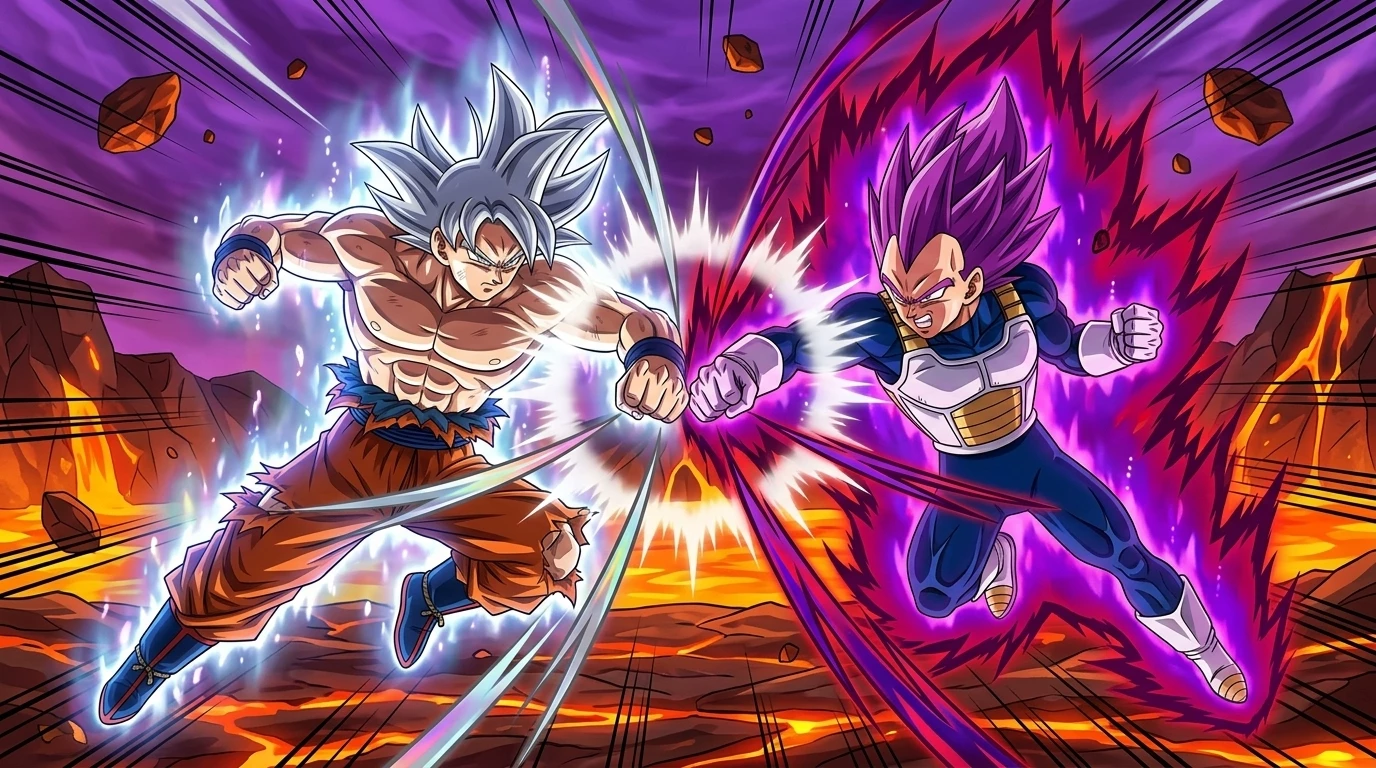
Sparking Zero May 26 Update Adds Demon World Stage and Reworks Transformation Healing
May 27, 2026Bandai Namco shipped a free Dragon Ball: Sparking Zero update on May 26, 2026 that introduces a new Demon World stage, overhauls transformation healing, and confirms the Daima Character Pack and Shallot DLC for release on June 27, 2026....
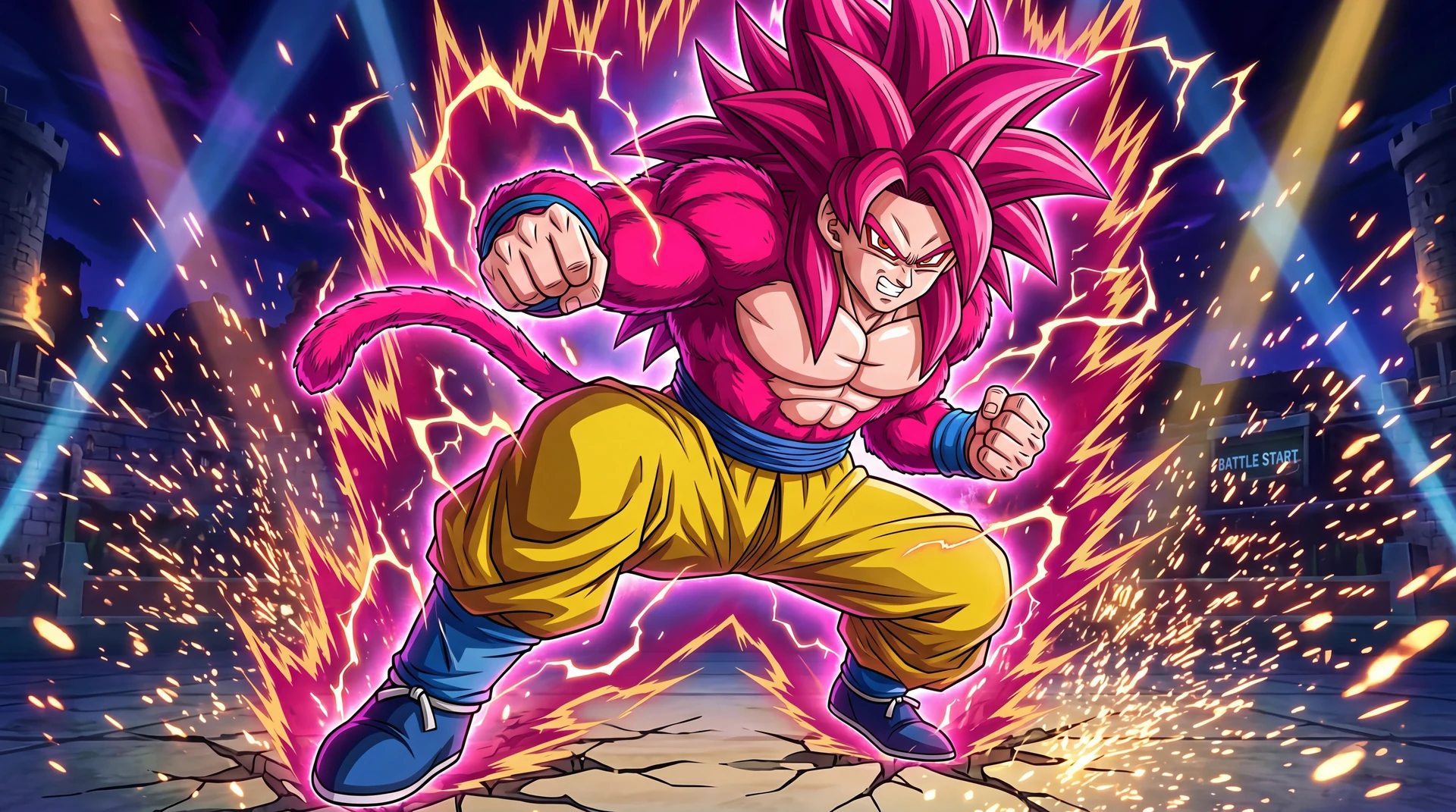
Dragon Ball FighterZ Adds Super Saiyan 4 Goku From Daima
May 25, 2026Dragon Ball FighterZ added Super Saiyan 4 Goku, the form featured in the Daima anime, as DLC on April 22, 2026. The 2018 fighting game is still getting new content nearly eight years on....
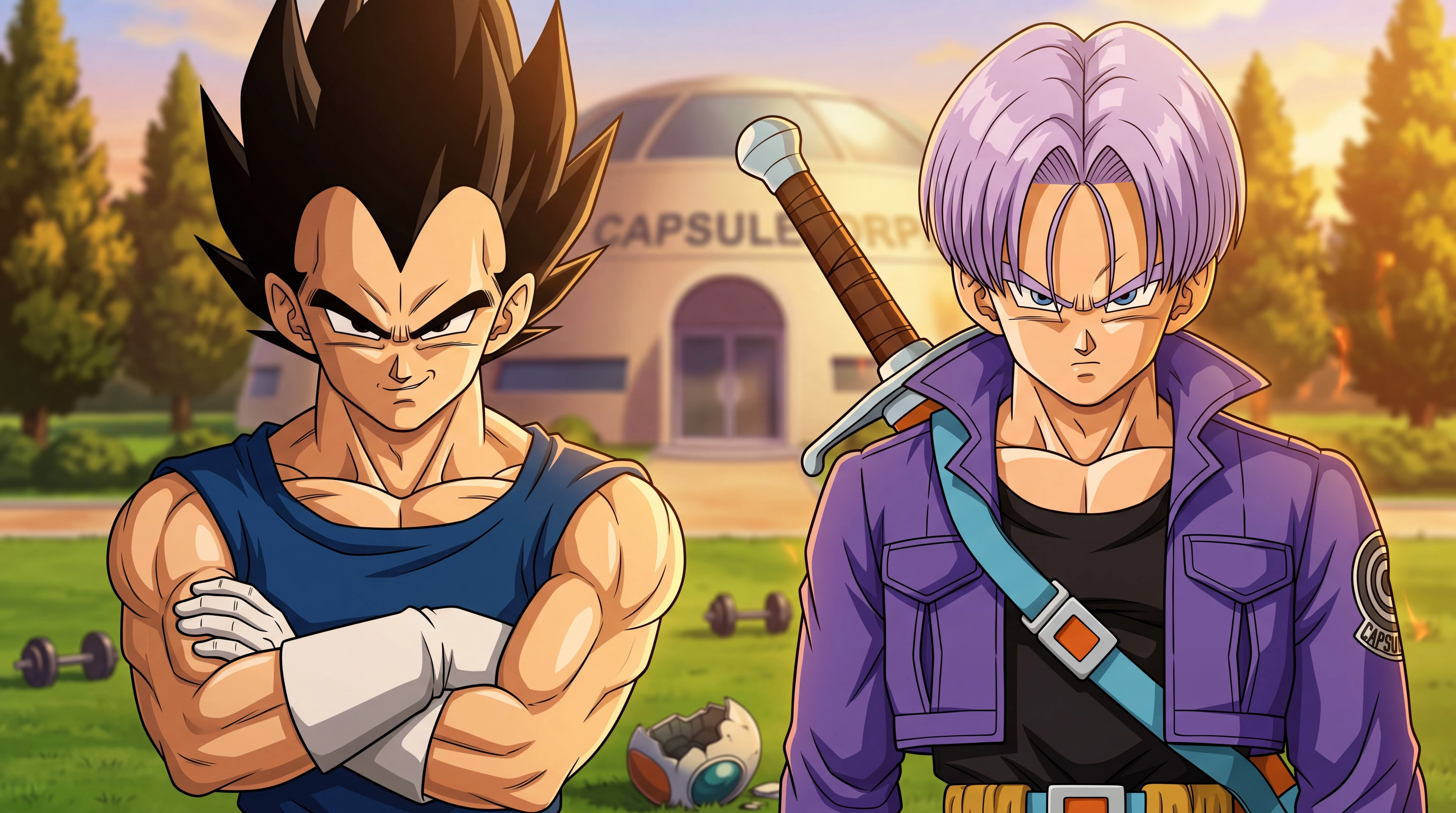
Dragon Ball Sparking Zero Super Limit-Breaking NEO DLC Adds 30 Plus Fighters for Summer 2026
Apr 20, 2026Bandai Namco and Spike Chunsoft unveiled the Super Limit-Breaking NEO expansion for Dragon Ball Sparking Zero at Battle Hour 2026. Summer 2026 release, 30 plus characters, four new stages, and a new solo mode....
Sources & Information
Looking for more on IC Carddass Dragon Ball? The Dragon Ball Wiki on Fandom has a dedicated page with community notes.
View on FandomThis content is original writing by Daddy Jim Headquarters based on the Dragon Ball anime series, manga, and official materials. Episode and chapter references are cited where applicable.
Character and scene imagery on this site is original artwork by Daddy Jim Headquarters, not screenshots or licensed imagery. Official cover art is used on three types of pages for editorial commentary:
- Movie pages: theatrical posters and key visuals, credited to Toei Animation and Shueisha.
- Game pages: official box art, credited to Bandai Namco, Atari, and other publishers.
- Manga chapter pages: Jump Comics volume covers, credited to Shueisha and Akira Toriyama.
Browse our episode guides:
Official resources:
Dragon Ball Music by Daddy Jim Headquarters
Come listen to some Dragon Ball R&B.
Help Us Keep This Wiki Accurate
Daddy Jim Headquarters maintains this encyclopedia across 13 languages. If you spot an error, a translation issue, or something that doesn't look right, let us know.