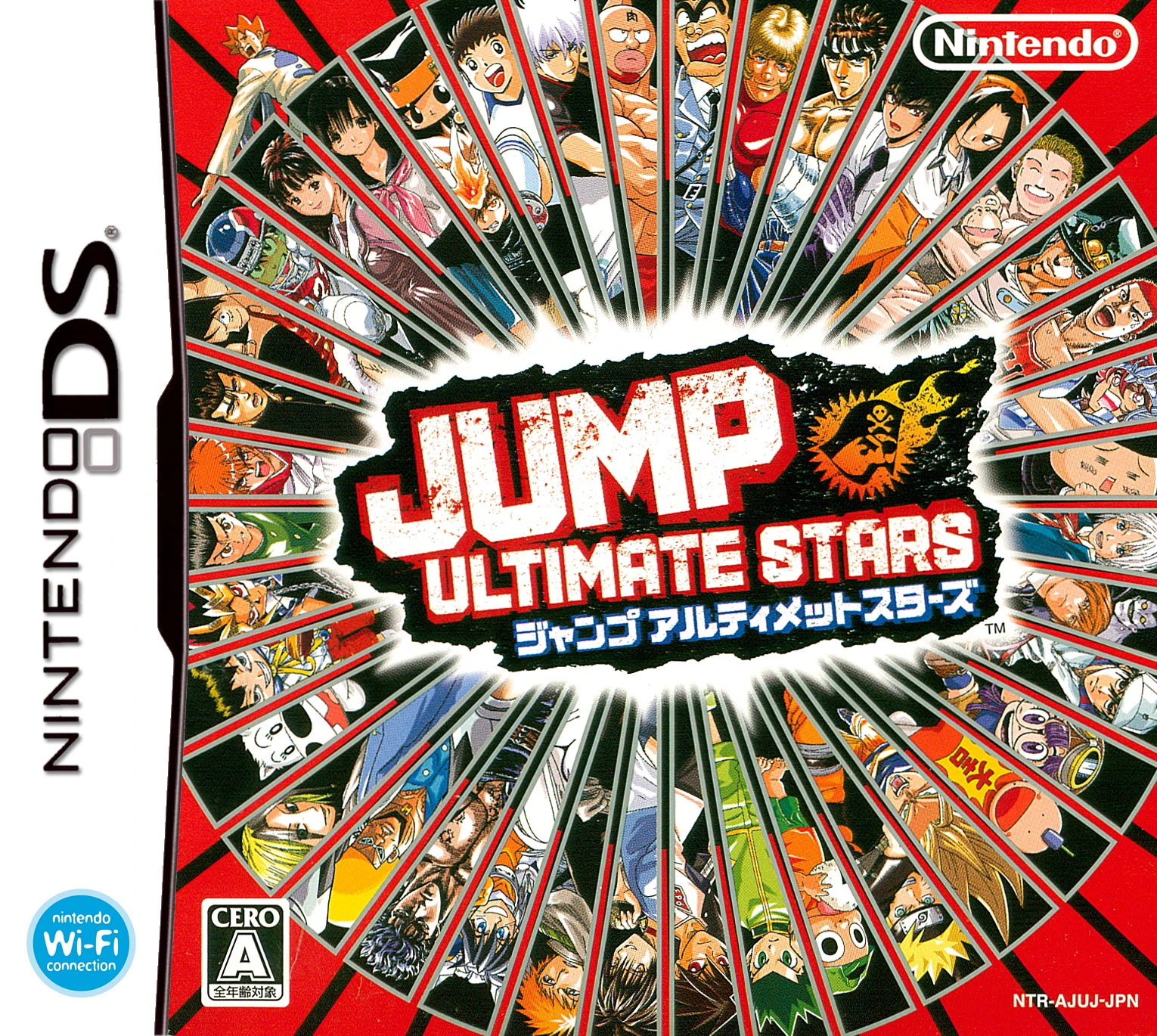
Jump Ultimate Stars
GameJump Ultimate Stars is a fighting video game developed by and published by for the . The game was released in Japan on November 23, 2006. It is the sequel to Jump Super Stars.
Gameplay
Jump Ultimate Stars is a 2D platform fighting game developed for the Nintendo DS and released in Japan on November 23, 2006, as the direct sequel to Jump Super Stars. The game expands the roster to 305 characters drawn from 41 different Weekly Shonen Jump series, with 56 fully playable fighters. Dragon Ball contributes six playable battle characters: Goku, Vegeta, Gohan, Gotenks, Piccolo, Frieza, and Kid Buu. The game retains the koma deck system from its predecessor while introducing new mechanics and substantially increasing the scope of available content.
The koma system operates on the same basic structure as Jump Super Stars, with battle koma occupying four to eight squares, support koma taking two to three squares, and help koma filling single squares on the four-by-five lower-screen grid. A significant new addition is the Evolution Chart, which allows players to spend gems earned from defeating opponents to upgrade characters and unlock new koma along branching upgrade paths. Each character's chart begins from the one-block help koma and extends outward, with some paths offering alternate type variants for the same character. Goku, for example, can be unlocked as a Laughter-type battle koma rather than his default Power-type through the evolution system.
Jump Ultimate Stars introduces Ultimate Actions, character-specific abilities that give each battle koma a unique tactical option outside of standard attacks. These can restore health, recover special power, or provide evasion options. A new guard-breaking dash attack is also added, forcing opponents to switch characters rather than simply breaking their defense when the move connects. Battle stages are designed to resemble manga pages with series-specific backgrounds and obstacles, incorporating destructible platforms and environmental hazards based on the represented settings, including the surface of Namek from Dragon Ball.


Content
Jump Ultimate Stars draws from 41 Weekly Shonen Jump series, adding major franchises absent from the first game including Kinnikuman, Fist of the North Star, and Ninku. Series such as Hikaru no Go and Mr. Fullswing that appeared in Jump Super Stars are not carried over. Dragon Ball, Naruto, Bleach, and One Piece each receive expanded character counts compared to the predecessor, with additional transformation forms and saga representations added to each series's koma pool. A notable structural choice is that almost all battle-level characters in this game also appear as support and help koma, creating a comprehensive web of character interactions.
Five characters in the game lack support koma despite having help koma: Sasuke Uchiha, Raoh, Frieza, Kid Buu, and Heihachi Edajima. Story mode challenges and gem collection drive progression through the evolution charts, with new worlds and quiz content for each series unlocked as players expand their koma libraries. The game was released exclusively in Japan, following its predecessor's regional limitation, with international licensing complexity cited as the primary obstacle to a Western release.

Legacy
Jump Ultimate Stars is broadly considered the definitive entry in the Nintendo DS-era Jump crossover game format. Its scale, encompassing 41 series and 305 characters, set a benchmark for licensed crossover content density that few games in the genre have matched. The depth of its evolution system and the variety introduced by Ultimate Actions elevated the formula well beyond the already well-received first game, and it maintains a dedicated fan community decades after its Japan-only release.
The game's exclusion from international markets due to licensing barriers has made it a perennial subject of fan localization projects and a frequently cited example of how licensing complexity can limit the global reach of Japanese crossover titles. Together with Jump Super Stars, it forms the primary reference point for the koma-based gameplay style that defined the Jump portable game era. The franchise would not return to a similar crossover format on Nintendo hardware until much later releases on different platforms.
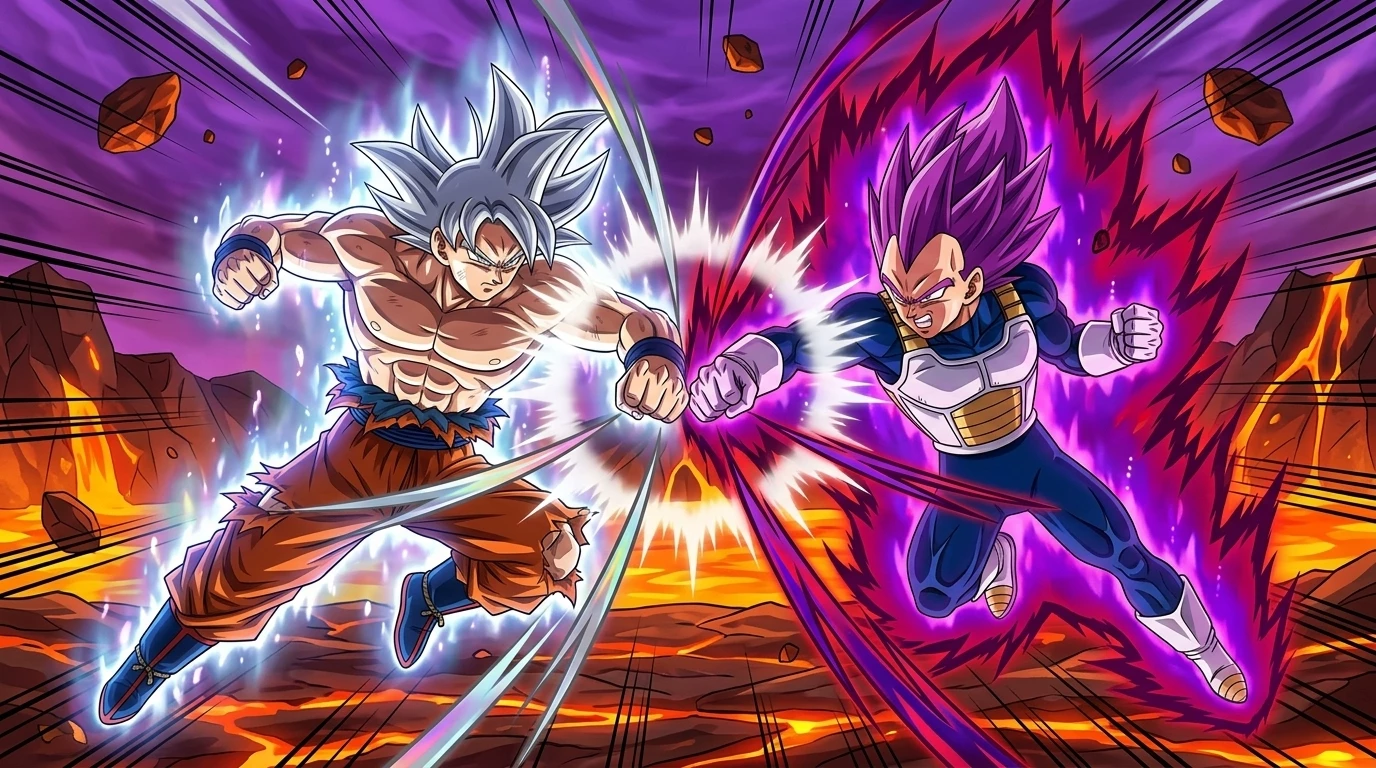
Sparking Zero May 26 Update Adds Demon World Stage and Reworks Transformation Healing
May 27, 2026Bandai Namco shipped a free Dragon Ball: Sparking Zero update on May 26, 2026 that introduces a new Demon World stage, overhauls transformation healing, and confirms the Daima Character Pack and Shallot DLC for release on June 27, 2026....
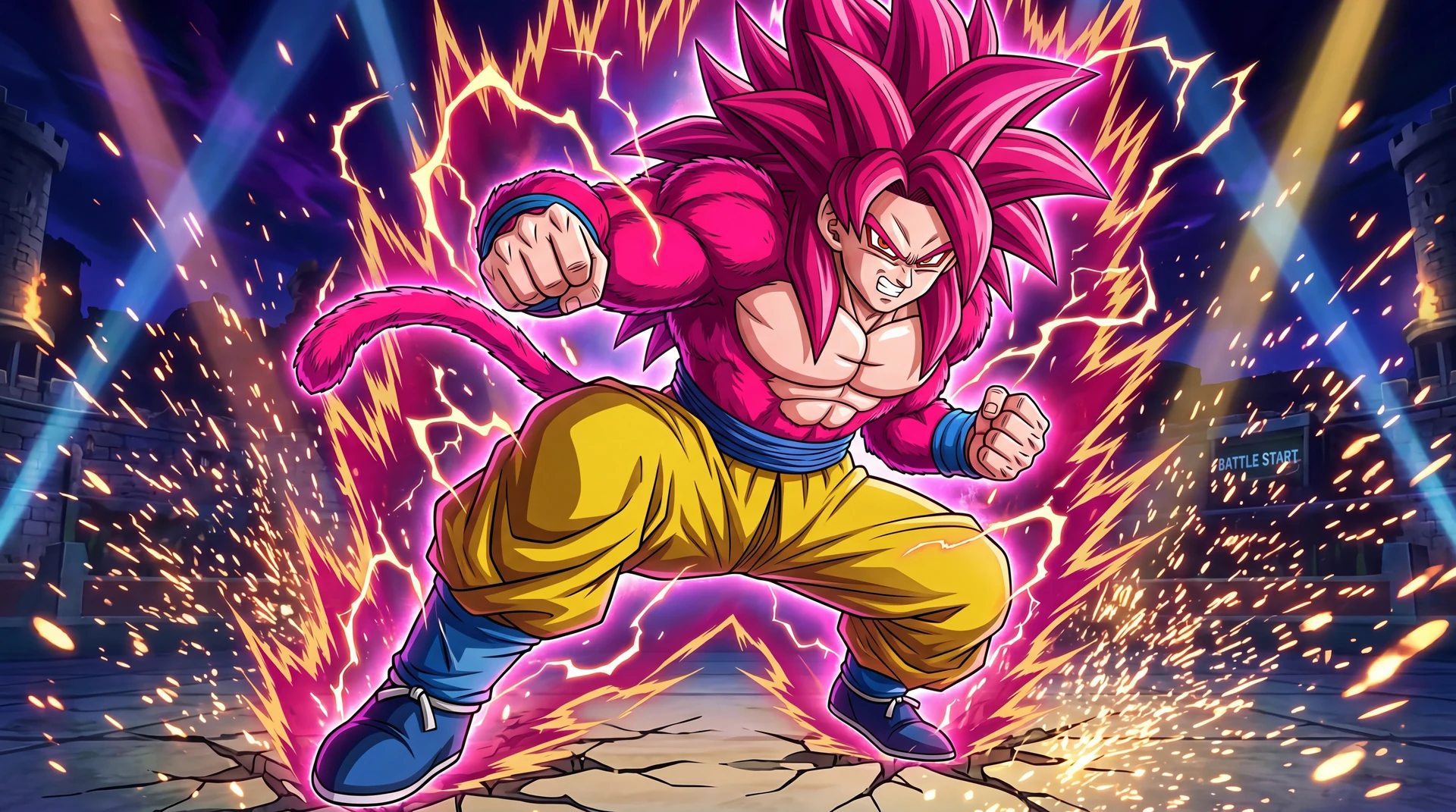
Dragon Ball FighterZ Adds Super Saiyan 4 Goku From Daima
May 25, 2026Dragon Ball FighterZ added Super Saiyan 4 Goku, the form featured in the Daima anime, as DLC on April 22, 2026. The 2018 fighting game is still getting new content nearly eight years on....
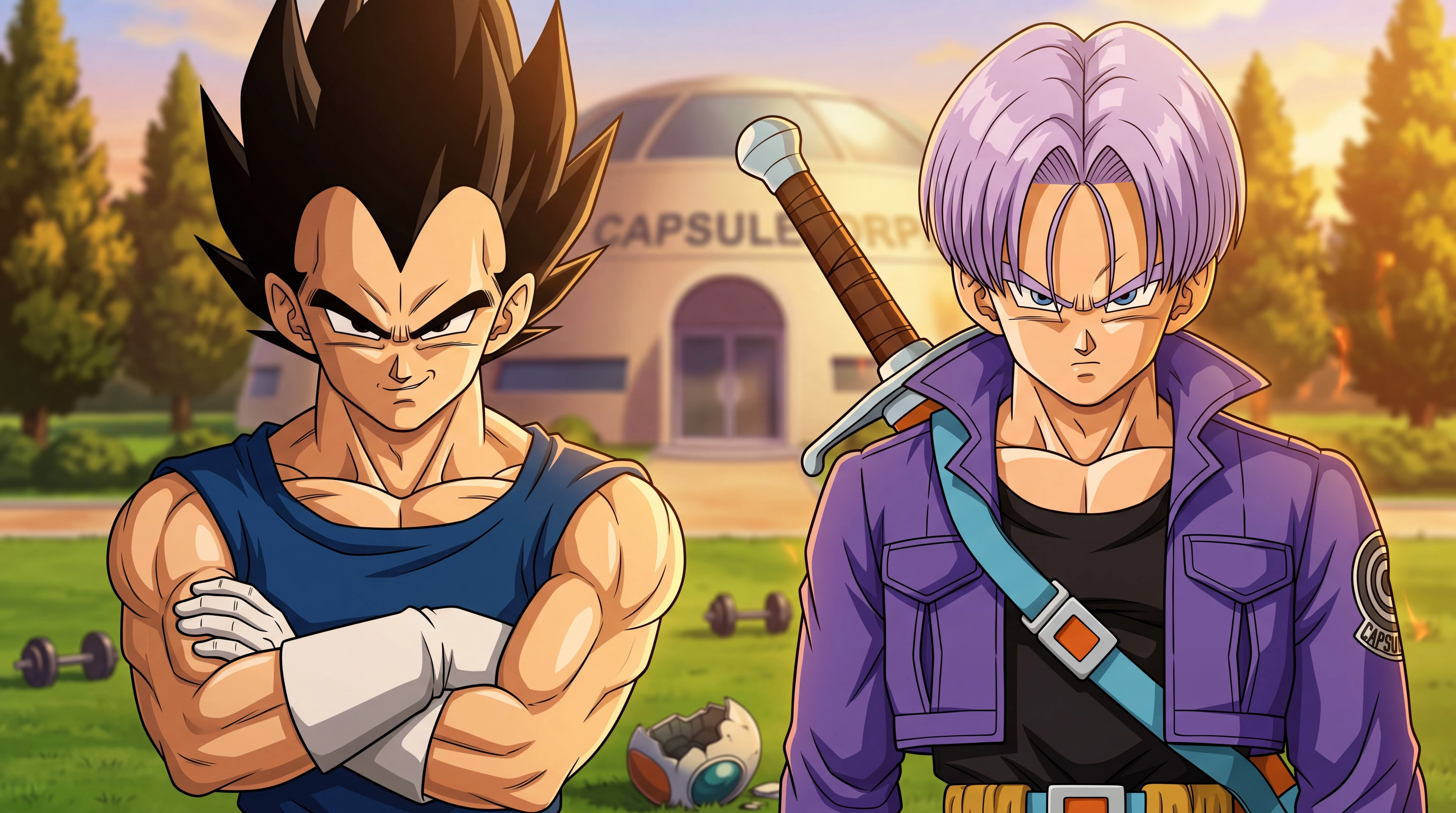
Dragon Ball Sparking Zero Super Limit-Breaking NEO DLC Adds 30 Plus Fighters for Summer 2026
Apr 20, 2026Bandai Namco and Spike Chunsoft unveiled the Super Limit-Breaking NEO expansion for Dragon Ball Sparking Zero at Battle Hour 2026. Summer 2026 release, 30 plus characters, four new stages, and a new solo mode....
Sources & Information
Looking for more on Jump Ultimate Stars? The Dragon Ball Wiki on Fandom has a dedicated page with community notes.
View on FandomThis content is original writing by Daddy Jim Headquarters based on the Dragon Ball anime series, manga, and official materials. Episode and chapter references are cited where applicable.
Character and scene imagery on this site is original artwork by Daddy Jim Headquarters, not screenshots or licensed imagery. Official cover art is used on three types of pages for editorial commentary:
- Movie pages: theatrical posters and key visuals, credited to Toei Animation and Shueisha.
- Game pages: official box art, credited to Bandai Namco, Atari, and other publishers.
- Manga chapter pages: Jump Comics volume covers, credited to Shueisha and Akira Toriyama.
Browse our episode guides:
Official resources:
Dragon Ball Music by Daddy Jim Headquarters
Come listen to some Dragon Ball R&B.
Help Us Keep This Wiki Accurate
Daddy Jim Headquarters maintains this encyclopedia across 13 languages. If you spot an error, a translation issue, or something that doesn't look right, let us know.