
Bruce Faulconer
MusicianBruce Faulconer is the American composer whose synth heavy score defined the Funimation English dub of Dragon Ball Z from 1999 to 2003, giving an entire generation of Western fans an alternate musical identity for Goku, Gohan, and the Z Fighters.
The Cartoon Network Sound
For countless American kids who discovered Dragon Ball Z on Cartoon Network's Toonami block, the sound of the show was not Shunsuke Kikuchi's brass and funk. It was Bruce Faulconer's shimmering synths, distorted guitars, and driving industrial rhythms. Faulconer began writing for the Funimation dub in 1998, and his replacement score premiered with season three in September 1999, running from episode 68 straight through to episode 291 in 2003. He also scored the theatrical dub of Dragon Ball Z: Lord Slug.
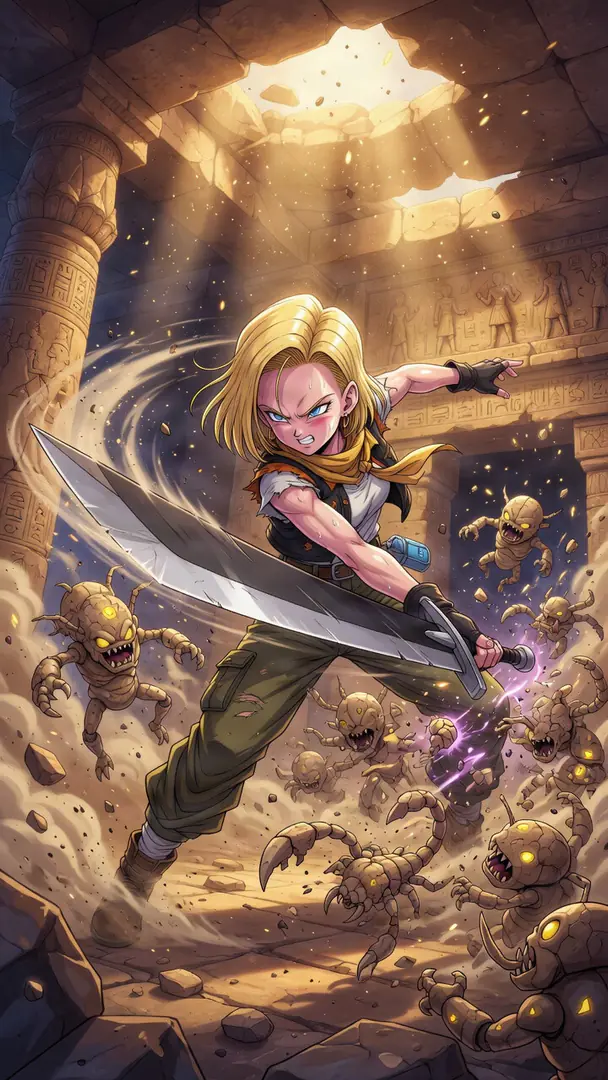
His music did not just play under the action, it reshaped it. Where Kikuchi leaned into orchestral funk, Faulconer pushed the series into the territory of late 1990s rock and electronica, closer to a video game soundtrack than a traditional anime score. The result is a version of Goku's final forms, Cell's arrival, and Majin Buu's rampage that feels distinctly North American, and which remains the definitive sonic memory of the show for many Western fans.

Training and Influence
Faulconer came to Dragon Ball from a deeply credentialed classical background. He studied composition at the University of Texas at Austin with Hunter Johnson, Karl Korte, Joseph Schwantner, and Eugene Kurtz, earning a bachelor's with high honours, a master's in composition, and eventually a Doctor of Musical Arts. Two Presidential Postdoctoral Fellowships at Ohio State followed, along with commissions and awards from the National Endowment for the Arts, the Dallas Symphony Orchestra, and the Fort Worth Symphony. His symphonic poem Washington-on-the-Brazos was premiered by the Dallas Symphony and toured with the San Antonio Symphony.
All nine of his Best of Dragon Ball Z and character focused albums, including Buu: The Majin Sagas, Trunks Compendium I, and Android 18: The Androids Saga, were recorded and mastered at his own CakeMix Recording studios in Dallas. His Dragon Ball Z Title Theme later reappeared in Atari's Dragon Ball Z video games, and his score was widely credited with helping Dragon Ball Z become the Nielsen number one rated cable show in children's programming three years running from 2001 through 2003.
Legacy of a Second Score
Faulconer did not return for Dragon Ball GT, which Funimation handed to Mark Menza, and when the studio later attempted to redub the first two seasons for their Ultimate Uncut and Remastered releases, his score was unavailable and Nathan Johnson was brought in to replace it. From season three onward, however, his music was kept intact, and it is still the version many fans insist on when they revisit the show.
The debate between Kikuchi loyalists and Faulconer loyalists is one of Dragon Ball's most durable fan arguments, and the fact that the argument is still fought so passionately is itself the measure of Faulconer's impact. Beyond Dragon Ball he has continued scoring feature films, PBS documentaries, and concert works, but for millions of fans his name is locked forever to the sound of Goku powering up on a Saturday morning.
Related Reading
See all
Krillin's on the Tinder: How the Ultimate Short King Survived the Height Filter
Tinder built a height filter. Dragon Ball built a five foot legend. What happened when we sent the ultimate short king into the modern dating hellscape....
Infinite Zeni Glitch: When Yamcha Never Pays and Mr. Popo Always Does
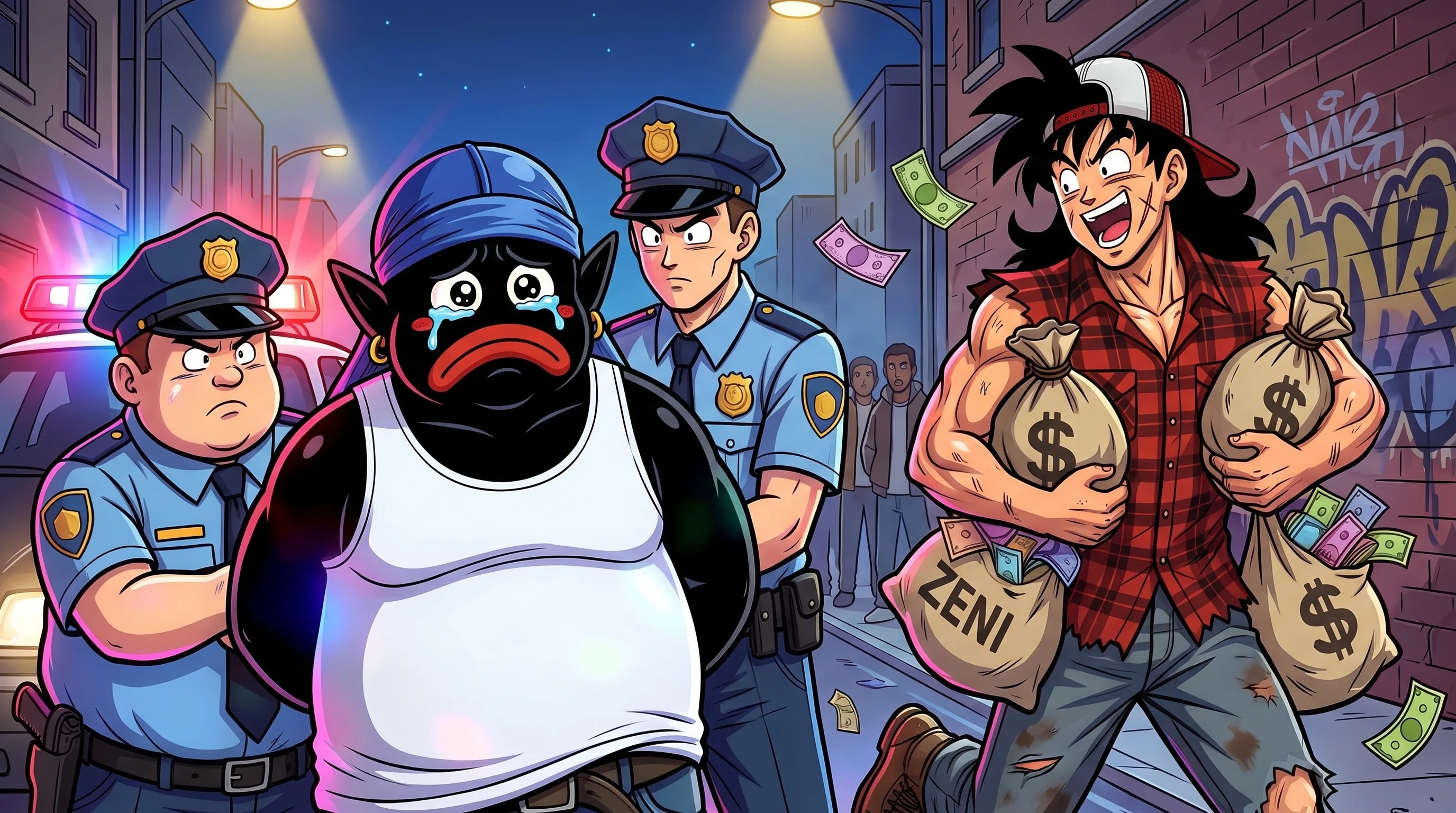
The internet found an infinite money glitch. So did Yamcha. A smooth R&B track about the easiest money in the Dragon Ball world and the one man who keeps paying for it....

Frequently Asked Questions
Does DBZ have Bruce Faulconer music?
Bruce Faulconer is the funimation DBZ composer. For countless American kids who discovered Dragon Ball Z on Cartoon Network's Toonami block, the sound of the show was not Shunsuke Kikuchi's brass and funk.
Who is Bruce Faulconer in Dragon Ball?
Bruce Faulconer is the American composer whose synth heavy score defined the Funimation English dub of Dragon Ball Z from 1999 to 2003, giving an entire generation of Western fans an alternate musical identity for Goku, Gohan, and the Z Fighters. For countless American kids who discovered Dragon Ball Z on Cartoon Network's Toonami block, the sound of the show was not Shunsuke Kikuchi's brass and funk.
What other anime work has Bruce Faulconer done?
Faulconer came to Dragon Ball from a deeply credentialed classical background. He studied composition at the University of Texas at Austin with Hunter Johnson, Karl Korte, Joseph Schwantner, and Eugene Kurtz, earning a bachelor's with high honours, a master's in composition, and eventually a Doctor of Musical Arts. Two Presidential Postdoctoral Fellowships at Ohio State followed, along with commissions and awards from the National Endowment for the Arts, the Dallas Symphony Orchestra, and the Fort Worth Symphony.
What is Bruce Faulconer known for in the anime industry?
Bruce Faulconer is an American composer active since 1998-present. Bruce Faulconer is the American composer whose synth heavy score defined the Funimation English dub of Dragon Ball Z from 1999 to 2003, giving an entire generation of Western fans an alternate musical identity for Goku, Gohan, and the Z Fighters.
What was Bruce Faulconer's contribution to Dragon Ball?
Where Kikuchi leaned into orchestral funk, Faulconer pushed the series into the territory of late 1990s rock and electronica, closer to a video game soundtrack than a traditional anime score. The result is a version of Goku's final forms, Cell's arrival, and Majin Buu's rampage that feels distinctly North American, and which remains the definitive sonic memory of the show for many Western fans.
Sources & Information
Looking for more on Bruce Faulconer? The Dragon Ball Wiki on Fandom has a dedicated page with community notes.
View on FandomThis content is original writing by Daddy Jim Headquarters based on the Dragon Ball anime series, manga, and official materials. Episode and chapter references are cited where applicable.
Character and scene imagery on this site is original artwork by Daddy Jim Headquarters, not screenshots or licensed imagery. Official cover art is used on three types of pages for editorial commentary:
- Movie pages: theatrical posters and key visuals, credited to Toei Animation and Shueisha.
- Game pages: official box art, credited to Bandai Namco, Atari, and other publishers.
- Manga chapter pages: Jump Comics volume covers, credited to Shueisha and Akira Toriyama.
Browse our episode guides:
Official resources:
Help Us Keep This Wiki Accurate
Daddy Jim Headquarters maintains this encyclopedia. If you spot an error, a translation issue, or something that doesn't look right, let us know.