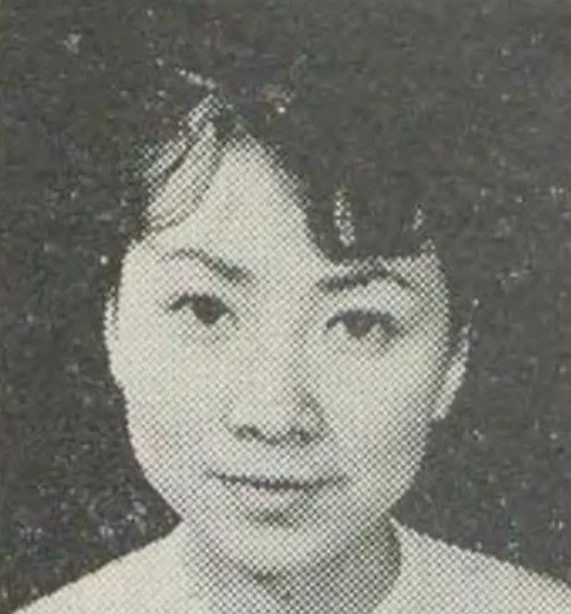
Masako Nozawa
Voice ActorMasako Nozawa is the Japanese voice of Son Goku and every biological male in his bloodline, a living legend of Japanese voice acting who has carried the Son family for more than four decades and earned the nickname The Eternal Boy.
The Voice of the Son Family
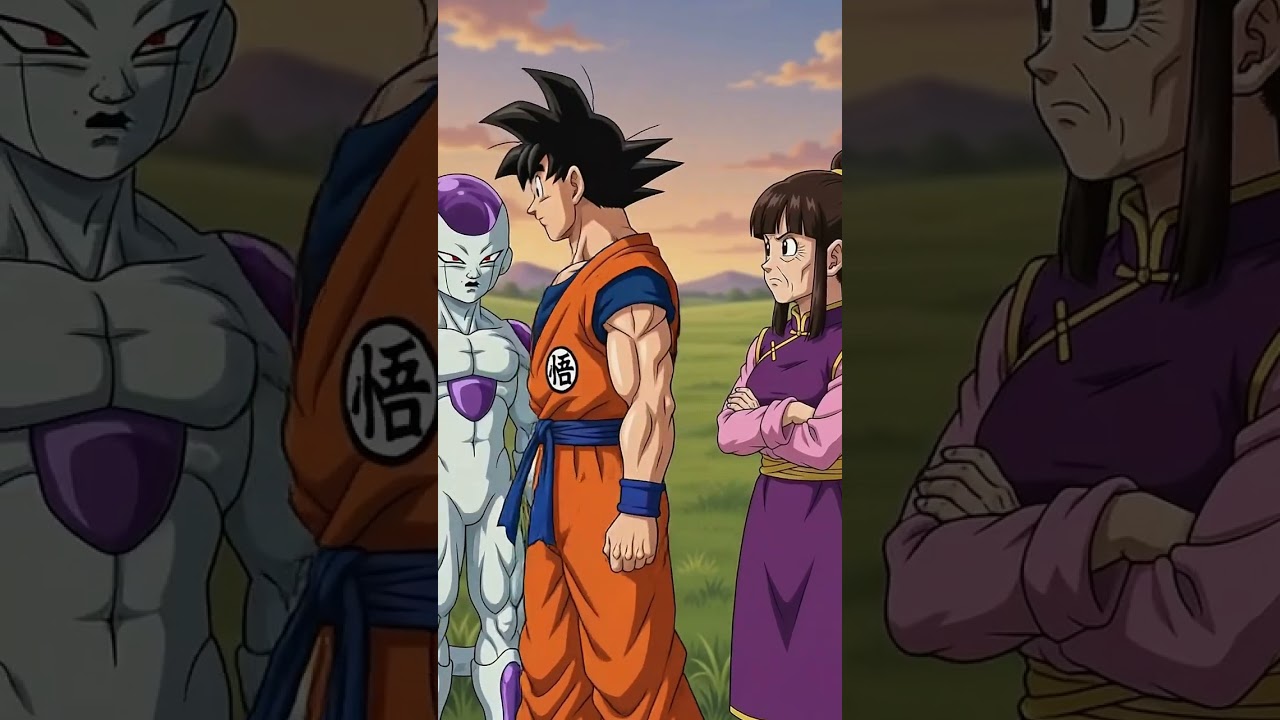
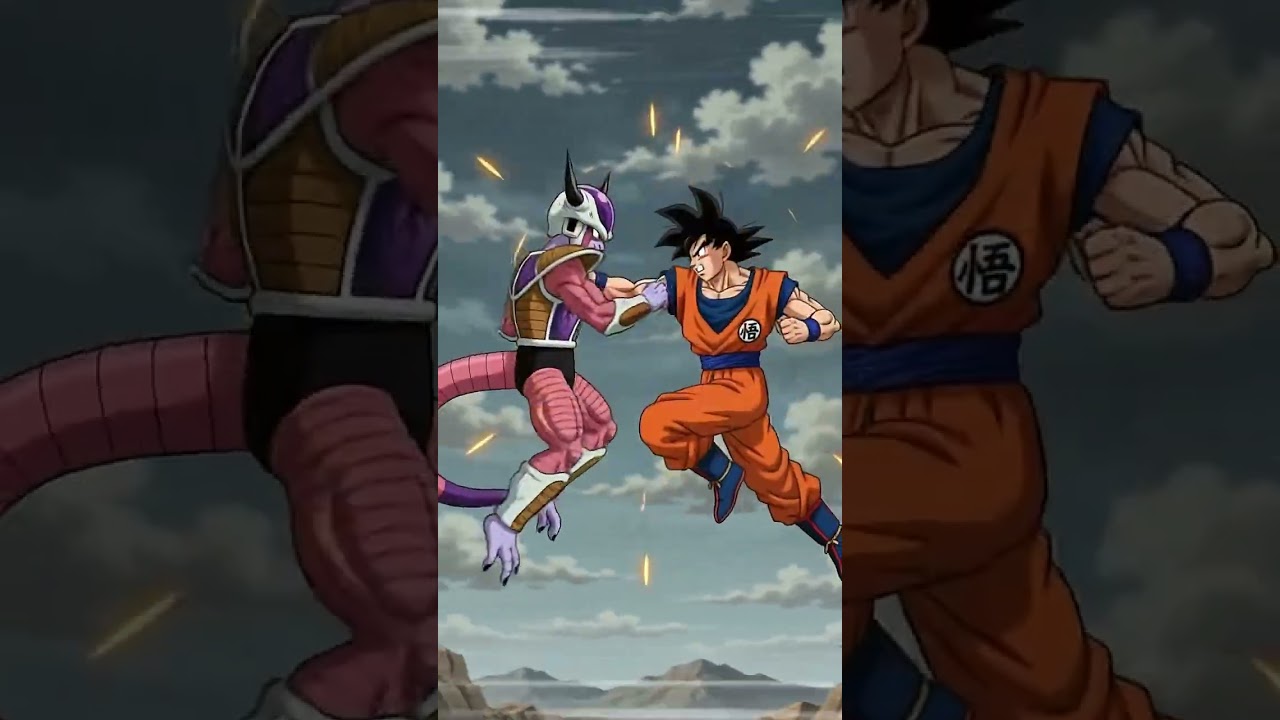
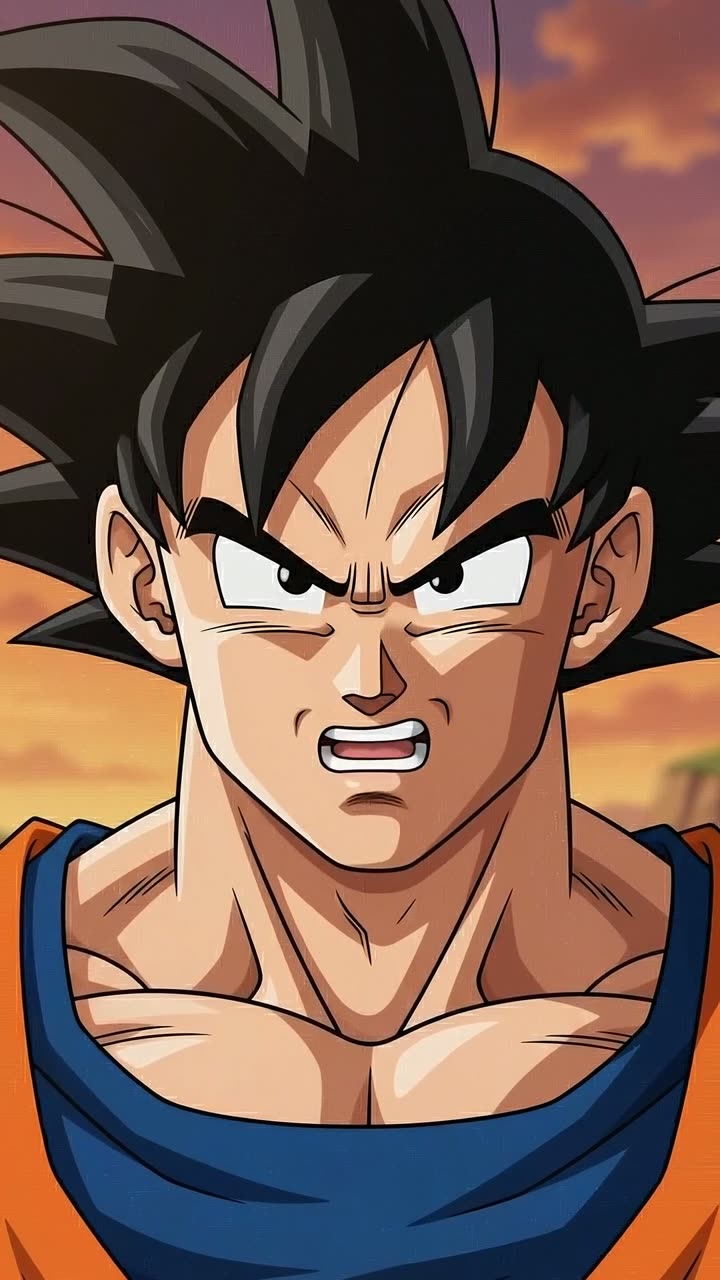
Since Dragon Ball premiered on Fuji TV in February 1986, Masako Nozawa has voiced Son Goku, and she has never stopped. In a casting decision that would shape anime history, Akira Toriyama's monkey tailed hero was handed to a woman who had already spent two decades voicing boys, and her bright, earnest, slightly husky delivery became the sound of Goku forever. She has stayed in the role across Dragon Ball, Dragon Ball Z, GT, Kai, Super, and every theatrical film from Curse of the Blood Rubies to Super Hero.
What makes her achievement almost unbelievable is that Goku is only one of her Dragon Ball roles. She also voices Son Gohan at every age, Son Goten, Future Gohan, Bardock, Goku Jr., and Goku's villainous lookalike Turles in The Tree of Might. When Dragon Ball Super needed a sinister counterpart for its Zamasu arc, Toei handed Goku Black to her as well. In the fusions Vegito and Gogeta she shares the role with Ryo Horikawa, and for Gotenks she doubles up with Takeshi Kusao. She voices the entire Son bloodline with the single exception of Raditz.
Eternal Boy, Eternal Career
Nozawa was born in Tokyo in 1936 and raised in Numata, Gunma. She made her screen debut as a child actor at the age of two, and by the time she moved into voice work she had already been performing for years. Her career before Dragon Ball is a map of classic Japanese animation. She was Tetsuro Hoshino in Galaxy Express 999, Kitaro in the first two GeGeGe no Kitaro series, Tom Sawyer in Nippon Animation's World Masterpiece Theater, Esteban in The Mysterious Cities of Gold, and Doraemon himself for episodes fourteen through fifty two of the very first 1973 series.
Her habit of voicing young male leads earned her the affectionate nickname Eien no Shonen, The Eternal Boy. She has said that, paradoxically, an industry rule that kept her from reprising Kitaro for the 1985 adaptation, because she was already voicing another lead on the same network, was what freed her schedule to take Goku a year later. Later credits like Guilmon in Digimon Tamers and Doctor Kureha in One Piece show her range beyond the Son family, as do dubbing roles like Short Round in Indiana Jones and the Temple of Doom.


A National Treasure
In 2006 Nozawa left the large agency 81 Produce to establish her own company, Office Nozawa, which she still chairs. In 2013 the Seiyu Awards honoured her with a distinguished service award for her decades of contribution to Japanese voice acting, a rare formal recognition in an industry that usually keeps its veterans quiet. She has continued recording as Goku into her eighties, showing up to perform the role for new films and series without any audible concession to time.
For Japanese fans, the idea of Dragon Ball without Masako Nozawa is almost unimaginable. She is the longest serving voice in Shonen Jump history, and the emotional anchor of a franchise that has outlived trends, networks, and even its own creator. When she shouts Kamehameha, it is Goku's voice, and it always will be.
Related Reading
See all
Piccolo Gets the Namek Hoes: Namek Has No Women, and He Pulls Anyway
There are no women on Namek. That isn't an oversight, it's the biology. Why we handed Piccolo the one thing his own species rules out, and why it had to be trap soul....
I'll Do You 1000 (Times): Who Is John Dragon Ball Saying That To?
Dragon Ball handed us a protagonist with no history and the internet named him John Dragon Ball. So we built him somebody to talk to....

Frequently Asked Questions
Who is Masako Nozawa in Dragon Ball?
Masako Nozawa is a Japanese voice actor known in the franchise as the Japanese voice of Goku.
Which Dragon Ball character did Masako Nozawa voice?
Masako Nozawa provided the Japanese voice of Goku.
What language does Masako Nozawa dub Dragon Ball in?
Masako Nozawa dubs Dragon Ball in Japanese, working as a Japanese voice actor. Nozawa was born in Tokyo in 1936 and raised in Numata, Gunma.
What other anime has Masako Nozawa worked on?
Nozawa was born in Tokyo in 1936 and raised in Numata, Gunma. She made her screen debut as a child actor at the age of two, and by the time she moved into voice work she had already been performing for years. Her career before Dragon Ball is a map of classic Japanese animation.
When did Masako Nozawa start voice acting?
Masako Nozawa (born 1936) has been part of the anime voice acting industry. In 2006 Nozawa left the large agency 81 Produce to establish her own company, Office Nozawa, which she still chairs.
Sources & Information
Looking for more on Masako Nozawa? The Dragon Ball Wiki on Fandom has a dedicated page with community notes.
View on FandomThis content is original writing by Daddy Jim Headquarters based on the Dragon Ball anime series, manga, and official materials. Episode and chapter references are cited where applicable.
Character and scene imagery on this site is original artwork by Daddy Jim Headquarters, not screenshots or licensed imagery. Official cover art is used on three types of pages for editorial commentary:
- Movie pages: theatrical posters and key visuals, credited to Toei Animation and Shueisha.
- Game pages: official box art, credited to Bandai Namco, Atari, and other publishers.
- Manga chapter pages: Jump Comics volume covers, credited to Shueisha and Akira Toriyama.
Browse our episode guides:
Official resources:
Help Us Keep This Wiki Accurate
Daddy Jim Headquarters maintains this encyclopedia. If you spot an error, a translation issue, or something that doesn't look right, let us know.