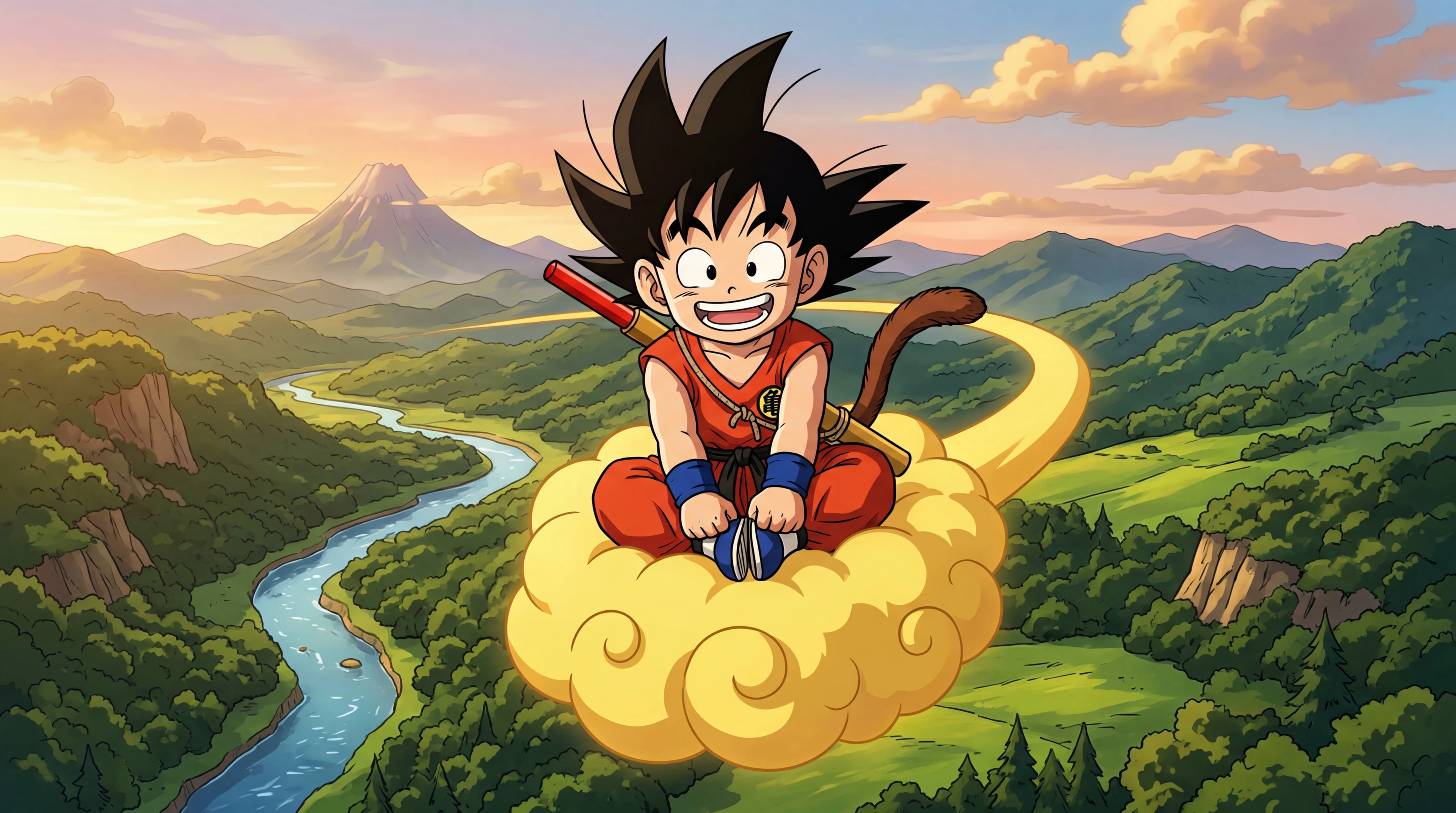
Android
RaceArtificial humans created primarily by the Red Ribbon Army scientist Dr. Gero. Ranging from purely mechanical robots to cybernetically enhanced humans to bio-engineered lifeforms, the Androids have produced some of Dragon Ball's most iconic villains and, eventually, two of its most beloved heroes.
The Art of Building a Better Human
The Japanese term "Jinzoningen" translates literally to "artificial human," and that broad definition covers an extraordinary range of creations. Dr. Gero, the brilliant and obsessive chief scientist of the Red Ribbon Army, spent decades building Androids with a single goal in mind: killing Son Goku, the child who had single-handedly destroyed the entire Red Ribbon Army. That vendetta produced at least twenty-one numbered models, each representing a different approach to the problem of surpassing human limitations.
The series categorizes Androids into several distinct types based on their construction and power source. Purely mechanical Androids like #16 and #19 are robots built from scratch, some featuring a curious crimson fluid that resembles blood. Biotechnological types like #17 and #18 are actually humans who were kidnapped and cybernetically reconstructed; they retain their organic biology, can train to grow stronger, and even reproduce. The Infinite Energy Model provides unlimited stamina with no need for external fuel, while the Energy Absorption Model requires stealing ki from victims to stay powered. Then there are Bio-Androids like Cell, grown from the collected cells of the universe's greatest warriors, representing an entirely different class of artificial life.
Invisible to Ki Sense
One of the most tactically significant traits shared by most Androids is that they cannot be detected through ki sensing or Scouters. Because their energy is artificial rather than organic, fighters who rely on sensing power levels are effectively blind to an Android's location and strength. This inability to gauge their opponents terrified the Z Fighters when Androids 17 and 18 first appeared, as the heroes had no way to measure the threat they were facing. The notable exception is Cell, whose body is composed of organic cells from ki-wielding warriors, giving him a detectable, if confusing, energy signature.
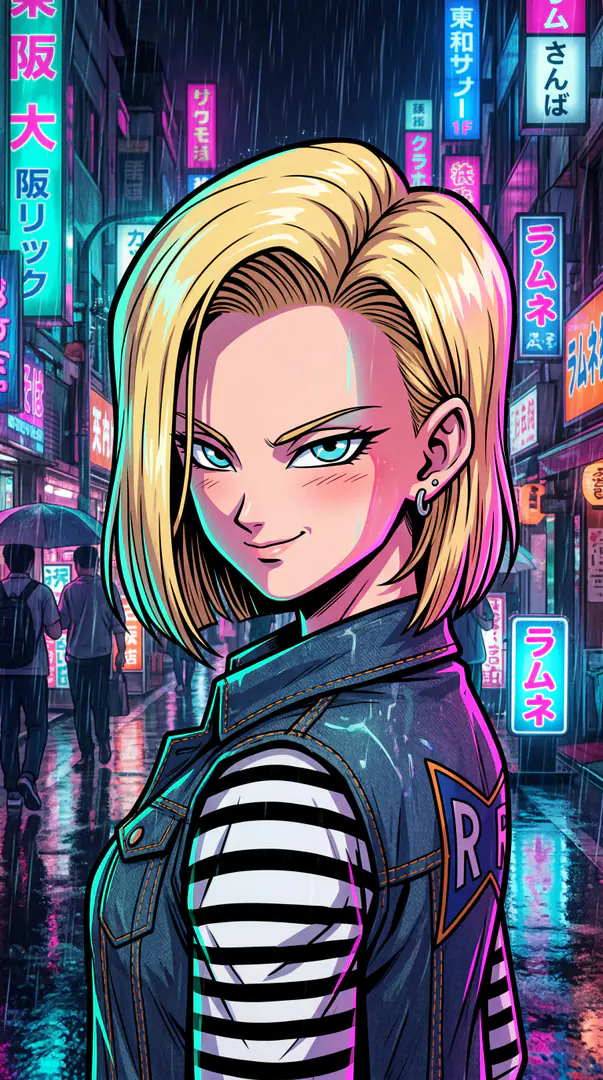
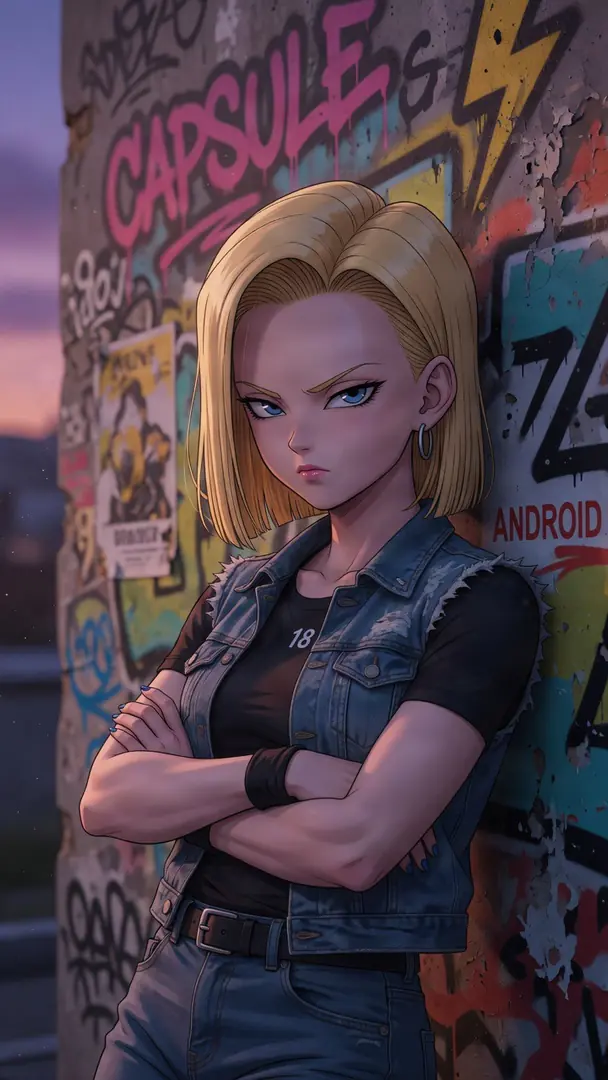
From Gero's Grudge to the Tournament of Power
The earliest Android to appear in the series is Android 8, the gentle giant nicknamed "Eighter" by young Goku during the original Dragon Ball. Built to be a weapon, #8 refused to fight and instead befriended Goku, establishing a theme that would repeat throughout the franchise: not every creation follows its creator's intent. The Red Ribbon Army Saga introduced Androids as tools of a military organization, but it was the Android Saga and Cell Saga in Dragon Ball Z that elevated them to the series' most complex villains.
Future Trunks traveled back in time to warn the Z Fighters about Androids 17 and 18, who in his timeline had killed every warrior on Earth except himself and spent nearly two decades terrorizing humanity. In the present timeline, events unfolded differently. Dr. Gero, having converted himself into the energy-absorbing Android 20, awakened 17 and 18, only to be killed by his own creations moments later. The twin Androids proved too powerful for the Z Fighters, casually defeating a Super Saiyan Vegeta without breaking a sweat. But they were not the true threat. Cell, the ultimate Bio-Android grown in secret by Gero's supercomputer, emerged from a different future timeline with the goal of absorbing 17 and 18 to achieve his Perfect Form.
The Cell Games arc remains one of Dragon Ball's defining storylines. Perfect Cell, arrogant and theatrical, hosted a martial arts tournament to prove his superiority. It ended with Gohan ascending to Super Saiyan 2 and destroying Cell, but only after Android 16's death triggered Gohan's transformation in one of the series' most emotionally charged scenes. In the aftermath, Android 18 was freed from Cell's body, and the path toward her eventual redemption began.
Heroes in Their Own Right
By the time of Dragon Ball Super, both 17 and 18 had become fully integrated members of Earth's protectors. Android 18 married Krillin and had a daughter named Marron, living a domestic life that would have seemed unthinkable during the Cell Saga. Android 17 became a park ranger on a remote island, protecting wildlife from poachers. When Goku recruited fighters for the Tournament of Power, 17 proved to be one of Universe 7's most valuable members. His unlimited stamina, tactical intelligence, and barrier techniques made him a relentless competitor. In the tournament's final moments, it was Android 17 who stood as the last fighter remaining, using his wish on the Super Dragon Balls to restore all the erased universes. A weapon built for vengeance ended up saving the multiverse.
Twenty-One Models and Counting
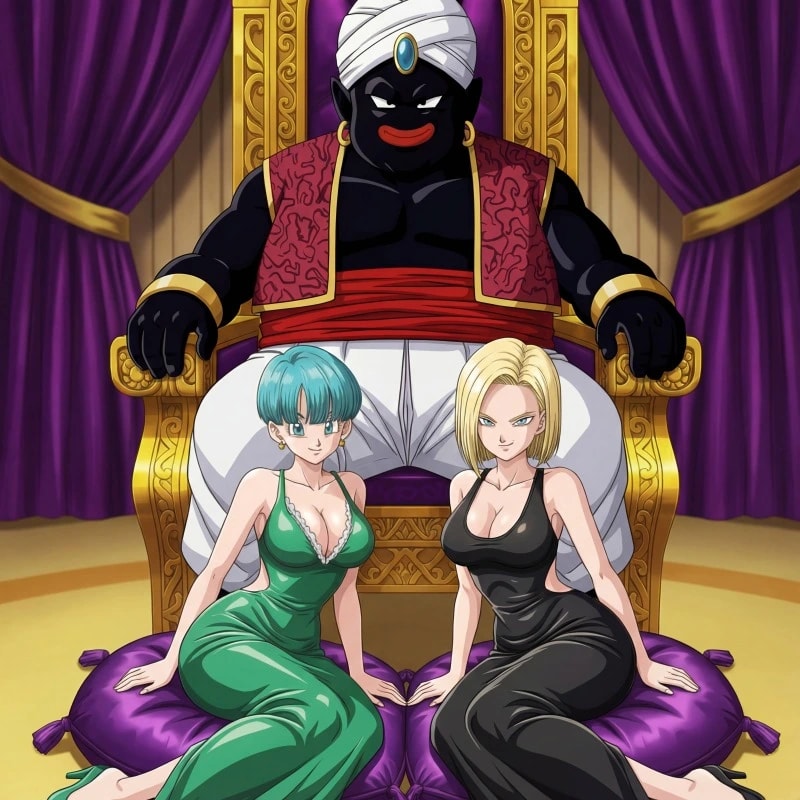
Dr. Gero's numbered line runs from Android 1 through Android 21, though many early models were considered failures and destroyed. The most significant models each tell their own story. Android 8 proved that artificial life could develop genuine compassion. Android 16, a fully mechanical warrior modeled after Gero's deceased son Gevo, was programmed solely to kill Goku but instead became a peaceful protector of nature whose death catalyzed Gohan's greatest transformation. Androids 17 and 18, once human teenagers named Lapis and Lazuli, were kidnapped and modified against their will, yet ultimately reclaimed their agency and built lives beyond what their creator ever intended for them.
Android 19, the rotund energy-absorbing model, served as Vegeta's first showcase fight after achieving Super Saiyan. Android 20, Dr. Gero himself, converted his own body into a cyborg to continue his work firsthand. Cell stands apart as Gero's masterpiece, a Bio-Android grown from the cells of Goku, Vegeta, Piccolo, Frieza, and King Cold, combining the best traits of every warrior into one terrifying being. And Android 21, introduced in the Dragon Ball FighterZ game, pushed the concept further by incorporating Majin Buu's cells alongside those of multiple Z Fighters, creating a New Type Android with hunger-driven transformations.
Beyond Universe 7
Universe 3 in Dragon Ball Super revealed that android technology is not unique to Earth. That entire universe is populated by cyborgs, modified warriors, and robots, with even its God of Destruction operating from within a mechanical suit. The concept of artificial enhancement, it turns out, is a universal impulse; wherever intelligent life exists, someone eventually tries to build something stronger. But no universe's androids carry the narrative weight of Dr. Gero's creations. From the gentle giant who befriended a boy in Jingle Village to the park ranger who saved every universe from erasure, the Androids of Dragon Ball are proof that what you were made to be matters far less than what you choose to become.
Related Reading
See all
Krillin's on the Tinder: How the Ultimate Short King Survived the Height Filter
Tinder built a height filter. Dragon Ball built a five foot legend. What happened when we sent the ultimate short king into the modern dating hellscape....
Infinite Zeni Glitch: When Yamcha Never Pays and Mr. Popo Always Does
The internet found an infinite money glitch. So did Yamcha. A smooth R&B track about the easiest money in the Dragon Ball world and the one man who keeps paying for it....
Frequently Asked Questions
Are Android 17 and 18 twins?
Artificial humans created primarily by the Red Ribbon Army scientist Dr. Gero. Ranging from purely mechanical robots to cybernetically enhanced humans to bio-engineered lifeforms, the Androids have produced some of Dragon Ball's most iconic villains and, eventually, two of its most beloved heroes.
What is the homeworld of the Android?
The Android originate from Earth. Dr. Gero created a series of Androids starting from #1, with each iteration improving on the last.
What do the Android look like?
Varies by type. Fully mechanical androids are entirely robotic. Cyborgs (like 17 and 18) retain human appearance but with internal modifications.
What abilities do the Android have?
Unlimited energy (mechanical types), inability to be sensed via ki, immense physical strength, energy barriers, energy absorption (Android 19 and 20), regeneration (Cell), and in 17 and 18's case, power that does not diminish with use. Varies by type.
What is the culture of the Android like?
Androids created by Dr. Gero were designed as weapons against Goku. Later generations (17 and 18 specifically) developed independent personalities and integrated into human society.
Sources & Information
Looking for more on Android? The Dragon Ball Wiki on Fandom has a dedicated page with community notes.
View on FandomThis content is original writing by Daddy Jim Headquarters based on the Dragon Ball anime series, manga, and official materials. Episode and chapter references are cited where applicable.
Character and scene imagery on this site is original artwork by Daddy Jim Headquarters, not screenshots or licensed imagery. Official cover art is used on three types of pages for editorial commentary:
- Movie pages: theatrical posters and key visuals, credited to Toei Animation and Shueisha.
- Game pages: official box art, credited to Bandai Namco, Atari, and other publishers.
- Manga chapter pages: Jump Comics volume covers, credited to Shueisha and Akira Toriyama.
Browse our episode guides:
Official resources:
Help Us Keep This Wiki Accurate
Daddy Jim Headquarters maintains this encyclopedia. If you spot an error, a translation issue, or something that doesn't look right, let us know.