
Demon Beast
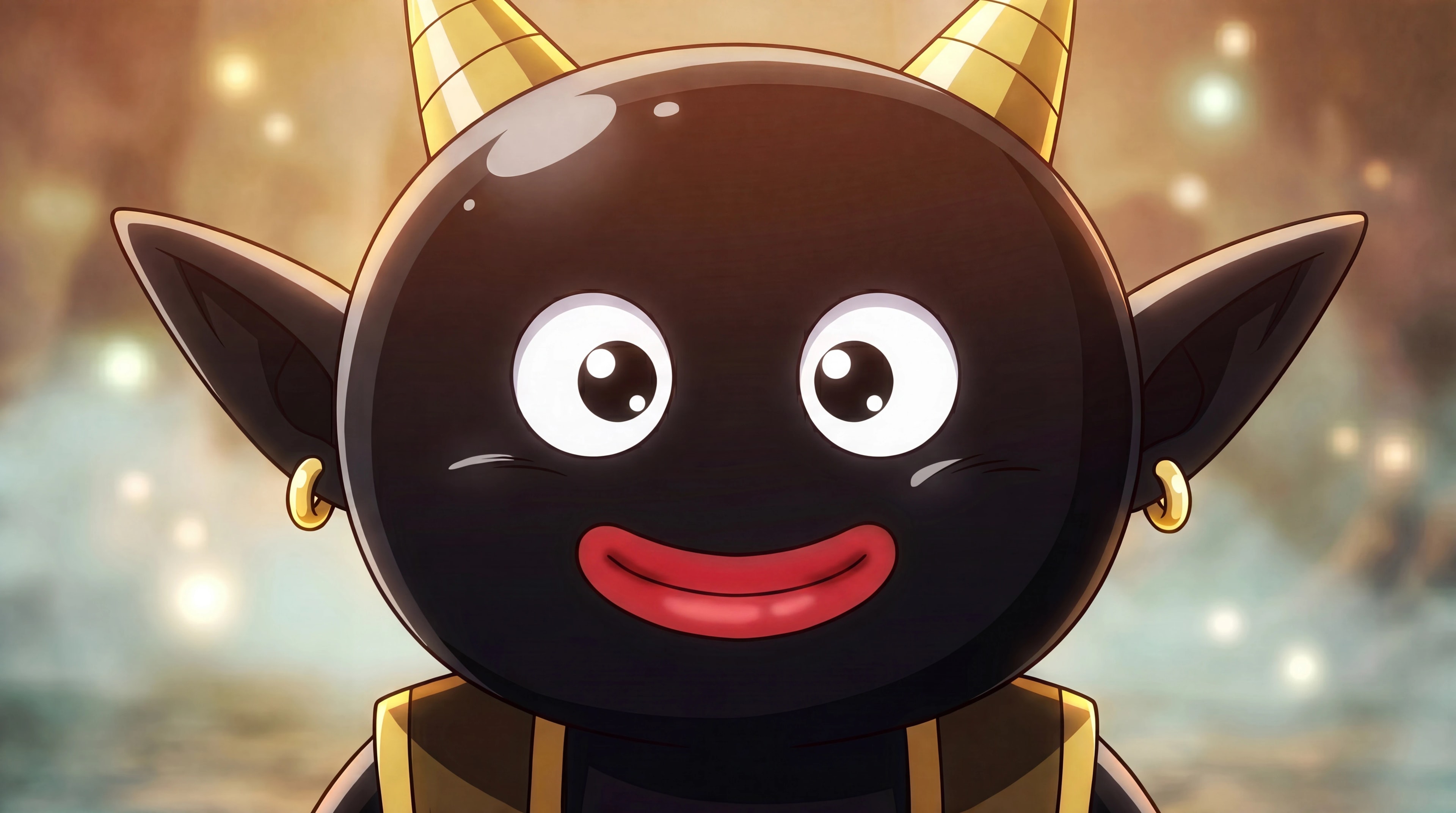
RaceDemon Beasts are monstrous creatures found throughout the Demon Realm and on certain planets in Universe 7. Ranging from fire-breathing flying predators to massive Krakens, they vary greatly in intelligence and power, with the Ankoku-seijin species being among the most notable.
Predators of the Dark Worlds
The term "Demon Beast," or Majuu in Japanese, covers a broad range of monstrous creatures that inhabit the Demon Realm and certain dark corners of the regular universe. Unlike the sapient members of the Demon Realm Race, most demon beasts operate on instinct, functioning as the apex predators of their respective environments. They come in a staggering variety of forms: fire-breathing winged creatures that soar over the Sea of Darkness, demonic dragons that lurk in the Third Demon World, horned minotaurs that guard territory, and colossal Krakens that dominate the waters of the Second Demon World.
The most well-known species of demon beast in the regular universe is the Ankoku-seijin, natives of Planet Ankoku. These creatures feed on light energy and dwell in total darkness, making them uniquely dangerous opponents for ki-based fighters.



Yakon and the Wizard's Arsenal
The most famous demon beast in the series is Yakon, an Ankoku-seijin recruited by Babidi for his Organization during the Buu Saga. Yakon's ability to consume light energy made him a serious tactical threat. When Goku transformed into a Super Saiyan inside Babidi's ship, Yakon devoured the golden energy surrounding him, reverting Goku to his base form. However, Goku turned the creature's own ability against it by transforming again and deliberately overfeeding Yakon with Super Saiyan energy until the beast literally exploded from overconsumption.
Dragon Ball Daima revealed that demon beasts exist in large numbers throughout the Demon Realm's various worlds. Several of these creatures were even used in the development of Majin Kuu, demonstrating that their raw power and demonic energy have practical applications for those who know how to harness them.

Beasts in the Hierarchy
Demon beasts occupy a unique position in the Demon Realm's ecosystem. They are not soldiers or citizens in the traditional sense but rather the wild fauna of a dimension defined by darkness and power. The most intelligent among them, like the Ankoku-seijin, can be recruited and directed by powerful beings such as Babidi. The less intelligent varieties serve as natural hazards that make traversing the Demon Realm treacherous for anyone without significant combat ability.
Notable demon beasts include Yakon, the light-eating Ankoku-seijin who served Babidi; the demonic dragons of the Third Demon World seen in Dragon Ball Daima; the Krakens of the Second Demon World; and the Minotaurs that roam the Demon Realm's territories. The sheer variety of these creatures suggests that the Demon Realm's ecology is far richer and more complex than the living universe's inhabitants ever suspected.
Related Reading
See all
Krillin's on the Tinder: How the Ultimate Short King Survived the Height Filter
Tinder built a height filter. Dragon Ball built a five foot legend. What happened when we sent the ultimate short king into the modern dating hellscape....

Infinite Zeni Glitch: When Yamcha Never Pays and Mr. Popo Always Does
The internet found an infinite money glitch. So did Yamcha. A smooth R&B track about the easiest money in the Dragon Ball world and the one man who keeps paying for it....

Frequently Asked Questions
Is Beast Gohan a demon form?
Demon Beasts are monstrous creatures found throughout the Demon Realm and on certain planets in Universe 7. Ranging from fire-breathing flying predators to massive Krakens, they vary greatly in intelligence and power, with the Ankoku-seijin species being among the most notable. Varies widely by subspecies.
Who is the strongest demon in Dragon Ball?
Varies by type. Ankoku-seijin can absorb light energy, and Krakens can detect and consume anything flying near their waters.
What is the history of the Demon Beast in Dragon Ball?
Notable Demon Beast species include the Ankoku-seijin from Planet Ankoku, Krakens from the Second Demon World, and various other monsters found across the Demon Realm's three worlds. Demon Beasts are monstrous creatures found throughout the Demon Realm and on certain planets in Universe 7.
Who are the notable members of the Demon Beast?
The most prominent documented member of the Demon Beast is Yakon (Ankoku-seijin). Demon Beasts are monstrous creatures found throughout the Demon Realm and on certain planets in Universe 7.
What planet are the Demon Beast from?
The Demon Beast are associated with Planet Ankoku. Demon Beasts are monstrous creatures found throughout the Demon Realm and on certain planets in Universe 7.
Sources & Information
Looking for more on Demon Beast? The Dragon Ball Wiki on Fandom has a dedicated page with community notes.
View on FandomThis content is original writing by Daddy Jim Headquarters based on the Dragon Ball anime series, manga, and official materials. Episode and chapter references are cited where applicable.
Character and scene imagery on this site is original artwork by Daddy Jim Headquarters, not screenshots or licensed imagery. Official cover art is used on three types of pages for editorial commentary:
- Movie pages: theatrical posters and key visuals, credited to Toei Animation and Shueisha.
- Game pages: official box art, credited to Bandai Namco, Atari, and other publishers.
- Manga chapter pages: Jump Comics volume covers, credited to Shueisha and Akira Toriyama.
Browse our episode guides:
Official resources:
Help Us Keep This Wiki Accurate
Daddy Jim Headquarters maintains this encyclopedia. If you spot an error, a translation issue, or something that doesn't look right, let us know.