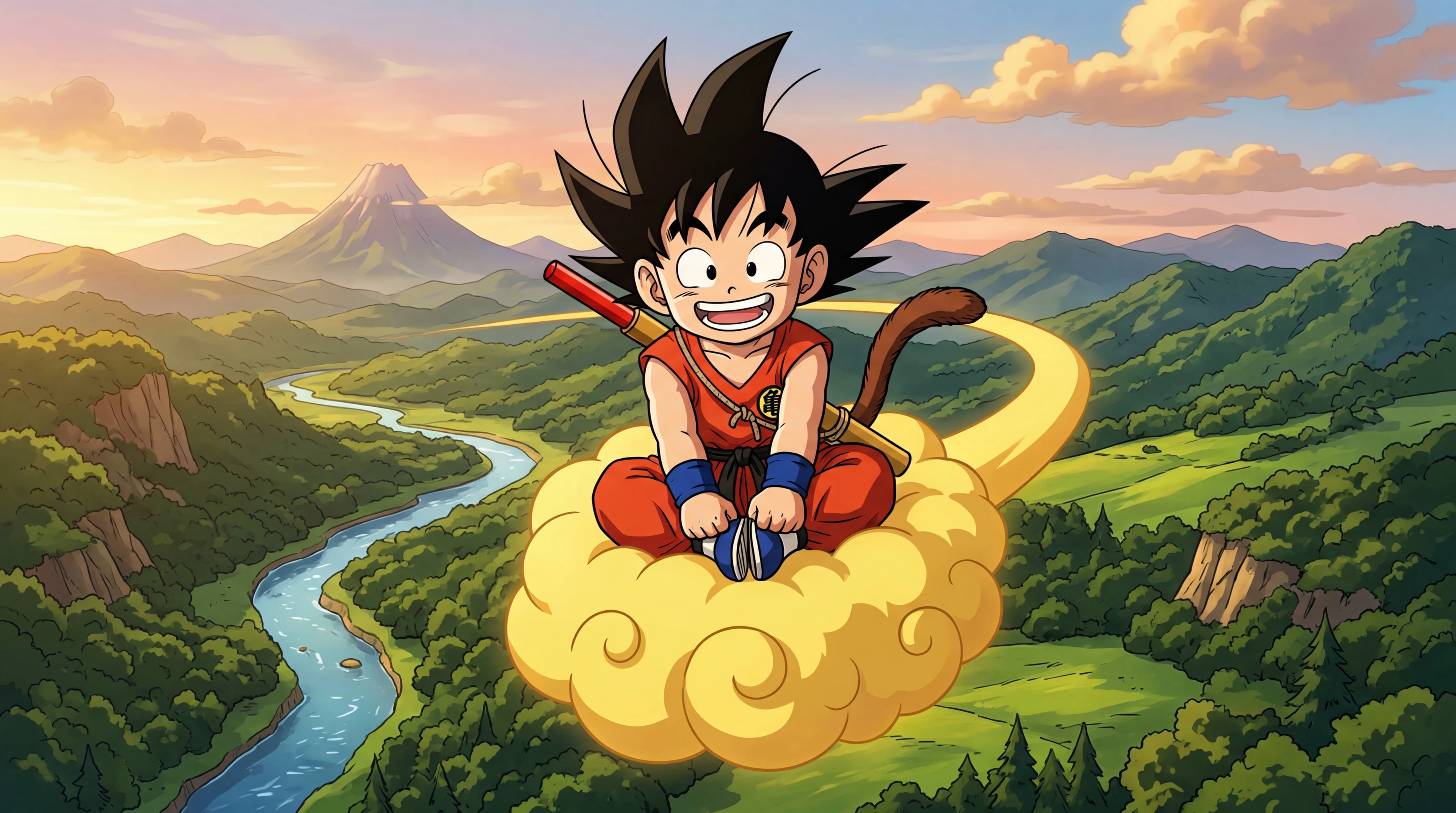
Hikui Bird
RaceA near-extinct species of fire-eating birds native to Earth, dwelling within the volcano of Mount Kiwi. Resembling massive ostriches capable of flight, the Hikui Bird is the only filler character from the original Dragon Ball anime known to have been designed by Akira Toriyama himself.
The Phantom Fire-Eater
The Hikui Bird, whose Japanese name literally translates to "Fire-Eating Bird," is a rare and nearly extinct avian species that inhabits the volcanic interior of Mount Kiwi on Earth. Physically, they resemble enormous ostriches, yet unlike their flightless real-world counterparts, Hikui Birds are fully capable of sustained flight. They also share their Japanese name with the cassowary, another large bird distinguished by a prominent bony crest atop its head, a feature the Hikui Bird shares.
What makes this creature particularly notable in Dragon Ball history is its creator. The Hikui Bird is the only filler character from the original Dragon Ball anime confirmed to have been designed by Akira Toriyama, as documented in the Supplemental Daizenshuu published in 1996. This places the Hikui Bird in a unique category among anime-original additions to the franchise.

A Scientist's Forty-Year Vigil
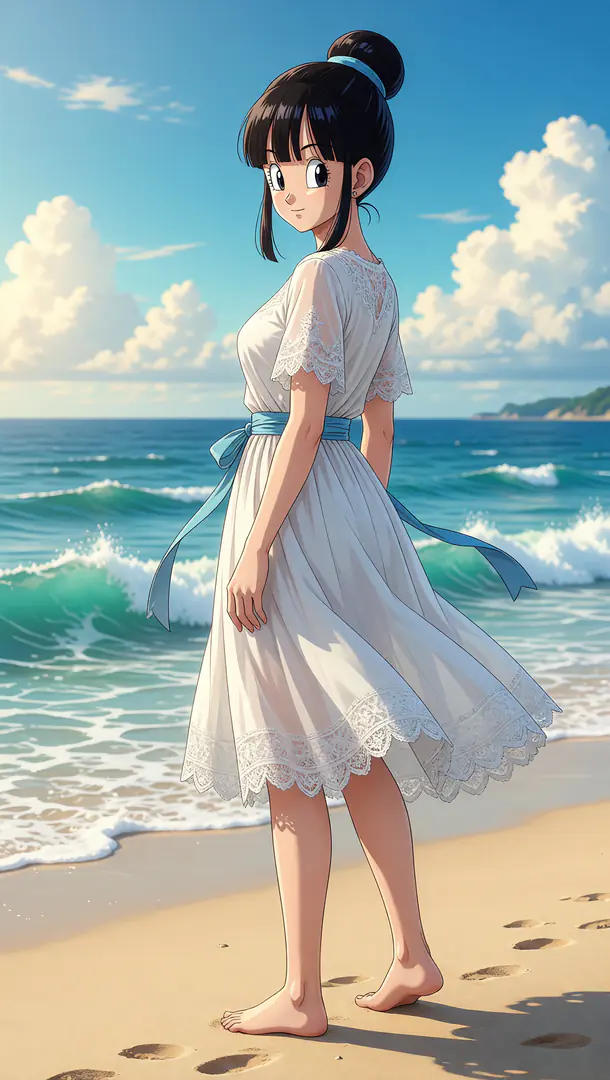
An elderly scientist devoted four decades of his life to studying the Hikui Bird, eventually traveling to Mount Kiwi where he discovered the last known egg of the species. He kept the egg safe and waited patiently for the day it would hatch. Meanwhile, Goku and Chi-Chi stumbled upon a book written by Master Roshi claiming that Hikui Bird feathers were required to create the legendary Bansho Fan. They needed the fan to extinguish the fires threatening Fire Mountain and save the Ox-King.
Without knowing that Roshi had fabricated the claim to impress women (or, in the Japanese version, while drunk), Goku and Chi-Chi journeyed to Mount Kiwi. Emperor Pilaf also learned of the Hikui Bird and traveled to the volcano with plans to steal the egg and sell it for a fortune. Goku thwarted Pilaf's scheme, sending him, Shu, and Mai fleeing once again.
When the last adult Hikui Bird finally appeared, it helped crack the egg's shell so the chick could hatch. Both birds gazed at Goku, Chi-Chi, and the scientist for a few moments, as if expressing gratitude, before soaring into the sky and vanishing. The adult left feathers behind, but they dissolved into nothing when Goku and Chi-Chi tried to catch them.
Toriyama's Filler Masterpiece
The Hikui Bird appears exclusively in episode 150 of the original Dragon Ball anime, titled "The Fire-Eater." Despite being a one-episode creature, it left a lasting impression through its connection to the Bansho Fan subplot and its touching final scene. The story wove together multiple threads of the original series: the Ox-King's burning castle, Roshi's unreliable scholarship, Pilaf's bumbling villainy, and the quiet wonder of discovering something truly rare in the Dragon Ball world.
As the sole Toriyama-designed filler character, the Hikui Bird occupies a special place among the many creatures populating the Dragon Ball bestiary. Its near-extinction mirrors real-world conservation themes, a rarity in a franchise more commonly concerned with planet-shattering battles than ecological fragility.
Related Reading
See all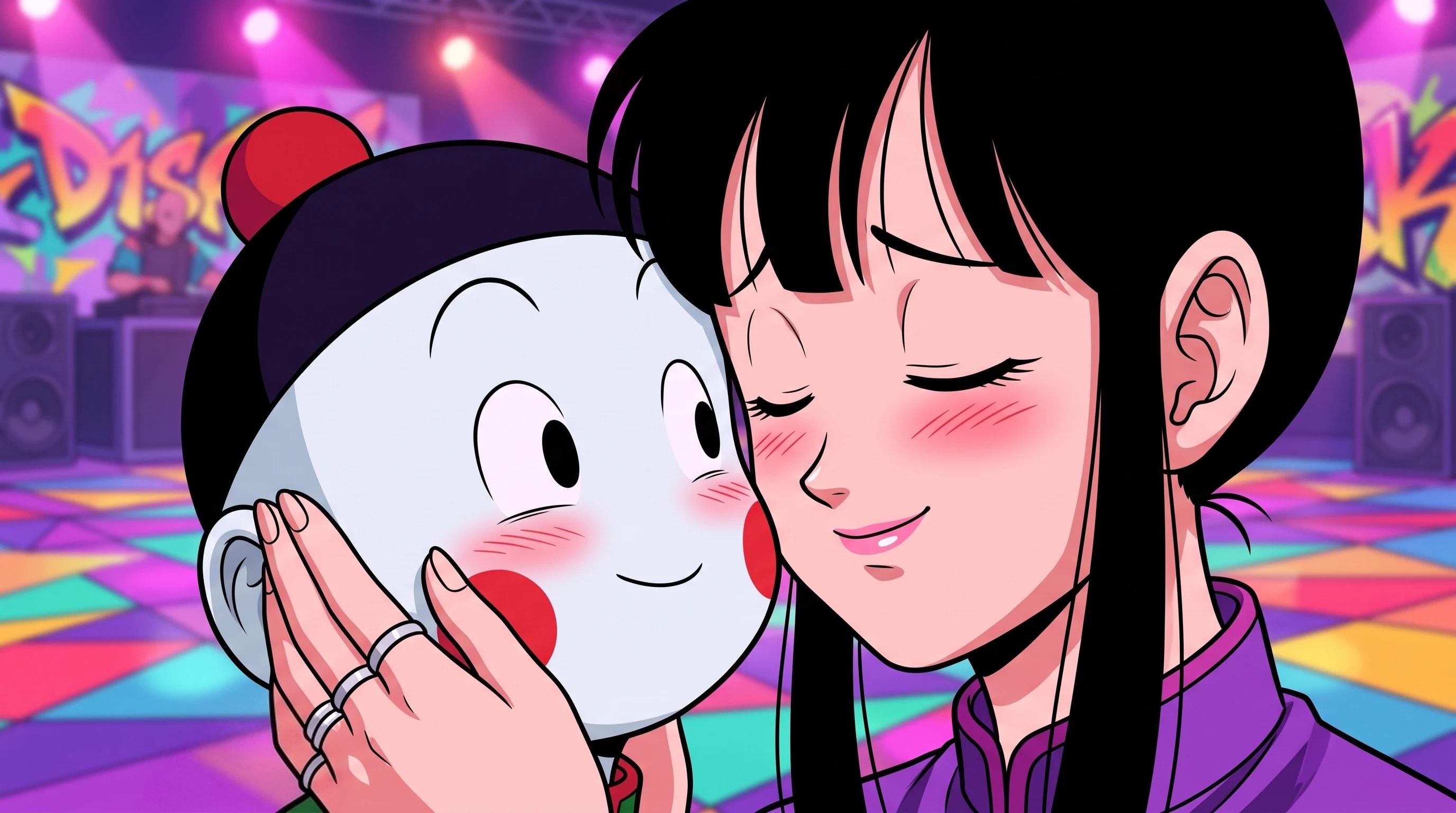
Chiaotzu is Chi-Chi's Boo: Why the Guy Who Never Wins Finally Wins
The least likely man in Dragon Ball just took the biggest win in our catalog. The story behind our R&B record about Chiaotzu, Chi-Chi, and a house Goku is never in....
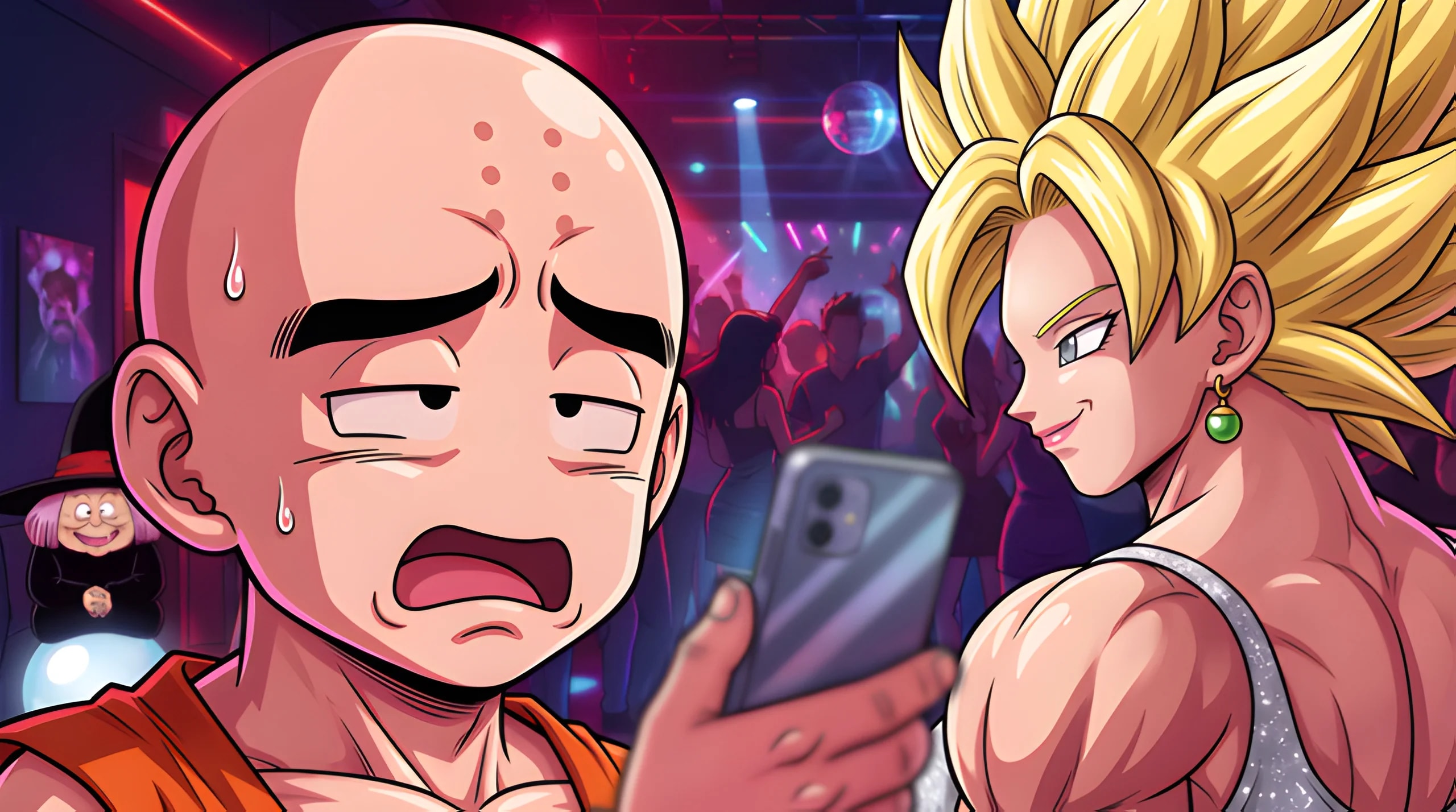
Krillin's on the Tinder: How the Ultimate Short King Survived the Height Filter
Tinder built a height filter. Dragon Ball built a five foot legend. What happened when we sent the ultimate short king into the modern dating hellscape....

Frequently Asked Questions
What is the Hikui Bird race in Dragon Ball?
A near-extinct species of fire-eating birds native to Earth, dwelling within the volcano of Mount Kiwi. Resembling massive ostriches capable of flight, the Hikui Bird is the only filler character from the original Dragon Ball anime known to have been designed by Akira Toriyama himself.
Where do the Hikui Bird live?
The Hikui Bird are native to Earth. A near-extinct species of fire-eating birds native to Earth, dwelling within the volcano of Mount Kiwi.
What do the Hikui Bird look like?
Massive birds resembling ostriches, though they are one of the few filler characters known to have been designed by Akira Toriyama himself. A near-extinct species of fire-eating birds native to Earth, dwelling within the volcano of Mount Kiwi.
What abilities do the Hikui Bird have?
True to their name, they can consume fire. Their feathers and other parts have been sought for their supposed magical properties.
What is the history of the Hikui Bird?
Hikui Birds were already near-extinct by the time of Dragon Ball. A Hikui Bird appears during the anime-original filler when various characters seek out rare and mythical creatures.
Sources & Information
Looking for more on Hikui Bird? The Dragon Ball Wiki on Fandom has a dedicated page with community notes.
View on FandomThis content is original writing by Daddy Jim Headquarters based on the Dragon Ball anime series, manga, and official materials. Episode and chapter references are cited where applicable.
Character and scene imagery on this site is original artwork by Daddy Jim Headquarters, not screenshots or licensed imagery. Official cover art is used on three types of pages for editorial commentary:
- Movie pages: theatrical posters and key visuals, credited to Toei Animation and Shueisha.
- Game pages: official box art, credited to Bandai Namco, Atari, and other publishers.
- Manga chapter pages: Jump Comics volume covers, credited to Shueisha and Akira Toriyama.
Browse our episode guides:
Official resources:
Help Us Keep This Wiki Accurate
Daddy Jim Headquarters maintains this encyclopedia. If you spot an error, a translation issue, or something that doesn't look right, let us know.