Metamoran
RaceThe Metamorans are an alien race who developed one of the most celebrated techniques in Dragon Ball history: the Fusion Dance. Hailing from Planet Metamor, these beings created a method by which two individuals of similar size and power can merge into a single, vastly more powerful warrior for thirty minutes. Goku learned the technique in Other World and taught it to Goten and Trunks, producing the legendary fused warrior Gotenks.
The People Who Invented Fusion
The Metamorans originate from Planet Metamor, a world whose culture produced one of the most important techniques in the Dragon Ball universe. The Fusion Dance is a precisely choreographed set of movements that, when performed symmetrically by two beings of roughly equal size and power level, merges them into a single entity that possesses the combined strength of both participants, multiplied many times over.
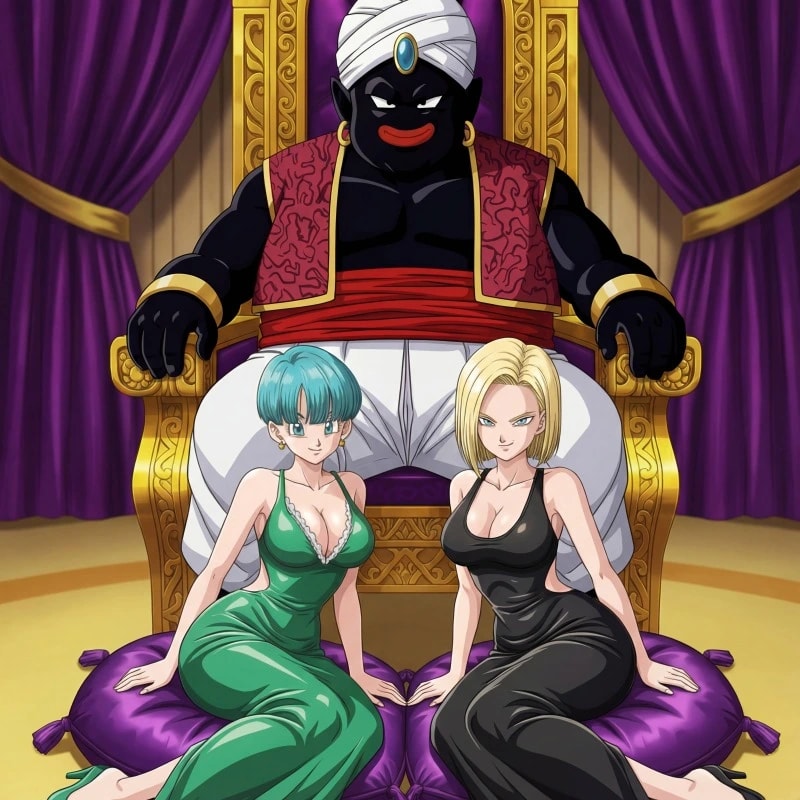
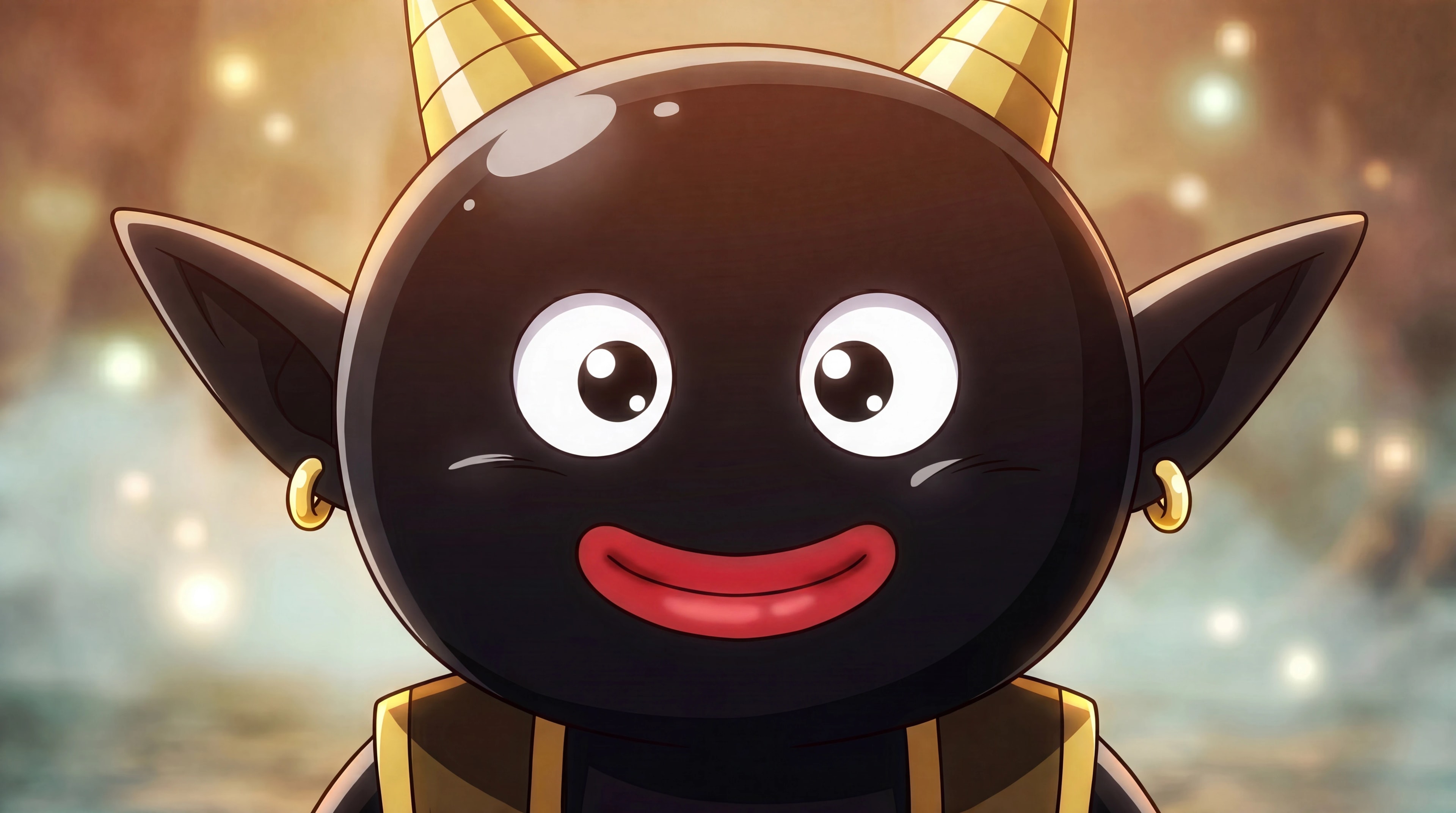
The Metamorans themselves are rarely seen in the series. Their most distinctive visual trait is their clothing: a short vest with no shirt underneath, puffy white pants, and a sash. This outfit became iconic because every warrior produced by the Fusion Dance wears it, regardless of what the individual fusees were wearing before. It is the Metamoran uniform, permanently stamped onto the technique itself.
The Mechanics of the Dance
The Fusion Dance requires strict precision. Both participants must mirror each other's movements exactly, extending their arms in opposite directions, stepping toward each other in synchronized rhythm, and touching their index fingers at precisely the right angle. If any detail is off, the fusion fails, producing a weak, malformed combination that is worse than either individual alone. The fused state lasts exactly thirty minutes before separating, after which the fusees must wait one hour before attempting the technique again.
A Lesson From the Dead
Goku encountered the Metamorans while training in Other World during the seven-year gap between the Cell Saga and the Buu Saga. He learned their Fusion Dance technique and recognized its potential as a weapon against threats too powerful for any single warrior to face. When Majin Buu emerged as an unstoppable force, Goku taught the Fusion Dance to the two youngest Saiyans available: Goten and Trunks.
The result was Gotenks, a fused warrior who combined the power of both boys into something far greater than the sum of its parts. Gotenks possessed incredible raw strength, access to Super Saiyan transformations, and a personality that blended Goten's playfulness with Trunks's confidence into something almost insufferably cocky. He created original techniques on the fly, including the Super Ghost Kamikaze Attack, and achieved Super Saiyan 3 within the Hyperbolic Time Chamber.
Other Fusions
The Metamoran technique produced other notable fusions as well. Gogeta, the fusion of Goku and Vegeta, appeared in the movie Dragon Ball Super: Broly as one of the most powerful beings in the franchise's history. Gogeta's brief existence was marked by overwhelming power and a playful combat style that dismantled the Legendary Super Saiyan Broly with almost casual precision. In Dragon Ball GT, Gogeta appeared as Super Saiyan 4 against Omega Shenron, though his time limit worked against him in that battle.
A Culture Defined by Its Gift
Almost nothing is known about Metamoran culture beyond the Fusion Dance itself. Their homeworld, their society, their history, and their biology remain largely unexplored. What little we know comes from the technique they created and the clothing it imposes on its users. The Metamoran vest has become so iconic that it is instantly recognizable to Dragon Ball fans worldwide, even though the species that designed it has barely appeared on screen.
The Metamorans' contribution to Dragon Ball cannot be overstated. The Fusion Dance created some of the franchise's most beloved characters and most spectacular fight sequences. Gotenks vs Super Buu, Gogeta vs Broly, and the various failed fusion attempts that produced comically deformed warriors are all direct products of Metamoran ingenuity.
Legacy of the Dance
The Fusion Dance exists alongside the Potara earrings as one of two primary fusion methods in Dragon Ball. While the Potara method is simpler and, for Supreme Kais, permanent, the Metamoran technique has the advantage of not requiring any special equipment. It demands only skill, symmetry, and a partner willing to dance. That accessibility has made it a staple of Dragon Ball storytelling and one of the most recognizable concepts in all of anime.
Related Reading
See all
Krillin's on the Tinder: How the Ultimate Short King Survived the Height Filter
Tinder built a height filter. Dragon Ball built a five foot legend. What happened when we sent the ultimate short king into the modern dating hellscape....
Infinite Zeni Glitch: When Yamcha Never Pays and Mr. Popo Always Does
The internet found an infinite money glitch. So did Yamcha. A smooth R&B track about the easiest money in the Dragon Ball world and the one man who keeps paying for it....
Frequently Asked Questions
What is a metamoran in DBZ?
The Metamorans are an alien race who developed one of the most celebrated techniques in Dragon Ball history: the Fusion Dance. Hailing from Planet Metamor, these beings created a method by which two individuals of similar size and power can merge into a single, vastly more powerful warrior for thirty minutes. Goku learned the technique in Other World and taught it to Goten and Trunks, producing the legendary fused warrior Gotenks.
What abilities do the Metamoran have?
The Fusion Dance, which allows two fighters of similar size and power to merge into a single, vastly more powerful being for 30 minutes. The technique requires precise mirrored movements.
Where do the Metamoran live?
The Metamoran are native to Metamor. The Metamorans are an alien race who developed one of the most celebrated techniques in Dragon Ball history: the Fusion Dance.
What do the Metamoran look like?
Unknown average height and general appearance, as few members have been shown in detail. The Metamorans are an alien race who developed one of the most celebrated techniques in Dragon Ball history: the Fusion Dance.
What is the culture of the Metamoran?
A warrior culture centered on the Fusion Dance. As Goku stated, they are among the strongest warriors in the universe thanks to this technique. The signature Metamoran vest is worn by all Fusion Dance participants.
Sources & Information
Looking for more on Metamoran? The Dragon Ball Wiki on Fandom has a dedicated page with community notes.
View on FandomThis content is original writing by Daddy Jim Headquarters based on the Dragon Ball anime series, manga, and official materials. Episode and chapter references are cited where applicable.
Character and scene imagery on this site is original artwork by Daddy Jim Headquarters, not screenshots or licensed imagery. Official cover art is used on three types of pages for editorial commentary:
- Movie pages: theatrical posters and key visuals, credited to Toei Animation and Shueisha.
- Game pages: official box art, credited to Bandai Namco, Atari, and other publishers.
- Manga chapter pages: Jump Comics volume covers, credited to Shueisha and Akira Toriyama.
Browse our episode guides:
Official resources:
Help Us Keep This Wiki Accurate
Daddy Jim Headquarters maintains this encyclopedia. If you spot an error, a translation issue, or something that doesn't look right, let us know.