Vampa Beetle
RaceGiant parasitic mites native to Planet Vampa that drain nutrients from living beings through syringe-like tongues. They served as both predators and primary food source for Broly during his decades-long exile, providing sustenance despite their foul taste.
Parasites with Power Levels
Vampa Beetles, also known as Goliamites or Large Mites, are a species of oversized parasitic insects found on Planet Vampa. They stand taller than the average Earthling and possess a syringe-like tongue used to drain nutrients from their hosts, primarily the much larger Vampa Beasts.
Their diet is hemativorous, meaning they feed on the fluids of other living creatures. They surround their targets in groups to increase their odds of successful feeding, a pack-hunting strategy necessitated by the fact that individual beetles are no match for a Vampa Beast.
Deceptively Powerful
Despite their status as prey for Vampa Beasts, these creatures are far from weak. Paragus noted that a power level of 920 would not be enough to defeat one, and at his own power level of 4,200, he was too intimidated to fight a beetle himself. He instead called upon the young Broly, whose Great Ape power level could reach 100,000, to handle the threat.


Survival Food on a Death World
Vampa Beetles played a crucial role in Broly's survival during his exile. He subsisted on their flesh and eggs for his entire life on Vampa, making them his sole food source for decades. The beetles proved to be highly nutritious and water-rich, sustaining Broly without any access to pure drinking water until Cheelai shared hers with him.
The taste, however, left much to be desired. When Cheelai and Lemo sampled the beetles' flesh, they found it sour and foul. Broly's acceptance of this diet speaks to his resilience and the harsh reality of life on Vampa, where options were limited to beetle meat or starvation.
Their eggs are also edible and presumably share the same nutritional density as the adults, providing Broly with a renewable food source in an environment where almost nothing else could sustain Saiyan biology.

The Second Most Dangerous Thing on Vampa
In Vampa's brutal ecosystem, the beetles occupy the middle tier. They are parasites to the Vampa Beasts, feeding on the larger creatures' nutrients while also serving as their prey. This dual relationship creates a volatile food chain where both species simultaneously depend on and threaten each other.
Their greater mobility compared to the lumbering Vampa Beasts makes them the more immediate danger to non-native visitors. Paragus and Beets discovered this firsthand when beetles surrounded them and began draining the beast they were standing on. The beetles showed no hesitation in turning their syringe-like tongues on the Saiyan visitors as well.
As the second most dangerous native lifeform on Vampa, the beetles helped establish the planet's reputation as one of the most hostile environments in the Dragon Ball universe, a place where even the food fights back.
Dragon Ball Daima Blu-ray Confirmed for August 11 Release After March Delay
May 27, 2026Crunchyroll confirmed an August 11, 2026 Blu-ray release for Dragon Ball Daima after the originally planned March 3 date was pulled. Standard and limited editions opened for pre-order on the Crunchyroll Store the same week as the new announcement....
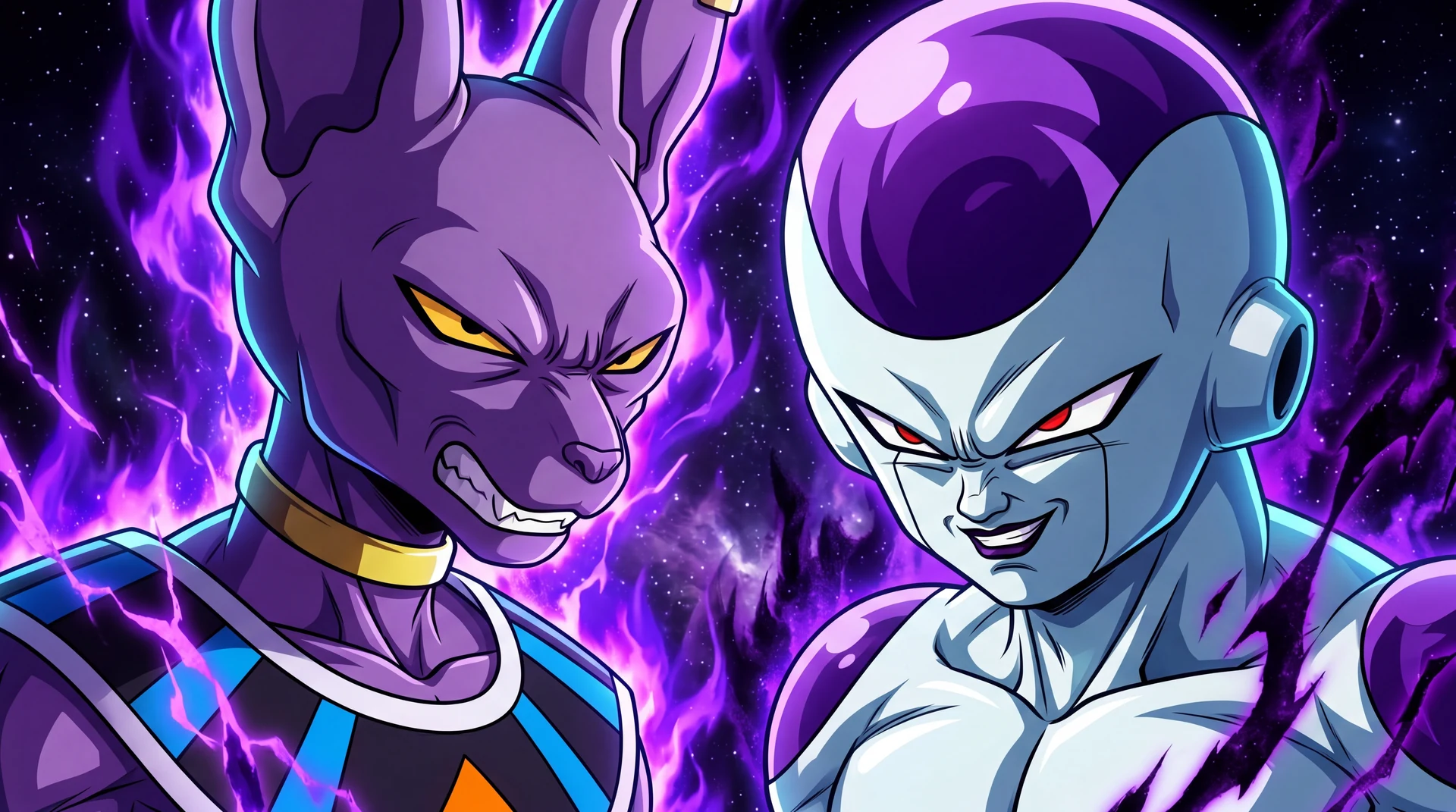
New Dragon Ball Super: Beerus Trailer Reveals Frieza
May 25, 2026The Super Gekitou trailer for Dragon Ball Super: Beerus debuted on April 19, 2026 at Dragon Ball Games Battle Hour and ends with Frieza awaiting his resurrection. The enhanced remake of the original anime premieres in Fall 2026....
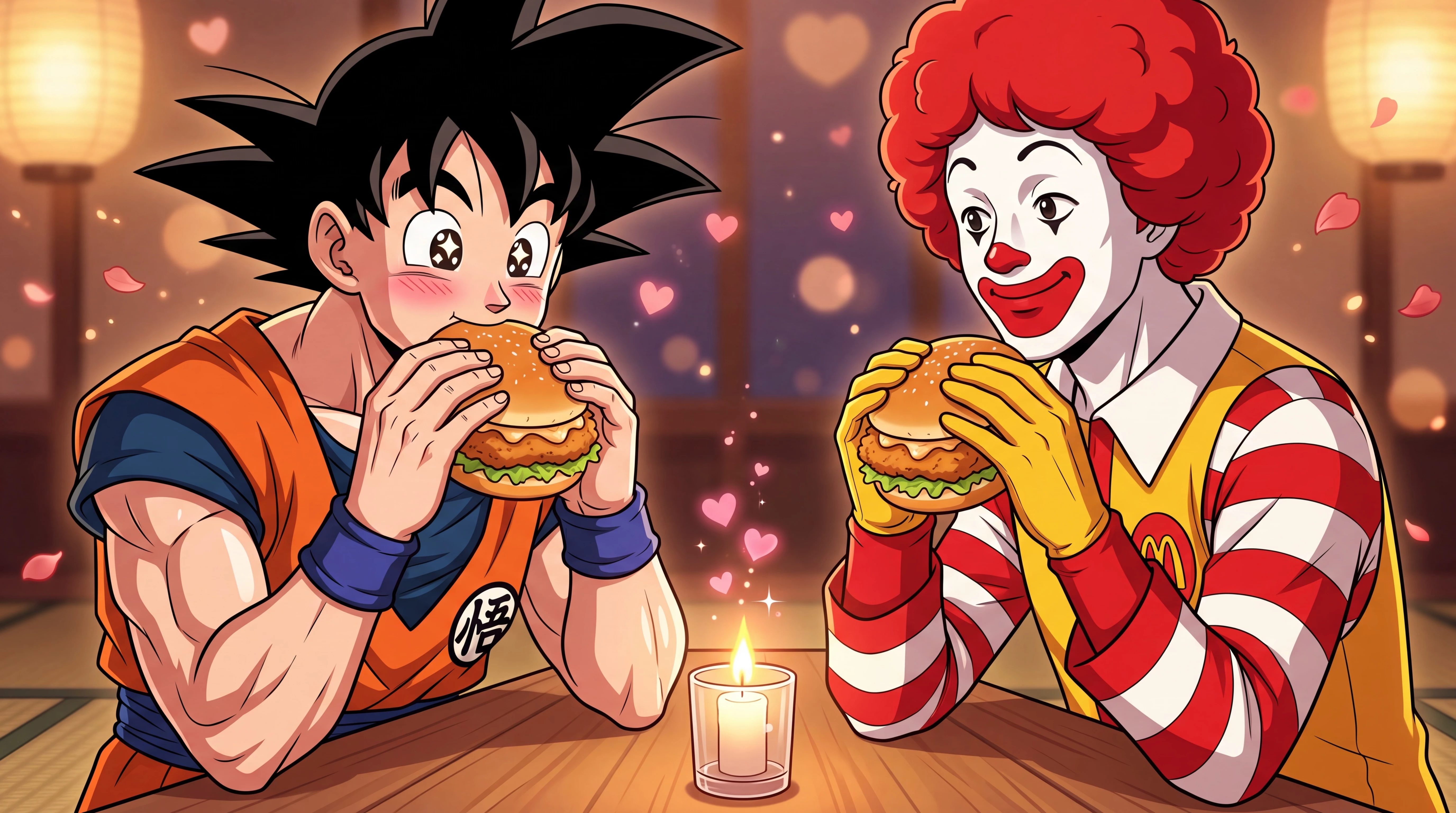
Masako Nozawa Stars in McDonald's Japan Baki Dating Sim Spoof for the Chicken Tatsuta Campaign
Apr 20, 2026McDonald's Japan dropped a 35-second dating sim parody starring Masako Nozawa, the voice of Goku since 1986, opposite Baki Hanma and Kaio Retsu, built around the Spring Chicken Tatsuta burger....
Sources & Information
Looking for more on Vampa Beetle? The Dragon Ball Wiki on Fandom has a dedicated page with community notes.
View on FandomThis content is original writing by Daddy Jim Headquarters based on the Dragon Ball anime series, manga, and official materials. Episode and chapter references are cited where applicable.
Character and scene imagery on this site is original artwork by Daddy Jim Headquarters, not screenshots or licensed imagery. Official cover art is used on three types of pages for editorial commentary:
- Movie pages: theatrical posters and key visuals, credited to Toei Animation and Shueisha.
- Game pages: official box art, credited to Bandai Namco, Atari, and other publishers.
- Manga chapter pages: Jump Comics volume covers, credited to Shueisha and Akira Toriyama.
Browse our episode guides:
Official resources:
Dragon Ball Music by Daddy Jim Headquarters
Come listen to some Dragon Ball R&B.
Help Us Keep This Wiki Accurate
Daddy Jim Headquarters maintains this encyclopedia across 13 languages. If you spot an error, a translation issue, or something that doesn't look right, let us know.