Zombie
RaceReanimated dead creatures that roam the Dragon Ball universe, appearing most notably in Dragon Ball Z: Fusion Reborn when the barriers between the living and dead worlds shattered. They range from mindless shambling corpses to intelligent undead capable of commanding armies.
The Dead Walk in Dragon Ball
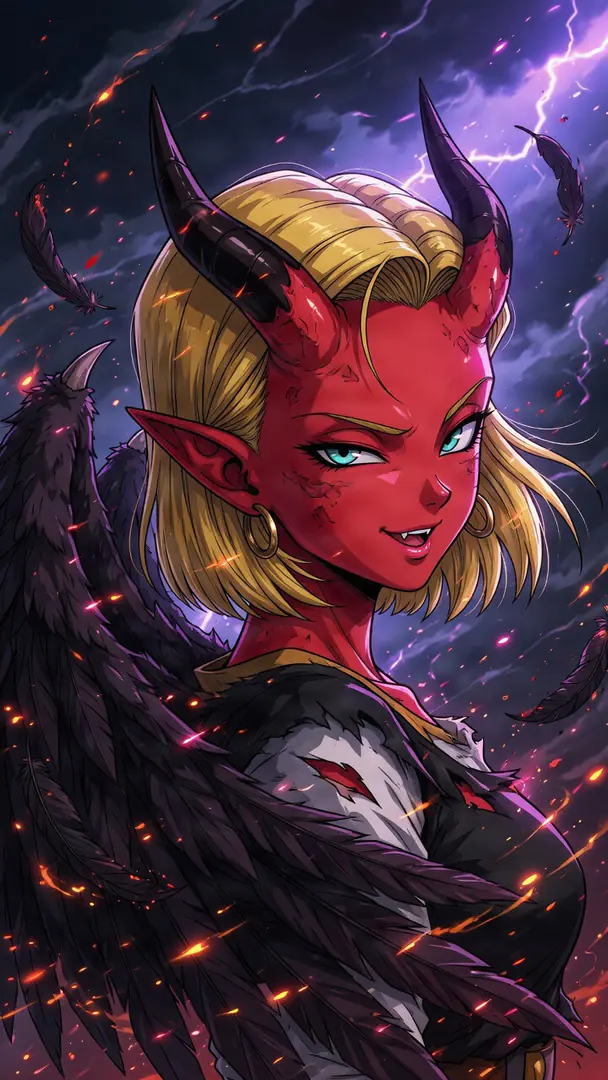
Zombies in Dragon Ball are reanimated human corpses that retain varying degrees of their former selves. Their appearance matches the classic undead template: abnormal skin colors in shades of green-gray, blue-gray, or pale purple; sunken facial features; open wounds exposing bone and muscle; and missing body parts. Most wear torn remnants of their burial clothing.
However, not all zombies share the shambling, decayed presentation. Some, like Juliana and the Dictator, appear virtually identical to living humans, retaining their full physical appearance despite being undead. This variation suggests that the freshness of the corpse or the circumstances of reanimation affect the zombie's final state.
Intelligence Varies Wildly
Most zombies possess low intelligence due to brain decay, are hostile on sight, and hunger for living flesh. But a significant minority retain the ability to speak, use weapons and vehicles, and even organize into military structures. The Dictator represents the upper limit of zombie intelligence, commanding an entire army of undead soldiers with strategic coordination.

The Day the Afterlife Broke Open
The largest zombie event in Dragon Ball occurs in Dragon Ball Z: Fusion Reborn. When the Soul Cleansing Machine's evil containment tanks shattered from overfilling in Hell, the barriers between the living and dead worlds collapsed, creating Janemba and unleashing hordes of undead onto Satan City.
The resulting chaos showcased the full spectrum of zombie behavior. Some rode horses through the streets in a macabre cavalry charge. The Dictator assembled his zombie army and attempted to seize control of the city. Great Saiyaman (Gohan) and Videl fought walking skeletons and zombies before encountering the escaped Frieza and his men. Goten and Trunks battled the Dictator's forces, while Mr. Satan beat up Jiang Shi and zombies in the deserted streets.
Not every zombie was hostile. A grandfather who had returned from the dead was simply confused about his resurrection and posed no threat to his family. Juliana, another revived individual, chose to leave her partner Romeo for younger company rather than attack anyone.
Undead Across the Series
Zombies appear throughout Dragon Ball's history in various forms. Bandages the Mummy, one of Fortuneteller Baba's fighters in the original Dragon Ball, represents one of the earliest undead combatants. In Dragon Ball Z, zombies and other yokai are casually present in Other World cafes, coexisting with tengu, yuki-onna, and other supernatural beings from Japanese folklore.
They also make a brief appearance in Dragon Ball Z: Wrath of the Dragon, when Krillin encounters zombies and monsters while searching for a Dragon Ball in an amusement park.
In Dragon Ball Super: Super Hero, Dr. Hedo's Alpha Series represents a modern take on the zombie concept: corpses of human-type Earthlings reanimated through technology rather than supernatural means. This scientific approach to reanimation brings the zombie concept into the franchise's current era while maintaining the core idea of the dead being brought back to serve someone else's purposes.
Zombies in Dragon Ball serve as a reminder that beneath all the interplanetary warfare and divine tournaments, the series has always kept one foot in the world of classic monster movies and Japanese folklore.
Related Reading
See all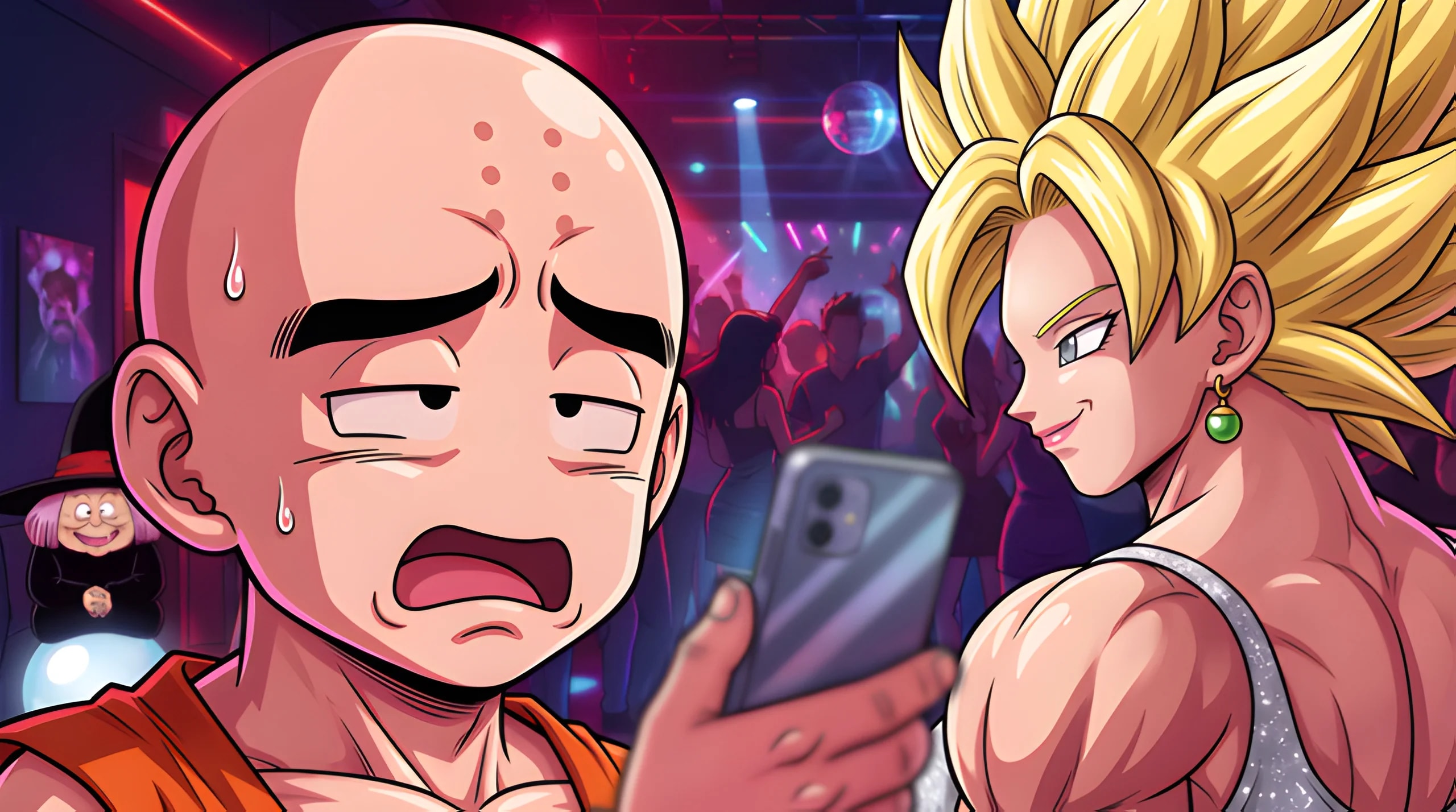
Krillin's on the Tinder: How the Ultimate Short King Survived the Height Filter
Tinder built a height filter. Dragon Ball built a five foot legend. What happened when we sent the ultimate short king into the modern dating hellscape....
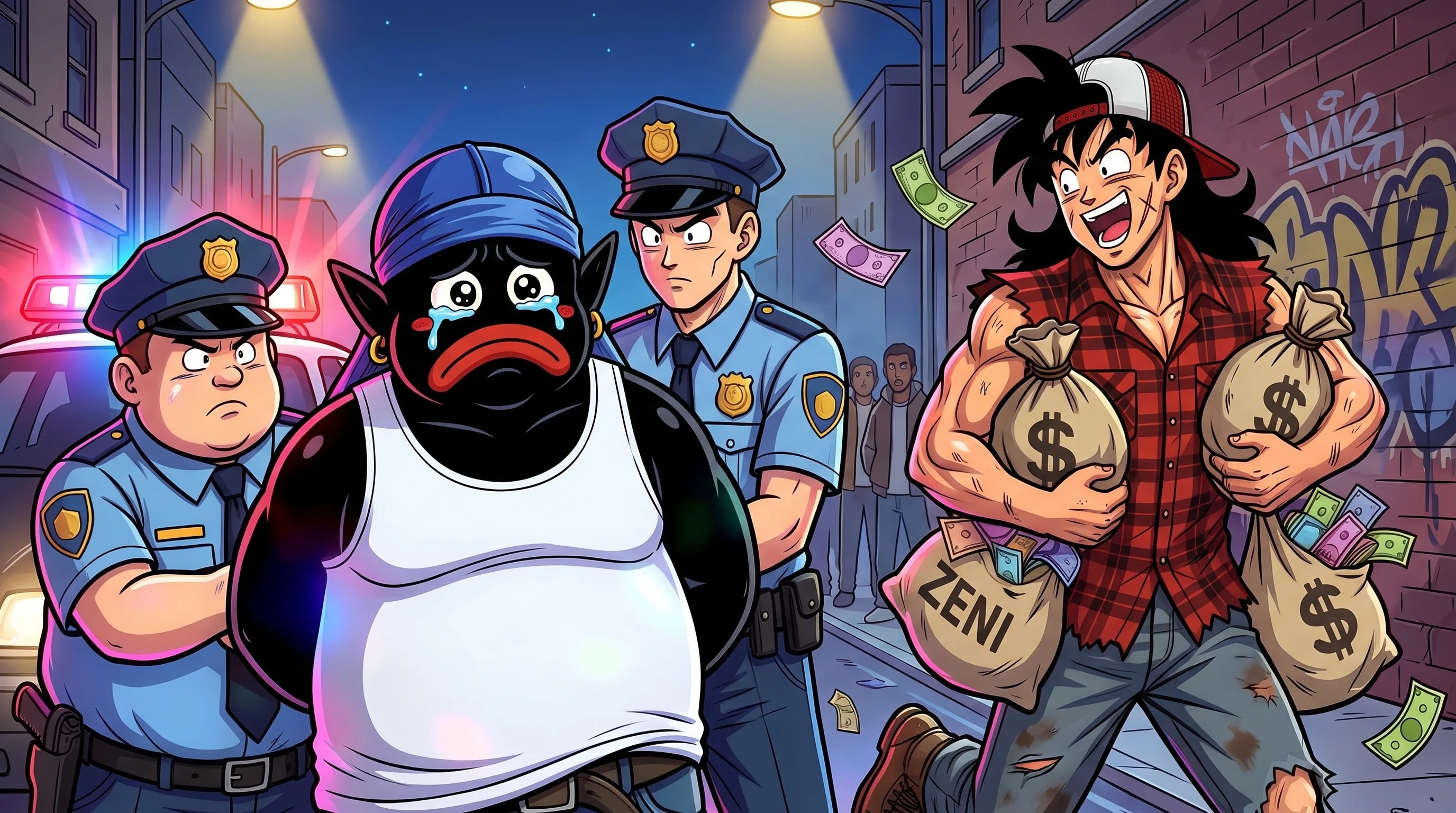
Infinite Zeni Glitch: When Yamcha Never Pays and Mr. Popo Always Does
The internet found an infinite money glitch. So did Yamcha. A smooth R&B track about the easiest money in the Dragon Ball world and the one man who keeps paying for it....
Frequently Asked Questions
What are the Zombie in Dragon Ball?
Reanimated dead creatures that roam the Dragon Ball universe, appearing most notably in Dragon Ball Z: Fusion Reborn when the barriers between the living and dead worlds shattered. They range from mindless shambling corpses to intelligent undead capable of commanding armies.
Where do the Zombie come from?
The Zombie are associated with Other World. Reanimated dead creatures that roam the Dragon Ball universe, appearing most notably in Dragon Ball Z: Fusion Reborn when the barriers between the living and dead worlds shattered.
What do the Zombie look like?
The Zombie have distinctive physical characteristics in the Dragon Ball universe. Roughly human-shaped but with abnormal pale skin colors, sunken features, open wounds, exposed bones, and missing body parts.
What abilities do the Zombie have?
The Zombie possess specific abilities tied to their nature. While generally weak individually, they can be dangerous in large numbers.
What is the culture of the Zombie like?
The Zombie have a culture noted in Dragon Ball lore. They feed on human flesh.
Sources & Information
Looking for more on Zombie? The Dragon Ball Wiki on Fandom has a dedicated page with community notes.
View on FandomThis content is original writing by Daddy Jim Headquarters based on the Dragon Ball anime series, manga, and official materials. Episode and chapter references are cited where applicable.
Character and scene imagery on this site is original artwork by Daddy Jim Headquarters, not screenshots or licensed imagery. Official cover art is used on three types of pages for editorial commentary:
- Movie pages: theatrical posters and key visuals, credited to Toei Animation and Shueisha.
- Game pages: official box art, credited to Bandai Namco, Atari, and other publishers.
- Manga chapter pages: Jump Comics volume covers, credited to Shueisha and Akira Toriyama.
Browse our episode guides:
Official resources:
Help Us Keep This Wiki Accurate
Daddy Jim Headquarters maintains this encyclopedia. If you spot an error, a translation issue, or something that doesn't look right, let us know.