Emperor Pilaf Saga
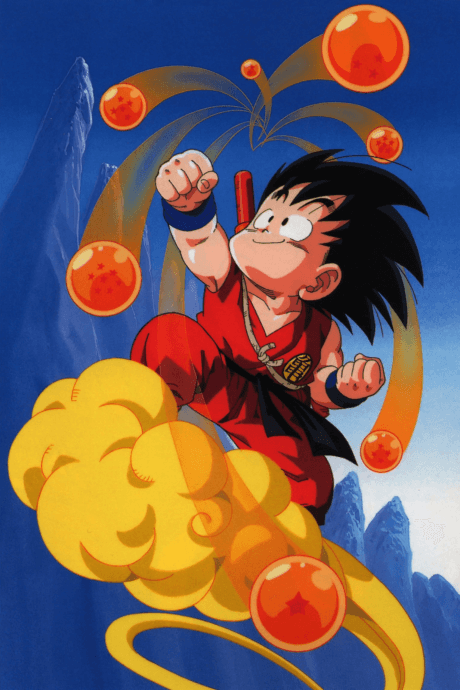
SagaThe Emperor Pilaf Saga is where everything begins. A young monkey-tailed boy named Goku meets a teenage genius named Bulma, and together they embark on the very first Dragon Ball hunt. Along the way they gather the allies, rivals, and friendships that will define the franchise for decades to come.
The Boy on the Mountain
High on Mount Paozu, a boy with a monkey tail lives alone in a small shack. His name is Goku, and he spends his days training, hunting giant fish, and talking to the Four-Star Dragon Ball left behind by his late adoptive grandfather Gohan. Goku knows nothing of the wider world. He has never seen a car, never met a girl, and has no idea that the glowing orange sphere he cherishes is one of seven mystical objects capable of summoning an eternal dragon. All of that changes the day a teenage girl named Bulma barrels down the mountain road in a Dyno Cap car and runs straight into him.
An Unlikely Partnership
Bulma, the brilliant daughter of the Capsule Corporation founder, is on a summer vacation quest to collect all seven Dragon Balls and wish for the perfect boyfriend. When she discovers that Goku possesses the Four-Star Ball, she tries to negotiate, bargain, and eventually resorts to explaining the legend of Shenron, the Eternal Dragon who grants any wish when all seven balls are gathered. Goku, fascinated by the idea but unwilling to part with his grandfather's keepsake, agrees to join Bulma on her journey. Thus begins the most consequential road trip in anime history.
Gathering Allies One Misadventure at a Time
The journey proceeds through a series of episodic adventures, each introducing characters who will remain central to the franchise for decades. A detour to help a lost Sea Turtle leads to Master Roshi, the Turtle Hermit, who gifts Goku the Flying Nimbus cloud and gives Bulma a Dragon Ball in exchange for a rather lecherous bargain. In Aru Village, they confront Oolong, a shape-shifting pig terrorizing the locals, and Bulma recruits him with a special vitamin that induces embarrassing digestive consequences whenever she says "piggy."
The Diablo Desert introduces Yamcha, a fearsome bandit with a crippling fear of women, and his shapeshifting companion Puar. Yamcha's Wolf Fang Fist gives Goku his first real fight, but the battle ends in a draw when Bulma wakes from a nap and Yamcha flees in terror at the sight of her. Rather than continue fighting, Yamcha decides to follow the group covertly, planning to steal their Dragon Balls and wish away his fear of women.
Fire Mountain and the Kamehameha
The quest for the sixth Dragon Ball brings the group to Fire Mountain, home of the fearsome Ox-King. Despite his terrifying reputation, the Ox-King reveals himself to be a former student of Master Roshi who has been separated from his treasure by a fire that engulfs his entire mountain. He sends Goku and his daughter Chi-Chi to fetch Roshi, who arrives and demonstrates a technique that will become the franchise's signature: the Kamehameha Wave. Roshi obliterates the entire mountain with a single blast, and the group recovers the Dragon Ball from the rubble. Goku, astonished, immediately attempts the technique himself, and manages a smaller but genuine Kamehameha on his first try, destroying their car in the process. Before parting, Goku makes an innocent promise to Chi-Chi that they will meet again, not understanding that she interprets it as a marriage proposal.
Monster Carrot and the Moon
A pit stop for fuel in a small town leads to a confrontation with the Rabbit Mob and their terrifying leader, Monster Carrot, who can transform anyone he touches into a carrot. When Bulma is turned into a carrot and Monster Carrot threatens to eat her, Goku faces his first moral dilemma in combat: fight without risking his friend's destruction. With Yamcha and Puar's timely intervention, the crisis is resolved and Monster Carrot is exiled to the moon, forced to make marshmallow treats for children.
The First Wish and the Great Ape
The final Dragon Ball leads Goku and his friends directly into the clutches of Emperor Pilaf, a diminutive blue-skinned tyrant who dreams of world domination. Pilaf and his henchmen Shu and Mai trap the heroes, steal all seven Dragon Balls, and summon Shenron. But before Pilaf can wish for global conquest, Oolong leaps forward and wishes for the most comfortable pair of women's underwear in the world. The dragon grants it, the balls scatter, and Pilaf imprisons the group in a room designed to cook them alive under the next day's sun.
That night, Goku gazes at the full moon through a hole in the ceiling and undergoes a horrifying transformation into a Great Ape, a colossal rampaging monster that demolishes Pilaf's castle. Yamcha, remembering Goku's story about a mysterious beast that killed his grandfather on a night with a full moon, realizes the devastating truth: Goku himself was the beast. Puar transforms into scissors and cuts off Goku's tail, reverting him to normal. The group silently agrees to never tell Goku that he was responsible for Grandpa Gohan's death.
Separate Paths
Morning finds Goku naked and tailless, with no memory of the night's events. As the group prepares to go their separate ways, Bulma and Yamcha become a couple, Oolong and Puar tag along with them back to West City, and Bulma gives Goku the Dragon Radar so he can track down his grandfather's Four-Star Ball when it becomes active again in a year. Goku, choosing training over companionship, mounts the Flying Nimbus and soars away to study under Master Roshi. He waves goodbye to his first friends as he disappears into the sky, ending the franchise's first chapter and beginning a lifetime of adventure.


First Fights and Lasting Rivalries
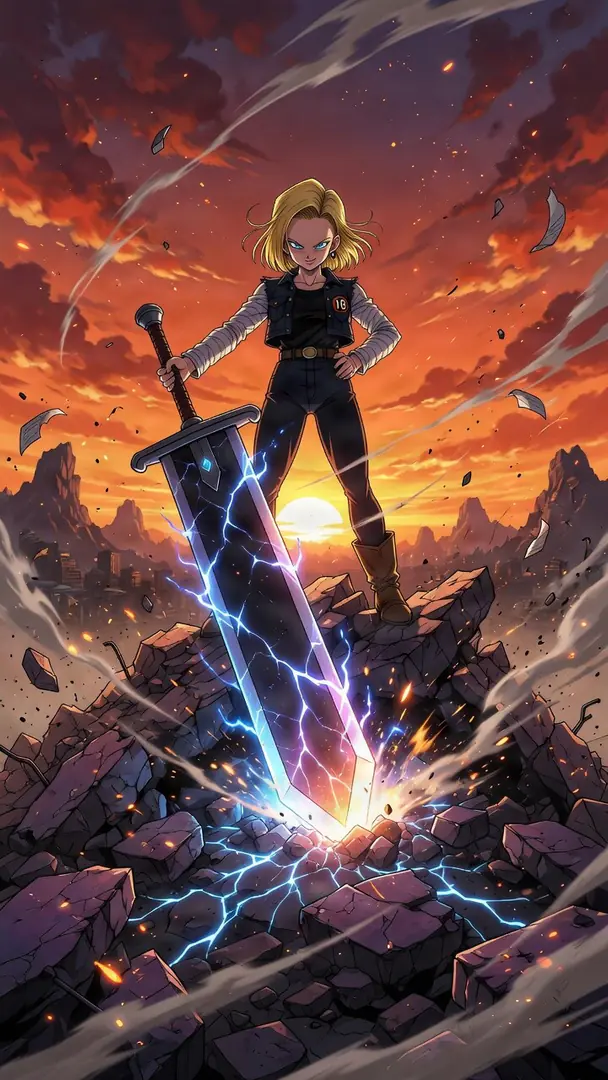
The Emperor Pilaf Saga establishes Dragon Ball's combat identity through encounters that prioritize cleverness and character over raw power. Goku's first battle with Yamcha in the Diablo Desert is not decided by who hits harder but by circumstance: Goku's hunger weakens him, and Yamcha's fear of Bulma sends him running. This pattern of fights interrupted by comedy and resolved through character traits rather than power-ups defines early Dragon Ball and gives the saga its distinctive charm.
The Kamehameha Heard Round the World
Master Roshi's destruction of Fire Mountain serves as the saga's most dramatic display of power, but the true turning point is what follows. Goku, watching Roshi's Kamehameha with wide eyes, immediately mimics the technique with a smaller blast. This moment establishes Goku's defining trait as a fighter: his ability to learn and adapt at superhuman speed. Roshi's stunned reaction tells the audience everything they need to know about Goku's potential.
Monster Carrot and the Cost of Combat
The Monster Carrot encounter introduces genuine peril that the saga's earlier fights lacked. With Bulma transformed into a carrot that the villain can eat at any moment, Goku faces an enemy he cannot simply punch into submission. The resolution requires teamwork between Goku, Yamcha, and Puar, establishing early that the franchise values cooperation alongside individual strength.
The Great Ape Revelation
Goku's transformation into a Great Ape is the saga's most significant battle, even though Goku is not consciously fighting. The destruction of Pilaf's castle by this uncontrollable monster is terrifying precisely because it comes from the hero. The quiet devastation when Yamcha realizes that Goku killed his own grandfather, and the group's decision to protect Goku from that knowledge, is the saga's most mature and emotionally complex moment. It plants seeds of the Saiyan heritage storyline that will not fully bloom for hundreds of episodes.
Where Four Decades of Adventure Began
Every character who matters to Dragon Ball's story either appears or is foreshadowed in this saga. Goku, Bulma, Yamcha, Krillin's future master Roshi, Vegeta's future wife Bulma, Goku's future wife Chi-Chi; the entire emotional architecture of the franchise is laid down in thirteen episodes. Akira Toriyama, drawing heavily from the Chinese classic Journey to the West, created a monkey-tailed boy whose innocence and strength would captivate audiences worldwide. The saga's episodic, adventure-of-the-week structure was a departure from the tournament and battle formats that would come to define Dragon Ball Z, and it remains beloved precisely for its lighter, more whimsical tone.
Toriyama's Comedy Roots
Before Dragon Ball became synonymous with screaming power-ups and planet-destroying beams, it was fundamentally a comedy. The Emperor Pilaf Saga showcases Toriyama at his funniest: Bulma's vanity, Oolong's cowardice, Roshi's lechery, and Goku's innocent confusion about basic concepts like gender are played for laughs that still land decades later. Oolong's wish for women's underwear, which saves the world from Emperor Pilaf's tyranny through sheer absurdity, perfectly encapsulates the saga's comedic philosophy: the most important moments do not need to be serious to be meaningful.
A Template for Shonen
The Emperor Pilaf Saga's influence on anime and manga storytelling is difficult to overstate. The structure of a young, powerful protagonist gathering companions on a quest for magical objects became the template for countless shonen series that followed. One Piece, Naruto, and dozens of other franchises owe a direct creative debt to these first thirteen episodes. The saga did not merely start Dragon Ball; it helped define an entire genre of storytelling that continues to shape animation and comics around the world.
Related Reading
See all
Krillin's on the Tinder: How the Ultimate Short King Survived the Height Filter
Tinder built a height filter. Dragon Ball built a five foot legend. What happened when we sent the ultimate short king into the modern dating hellscape....
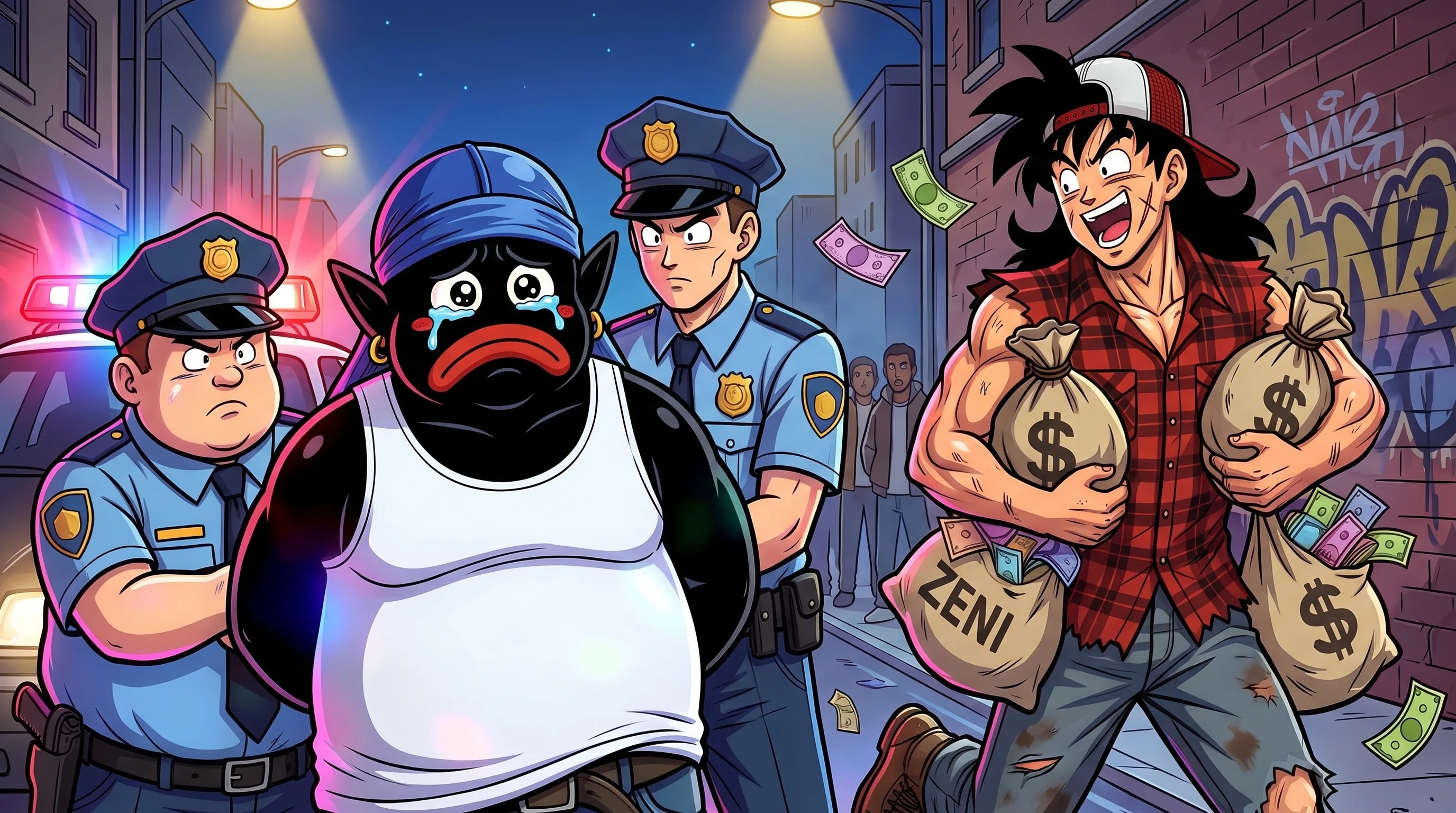
Infinite Zeni Glitch: When Yamcha Never Pays and Mr. Popo Always Does
The internet found an infinite money glitch. So did Yamcha. A smooth R&B track about the easiest money in the Dragon Ball world and the one man who keeps paying for it....
Frequently Asked Questions
What episode does the Emperor Pilaf Saga end?
The Emperor Pilaf Saga spans episodes 1-13. The Emperor Pilaf Saga is where everything begins.
What is the Emperor Pilaf Saga in Dragon Ball?
The Emperor Pilaf Saga is where everything begins. A young monkey-tailed boy named Goku meets a teenage genius named Bulma, and together they embark on the very first Dragon Ball hunt. Along the way they gather the allies, rivals, and friendships that will define the franchise for decades to come.
What happens in the Emperor Pilaf Saga?
Goku lives in isolation on Mount Paozu, guarding his late grandfather Gohan's Four-Star Dragon Ball. When Bulma crashes into his life while hunting the seven Dragon Balls, she convinces him to join her quest. Along the way, they rescue a Sea Turtle and meet its master, the Turtle Hermit Roshi, who gifts Goku the Flying Nimbus and Bulma another Dragon Ball.
Who is the main villain of the Emperor Pilaf Saga?
The main villain of the Emperor Pilaf Saga is Emperor Pilaf. The Emperor Pilaf Saga is where everything begins.
What series is the Emperor Pilaf Saga from?
The Emperor Pilaf Saga appears in Dragon Ball. The Emperor Pilaf Saga is where everything begins.
Sources & Information
Looking for more on Emperor Pilaf Saga? The Dragon Ball Wiki on Fandom has a dedicated page with community notes.
View on FandomThis content is original writing by Daddy Jim Headquarters based on the Dragon Ball anime series, manga, and official materials. Episode and chapter references are cited where applicable.
Character and scene imagery on this site is original artwork by Daddy Jim Headquarters, not screenshots or licensed imagery. Official cover art is used on three types of pages for editorial commentary:
- Movie pages: theatrical posters and key visuals, credited to Toei Animation and Shueisha.
- Game pages: official box art, credited to Bandai Namco, Atari, and other publishers.
- Manga chapter pages: Jump Comics volume covers, credited to Shueisha and Akira Toriyama.
Browse our episode guides:
Official resources:
Help Us Keep This Wiki Accurate
Daddy Jim Headquarters maintains this encyclopedia. If you spot an error, a translation issue, or something that doesn't look right, let us know.